
Last updated November 25, 2026
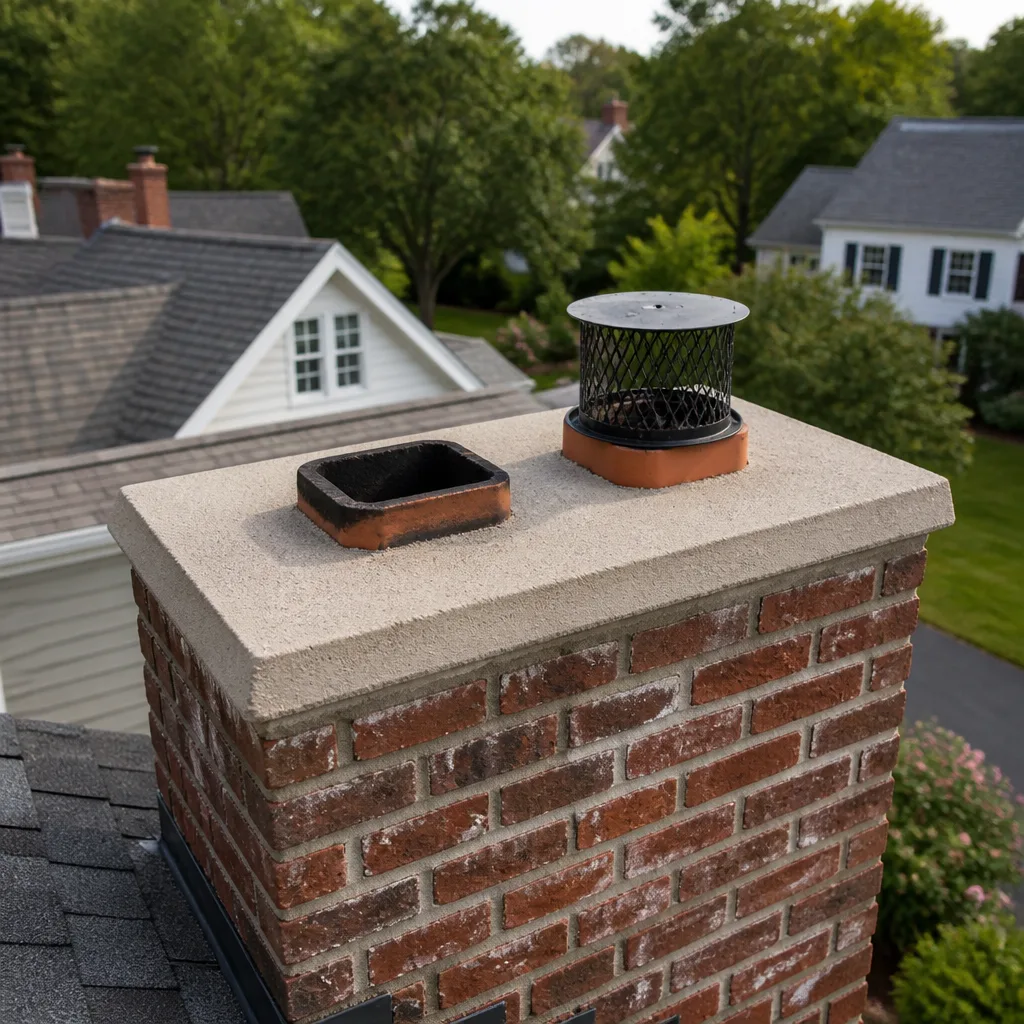 Sweep & inspection
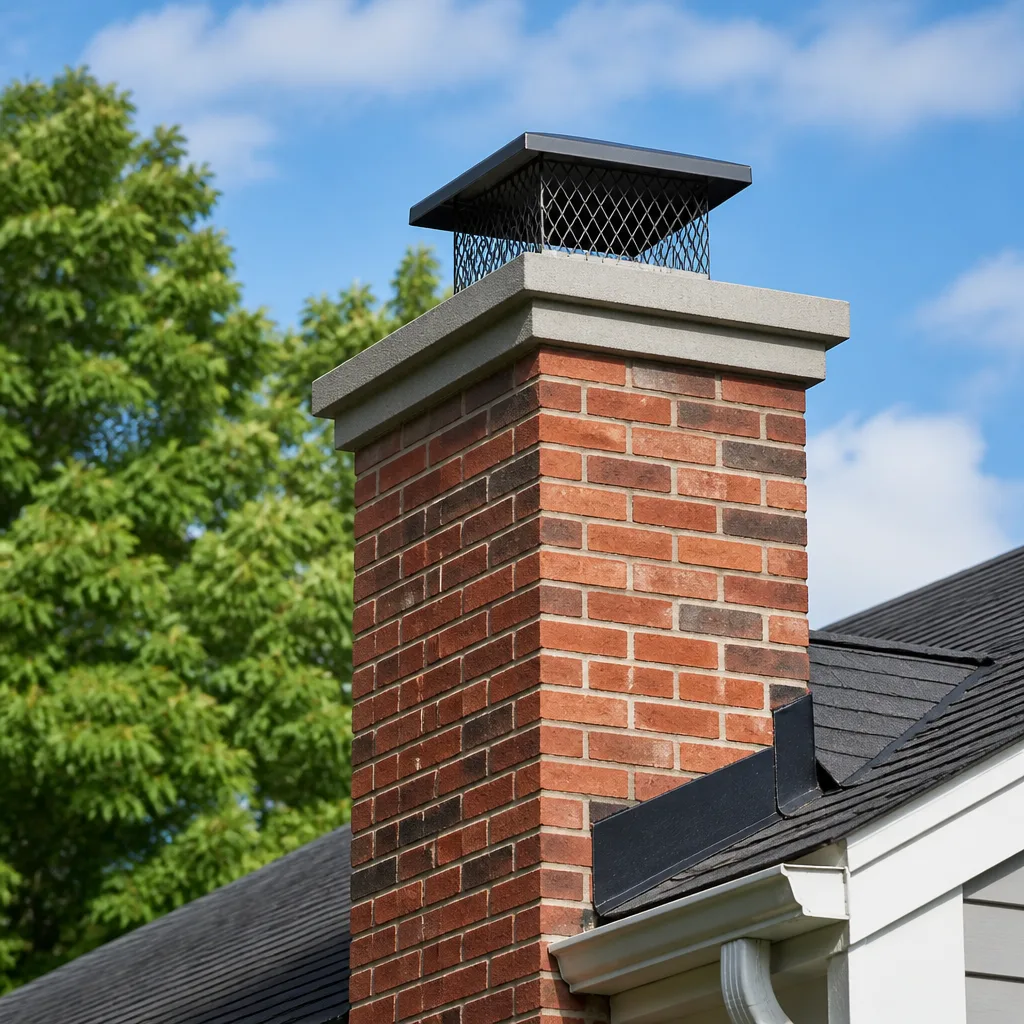 Caps & crowns
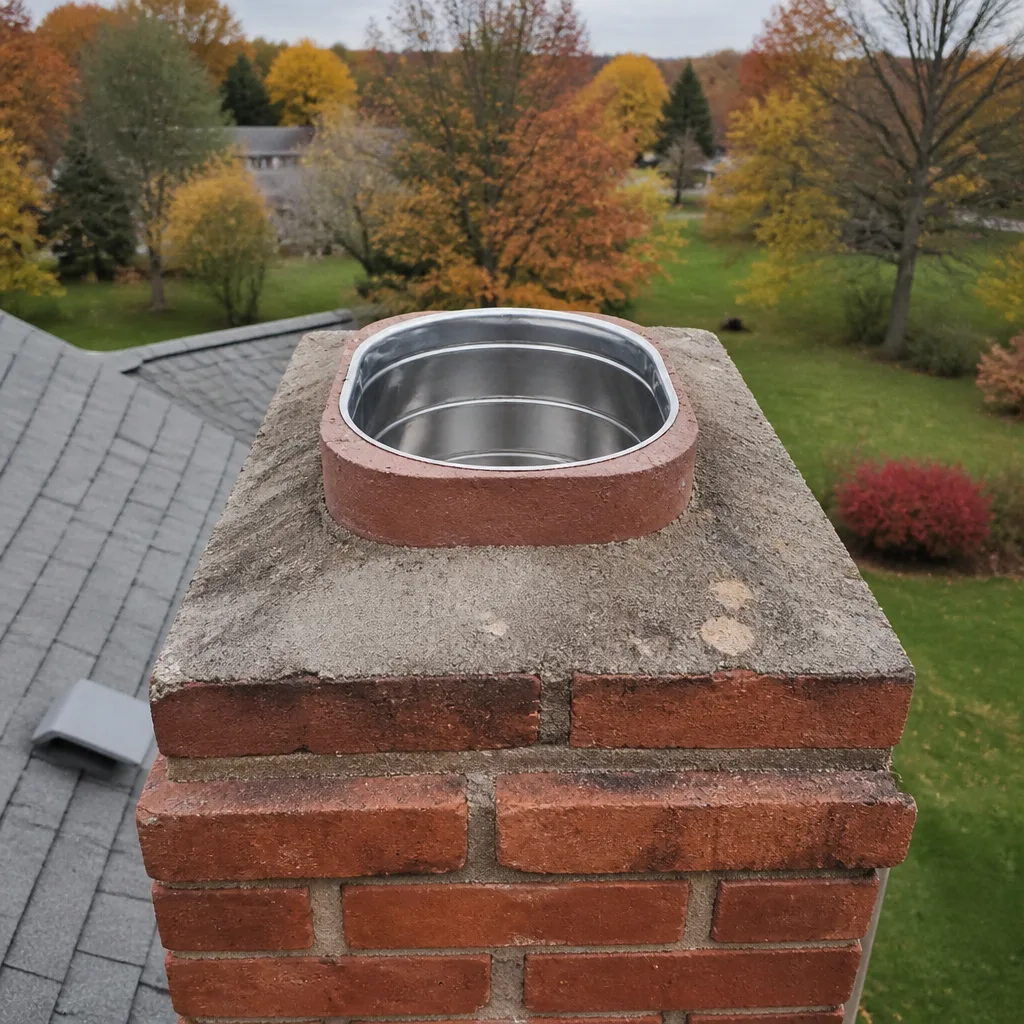 Flue relining
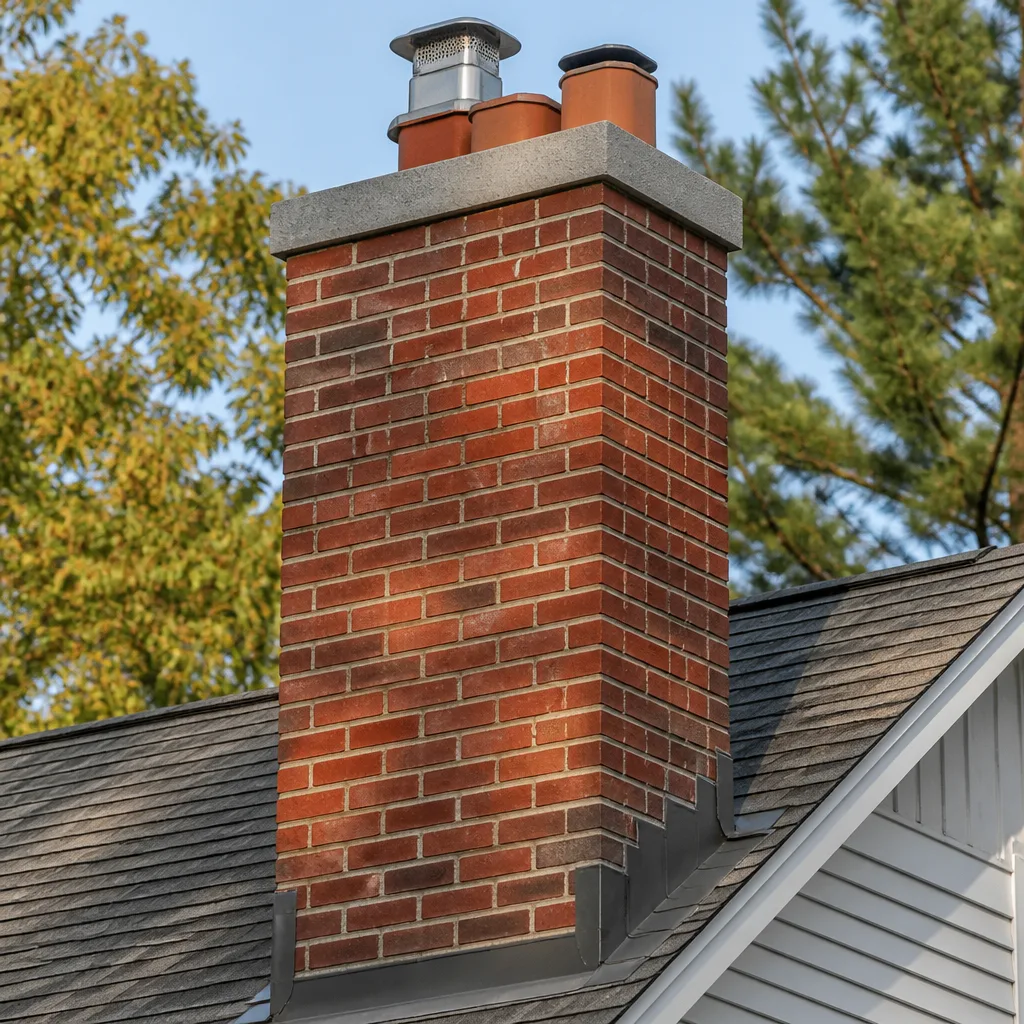 Masonry repair
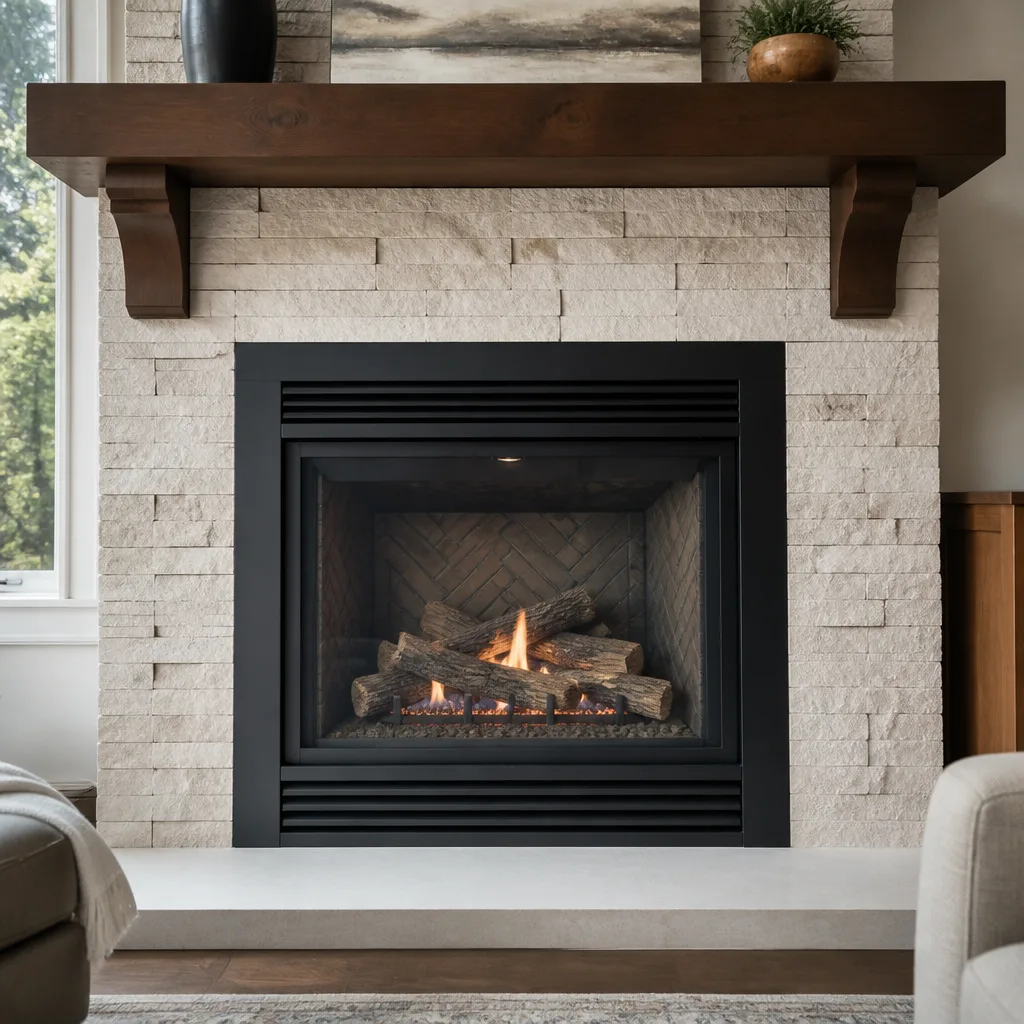 Gas fireplace service
Level 1 sweep and inspection to the NFPA 211 annual standard - flue, crown, cap, and flashing checked and photographed
Chimney sweep logs do not sweep chimneys. They loosen some creosote - which then falls where a brush and vacuum still have to collect it.
Chimney Cleaning Emergency Preparedness Guide for Kirkwood Homes
Most Kirkwood households have a fire extinguisher under the sink and a smoke detector in the hallway, and consider themselves prepared. Then a chimney fire starts, and none of that gear helps, because the fire is inside a flue and nobody in the house knows it’s burning. A slow-burn chimney fire can smolder for hours at a temperature low enough to sound like nothing more than a faint rumble or a trickle of falling debris, which is exactly why it does the most structural damage. This guide builds a real response plan around the two chimney-specific emergencies that actually happen: a fire in progress and a carbon monoxide event traced to a blocked flue. You’ll learn how to tell them apart and what to do first.
Quick Answer
A chimney fire emergency plan for a Kirkwood home has two parts: know how to recognize a fast flare-up versus a slow smolder, and know the exact sequence to follow for each. For a flare-up, evacuate and call 911 immediately; for a slow smolder, stop using the fireplace, close the damper if you safely can, and book a professional inspection before any further fire. For a suspected carbon monoxide event from a blocked flue, get everyone outside and call 911, then have the flue inspected before the fireplace or appliance is used again.
Styles & brands we work with
- Sweep & inspection
- Caps & crowns
- Flue relining
- Masonry repair
- Gas fireplace service
Table of Contents
- The Two Types of Chimney Fires (And How to Tell Them Apart)
- What to Do When a Chimney Fire Is in Progress
- Recognizing a Carbon Monoxide Event From a Blocked Flue
- What Must Happen Before the Chimney Is Used Again
- Pre-Season Setup: What Every Kirkwood Household Should Have Ready
- Why Creosote Buildup Is the Root of Most Emergencies
- Moisture, Draft, and the Weather Around Kirkwood
- The Records You Should Keep for Your Chimney
The Two Types of Chimney Fires (And How to Tell Them Apart)
Not all chimney fires behave the same way, and the difference matters for your response. A fast flare-up is the dramatic version: a sudden ignition of creosote that produces a loud roar, visible flames or sparks from the chimney top, and a vibration you can feel. A slow smolder is quieter, longer, and more insidious. It burns at a lower temperature over a longer period, and because it doesn’t produce the noise or visible flames of a flare-up, many homeowners never realize it’s happening until a professional inspection finds cracked flue tiles, warped dampers, or heat-stained masonry.
In our experience, the slow smolder accounts for the majority of serious structural damage we see in Kirkwood chimneys, precisely because it goes unrecognized. The sensory indicators are subtle:
- Sound: A low rumble that sounds like a distant train or a rush of air, not a roar.
- Smell: A sharp, hot, almost chemical creosote smell that lingers longer than usual.
- Visual inside: Warped or discolored damper blades, cracked flue tiles, or heat-glazed surfaces.
- Visual outside: Slight wisps of smoke from the chimney top after the fire has clearly burned down, or small puffs of dark smoke.
- Creosote flakes: Bits of creosote found on the roof or downspouts, a strong sign of a past or active smolder.
Kirkwood sits in a climate where winters are cool enough for consistent fireplace use but not so cold that fires burn at peak efficiency every night. That in-between pattern, with fires burned hot some evenings and smoldered down on others, is exactly the kind of fire behavior that produces slow chimney fires. If you’ve ever noticed a faint rumble or lingering creosote smell and then just added another log, that’s the pattern this guide exists to help you correct.
What to Do When a Chimney Fire Is in Progress
When a chimney fire is clearly in progress, the response differs based on what you’re seeing. The quick answer: if you see visible flames or sparks from the chimney top, hear a loud roar, or feel the stovepipe vibrating, evacuate and call 911. A flare-up can spread beyond the flue. For a slow smolder that you suspect but can’t fully confirm, the safe response is to stop adding fuel, close the damper if you can do so safely, leave the house, and call a professional once safe.
Here’s the step-by-step protocol we recommend:
- Get everyone out first. Move people and pets outside. Don’t stop to gather belongings.
- Call 911. Fire crews want to confirm the fire hasn’t extended into the structure; standard procedure for any chimney fire is to check the roof and attic.
- For a confirmed flare-up, do not attempt to fight it. Do not spray water into the firebox. Water on a chimney fire can crack a hot flue and cause injury.
- For a suspected slow smolder, close the damper only if you can reach it safely. This limits oxygen and can help starve a low fire, but never stand near the hearth to try.
- Use a flue-rated fire suppressant only when the fire is small and fully inside the firebox, and only after you’ve called 911 and followed their instructions. A standard ABC extinguisher is not rated for the inside of a flue. Never throw a dry-chemical extinguisher into a live chimney fire without professional direction.
- Wait for the fire department to declare the scene clear. Do not re-light the fireplace or use any heating appliance connected to the flue until a professional inspection occurs.
One Kirkwood-specific context: many homes here are older, with original masonry chimneys and tile flues that may already have hairline cracks from past slow smolders. A fire in such a chimney has a much faster path to the framing than in a newer, properly lined chimney. If your home’s chimney has never been inspected, treat any suspected fire as serious until ruled out.
If you’re not sure whether the event was a fire or a creosote flare that stayed contained, book a professional chimney inspection before your next fire. We inspect before we recommend, and the camera evidence tells the story clearly.
Recognizing a Carbon Monoxide Event From a Blocked Flue
A carbon monoxide event tied to a chimney usually starts with a blocked or damaged flue, not a malfunctioning furnace. When a chimney has a nest, a heavy creosote load, a collapsed liner, or a damper stuck shut, exhaust gases back up into the living space instead of going up the chimney. Because the symptoms of low-level CO exposure are so often mistaken for other things, this is the emergency most likely to be missed.
The tricky part is misdiagnosis. Early CO symptoms (headache, dizziness, nausea, fatigue, confusion) look like a cold, a migraine, or flu. Whole families have been exposed to low-level CO for days because everyone thought they had a passing illness. If you notice these symptoms clearing up when people leave the house and returning when they come back, that’s a red flag that requires immediate action.
How to tell a flue-origin CO event from an appliance one:
- Triggered by fireplace use. Symptoms appear or worsen while a fire is burning and improve when it’s out.
- Symptoms cluster in one room. The living room or wherever the fireplace is, rather than the whole house evenly.
- Draft issues. Smoke rolls into the room at startup, or the fire is hard to light and keeps dying down. This is a strong sign of a blocked flue.
- No appliance fault found. A technician checks the furnace, water heater, and stove and finds nothing wrong. In that case the chimney is the next place to look.
If you suspect CO exposure, get everyone outside, call 911, and don’t re-enter until the fire department clears the home. Once the house is safe, book a chimney inspection before using any appliance tied to the flue. The flue needs to be checked for blockage, cracks, or liner damage. Some CO issues trace to a liner that’s failed or a flue that was never sized correctly; our chimney repair team deals with that regularly in Kirkwood homes, and a HeatShield resurfacing or a new DuraFlex liner often resolves it. Install a CO detector on every level of your home, and test it monthly.
What Must Happen Before the Chimney Is Used Again
After any chimney fire or CO event, a professional inspection is mandatory before you burn another fire. The industry standard is a Level 2 inspection, which includes a camera inspection of the flue interior and close examination of the exterior. For a suspected fire, a basic visual sweep is not enough. The Level 2 inspection video documents cracks, gaps in the liner, warped components, and heat damage that cannot be seen otherwise.
The documentation to request:
- A written inspection report with photographs of the flue interior and any damage found.
- The inspection level used and a statement of what was checked (flue, damper, firebox, crown, cap, flashing).
- Any findings that require repair before use, in plain language.
- A clear recommendation on what can safely wait and what can’t.
In our experience, the biggest trust gap in this industry is a homeowner being told they need thousands of dollars of liner or masonry work with no way to verify it. So here’s what we hold ourselves to: nothing is recommended without camera evidence you can see for yourself, and we’ll tell you plainly when a repair can safely wait. We use professional-grade materials from makers like DuraFlex for flexible liners and HeatShield for resurfacing, and the same team that inspects the flue does the repair. No handoffs and no subcontractors on the liner.
One more point specific to Kirkwood: after a fire, don’t let a sweep skip the crown and cap check. A damaged crown is a common way water gets into a chimney after an event, and moisture combined with heat damage is a recipe for a second emergency a season later. Our chimney cap & crown team handles that step in the same visit.
Pre-Season Setup: What Every Kirkwood Household Should Have Ready
The best time to prepare for a chimney emergency is before the first fire of the season. Do this every fall, ideally before the first cold snap, so a blocked or damaged flue is found before anyone lights a fire.
Physical items to have ready:
- CO detectors on every level and near sleeping areas. Test them monthly and replace batteries annually.
- A flue-rated fire suppressant kept near the fireplace, appropriate for chimney fires, with the instructions read before an emergency.
- A standard ABC fire extinguisher near the hearth, rated for household fires, not for flue interiors.
- A working flashlight for checking the fireplace from the room side and for finding the damper.
- Your service contact saved in your phone. Save the number you’ll call for an inspection so you’re not searching during an emergency.
Information to document before the first fire:
- Last inspection date and the report. Keep it wherever you keep home records.
- Liner type and material (masonry tile, stainless flexible, cast-in-place). If you don’t know, the inspection will tell you.
- Fireplace and appliance model numbers, and what they vent into.
- Photo of the chimney top taken from the ground, for future comparison.
- The closest hospital and poison control number, saved in your phone.
Kirkwood’s climate gives you a nice long runway: summer and early fall are the ideal times to book an inspection because there’s no fire in the fireplace and no pressure. Get ahead of the season and you’ll never be the household that books a same-week inspection because a fire already happened. Our chimney sweep service includes a full inspection, so one visit handles both.
Why Creosote Buildup Is the Root of Most Emergencies
Nearly every chimney fire, fast or slow, is fed by creosote: a tar-like residue that builds up on flue walls as smoke cools. It comes in stages, from a light soot, to a crunchy flake, to a glazed, tar-like coating that ignites at lower temperatures and burns hotter. The glazed stage is the most dangerous, and it’s exactly what slow smolders tend to leave behind. Once creosote reaches that stage, the chimney is one hot fire away from a flare-up.
What feeds creosote buildup in Kirkwood specifically: cool, slow-burning fires (green or wet wood, dampers throttled back too far), and older masonry chimneys with flues that don’t draft well. Long, cool shoulder-season burns in fall and spring are a known contributor. So is wood that hasn’t been seasoned long enough.
What to check:
- Wood moisture: burn seasoned wood, ideally dried a year.
- Fire temperature: hot, efficient fires produce less creosote than low, slow ones.
- Frequency of sweep: annual inspection for most homes, more often if you burn heavily or see glazed creosote.
If you find glazed creosote on a sweep, resurfacing the flue with HeatShield or installing a properly sized DuraFlex liner is often the durable fix. Patch-sweeping a glazed flue without addressing the liner is exactly the “built to return” repair we avoid. If you want the full picture of a pre-season sweep, the guide on our home page covers the sweep process at Chimney Sweep Kirkwood.
Moisture, Draft, and the Weather Around Kirkwood
Kirkwood weather swings between humid summers and cool, wet winters. That pattern is hard on a chimney. In summer, humidity works its way into masonry, especially any brickwork that isn’t sealed at the crown. In winter, that moisture freezes and expands, opening hairline cracks and dislodging mortar. Over a few seasons, small cracks turn into draft problems, which produce more creosote and a higher risk of a fire.
This is why we treat the chimney as a system. The cap and crown are the first line of defense; when they’re damaged, water gets in and every other problem gets worse. A properly fitted cap (from a brand like Copperfield, which makes caps and accessories) keeps rain out while venting exhaust. A sealed, sloped crown sheds water away from the flue rather than into it. Kirkwood has plenty of tree cover, which means leaves, twigs, and the occasional bird nest find their way into uncapped chimneys; that’s one of the most common causes of a blocked flue and a CO event.
What to check before each season:
- Crown: visible cracks, missing pieces, or a puddle on top.
- Cap: intact, fit tight, and no debris built up inside it.
- Flashing: gaps where the chimney meets the roof.
- Draft: smoke rolls into the room at startup or the fire struggles to stay lit.
If any of these show up, the fix usually falls under fireplace repair or cap and crown work, and in our experience those repairs are far easier to make before a fire than after one. Built to last, not built to return: a good cap and crown job is the cheap insurance that most matters.
The Records You Should Keep for Your Chimney
Chimney records help every future decision: whether you need a sweep, whether a prior repair is holding, whether a slow smolder has left damage. Keep a chimney file, physical or digital, and update it after every visit.
What to keep:
- Every inspection report, with the inspection level and the date.
- Photos of the flue interior and the exterior top down, taken at each inspection.
- Records of any repairs, with brand and material notes (for example, DuraFlex liner, HeatShield resurfacing, Copperfield cap).
- Fireplace or wood stove model numbers and the manual.
- A simple log of fire events (slow smolder, flare-up, suspected CO) with the date, so a future inspector knows what to look for.
Why it matters: if you ever have a suspected slow smolder, the record tells the inspector whether the flue has had prior damage. If you ever sell the home, documented chimney records are a real asset. They demonstrate the chimney has been maintained and give the buyer visibility into the system’s history. Keeping a simple binder and photographing each inspection is all it takes. Do it once, refine it annually, and you’ll always know where your chimney stands.
Common Mistakes to Avoid
- Assuming a chimney fire is always loud. The slow smolder is the quiet one, and it’s the one most likely to cause structural damage. If you smell hot creosote or see wisps of smoke after the fire has burned down, don’t assume it’s fine.
- Fighting a chimney fire with a standard extinguisher. A dry-chemical extinguisher isn’t rated for flue interiors and spraying one into a live chimney can injure you and crack a hot flue. Evacuate and call 911.
- Skipping the CO detector. Kirkwood homes with wood-burning or gas fireplaces should have CO detectors on every level and near sleeping areas, and they should be tested monthly. The blocked-flue scenario is exactly what a detector catches.
- Relighting before a Level 2 inspection. After any event, a basic visual sweep isn’t enough; the flue needs a camera inspection and documented findings. Don’t burn another fire until you have them.
- Ignoring the crown and cap until the flue cracks. A damaged crown lets water into the flue and accelerates every other problem. Check it every fall, and repair it before winter.
- Throttling the damper on cool evenings and calling it a fire. Long, slow, smoldering burns make creosote. If you burn that way often, that’s a reason for an extra inspection, not one.
- Choosing a sweep-only operator for a post-event repair. Fire-damaged liners often need resurfacing or replacement, not just a clean. Ask up front if the company can quote the repair, or if you’ll be handed off to a subcontractor.
See the difference
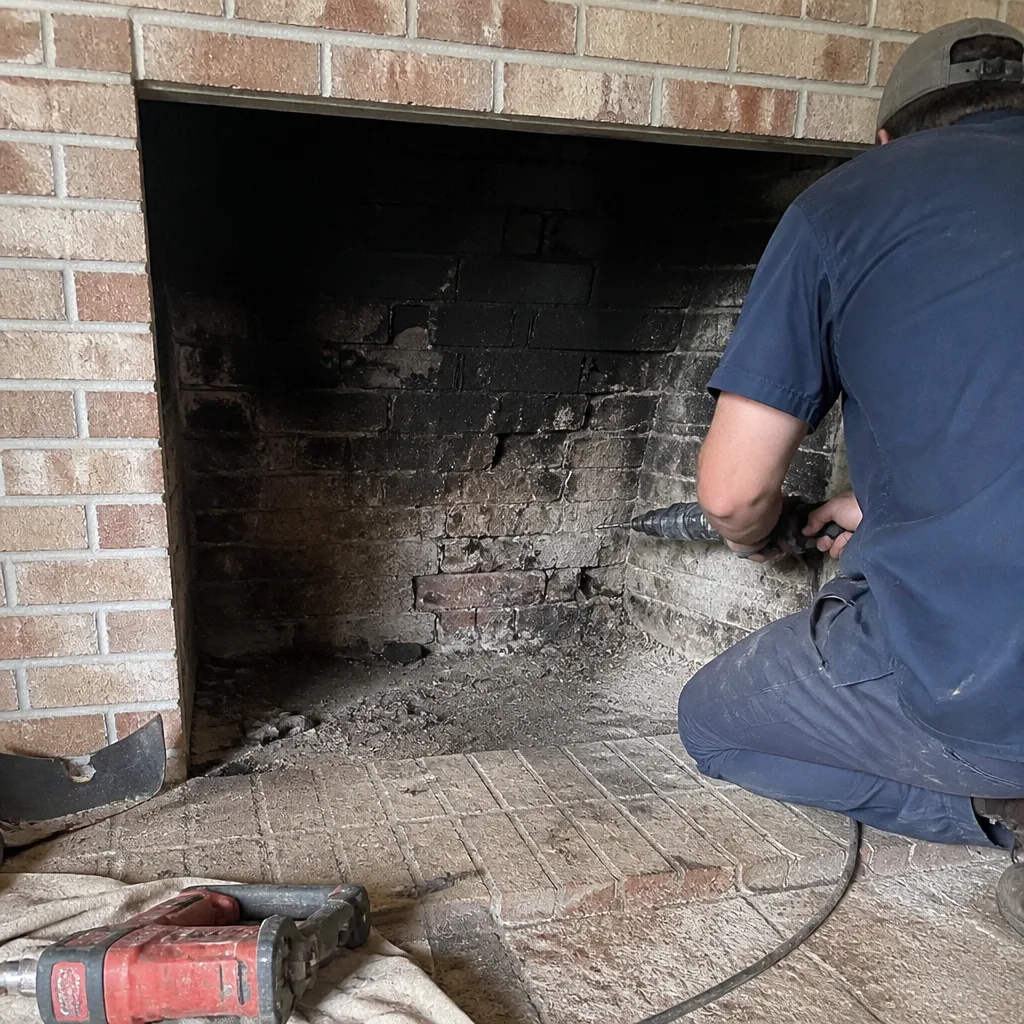 Before
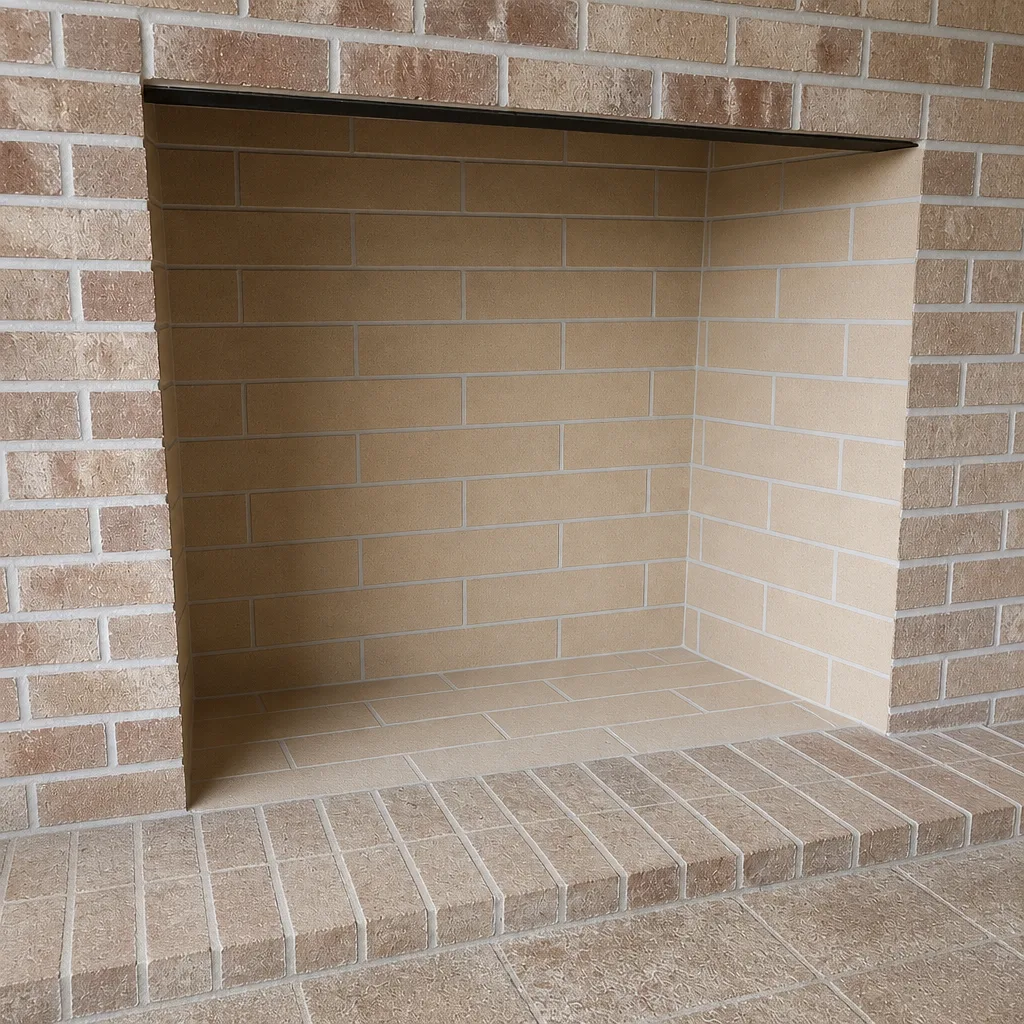 After
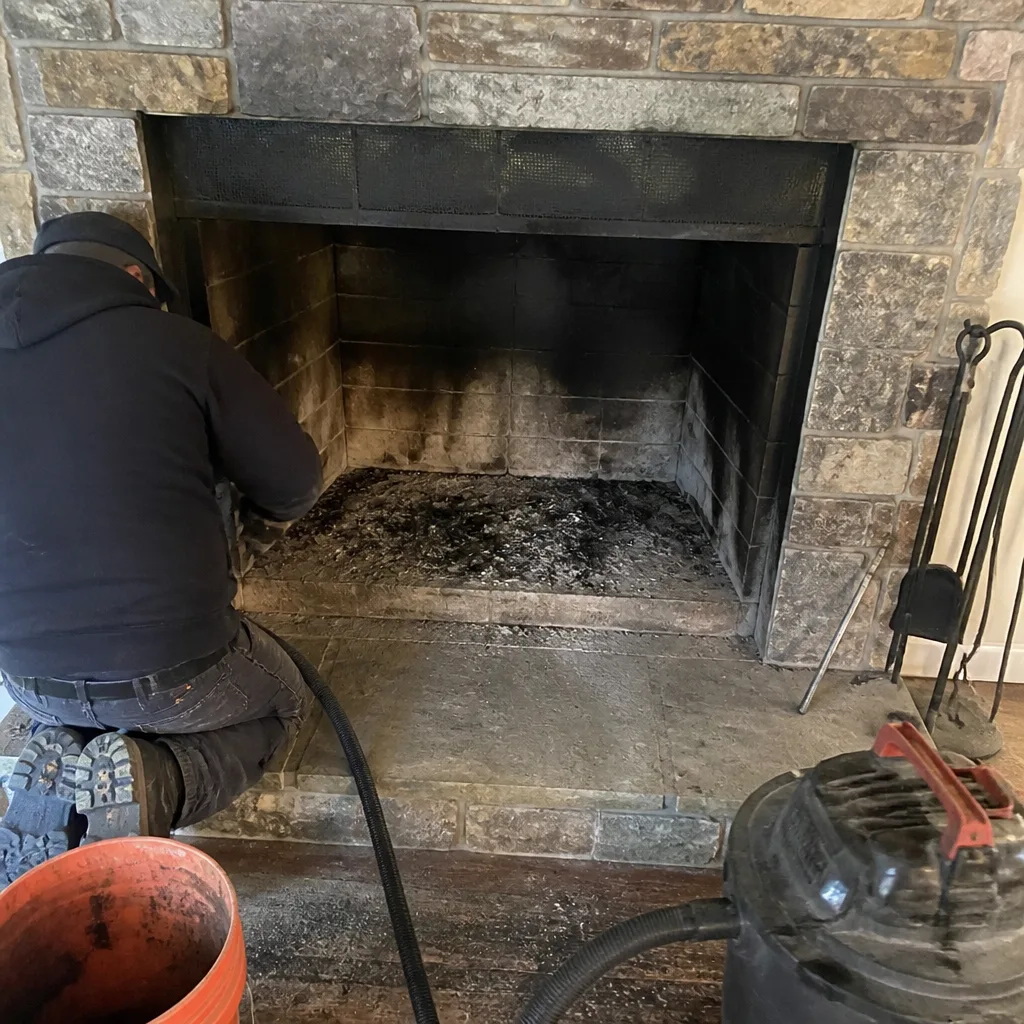 Before
 After
 Before
 After
When to Call a Professional
Call a professional chimney service when: a chimney fire has occurred or is suspected; a CO detector has alarmed; smoke backs up into the room at startup; a prior repair is holding but hasn’t been inspected in over a year; the crown, cap, or flashing is damaged; or the flue has never been inspected. Those situations are too risky to diagnose from inside the room. Chimney Sweep Kirkwood offers free estimates in Kirkwood. Call (844) 443-4847. We answer 24/7, with fast dispatch from 7am to 7pm, Sunday through Friday. Our technicians have up to 11 years of experience, and we’ll tell you plainly what’s urgent and what can wait, using camera evidence you can see for yourself.
Frequently Asked Questions
A slow-burning chimney fire sounds like a low rumble or a distant train, and it may smell of sharp, hot creosote that lingers after the fire has burned down. Normal operation is quiet and the creosote smell goes away once the fire is out. If you suspect a slow smolder, stop adding fuel, close the damper only if you can reach it safely, leave the house, and book an inspection before using the fireplace again. Call (844) 443-4847 for a free estimate.
No. A standard ABC extinguisher is not rated for the inside of a flue, and spraying one into a live chimney fire can crack the flue and injure you. Use a flue-rated fire suppressant only when the fire is small, fully inside the firebox, and only after you’ve called 911 and followed instructions. For anything else, evacuate and let the fire department handle it.
Symptoms tied to fireplace use (appearing when the fire burns and clearing when it’s out), smoke rolling into the room at startup, and a hard-to-light fire all point to the chimney rather than an appliance. If a technician has checked your furnace and water heater and found nothing, the flue is the next thing to inspect. Get everyone outside and call 911 first if anyone has symptoms. Call (844) 443-4847 once the house is clear for a flue inspection.
Most homes should be inspected annually; homes that burn more often, see glazed creosote, or have a slow-smolder history should be inspected more frequently. A basic visual sweep handles a routine season, while any suspected fire or CO event requires a Level 2 camera inspection. We’ll tell you the right interval for your chimney. Call (844) 443-4847 for a free estimate.
A skipped inspection hides damage: cracks, warped components, or a compromised liner can let heat or exhaust reach the framing or the living space. The risk isn’t theoretical, but don’t take our word for it; a camera inspection lets you see the flue for yourself and know exactly what state it’s in. Call (844) 443-4847 and we’ll schedule the inspection and give a free estimate.
A routine sweep is fine for a chimney in good health, and most sweeps include a basic visual inspection. But if the chimney has had a fire, a suspected CO event, or a long history of slow smoldering, a sweep alone won’t find the damage. A proper Level 2 inspection with camera video and a written report is what you want. Call (844) 443-4847 and we’ll recommend the right level of service for your chimney.
The Bottom Line
A real chimney emergency plan for a Kirkwood home starts with recognizing what’s actually happening. The two emergencies that matter are the slow smolder and the blocked-flue CO event, and both are quiet. Get CO detectors on every level, keep a flue-rated suppressant near the hearth, and know the evacuation steps before you light a fire. Book a pre-season inspection that includes a Level 2 look at the flue, save the camera evidence, and keep a simple chimney file. After any fire or CO event, don’t burn another fire until a professional has inspected the flue. Call (844) 443-4847 for a free estimate. We answer 24/7, with fast dispatch from 7am to 7pm, Sunday through Friday. Our technicians have up to 11 years of experience, and every recommendation comes with camera evidence you can see.
Written by the team at Chimney Sweep Kirkwood.