
Last updated November 25, 2026
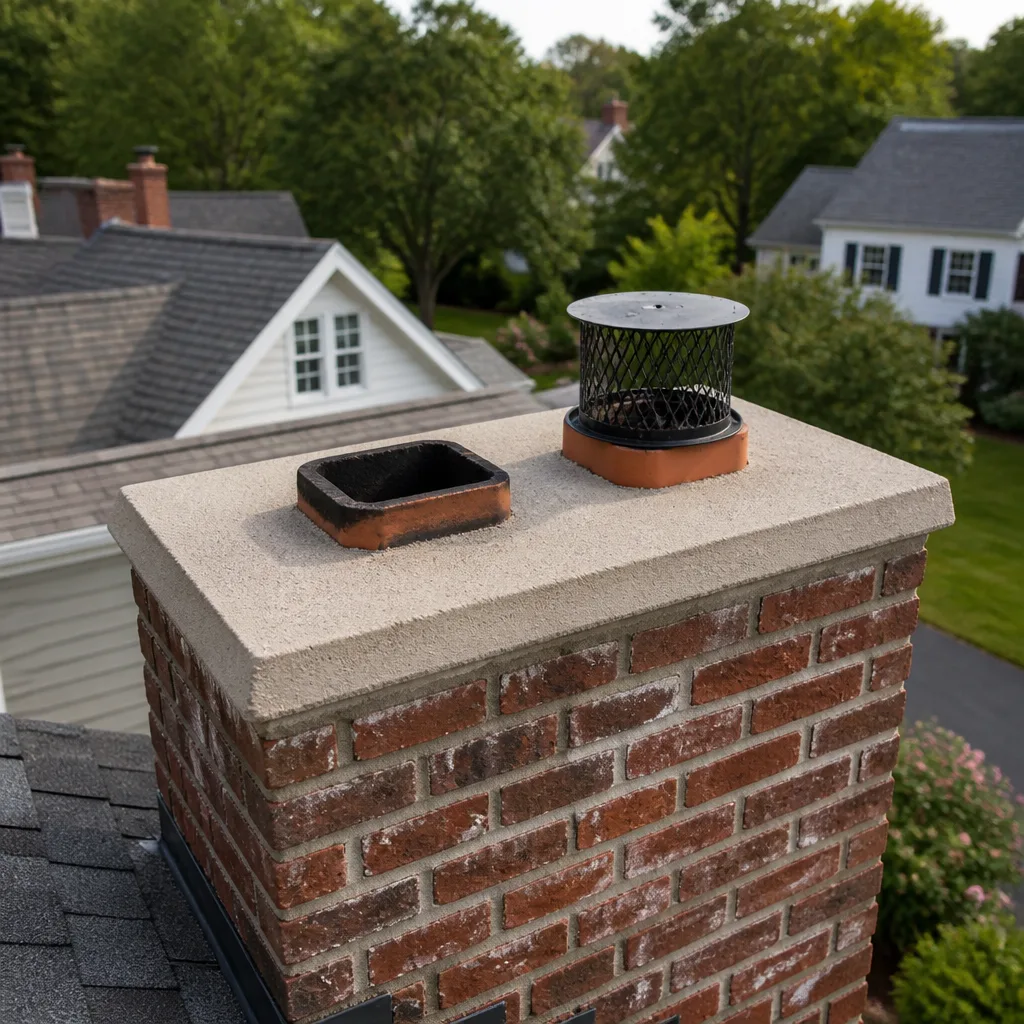 Sweep & inspection
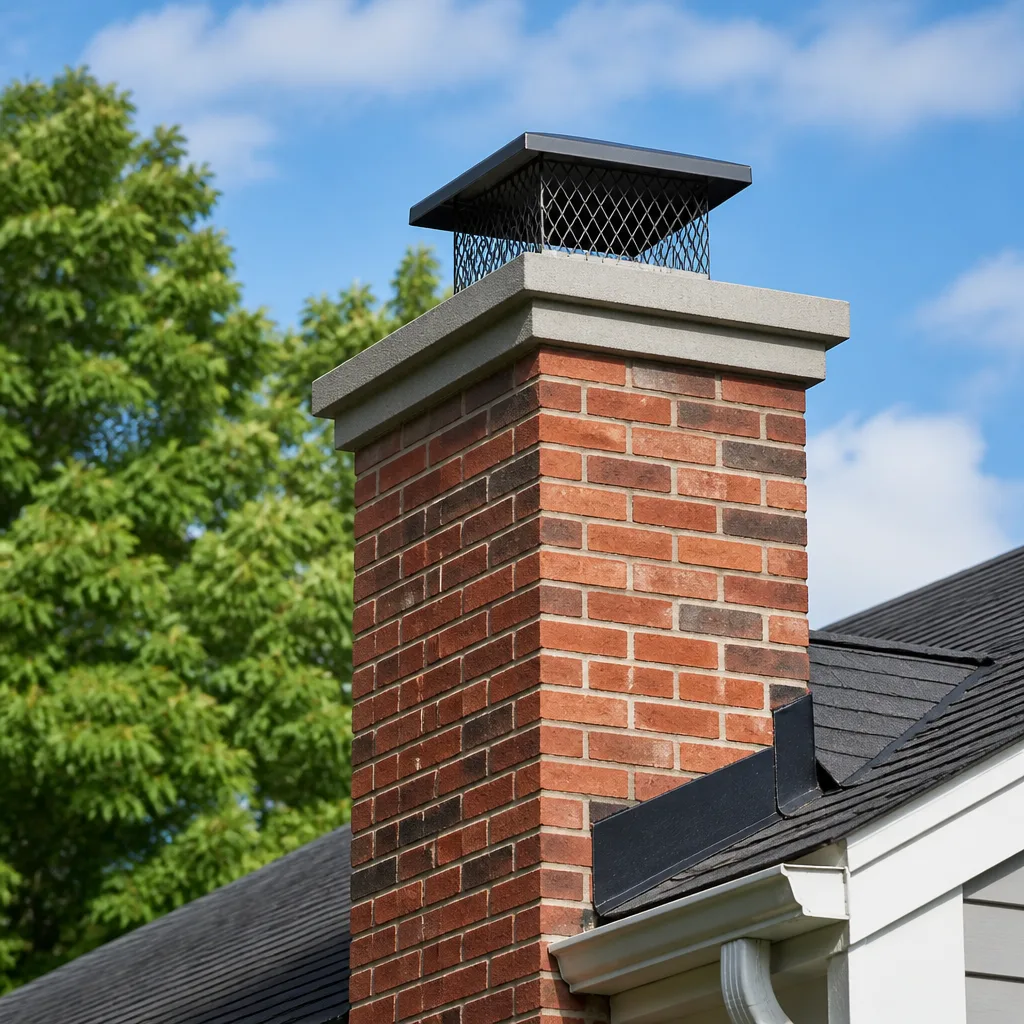 Caps & crowns
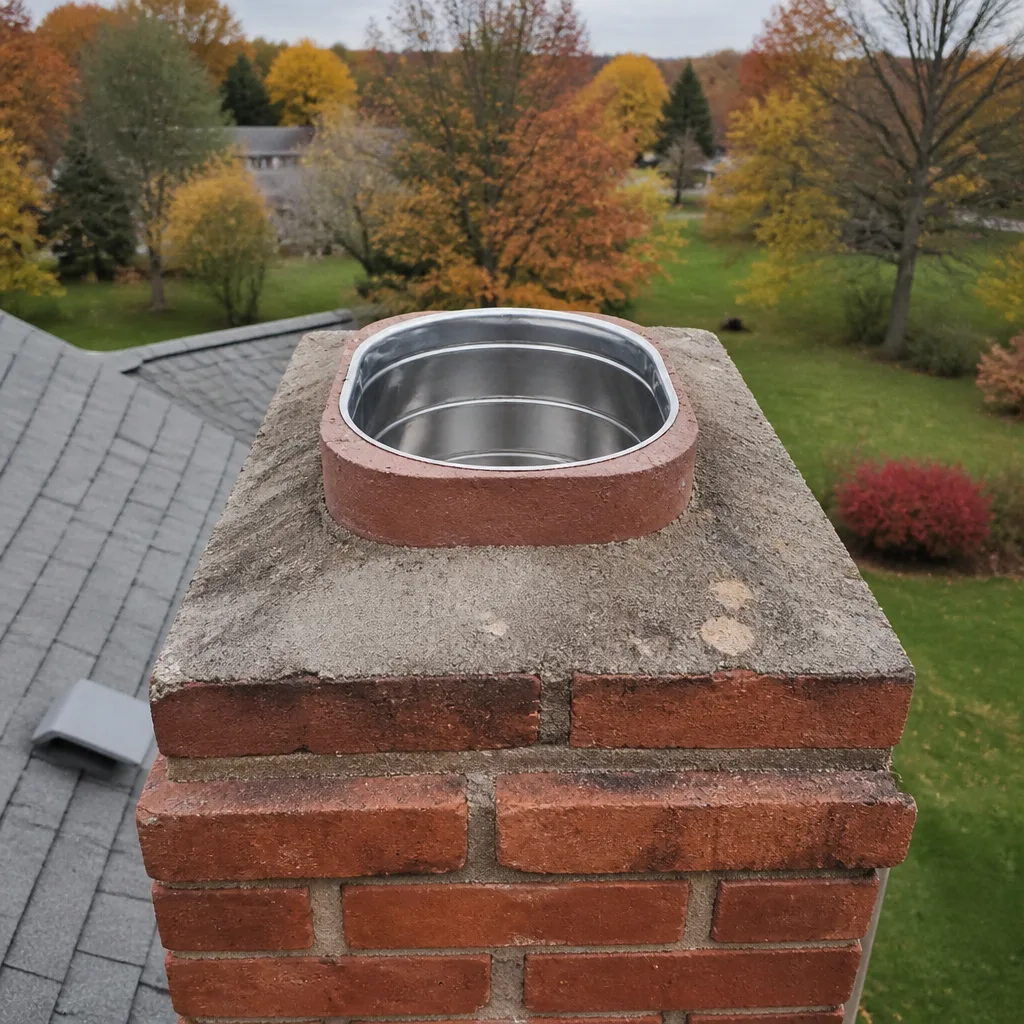 Flue relining
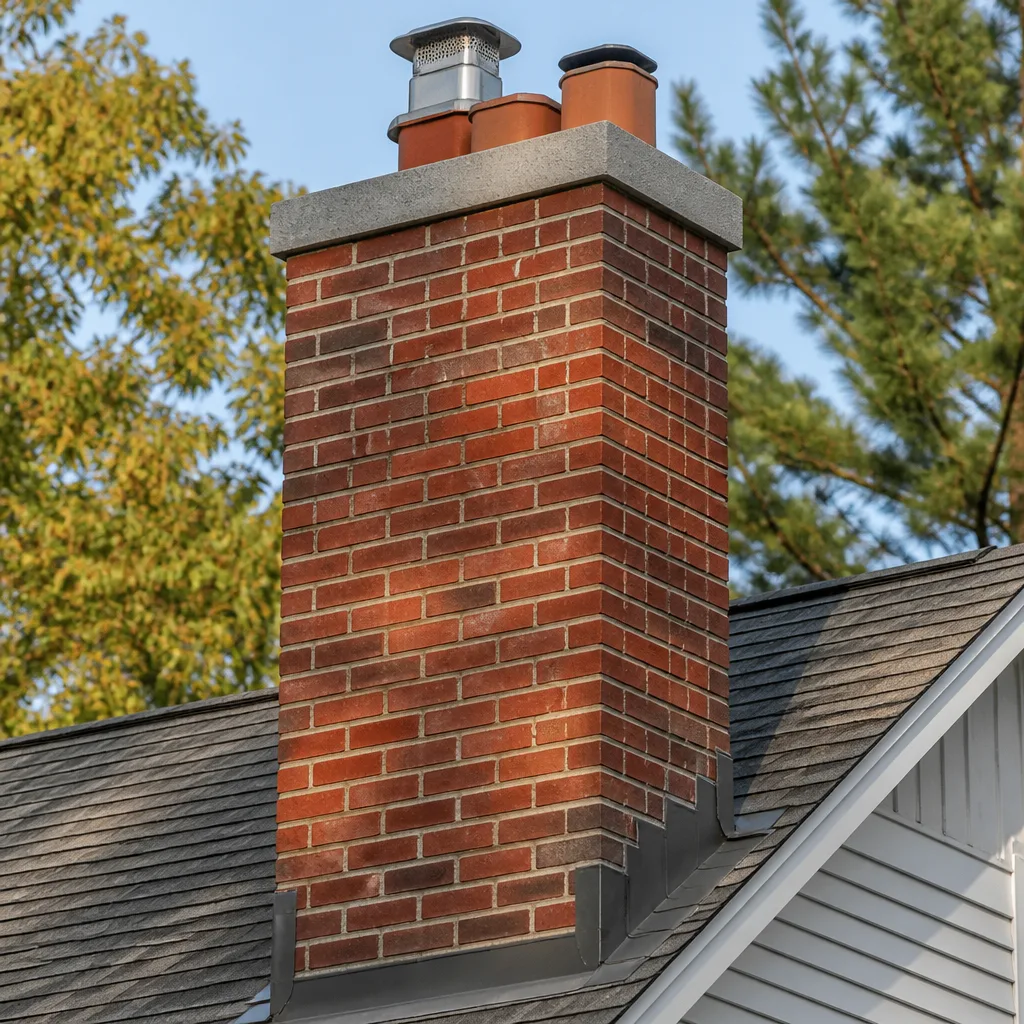 Masonry repair
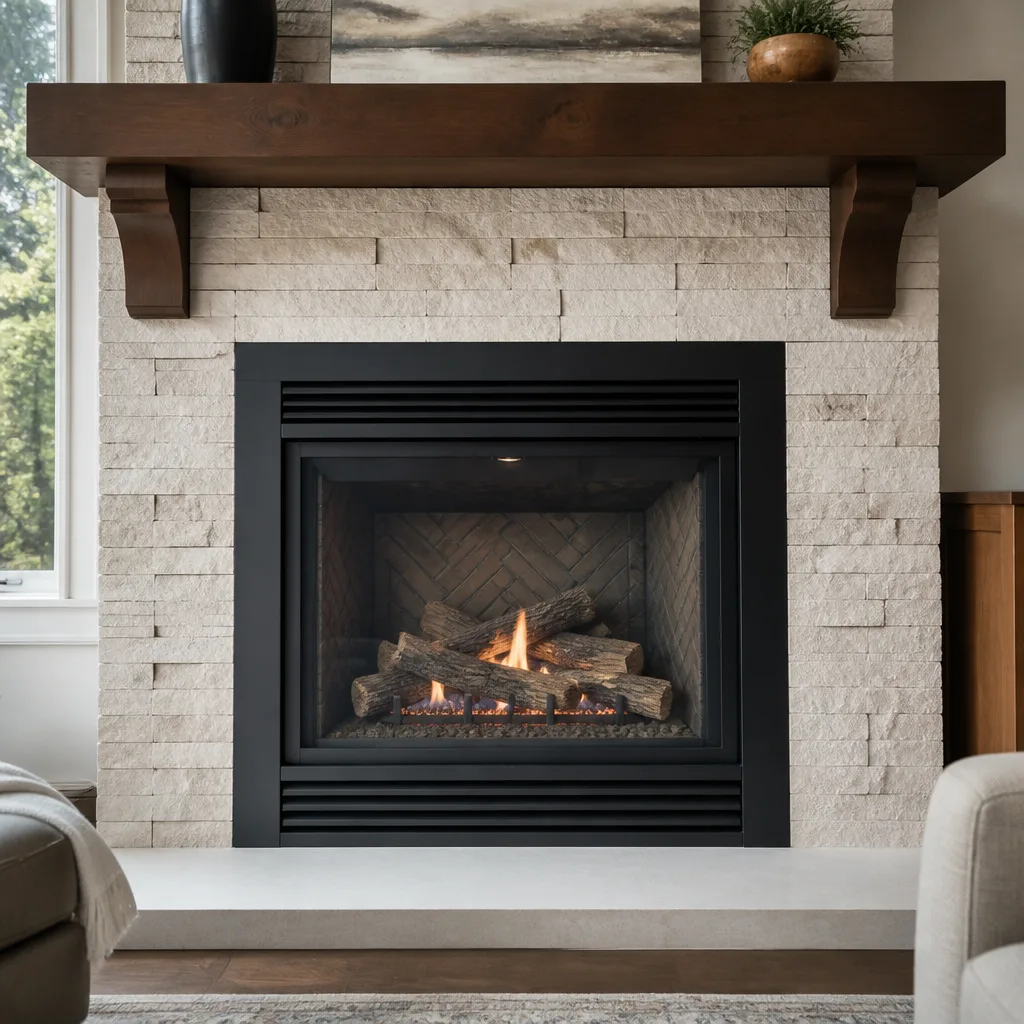 Gas fireplace service
Level 1 sweep and inspection to the NFPA 211 annual standard - flue, crown, cap, and flashing checked and photographed
Chimney sweep logs do not sweep chimneys. They loosen some creosote - which then falls where a brush and vacuum still have to collect it.
Choosing the Right Chimney Cleaning Brand: A Buyer’s Guide for Kirkwood
A chimney cap is a chimney cap, until the thin galvanized version rusts through after a few seasons, lets water into the flue, and the cracked tile behind it turns one cheap part into a masonry repair. That’s the whole point of this guide: the brand and material grade of what goes onto and into your chimney system matter more than most homeowners realize, and almost nobody thinks to ask. In Kirkwood and across the Atlanta area, where humid summers and wet winters work on metal and masonry year-round, those material choices decide whether a repair lasts or comes back. We’ll walk through the five product categories where brand genuinely changes performance, what professional-grade means in each, and how to ask a contractor about materials so the answer tells you something.
Quick Answer
The brand of chimney products matters most in five categories: caps, liners, sealants and waterproofers, crown coatings, and creosote treatments. Professional chimney companies use trade-supply materials like Olympia Chimney caps, DuraFlex flexible liners, HeatShield resurfacing, and Gelco sealants because those products carry real lifespans and manufacturer warranties. Ask any contractor which brands they install and why. A specific, confident answer signals a specialist; a vague one usually means big-box parts and guesswork.
Styles & brands we work with
- Sweep & inspection
- Caps & crowns
- Flue relining
- Masonry repair
- Gas fireplace service
Table of Contents
- Why Brand and Material Grade Matter More Than You Think
- The Five Product Categories Where Brand Actually Changes Performance
- The Name Brands Behind Professional Chimney Work
- Hardware-Store Parts Versus Professional-Supply Materials
- How Material Choice and Installer Qualifications Affect Warranties
- How to Ask a Contractor About Their Materials
- Brand Choice Versus the Sweep Itself: What Each One Does
- Common Mistakes to Avoid
- When to Call a Professional
Why Brand and Material Grade Matter More Than You Think
Most homeowners shop for a chimney company the way they shop for a plumber: price, availability, a friendly voice on the phone. They never ask what goes on the chimney. That gap is exactly where cheap work hides, because the parts that fail aren’t visible from the driveway. A liner is buried in the flue. A crown coating sits on the chimney top, out of sight. A waterproofer is a clear film nobody looks at again.
What makes this a real problem in Kirkwood is climate. Our summers run hot and muggy, our winters swing between wet and freezing, and the clay tile and mortar on older Kirkwood homes take that cycle every year. Metal expands and contracts. Mortar absorbs and releases moisture. A cap that rusts through in a few seasons or a sealant that chalks off after one summer is not saving you money; it’s handing you a water intrusion problem you won’t notice until it’s inside the flue.
Good materials don’t just last longer. They behave differently. A properly specified stainless cap sheds water and vents flue gases the way it’s designed to. A liner rated for wood-burning temperatures and installed correctly keeps the flue gases inside the liner instead of against the masonry. A crown coating designed for chimney tops flexes with the masonry instead of cracking away from it. These are engineering decisions, not cosmetic ones, and they’re made by brand choice.
The Five Product Categories Where Brand Actually Changes Performance
Not every product in chimney work has a meaningful brand difference. Brushes are brushes. But five categories reward you for paying attention, and those are the ones to ask about.
1. Chimney Caps
The cap is the part most exposed to weather and the one most often bought cheap. A basic galvanized cap can rust through in a few seasons in our climate. A stainless cap with a proper screen and a tight mounting system lasts far longer and keeps rain, birds, and debris out of the flue while spark arrest matters for wood-burning systems. Brand matters here because steel grade, weld quality, and screen mesh differ enormously between a hardware-store cap and a trade-supply cap.
2. Liners
A liner is the flue’s inner pipe, and it’s the most consequential material choice in the whole system. Flexible stainless liners from brands like DuraFlex are engineered for specific fuel types and temperature ratings, and they come with manufacturer installation requirements. Off-brand liner material sold in rolls online often has no verifiable rating and no warranty path. You can’t see a liner once it’s installed, so the brand is your only proof of what’s inside.
3. Sealants and Waterproofers
Water is a chimney’s biggest enemy, and the products that keep it out range from a seasonal spray to a breathable masonry waterproofer that lasts years. Gelco sealants and similar professional-grade products are formulated to bond to masonry, stay flexible, and let the wall breathe. Consumer-grade sealers often trap moisture rather than repel it, which is worse than doing nothing. If your Kirkwood home has brick or stone, this category is worth asking about by name.
4. Crown Coatings
The crown is the concrete cap on top of the chimney that sheds water away from the flue. When it cracks, water runs straight down into the masonry. HeatShield crown repair and resurfacing products are designed specifically for this job, and they’re a different animal from patching a crack with tube caulk. A crown coating that flexes and bonds properly can add years to a crown that would otherwise need replacement.
5. Creosote Treatments
Creosote is the tar-like residue from wood smoke, and it’s the fuel behind most chimney fires. Sweeping removes most of it, but chemical treatments (often called creosote conditioners or sweep aids) can loosen hardened glazed creosote so it can be brushed out. The brand and type matter because some treatments are formulated for specific creosote stages. A sweep who uses the right one saves you the cost of repeated visits; a sweep who ignores it may hand you a job you can’t get clean.
The Name Brands Behind Professional Chimney Work
If you want to ask useful questions, it helps to know the names. These are brands you’ll hear from a full-scope chimney company, and each one does a specific job.
- Olympia Chimney makes caps, liners, and venting components. Known for stainless caps and flexible liner systems built to last in harsh weather.
- DuraFlex is a flexible stainless liner brand used for relining wood-burning flues. Its systems are engineered around fuel type and temperature rating, and installation follows manufacturer specifications.
- HeatShield is a ceramic-based resurfacing system used to repair damaged flue interiors and crowns without rebuilding. It’s applied by trained technicians and requires the right prep to bond.
- Gelco makes sealants and masonry products used in chimney work, including waterproofers and crown repair materials formulated for exterior masonry.
- Famco and Copperfield supply chimney components and accessories used in professional installations.
Notice what’s common to all of them: they’re trade-supply products, not the kind of thing you pick up on a Saturday errand. That’s the point. A company that names these brands with confidence is telling you where it sources materials.
Our technicians have up to 11 years of experience, and in that time we’ve seen the difference material grade makes on Kirkwood homes. We work with professional-grade materials from Olympia Chimney, DuraFlex, HeatShield, Gelco, Famco, and Copperfield, and we treat the flue, crown, cap, liner, and firebox as one connected system. We inspect before we recommend, and we don’t install brands we can’t stand behind.
Hardware-Store Parts Versus Professional-Supply Materials
Why can’t you just buy the good stuff at a big-box store? Some of it you can, and that’s fine for small jobs. The gap exists because professional chimney materials are specified for conditions a general retail product isn’t built for.
What you can find at a hardware store:
- Basic galvanized caps in common sizes
- General-purpose masonry caulk and tube sealant
- Consumer waterproofing sprays
- Standard chimney brushes and rods
What requires a trade supplier:
- Stainless caps sized and screened for your flue
- Flexible stainless liner systems rated for your fuel type
- HeatShield resurfacing materials (also require trained application)
- Professional-grade crown coatings and masonry sealants
- Creosote treatment products formulated for specific stages
The gap is about liability and specification. A retail cap is sold to fit a general opening. A trade cap is sold to match the flue, the fuel type, and the installation method. A retail sealant is sold to seal a crack. A professional waterproofer is sold to protect a masonry wall for years without trapping moisture. When you hire a sweep, you’re also hiring their supply chain, and the two are linked.
How Material Choice and Installer Qualifications Affect Warranties
Here’s a fact most homeowners never hear until something goes wrong: a liner manufacturer’s warranty often depends on who installed it. Liner systems from brands like DuraFlex come with installation requirements, and a warranty may be void if the liner was installed by someone who isn’t qualified or didn’t follow the manufacturer’s method.
That means the material brand and the installer’s qualifications are one package. A premium liner installed by an unqualified handyman can end up with no warranty at all, which is worse than a mid-grade liner installed correctly. When you’re comparing quotes, ask two questions together: what brand is the liner, and can the company show you the manufacturer’s installation requirements and confirm they follow them?
This is where full-scope matters. A sweep-only company that subcontracts liner work introduces a second party into the warranty chain. If the liner fails, who’s responsible? The sweep or the sub? A single-source company that handles inspection, cleaning, cap and crown work, fireplace repair, and chimney repair holds that accountability from start to finish. One point of contact, one guarantee.
How to Ask a Contractor About Their Materials
Contractors are used to being asked about price. Ask about materials instead, and watch how they answer. Here’s how to do it in a way that gets you a useful response.
- Ask for the brand, by category. “What brand of cap do you install, and what’s it made of?” “What liner brand do you use, and what’s its temperature rating?” Specific questions get specific answers.
- Ask why they chose it. A specialist can explain the reason in plain language: stainless versus galvanized, breathable versus sealing waterproofer, flexible versus rigid liner. If the answer is “it’s what we’ve always used,” that’s not an answer.
- Ask where they source it. Trade supplier or big-box store? Both can be legitimate, but they tell you different things about the product grade.
- Ask about the warranty path. “If this liner fails, what’s the warranty process, and who handles it?” A company that can answer clearly is a company that understands its product.
- Ask for it in the written estimate. Brand and material should be in writing before you book. If it only exists in conversation, it doesn’t exist.
What vague responses signal: a contractor who can’t name their materials, can’t say why, or gets defensive about the question is likely using whatever’s cheapest at the moment. That’s not automatically bad work, but it means the material choice is being made for the contractor’s convenience, not your chimney’s lifespan. In our experience, the contractors who welcome the question are the ones with something to show.
Brand Choice Versus the Sweep Itself: What Each One Does
It’s worth separating two things that often get lumped together: the quality of the cleaning and the quality of the materials. A great sweep with cheap parts will still leave you with a cap that rusts. Great materials installed badly will still fail. You need both, and they’re tested differently.
The cleaning and inspection side is where a proper chimney sweep earns trust. A real sweep inspects before cleaning, uses a camera to see the flue interior, and gives you a report with photos. You should be able to see what they saw. If a company recommends liner or crown work, ask to see the camera evidence. Nothing should be recommended without it, and some work can genuinely wait.
The materials side shows up in chimney cap & crown work, liner installation, and fireplace repair, where brand and grade matter most. A full-scope company handles all of it, so the cap, crown, liner, and firebox are chosen as parts of one system rather than isolated fixes.
For the broader picture of how these services fit together, our main Chimney Sweep Kirkwood page covers the full range. The short version: the brand question is a proxy for a bigger question, which is whether the company treats your chimney as a system or as a series of unrelated jobs.
Common Mistakes to Avoid
- Buying a cap by price alone. A cheap galvanized cap can rust through in a few seasons in Kirkwood’s wet winters, and the water damage behind it costs far more than the cap saved.
- Letting a sweep install a liner without asking the brand or rating. You can’t see a liner after it’s in, so the brand is your only evidence of what’s inside your flue.
- Waterproofing with a consumer spray. A sealer that traps moisture in brick can cause more damage than no sealer, especially on older masonry that needs to breathe.
- Skipping the camera inspection. If a company recommends repair work without showing you photos of the flue interior, you have no way to verify the recommendation.
- Accepting a verbal material list. Brand and grade should be in the written estimate. A promise on the phone isn’t a specification.
- Assuming installer qualifications don’t affect the warranty. A premium liner installed without following the manufacturer’s method may carry no warranty at all.
- Treating the crown as an afterthought. A cracked crown lets water into the masonry, and patching it with caulk is a temporary fix, not a repair.
When to Call a Professional
Some chimney work is a homeowner’s job, and a lot of it isn’t. Call a professional if you smell smoke in the house when the fireplace isn’t running, if you see water staining on the ceiling near the chimney, if the firebox or damper is damaged, or if it’s simply been a while since the last inspection. If your cap is missing or visibly rusted through, that’s a call too, and sooner is better than later. And if any company recommends liner or masonry work, call a second opinion before you commit.
Chimney Sweep Kirkwood offers free estimates in Kirkwood. Call (844) 443-4847. We answer 24/7. Fast dispatch from 7am to 7pm, Sunday through Friday.
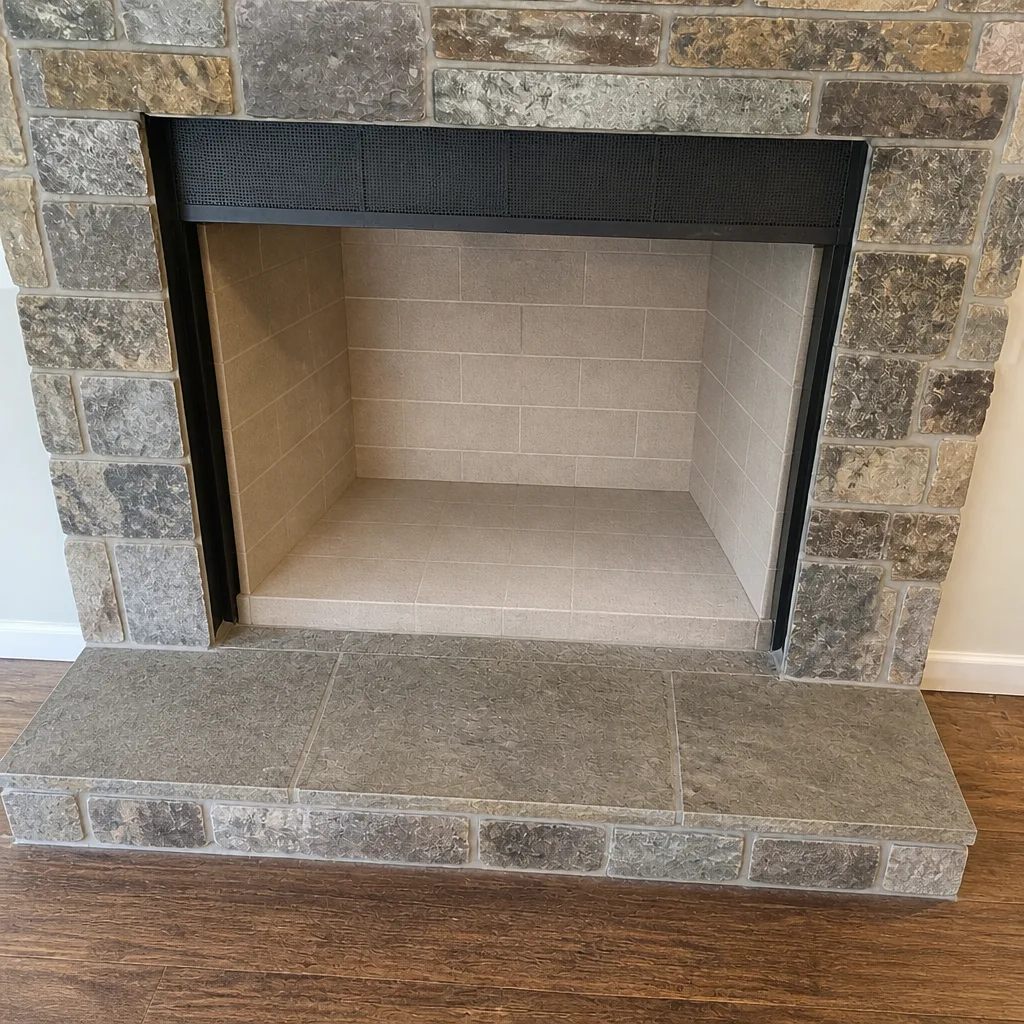
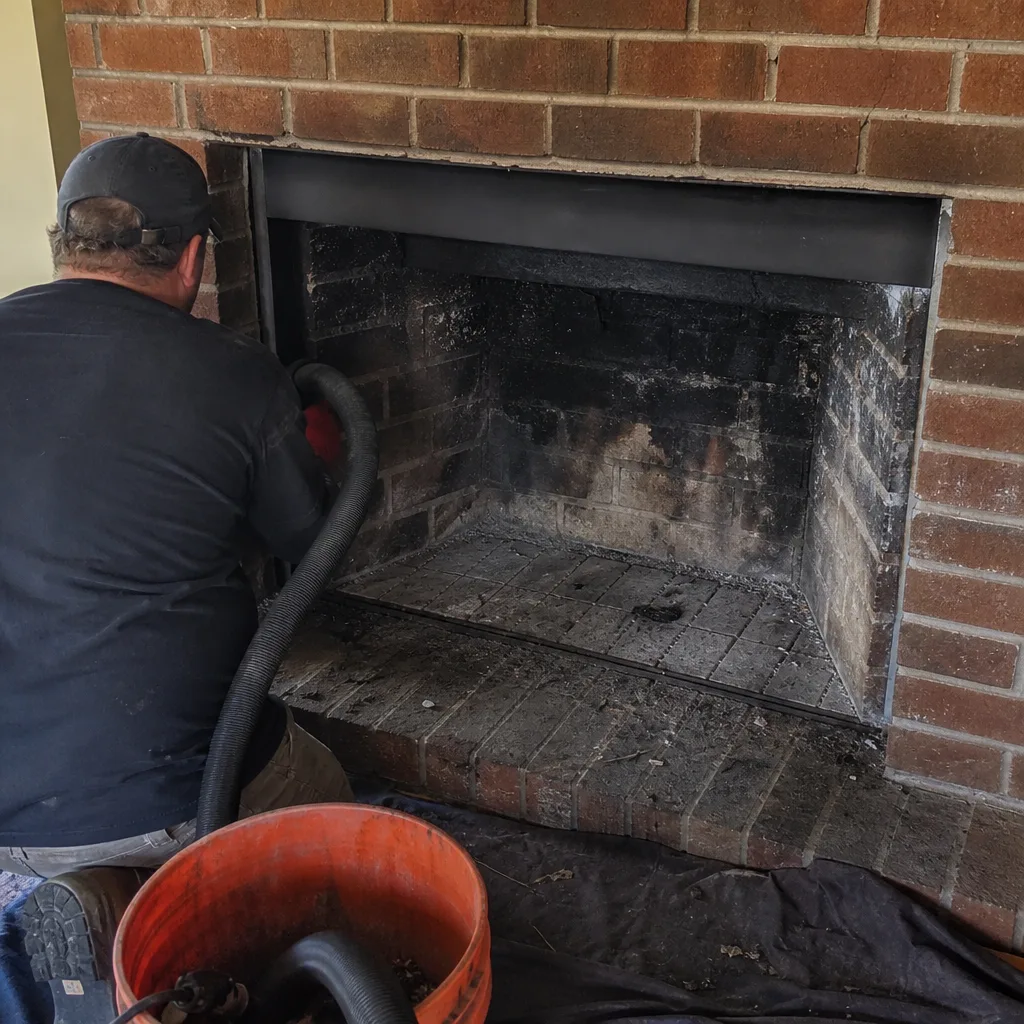
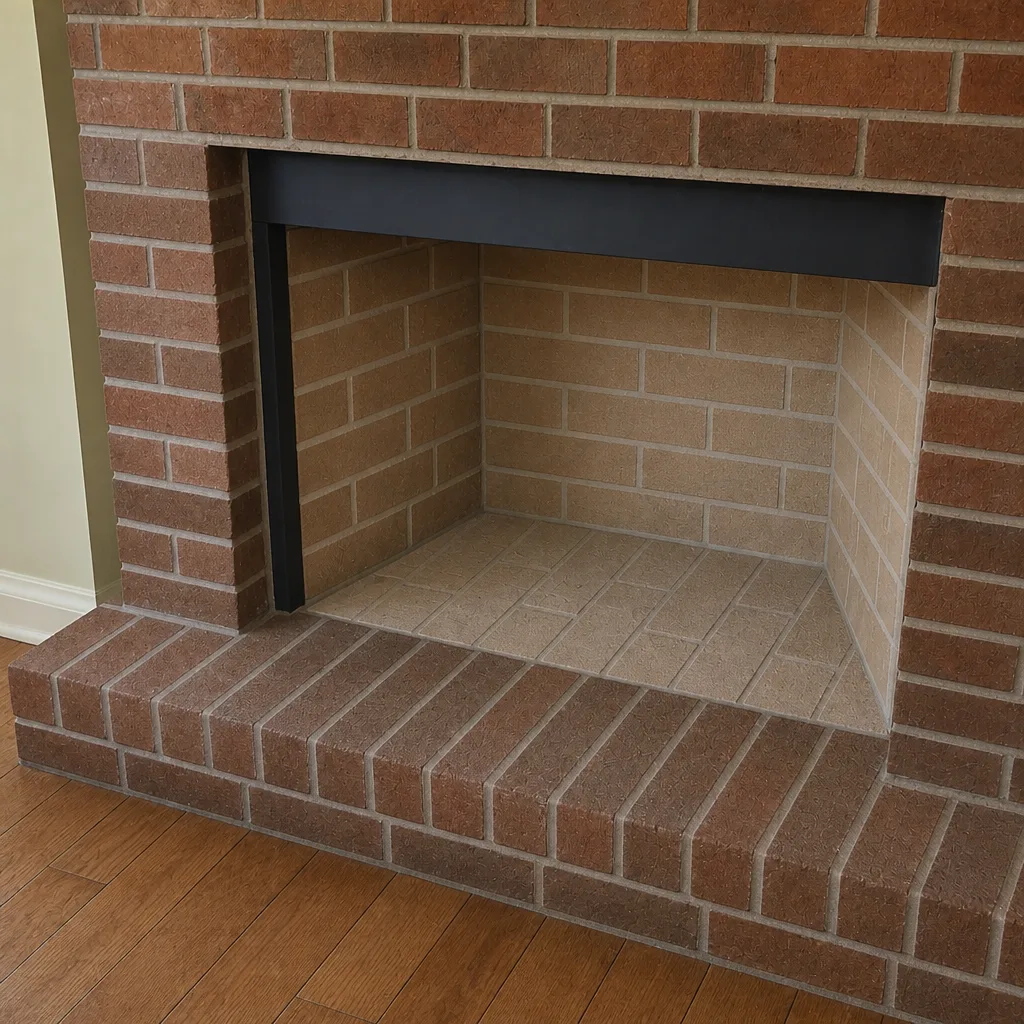
See the difference
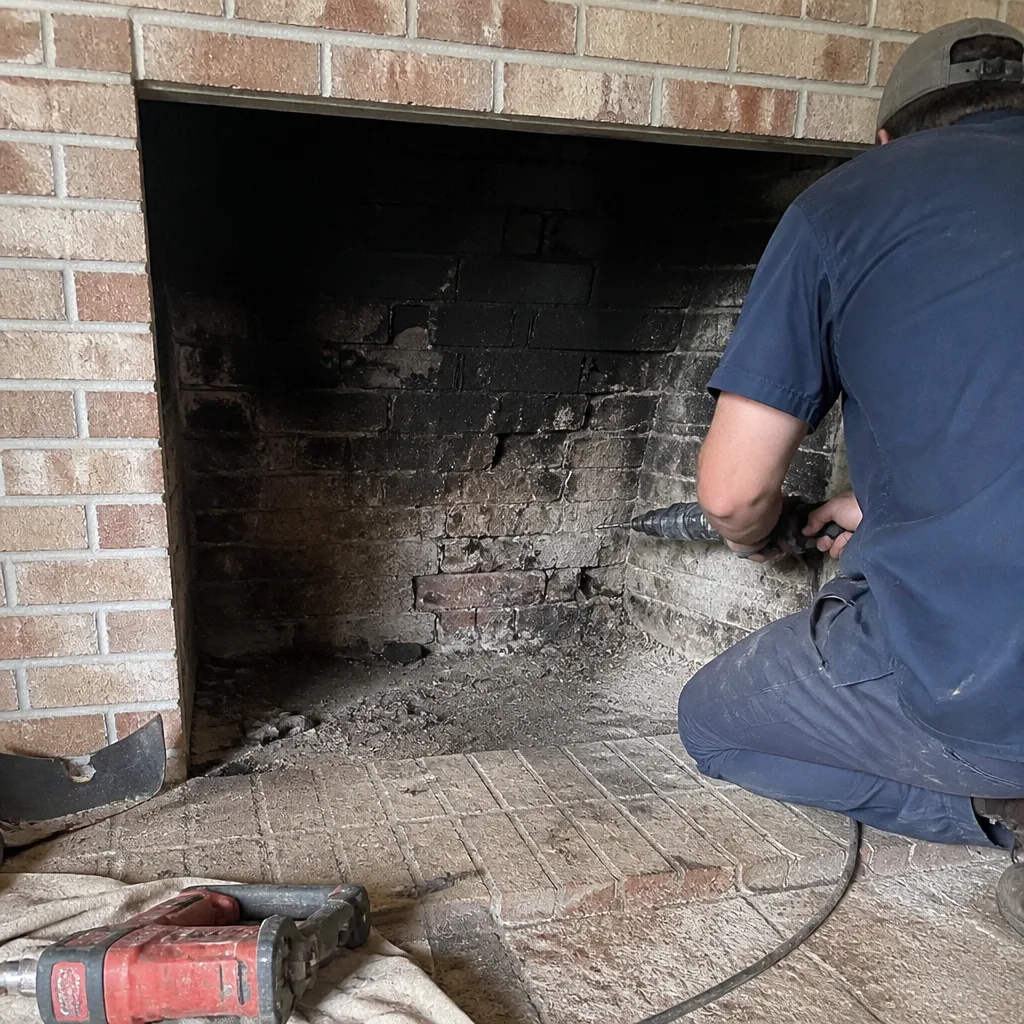 Before
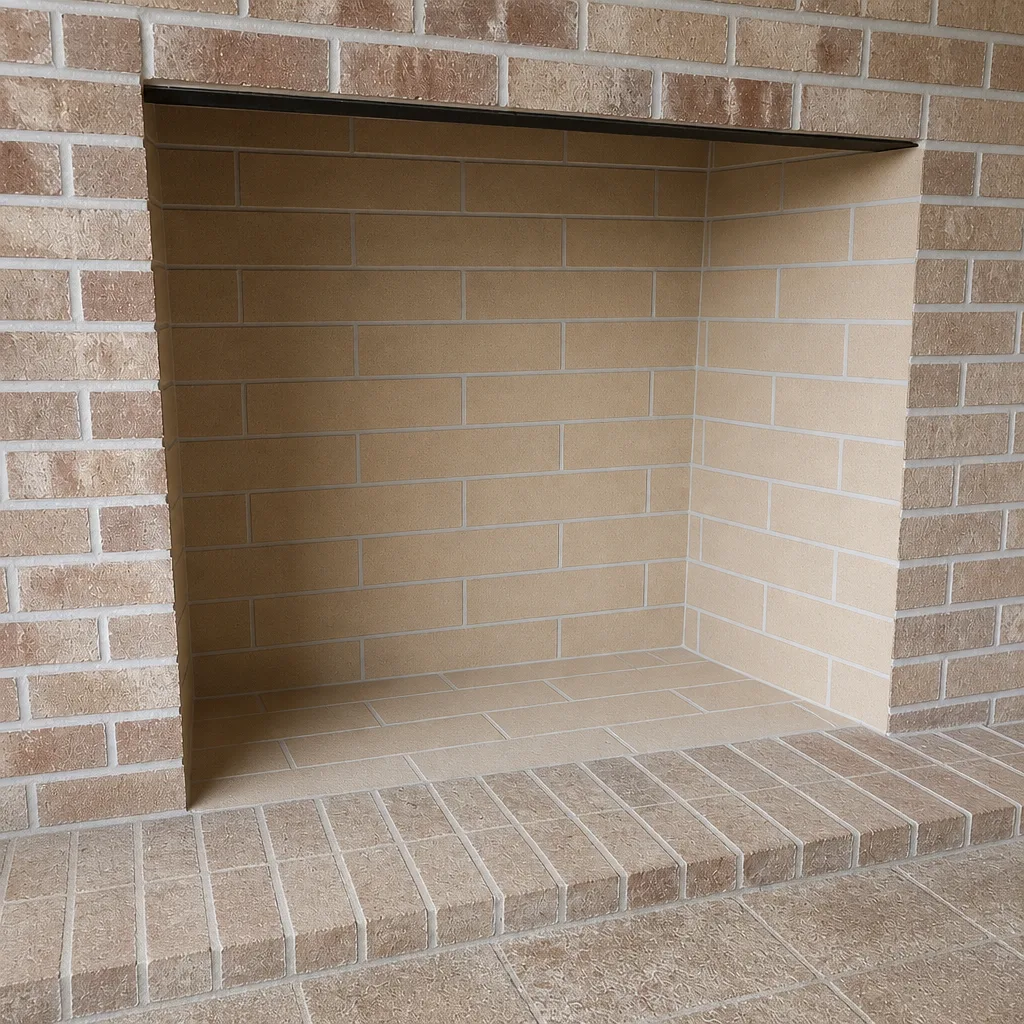 After
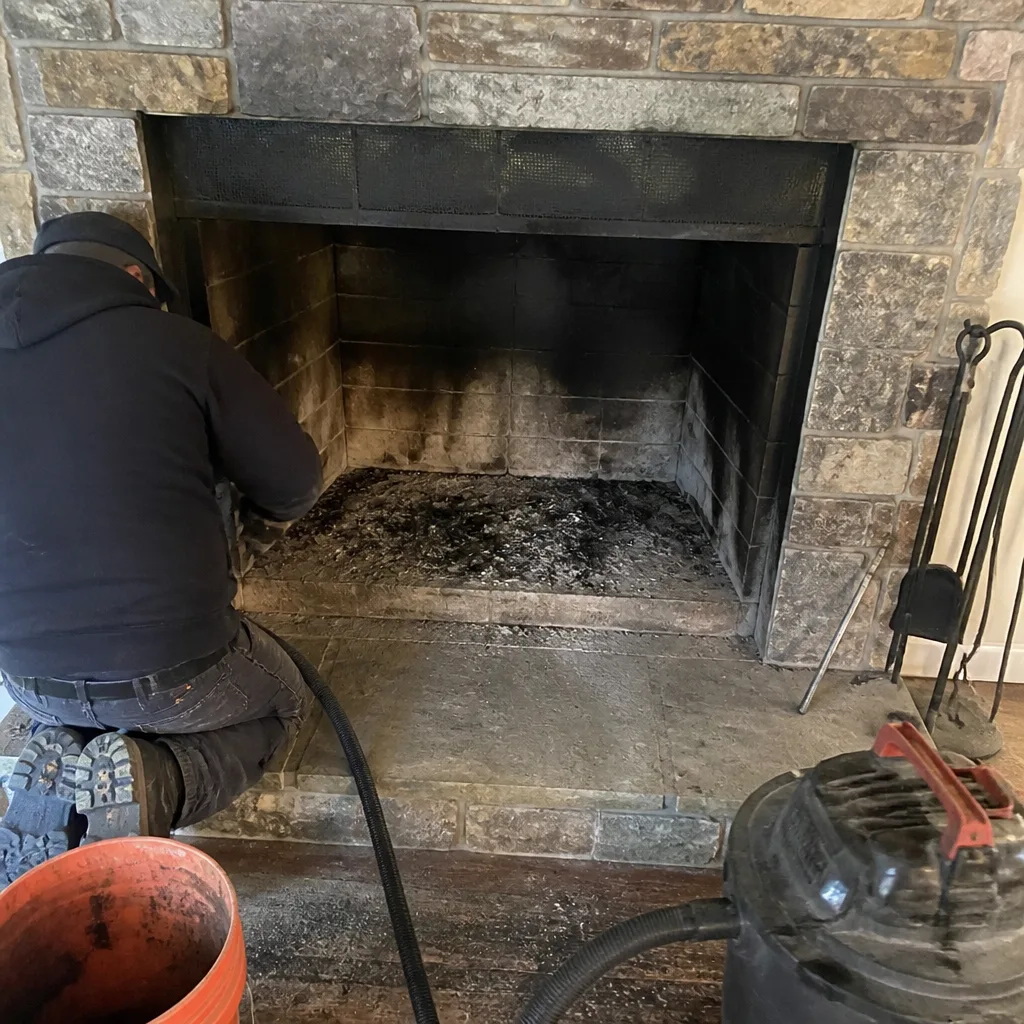 Before
 After
 Before
 After
Frequently Asked Questions
Yes, in five categories: caps, liners, sealants and waterproofers, crown coatings, and creosote treatments. Kirkwood’s humid summers and wet winters put exterior metal and masonry through a hard cycle, so a stainless cap and a breathable masonry waterproofer outlast cheap hardware-store equivalents by years. The brand is your only way to know what grade went into your chimney. Call (844) 443-4847 for an exact quote – estimates are free.
Ask about Olympia Chimney for caps and venting, DuraFlex for flexible stainless liners, HeatShield for flue resurfacing and crown repair, and Gelco for sealants and masonry products. Famco and Copperfield supply professional components and accessories. If a contractor can’t name specific brands or explain why they use them, that tells you something about their sourcing. Call (844) 443-4847 for an exact quote – estimates are free.
A typical chimney sweep is quoted per job, and the written estimate sets the final price. We don’t publish a flat number because the scope varies with the flue, the fuel type, and the condition our inspection finds. A camera inspection and photo report is included so you can see what we see before anything is recommended. Call (844) 443-4847 for an exact quote – estimates are free.
You need a new liner if the one you have is cracked, misaligned, or not rated for your fuel type, and you should not accept that answer without camera evidence you can see for yourself. Nothing should be recommended without it, and some liner concerns can safely wait. If a company recommends a liner without showing you photos of the flue interior, get a second opinion. Call (844) 443-4847 for an exact quote – estimates are free.
You can buy basic galvanized caps, general masonry caulk, and consumer waterproofing sprays at retail. What requires a trade supplier is stainless caps sized to your flue, flexible liner systems rated for your fuel type, HeatShield resurfacing materials, and professional crown coatings. The gap exists because trade products are specified for conditions retail products aren’t built for. Call (844) 443-4847 for an exact quote – estimates are free.
Often yes. Liner manufacturers like DuraFlex publish installation requirements, and a warranty may be void if the liner wasn’t installed by a qualified professional following the manufacturer’s method. That’s why the material brand and the installer’s qualifications should be evaluated together, and why a single-source company that handles the whole job keeps one warranty path clear. Call (844) 443-4847 for an exact quote – estimates are free.
The Bottom Line
Brand matters because chimney parts are mostly out of sight, and the cheap ones fail invisibly until water and creosote cause real damage. Focus on five categories: caps, liners, sealants and waterproofers, crown coatings, and creosote treatments. Ask for brands by name, ask why, and ask for it in writing. Watch how the contractor answers; specificity is a good sign and vagueness isn’t. In Kirkwood, where the weather tests every exterior surface every year, the material on your chimney is the difference between a repair that lasts and one that returns. We inspect before we recommend, show you the evidence, and use name-brand materials, properly installed.
Chimney Sweep Kirkwood covers sweep, inspection, cap and crown, fireplace repair, and chimney repair as one full-scope company. For a free estimate, call (844) 443-4847. We answer 24/7. Fast dispatch from 7am to 7pm, Sunday through Friday.
Written by the team at Chimney Sweep Kirkwood.