
Last updated November 25, 2026
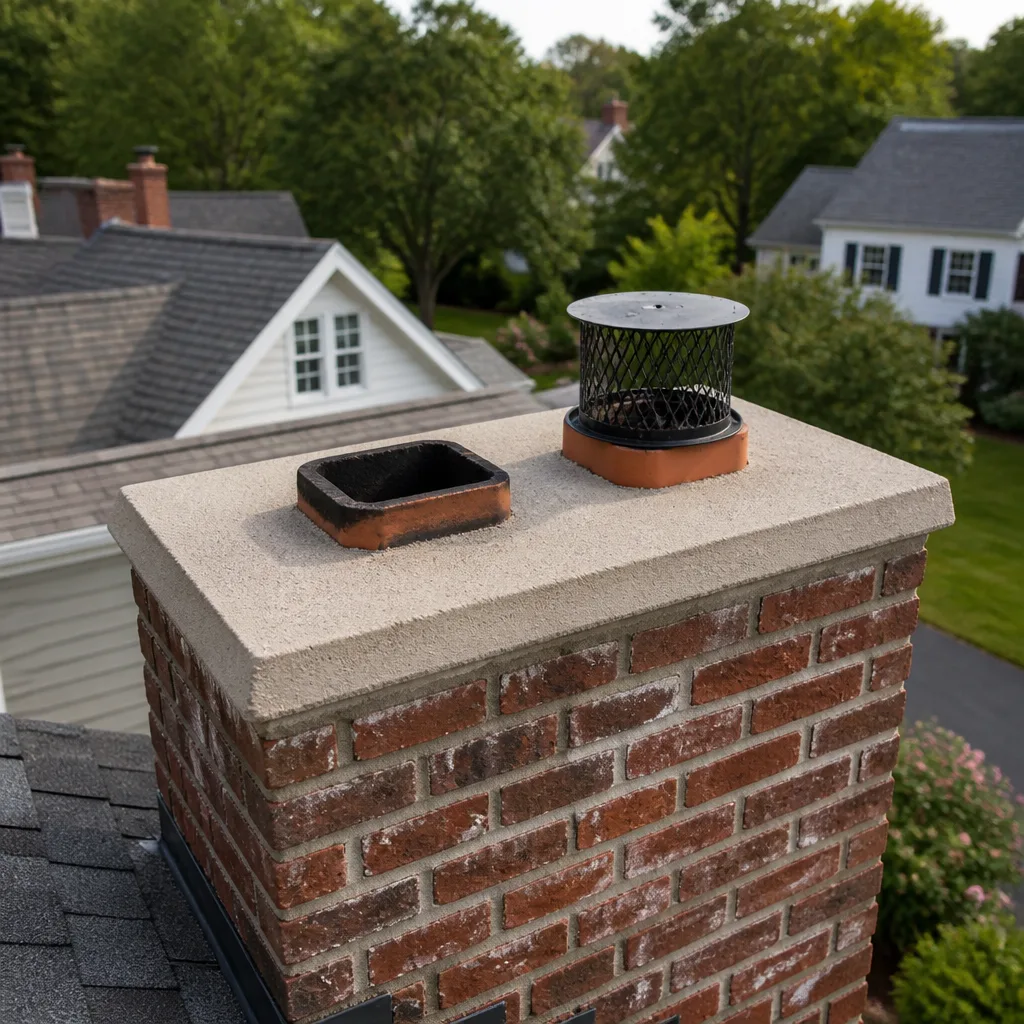 Sweep & inspection
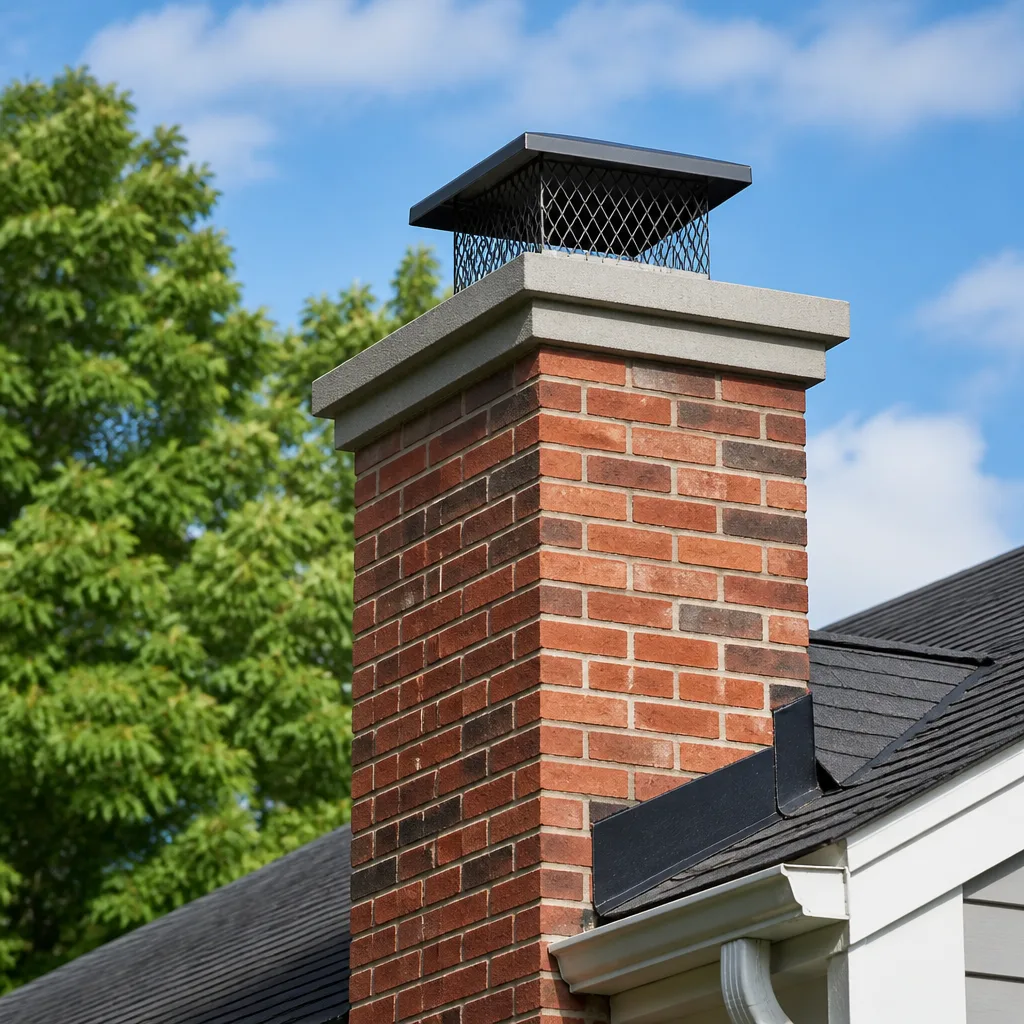 Caps & crowns
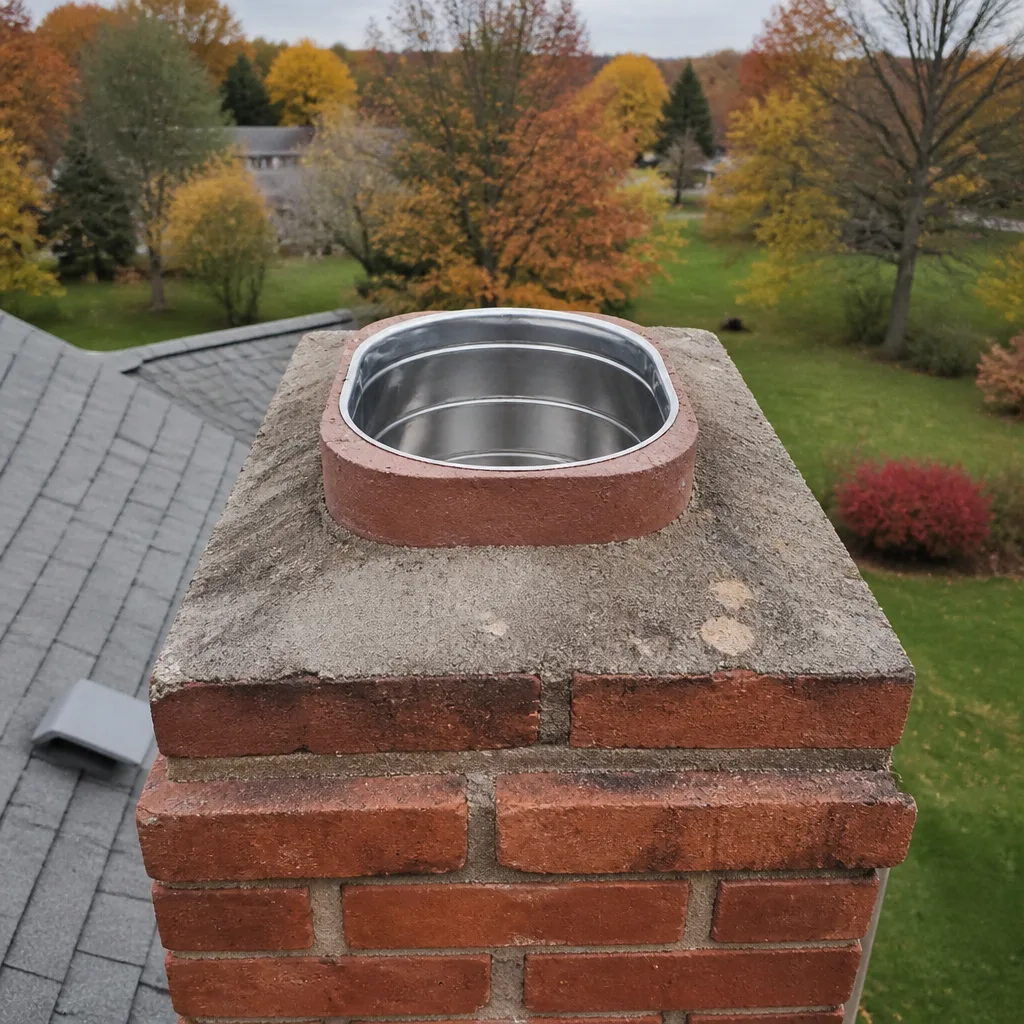 Flue relining
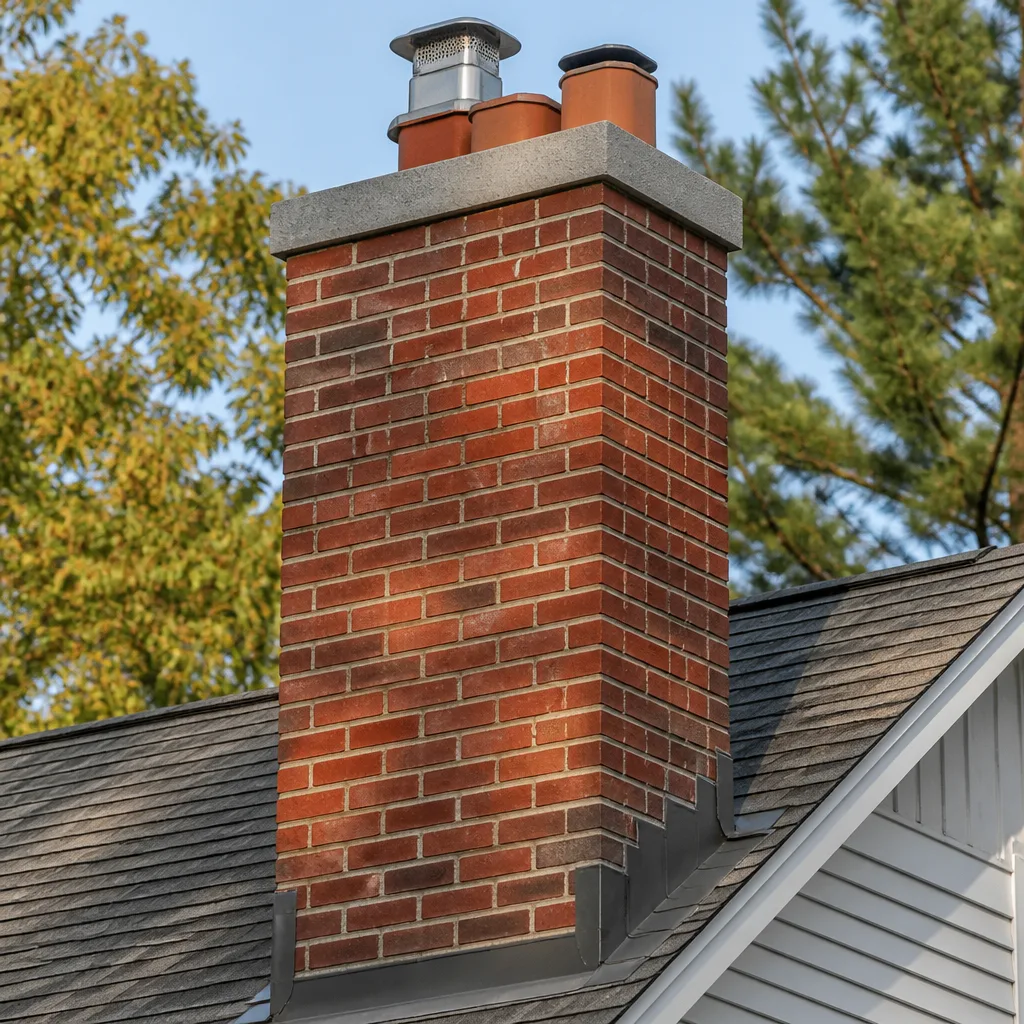 Masonry repair
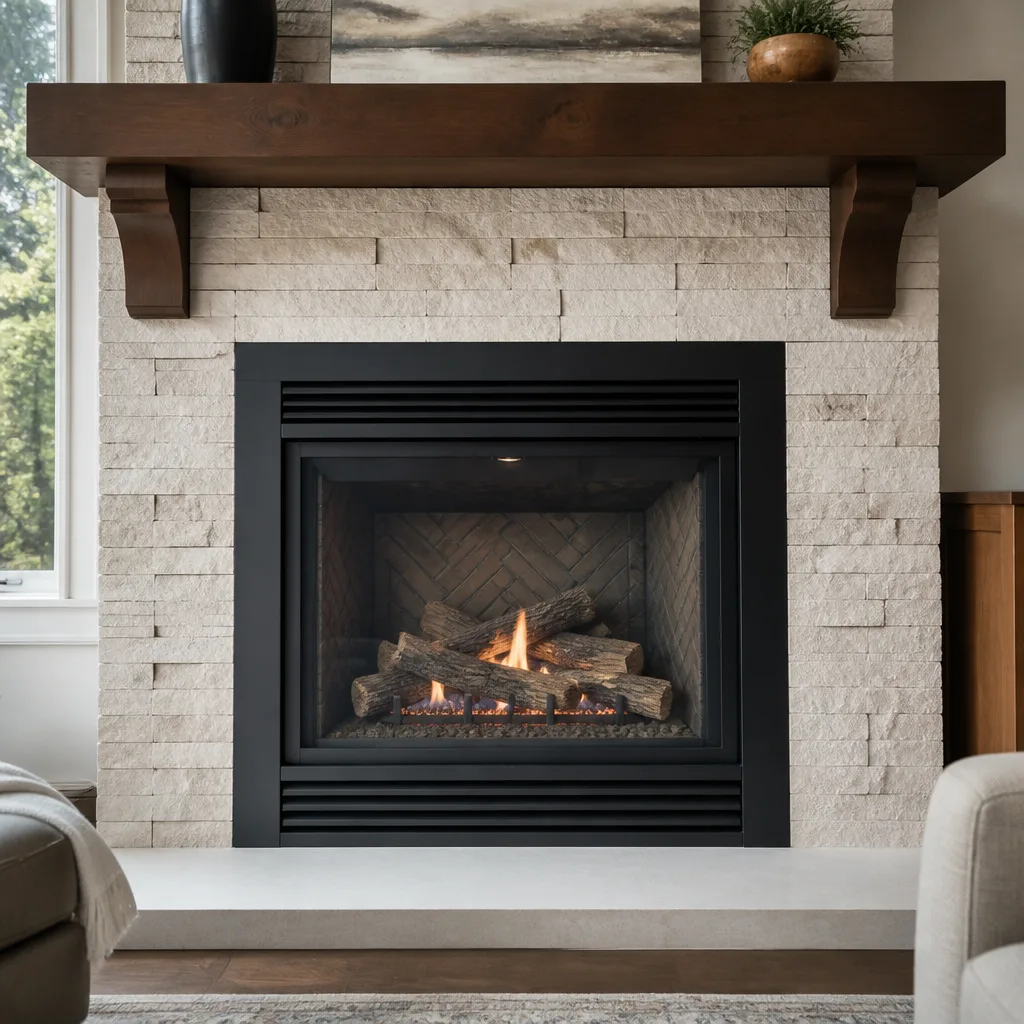 Gas fireplace service
Level 1 sweep and inspection to the NFPA 211 annual standard - flue, crown, cap, and flashing checked and photographed
Chimney sweep logs do not sweep chimneys. They loosen some creosote - which then falls where a brush and vacuum still have to collect it.
The Complete Guide to Chimney Cleaning in Kirkwood
Most chimney fires don’t start because a homeowner skipped cleaning. They start because the cleaning they paid for missed the second-stage creosote glazed onto the flue liner, the hard, shiny layer a brush alone can’t remove. That’s an uncomfortable thing to hear if you’ve been hiring the lowest-bid sweep every fall. It also explains why two chimneys that look equally clean from the firebox can be in completely different condition up the flue. This guide walks through what chimney cleaning in Kirkwood actually involves, how our humidity and burning habits change the picture, and what a thorough job should look like from start to finish.
Quick Answer
A thorough chimney cleaning in Kirkwood removes soot, ash, and creosote from the full flue, not just the firebox, and it ends with a written inspection report and photo documentation you keep. For most homes burning regularly through the season, that means an annual sweep plus a Level 2 inspection, with rotary tools or chemical treatment used whenever glazed creosote is present. A brush-only pass that leaves stage-two or stage-three creosote behind is not a completed cleaning.
Styles & brands we work with
- Sweep & inspection
- Caps & crowns
- Flue relining
- Masonry repair
- Gas fireplace service
Table of Contents
- Why Chimney Cleaning in Kirkwood Is Different
- Creosote Stages and What They Mean for Your Flue
- Level 1, 2, and 3 Inspections Explained
- Clay Tile Liners vs. Stainless Steel: Different Cleaning Protocols
- The Tools That Separate a Thorough Sweep from a Surface Brush Job
- What a Full Chimney Cleaning Looks Like, Step by Step
- What Your Post-Cleaning Documentation Should Include
- What Chimney Cleaning Costs in Kirkwood
Why Chimney Cleaning in Kirkwood Is Different
Kirkwood sits in a pocket of Georgia where the soil runs heavy with clay, the summer air stays thick, and the burning season gets interrupted by warm stretches that never quite dry a chimney out. That combination creates a specific set of problems most generic chimney advice doesn’t account for. Clay-heavy ground holds moisture against foundations and exterior masonry longer than sandy soil does. Add our variable humidity and you get masonry that moves, cracks, and reabsorbs water through the year. Chimneys here don’t just deal with fire; they deal with moisture cycling that slowly opens the joints and crowns that keep water out of the flue.
Then there’s how we burn. Most Kirkwood households run a mix through the season: seasoned hardwoods when they’re available, softer woods and mill ends when they aren’t, and the occasional load of green or damp wood after a wet fall. Soft woods and moisture-rich fuel deposit creosote faster and at lower flue temperatures than dry hardwood alone. In a drier climate that creosote tends to stay powdery and brushes out cleanly. Here, the humidity slows the drying of the flue between fires, and that trapped moisture helps creosote bake down into the harder glazed stages. It’s the same reason we see more second-stage buildup after a standard Kirkwood burning season than the textbook annual-sweep model would predict.
What all this means for you: your chimney is a system. The flue, the crown, the cap, the liner, and the firebox all affect each other, and a cleaning that treats them as separate parts misses the point. We inspect before we recommend anything, because the moisture and creosote pattern in your specific chimney is what determines the work, not a generic checklist. If you want the broader picture of how we approach the whole system, our Chimney Sweep Kirkwood page covers the full service range.
Creosote Stages and What They Mean for Your Flue
Creosote is the residue left behind when wood smoke cools on its way up the flue. It’s not one substance; it changes character depending on how hot the fire burns, how dry the wood is, and how quickly the flue cools. Knowing the three stages is the single most useful thing a homeowner can learn, because it tells you whether a brush will do the job or whether the flue needs more.
- Stage one: soot and powder. Flaky, dusty, easy to remove with a standard brush. This is the normal residue after a clean-burning season with dry hardwood. A routine sweep handles it completely.
- Stage two: hardened crust. Darker, flaky but stuck, sometimes with a tar-like surface. A brush knocks off the loose outer layer but leaves the bonded crust against the liner. This is where a lot of budget sweeps stop and call the job done. It’s also where fire risk begins to climb, because stage-two creosote is the fuel that lets a flue fire sustain itself.
- Stage three: glazed and glassy. Hard, shiny, and fused to the liner surface. A brush passes right over it. Removing stage three takes rotary action, chemical treatment, or both, and sometimes resurfacing.
Here’s the part that matters for Kirkwood: the humidity and mixed-fuel burning in this area push more households into stage two than you’d expect from the “get swept once a year” advice. Damp wood and cool, humid flue conditions are exactly what hardens creosote. A homeowner burning mostly dry hardwood on hot fires will often stay in stage one. A homeowner burning a mixed load on a chimney that never fully dries out can climb to stage two in a single season. That’s why we never clean on autopilot. We inspect, we look at the flue liner itself, and we treat the creosote we actually find. If you’ve already had a fire or a smoke event, our guide to chimney sweep work explains when a standard sweep is enough and when it isn’t.
Level 1, 2, and 3 Inspections Explained
Inspections aren’t one thing. The trade recognizes three levels, and the level you need depends on what’s changed since the last inspection and what you’re trying to find out. After a standard Kirkwood burning season with no changes to the system, a Level 2 inspection is usually the right call, because it’s the level that actually looks up the flue with a camera.
- Level 1: visual, readily accessible. The technician looks at the accessible parts of the chimney, firebox, damper, and flue from the firebox. It confirms basic condition and suitability for continued use. It does not examine the interior of the flue beyond what’s visible, and it doesn’t find hidden cracks in a clay tile liner.
- Level 2: camera inspection of the full flue. This is the standard for an annual inspection, and it’s required whenever the system has changed: a new appliance, a different fuel type, a liner replacement, a property sale, or after a chimney fire or a seismic or weather event. A camera runs the full length of the flue and reveals cracks, gaps, offset tiles, and the true condition of the liner surface. This is the level that catches the problems a Level 1 can’t see.
- Level 3: diagnostic, with access. Level 3 is warranted when a Level 1 or 2 finds a serious defect that can’t be assessed without opening up part of the chimney or removing components. It’s rare, but when it’s needed it’s the only way to confirm structural damage hidden behind masonry or a cap assembly.
In our experience across Kirkwood, most homes that come in for an annual cleaning with no known changes are a Level 1 with the option of a camera run if the sweep turns up anything unusual. But if your home is older, if the clay liner is the original, or if you’ve had water intrusion or a fire, a Level 2 is where the real answers come from. Our fireplace repair team often picks up problems a Level 1 visit flagged as “fine but keep an eye on it.” A camera inspection and photo report is part of what we include, so you see what we see.
Clay Tile Liners vs. Stainless Steel: Different Cleaning Protocols
Older Kirkwood homes commonly have clay tile liners, and clay tile behaves differently from stainless steel under a cleaning head. Knowing which liner you have tells you what a thorough clean should look like.
Clay tile is rigid, jointed, and brittle. Each tile in the stack is a segment with a joint between it and the next, and those joints are where cracks, mortar gaps, and offset tiles develop. A cleaning protocol for clay tile has to be gentler in pressure and more careful in technique than for steel. Hammering a rotary head at full speed against clay tile can chip a flue tile or widen a joint you didn’t know was failing. A sweep working on clay tile should be checking the joints as they clean, which means the cleaning and the inspection are intertwined. And when a clay tile liner is found cracked, the long-term fix is usually a resurfacing or a stainless liner rather than another patch.
Stainless steel flexible liners tolerate more aggressive cleaning because the metal is continuous and doesn’t rely on mortar joints. They still need the right brush and the right rotary speed, because steel can dent or score at the wrong pressure. This is one reason we install DuraFlex liner systems in-house: when we resurface or reline a chimney, the cleaning protocol downstream is consistent with the liner, and there’s no handoff between the company that cleans and the company that installs. Stainless steel isn’t automatically the answer, either; on a flue that’s still sound clay tile, resurfacing with HeatShield can restore the liner for less disruption. Our technicians have up to 11 years of experience matching the liner material to the job.
The Tools That Separate a Thorough Sweep from a Surface Brush Job
The single clearest sign of a thorough sweep is what they pull out of the truck. Basic brush-and-rod work is fine for stage-one soot, but it can’t touch hardened or glazed creosote, and in a humid climate like Kirkwood’s, glazed creosote shows up more often than homeowners expect. Here’s what the better tool set looks like, and why each part lives in the truck:
- Rotary rod systems with interchangeable heads. The workhorse for stage two and three. A rotary head turns a flexible rod down the flue, combining mechanical scrubbing with a controlled line contact that a brush can’t match. It removes bonded crust instead of polishing over it.
- Chemical creosote treatment. Some glazed creosote resists even rotary work, especially where the flue is cool or the buildup is old. A chemical treatment breaks down the bond and gets the liner back to a cleanable surface. It’s a step a budget sweep usually doesn’t carry.
- Inspection camera and lighting. Cameras go where eyes can’t and confirm what the rotary head is actually removing. You can’t document a clean flue without seeing it.
- Proper drop cloths and a sealed work area. Soot control inside a Kirkwood home is part of the job. A sweep who doesn’t seal the firebox opening and lay protection is telling you how the rest of the job will go.
- Name-brand liner materials on hand for the repair. When the sweep steps back and says the flue needs work, the company should be able to handle it. That’s why we keep materials from DuraFlex, HeatShield, Gelco, Olympia Chimney, Famco, and Copperfield on hand.
The reason tool selection matters in Kirkwood specifically comes back to the creosote stage. If your season produced stage-two crust, a brush-only sweep finishes the visit with the hazard intact. The tools need to match the creosote, and the technician needs the inspection data to know which stage they’re facing. We inspect before we recommend, and that inspection is what dictates which of these tools comes out.
What a Full Chimney Cleaning Looks Like, Step by Step
Here’s the sequence a thorough cleaning should follow, so you know what to expect when the technician arrives and can recognize if a step is skipped.
- Pre-visit walkthrough and firebox sealing. The technician sets up protection, seals the firebox opening, and confirms the flue has cooled since its last fire. Safety comes first; this is a trained profession for a reason.
- Initial inspection. Before the sweep, we run the camera and note creosote stage, liner type and condition, crown and cap condition, and any visible water staining. This is what the cleaning plan is built on.
- Soak and, where needed, treat. For light stage-one soot, the sweep goes straight to the brush. For hardened or glazed creosote, a soak or chemical treatment loosens the bond first.
- Rotary and brush cleaning. The rotary head works from the top down or bottom up depending on the flue, followed by a brush pass to clear loosened debris. The flue liner surface is wiped down if the liner type calls for it.
- Firebox, damper, and smoke chamber. The horizontal parts of the system collect soot too. The smoke chamber, damper, and firebox get cleaned along with the flue.
- Post-clean camera pass. We run the camera again to confirm what came off and document the final state. This is the step that turns “looks good” into proof.
- Cap and crown check. The exterior top of the chimney gets a look for cracked crown mortar, missing cap, or a bird or animal entry point. Moisture is the largest long-term cause of chimney decay, so this step is not optional.
- Report and recommendation. You get a written report with photos. If anything needs repair, the recommendation is tied to what the camera showed, and you get a written estimate.
Step six is the one that trips people up. A sweep who cleans, hands you a verbal “you’re all set,” and drives off gives you no record of what the flue looked like before or after, and no way to know whether a recommendation months later came from a real finding or a guess. Chimney cap & crown work is a dedicated service of ours because the top of the chimney is where water damage starts and where a lot of chimney problems could have been prevented. Our chimney cap & crown page covers how that repair is usually handled.
What Your Post-Cleaning Documentation Should Include
A verbal “looks good” isn’t documentation. If the cleaning was thorough, the technician left with more than a broom and should be able to hand you a record of it. Here’s what a usable report includes, and why you should keep it.
- Before-and-after photos of the flue. The camera images from the pre-clean and post-clean runs. You should be able to compare them, not just be told they exist.
- Creosote stage found and removed. A specific note, such as “stage two with patches of stage three,” tells you what your burning habits produced and whether anything about your firewood or flue temperature needs to change.
- Liner condition and any defects. Any cracks, joint gaps, offset tiles, or missing mortar noted during inspection, with the location in the flue.
- Cap and crown assessment. Whether the cap is intact and correctly sized, and whether the crown is showing cracks or separation.
- Photographs of anything flagged. If the report recommends repair, the photos are the reason. Nothing gets recommended that you can’t see for yourself.
- The inspection level performed. Level 1, 2, or 3, and the date. This matters for future inspections and for any property transaction.
Keep this report with your home records. It’s your baseline for the next annual cleaning, and it tells any future technician exactly what they’re starting from. It also means nobody has to talk you into work you can’t verify, because the evidence of what was found and what could safely wait is written down. Our inspection service includes a camera inspection and photo report for that reason.
What Chimney Cleaning Costs in Kirkwood
Chimney work in Kirkwood is priced per job by a written estimate, so treat the ranges below as a starting place, not a quote. They describe how work is typically structured in this market; the written estimate you receive is what sets the final price. The estimate is free.
- Standard annual sweep on a straightforward flue: a routine cleaning with a base inspection, priced as a single-visit job.
- Sweep plus a camera inspection and report: the common combination for most homes after a standard season.
- Rotary cleaning, when stage-two or glazed creosote is found: the rotary work and any chemical treatment are quoted as part of the cleaning job.
- Cap and crown repair: quoted separately and depends on the condition of the crown.
- Liner work, resurfacing or relining: a separate project, with the estimate set by the flue length and liner condition a camera inspection reveals.
The honest answer to “what will it cost” is that it depends on what the flue looks like, and nobody can tell you over the phone. That’s also why no legitimate estimate should include liner or masonry work before an inspection has happened. If a quote arrives ahead of a camera inspection, that’s a sign to get a second look. The written estimate sets the final price, and you can see everything the recommendation is based on.
Common Mistakes to Avoid
- Hiring on price alone. The lowest bid is usually a brush-only job, and brush-only can’t touch glazed creosote. In Kirkwood’s humidity and mixed-fuel conditions, that gap is exactly where fire risk hides.
- Accepting a verbal “looks good.” Without photos and a written report, you have no baseline and no way to verify a repair recommendation later. Ask for documentation every time.
- Burning unseasoned or damp wood. It’s the fastest way to accelerate creosote buildup in this climate, because the extra moisture lowers flue temperature and lets creosote harden sooner. Dry wood burns hotter and cleaner.
- Ignoring the cap and crown. It’s easy to forget the top of the chimney, but the crown is what sheds water and the cap is what keeps water and animals out. A cracked crown in Kirkwood gets worse with each wet season, not better.
- Skipping the inspection between cleanings. A sweep without a camera inspection misses cracked clay tile, joint gaps, and hidden liner damage. Cleaning removes soot; inspection finds the problems.
- Letting a sweep hand off the repair to a subcontractor. When the cleaning and the repair come from different companies, nobody owns the final result. A single-source specialist keeps the inspection, the sweep, and the repair under one estimate and one guarantee.
- Assuming a gas or infrequently used fireplace doesn’t need a look. Even occasional burning deposits residue, and a gas flue can have issues the eye won’t catch without a camera. Annual inspection is the baseline.
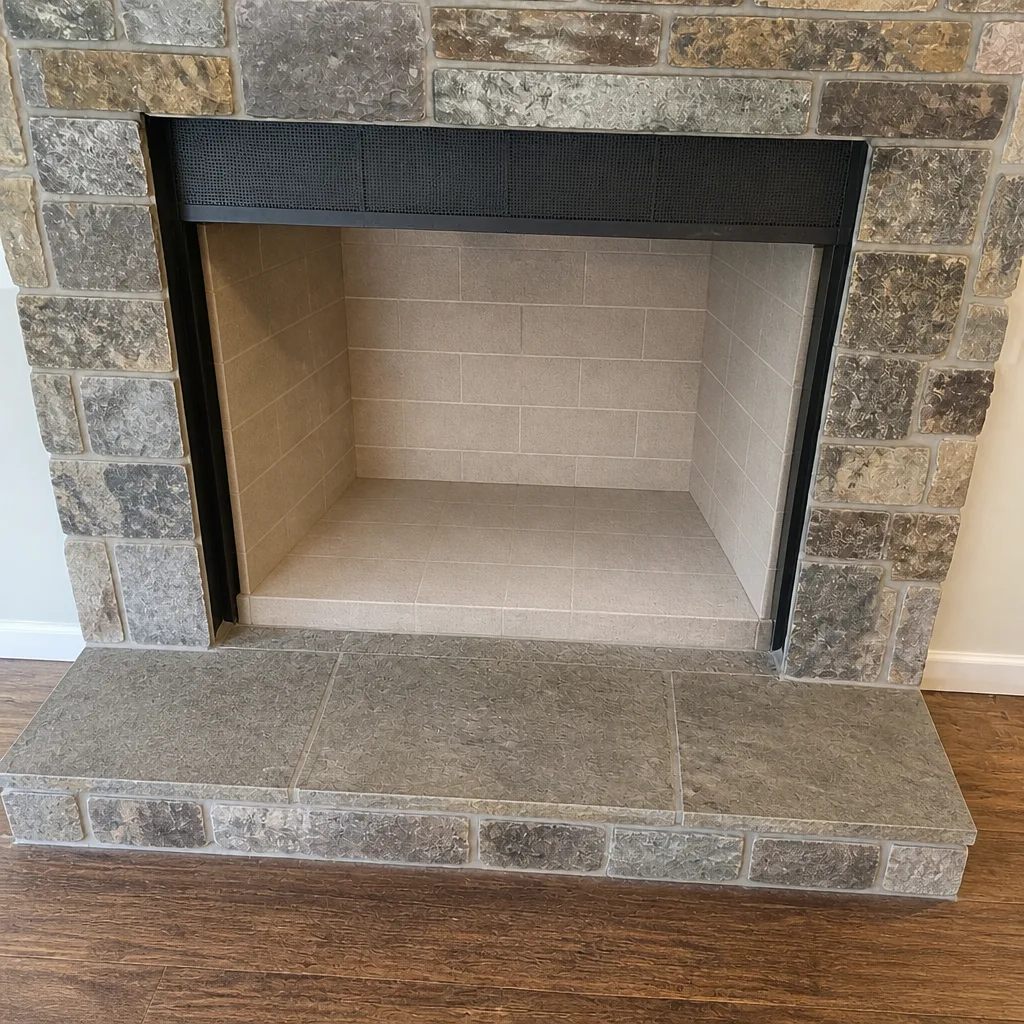
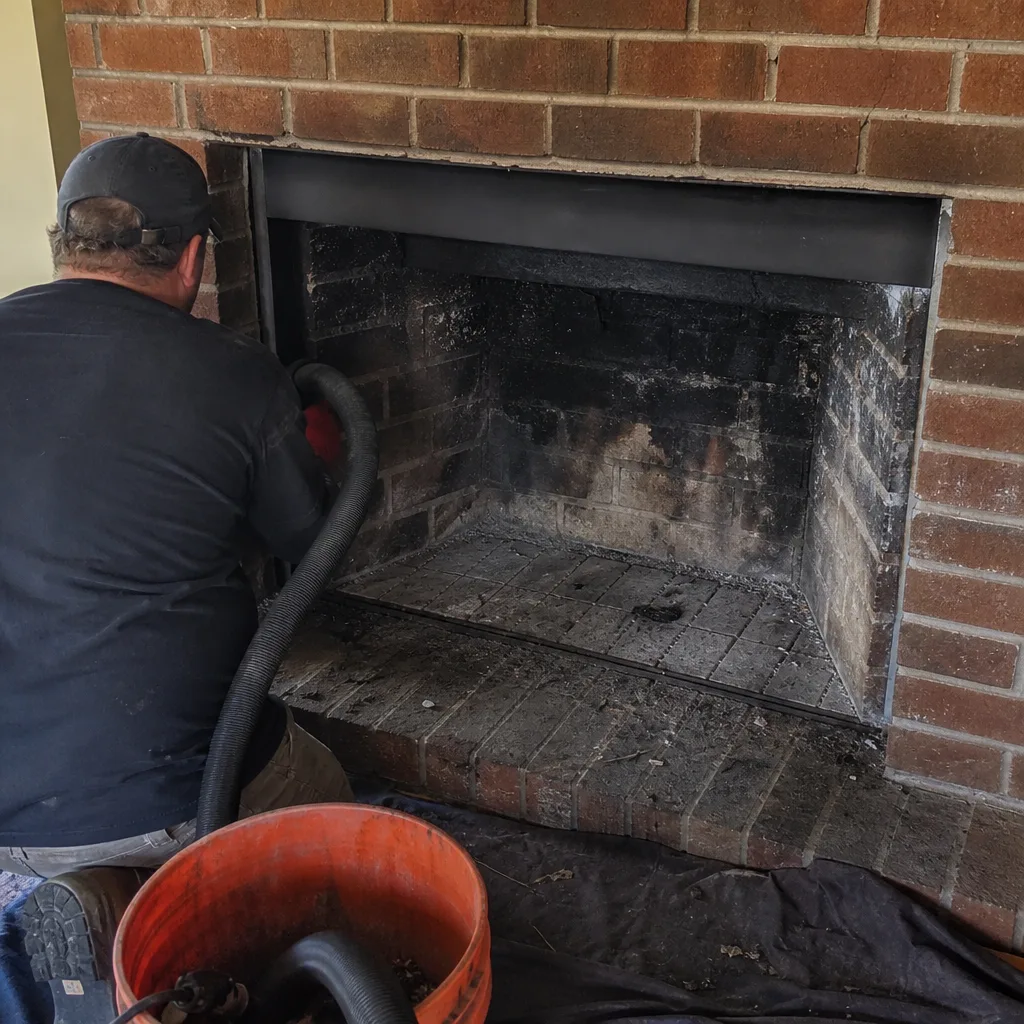
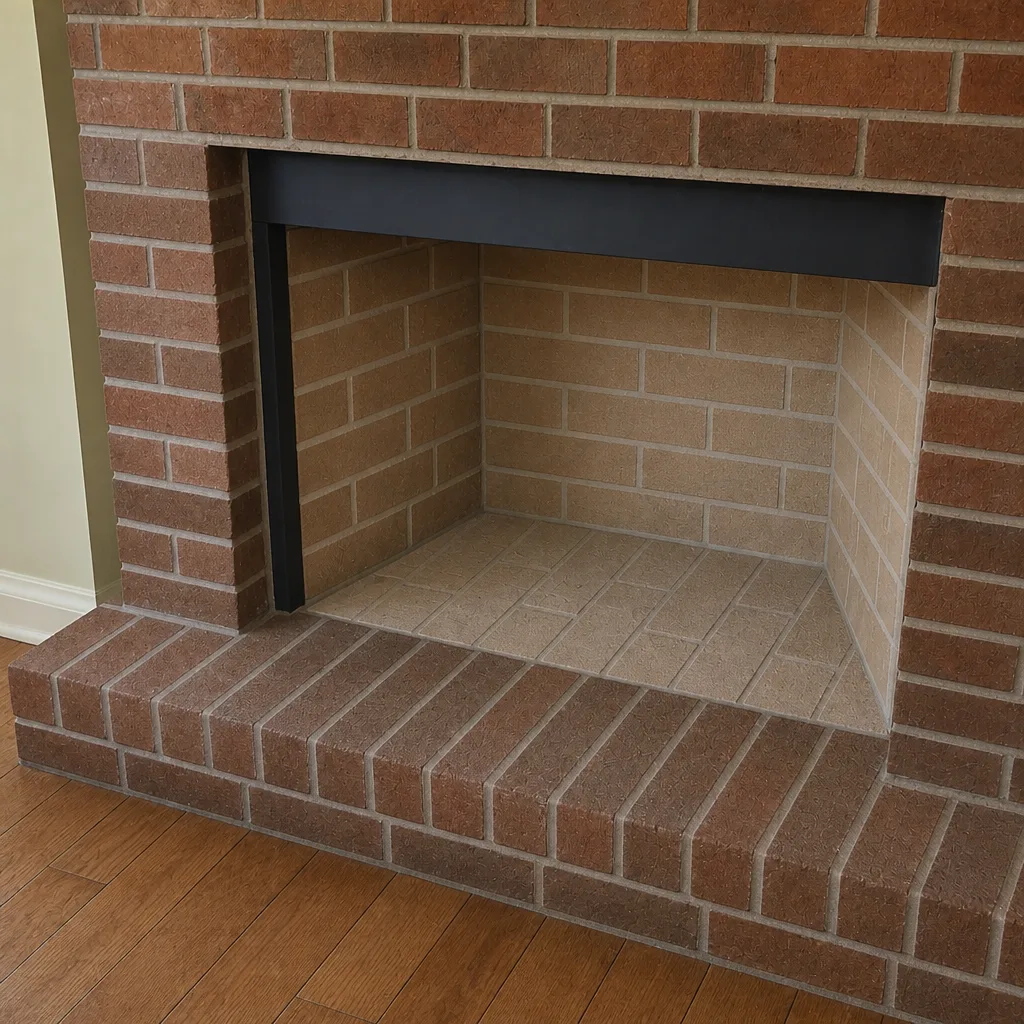
See the difference
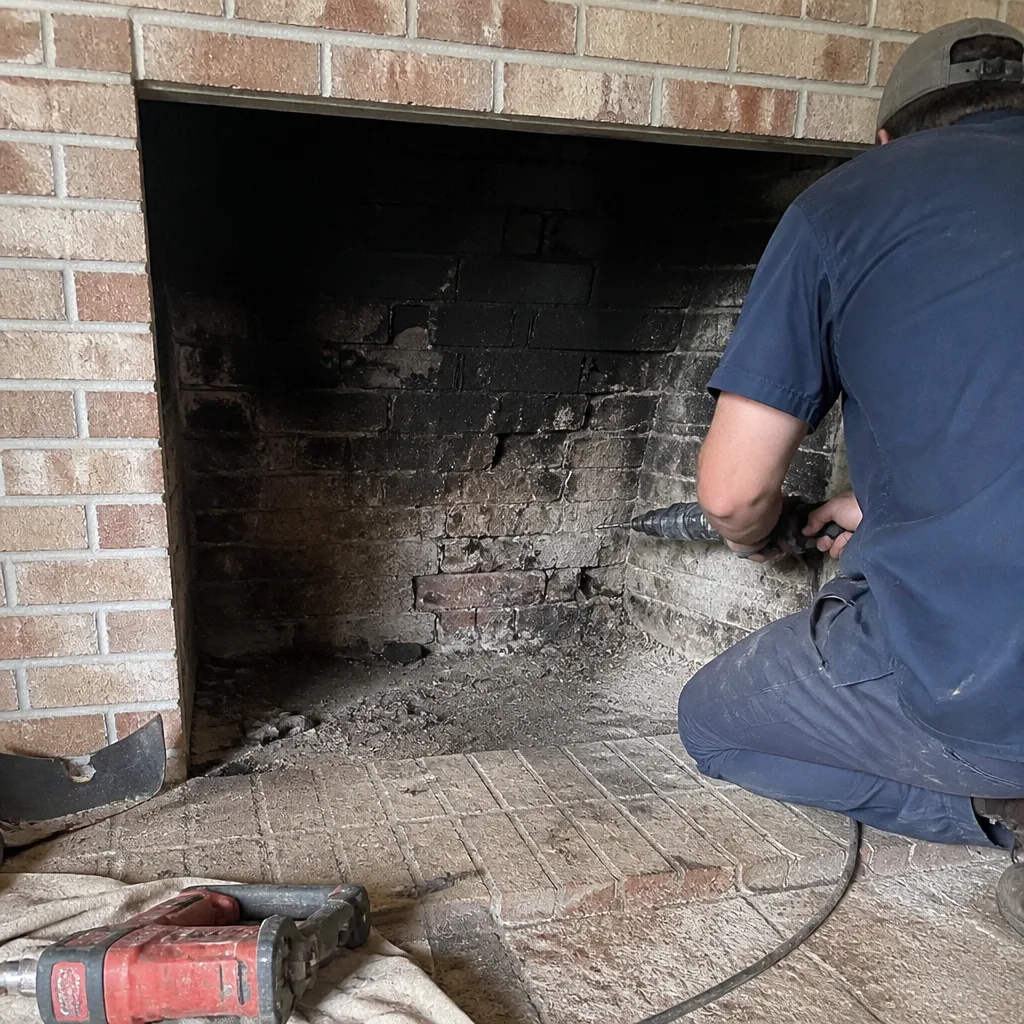 Before
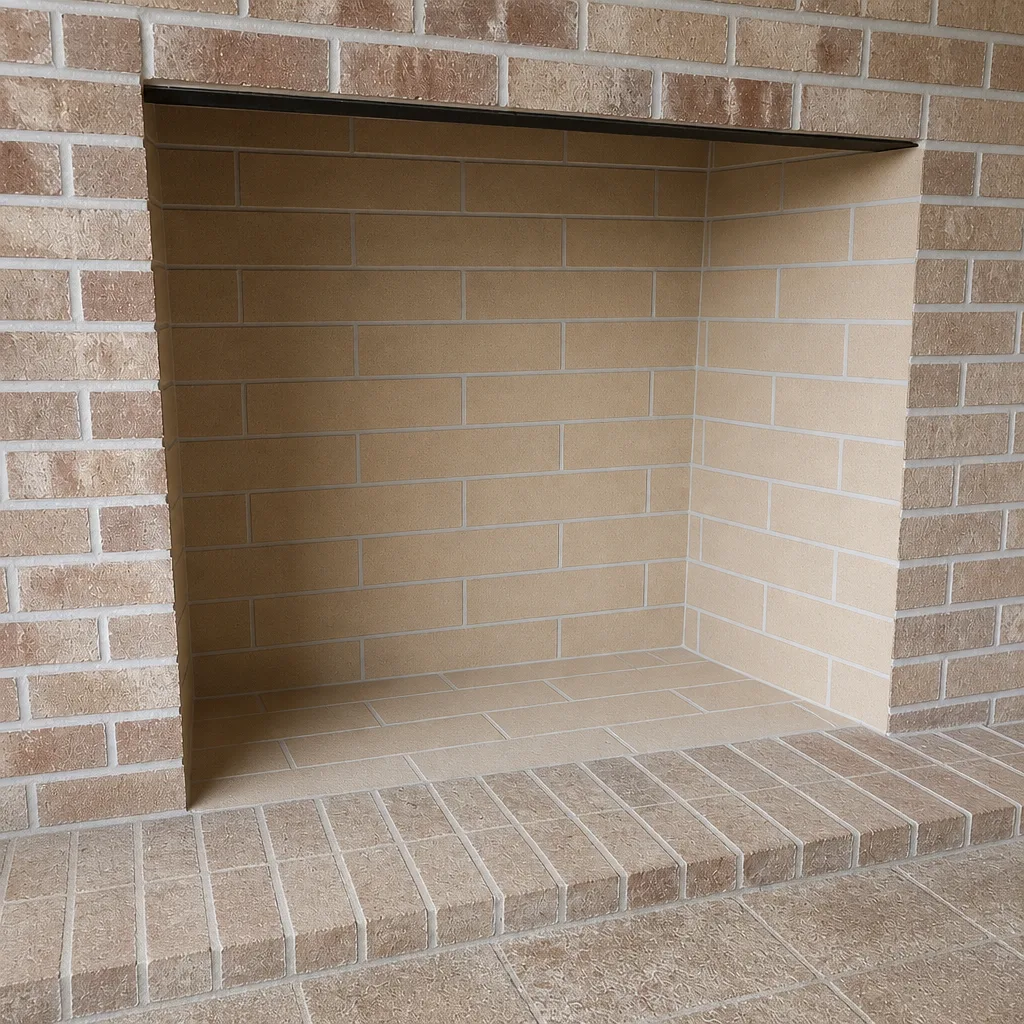 After
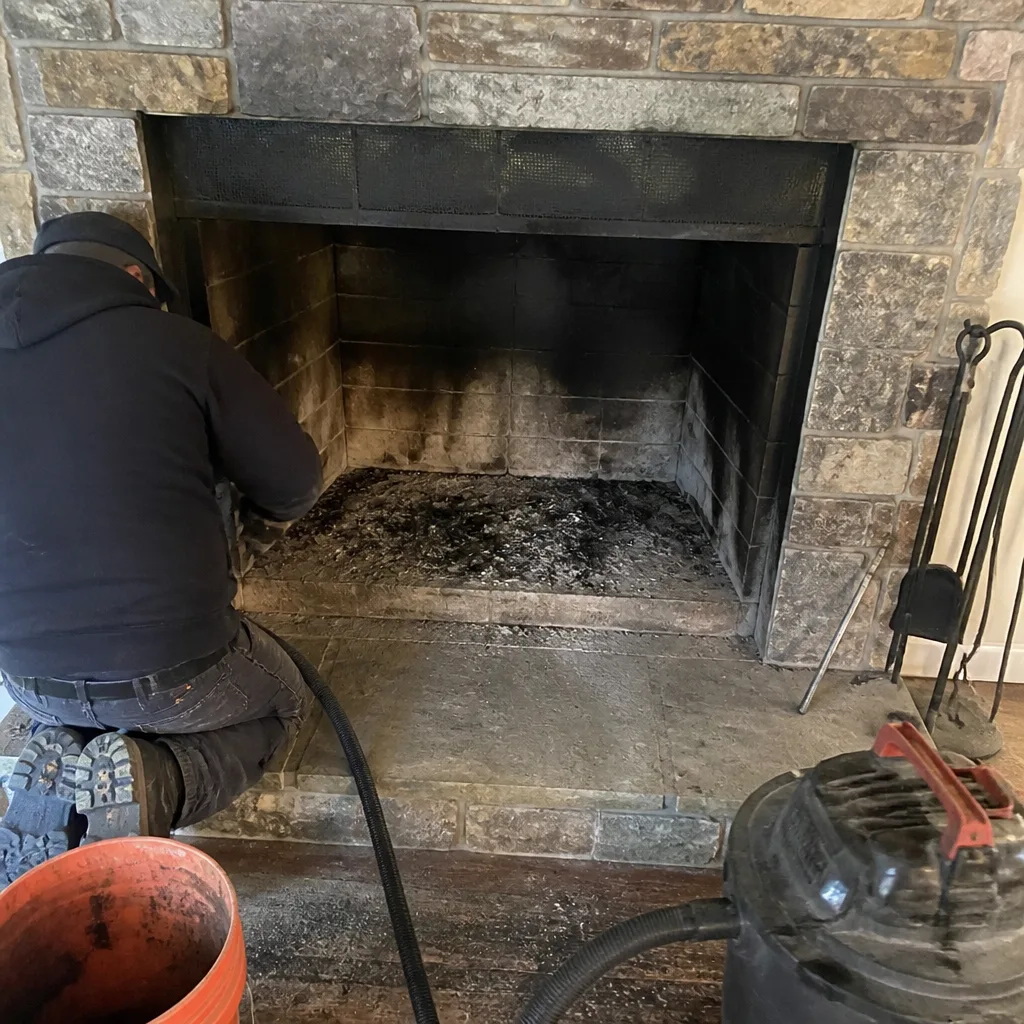 Before
 After
 Before
 After
When to Call a Professional
Some chimney problems can’t be handled from the ground, and this is where a trained technician matters. Call a professional if you’ve had a chimney fire, even a small one, or noticed a puff of smoke escaping into the room; if you see staining, crumbling mortar, or a cracked crown on the exterior; if you smell a strong creosote or smoke odor indoors between fires; if your flue hasn’t been inspected in more than a year; or if a previous sweep left you with a verbal “all clear” and no report. High-tension components, electrical work near the flue, and anything requiring you to climb a steep roof or open up a combustion system carry real risk, and a trained professional should handle them. Chimney Sweep Kirkwood offers free estimates in Kirkwood, and we answer calls and book accordingly. Call (844) 443-4847 to set one up.
Frequently Asked Questions
Chimney cleaning in Kirkwood is priced per job by a written estimate, not a flat advertised rate, because the work depends on the creosote stage, the liner type, and whether a camera inspection turns up anything. A routine sweep on a straightforward flue costs less than one that needs rotary work and chemical treatment. The estimate is free, and the written estimate sets the final price. Call (844) 443-4847 for an exact quote and to book a visit.
Once a year is the standard baseline for a home that burns regularly, but Kirkwood’s humidity and mixed-fuel burning can push a chimney into a harder creosote stage in a single season. If you burn damp or soft wood, or your flue doesn’t dry out between fires, an annual inspection with a camera is what tells you whether the equivalent of a sweep is due. Our technicians have up to 11 years of experience assessing exactly that in this climate. Call (844) 443-4847 to book an inspection.
Not always, and nobody should tell you otherwise without camera evidence. A cracked or failing clay tile liner sometimes needs resurfacing rather than replacement, and a HeatShield resurfacing can restore a liner without a full reline when the tile is still structurally sound. When a full flexible liner is the right call, we install DuraFlex systems in-house. You’ll see the photos before any work is recommended. Call (844) 443-4847 for a free estimate.
Creosote keeps building, and it hardens over time into the glazed stage that a brush can’t remove. That hardened layer is what lets a chimney fire sustain itself, and cracks or joint gaps that a camera inspection would catch can allow combustion gases or moisture into the wrong places. Skipping a year doesn’t usually cause a problem overnight, but it removes the check that catches the problem before it grows. Call (844) 443-4847 to schedule a cleaning and inspection.
Same-day is often possible depending on the booking schedule. We answer 24/7, and fast dispatch from 7am to 7pm, Sunday through Friday. A call outside those dispatch hours is booked into the next opening. Call (844) 443-4847 to check availability and get a free estimate for your chimney in Kirkwood.
Wood moisture, fire temperature, flue size, and liner material all affect how fast creosote forms, and in Kirkwood the biggest variables are usually the firewood and how much the flue dries out between fires. A cooler, smoldering fire with damp or mixed wood deposits far more creosote than a hot fire with dry hardwood. An inspection tells you which stage your flue has reached and whether your burning habits need to change. Call (844) 443-4847 for a free estimate on an inspection.
The Bottom Line
Chimney cleaning in Kirkwood is not a one-size job. The clay-heavy ground, variable humidity, and mixed-wood burning habits in this area push creosote into harder stages faster than drier climates do, and that means a brush-only sweep can finish a visit with the hazard still on the liner. What a thorough job looks like: a camera inspection before and after, the right rotary tools and chemical treatment when the creosote calls for them, a cap and crown check, and a written report with photos that you keep. We work with professional-grade materials from DuraFlex, HeatShield, Gelco, Olympia Chimney, Famco, and Copperfield, and we handle the inspection, cleaning, and any repair as a single-source specialist. From the first sweep to the final repair, we inspect before we recommend, and you see the evidence before anything is decided.
Call Chimney Sweep Kirkwood at (844) 443-4847 for a free estimate. We answer 24/7, with fast dispatch from 7am to 7pm, Sunday through Friday. A call outside those dispatch hours is booked into the next opening. Estimates are free, the written estimate sets the final price, and every recommendation comes with a camera inspection and photo report you can see for yourself.
Written by the team at Chimney Sweep Kirkwood.