
Last updated November 25, 2026
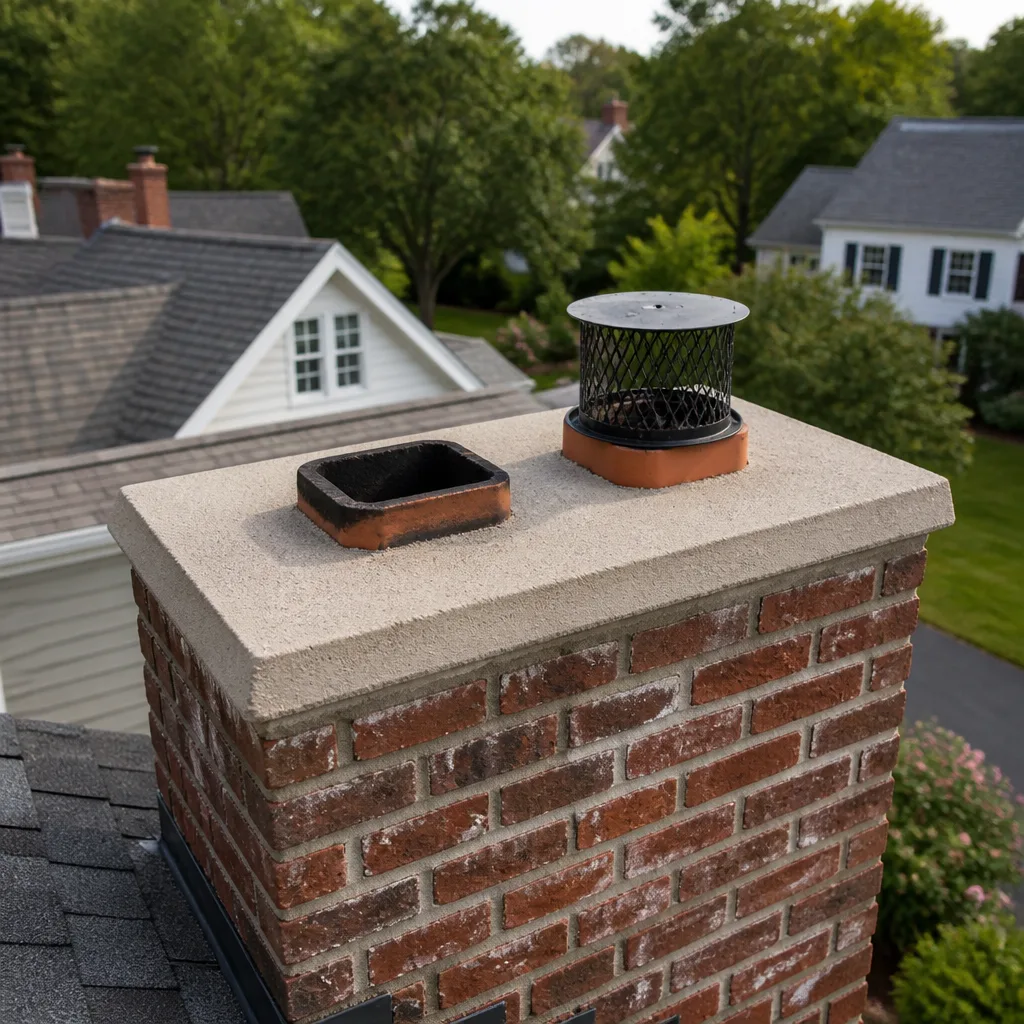 Sweep & inspection
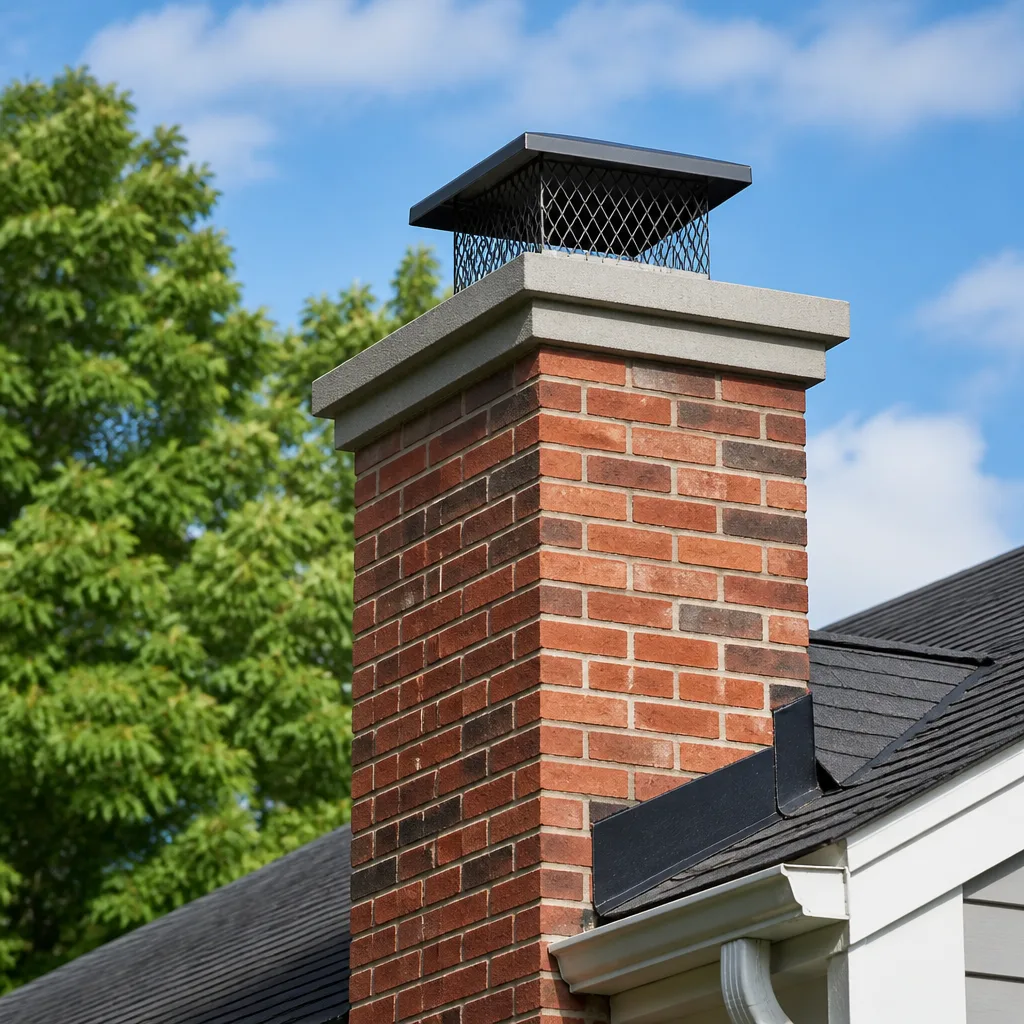 Caps & crowns
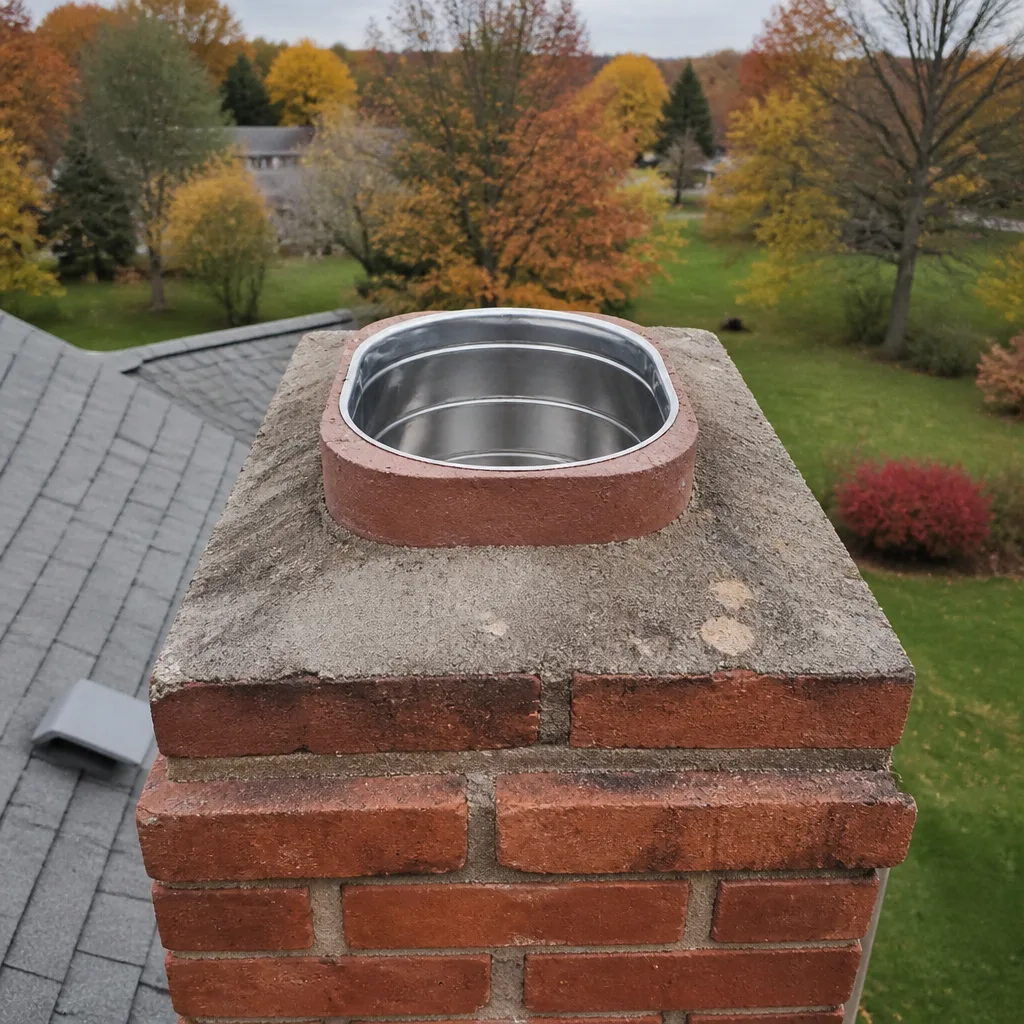 Flue relining
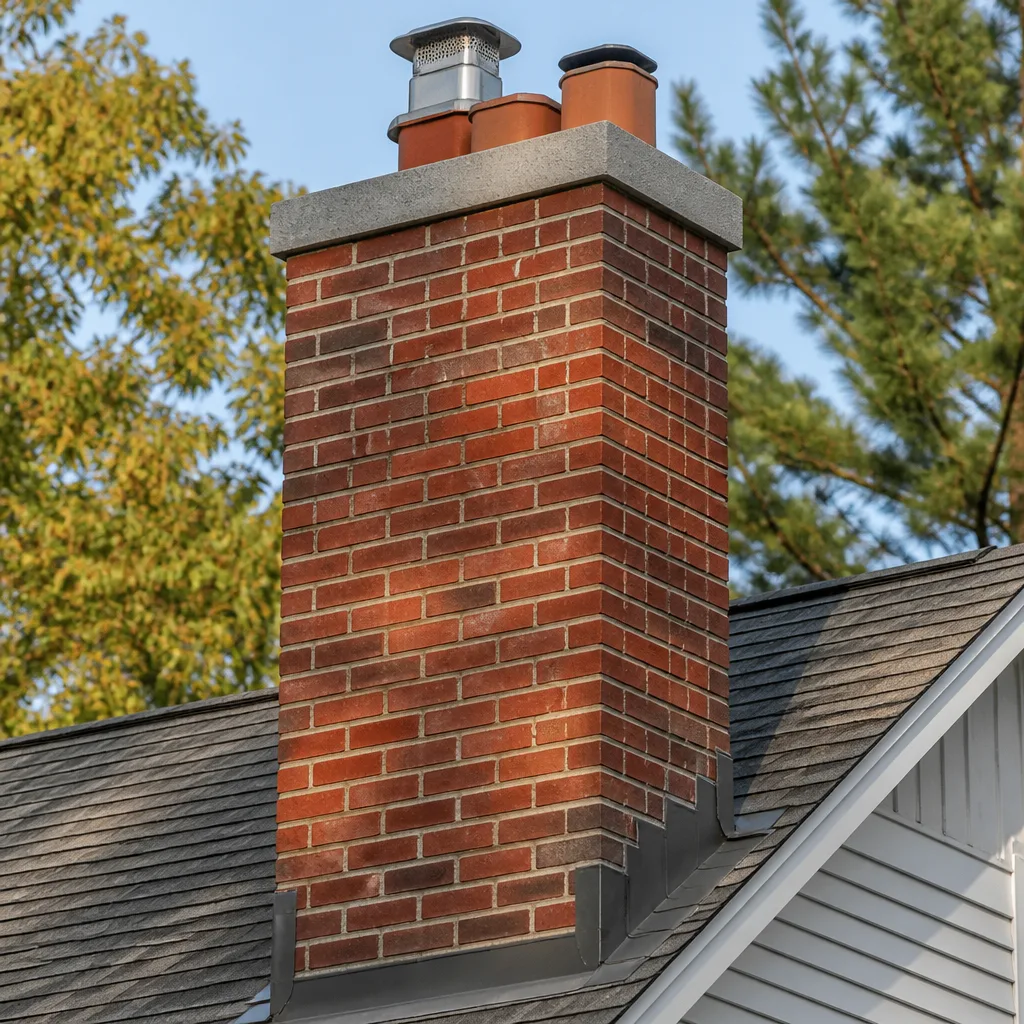 Masonry repair
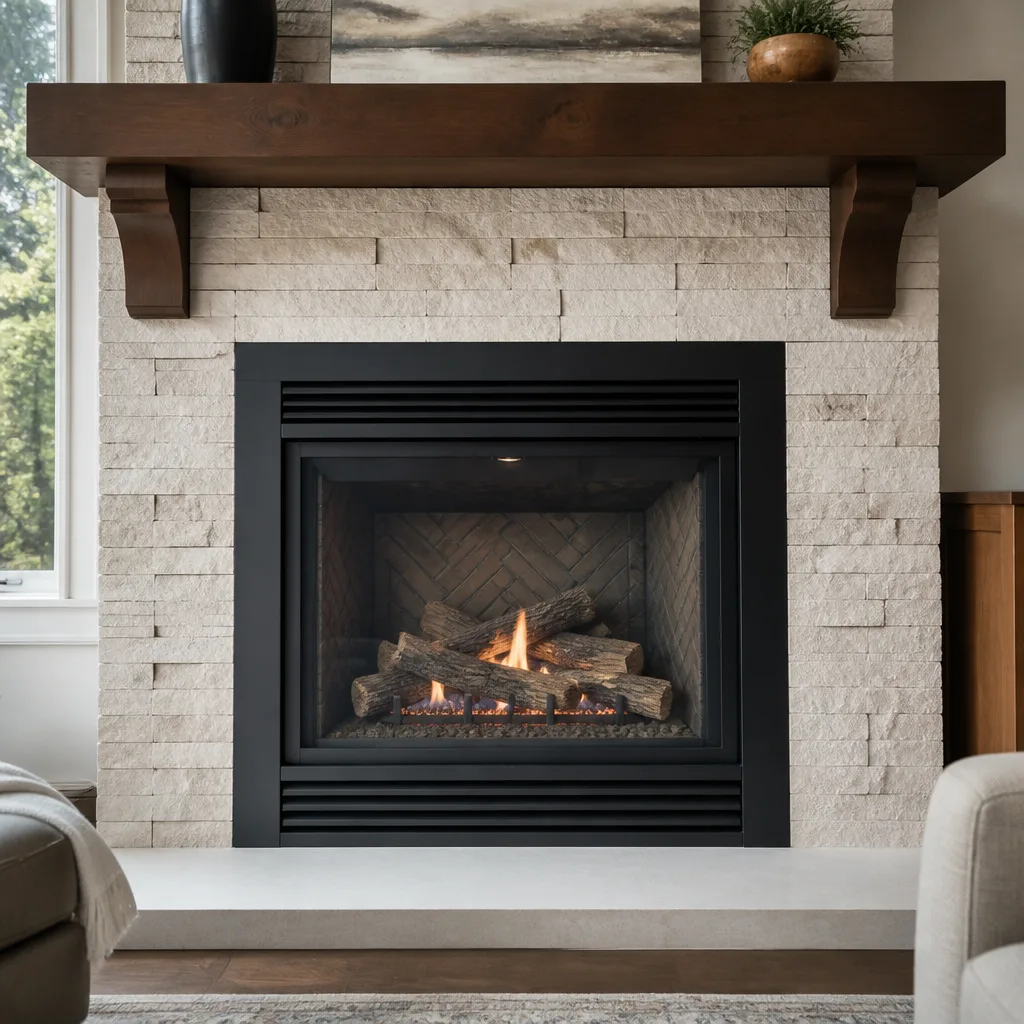 Gas fireplace service
Level 1 sweep and inspection to the NFPA 211 annual standard - flue, crown, cap, and flashing checked and photographed
Chimney sweep logs do not sweep chimneys. They loosen some creosote - which then falls where a brush and vacuum still have to collect it.
Seasonal Chimney Cleaning Care for Kirkwood: Year-Round Homeowner’s Guide
Scheduling a chimney cleaning for October is standard advice, and in Kirkwood it’s usually a few months too late. Cleaning in fall means the flue has sat through the wettest, most humid stretch of the Georgia year since anyone last looked at it, and the structural wear that Kirkwood summers cause doesn’t wait for a technician to show up. Our approach here is different: we treat late summer as the inspection point, spring as the repair window, and winter as the payoff. This guide lays out what each season actually does to your chimney in Kirkwood, why the timing around the first freeze matters more than most homeowners realize, and what to check so next year’s burning season starts from a clean, sound system.
Quick Answer
In Kirkwood, the right time for a chimney inspection and cleaning is late summer, typically August into September, before the first burning season begins. Kirkwood’s summer humidity does more damage to mortar, dampers, and caps than winter fires do, so a spring check and a late-summer sweep protect the whole system better than a single fall visit. Wood-burning and gas fireplaces also follow different seasonal schedules, and this guide covers both.
Styles & brands we work with
- Sweep & inspection
- Caps & crowns
- Flue relining
- Masonry repair
- Gas fireplace service
Table of Contents
- Why Late Summer Beats Fall for a Kirkwood Chimney Cleaning
- How Kirkwood Humidity Works on Your Flue All Summer
- Spring Tasks That Protect a Chimney Sitting Idle
- Wood-Burning vs. Gas: Different Seasonal Needs
- Why the First Freeze Changes Your Burn Habits
- Managing High Wood Moisture in Late Fall
- Neighborhood Notes Around Kirkwood
- Common Mistakes to Avoid
Why Late Summer Beats Fall for a Kirkwood Chimney Cleaning
Late summer is the strategically correct window for an inspection and cleaning in Kirkwood’s climate, and it comes down to sequence. By August, your chimney has absorbed three months of humid air through the spring and early summer. A sweep who arrives in October inspects a flue that has already been sitting in that condition since spring, and any small problem found then is a problem that had a full season to get worse unnoticed. A chimney sweep in late summer gets eyes on the system right before the burning season starts, which is when the inspection findings matter most.
There’s a second reason. Late summer is when you still have room to act. If an inspection turns up a damaged crown, a rusted damper, or a mortar joint that has been eaten away by humidity, you have weeks to schedule the repair before the firewood is stacked and the fireplace is in daily use. In October, those same findings land right as the season starts, forcing a choice between postponing the fire or rushing a repair.
Here’s the seasonal order we recommend to Kirkwood homeowners:
- March – April: post-season sweep and inspection after the last fire of the year, so nothing sits dirty all summer.
- May – June: waterproofing and cap checks, timed before the heaviest humidity and summer storms.
- August – September: second inspection and cleaning, catching anything the wet season changed and confirming the system is clear for the first burn.
- October – February: the burning season, with monthly checks of creosote buildup by eye.
Two inspections a year isn’t the standard national advice, and it’s not what a colder climate would need. It is what the mix of a hot, humid summer and a wood-burning season in Kirkwood actually calls for.
How Kirkwood Humidity Works on Your Flue All Summer
Kirkwood’s summer humidity does more structural damage to a chimney than the burning season does, and it’s the part homeowners underestimate. A chimney is a masonry-and-metal system, and both halves respond badly to moisture that arrives without a fire in the firebox. The humid air pushes through the cap, around the damper, and into the flue, sitting there for months with no heat to dry it out. Over time, that moisture gets into porous brick and mortar and works on the joints from the inside.
Specific things we see go wrong over a Kirkwood summer:
- Damper rust. A steel damper in a damp flue accumulates surface rust, then heavier corrosion, and eventually a damper that won’t open or seat cleanly. The first sign is a damper that feels stiff or sticks when you try to close it in the fall.
- Mortar joint erosion. Mortar is porous, and humidity plus summer temperature swings pushes moisture in and then pulls it out. The joints between bricks start to crumble or recede, and a chimney with soft, receded joints loses strength and lets more moisture in.
- Flue tile spalling. Clay flue tile can flake or crack when it stays damp, and a cracked flue tile is one of the routes for heat and combustion gases to reach the surrounding structure.
- Crown and cap wear. The chimney crown, the concrete cap on top of the stack, cracks with repeated wetting and drying. The cap and crown are the first line of defense against water getting in at all.
- Smoke chamber and firebox staining. Damp fireboxes can show efflorescence, a white powdery stain that tells you moisture has been moving through the masonry.
This is why we say the September inspection is the important one in Kirkwood, not the October one. August and early September let a trained eye see what a full wet season has done. A chimney cap & crown repair done in late summer protects the flue from the next wet season, rather than letting the same damage repeat.
Spring Tasks That Protect a Chimney Sitting Idle
Spring is the season most Kirkwood homeowners forget, and it’s the one that determines how much damage a chimney takes over the nine months it won’t be used. Once the last fire is out, the chimney settles into a long idle stretch, but the humid air keeps working on it. A spring checklist, done in the right order, keeps the system sound through summer.
Here’s the sequence we recommend:
- Post-season sweep. Sweep out creosote and ash after the last fire, because a creosote-loaded flue sitting all summer is one that starts the next season with a worse problem. Creosote also absorbs moisture from the air and holds it against the flue walls.
- Full inspection. Look at the flue interior, the damper, the firebox, the crown, the cap, and the exterior mortar. Camera inspection and a photo report let you see what’s found for yourself.
- Waterproofing timing. Waterproofing should go on in late spring, after the moisture-repair season of March and April and before the heaviest humidity of June through August. Don’t waterproof over damaged mortar; repair first, then waterproof the repaired surface.
- Cap and crown inspection. Confirm the cap is secure and the crown is intact and free of cracks. A loose cap letting in rain and small animals is one of the easiest issues in a Kirkwood chimney to fix and one of the most damaging to ignore.
- Clear the outer stack and check flashing. At the roofline, check the flashing around the chimney for gaps that let water run down the exterior masonry and into the attic.
Waterproofing done on time protects the brick and mortar from the wet season that’s coming. Waterproofing done too early, over damaged joints, traps the damage in place. And a cap or crown issue caught in April is inexpensive to fix; the same issue found in August can mean water has already been reaching the firebox and smoke chamber for the whole summer.
Wood-Burning vs. Gas: Different Seasonal Needs
Wood-burning and gas systems don’t need the same seasonal care, and it’s worth being specific about the difference. A wood-burning fireplace gets a lot of its scrutiny in the burning season, when creosote accumulation matters most. A gas insert has a year-round combustion-byproduct concern, because gas burns and vents continuously even in months when you don’t think of the fireplace as “in use.” Both need professional eyes on them, but a gas system can’t wait for fall.
For a wood-burning fireplace in Kirkwood, the seasonal pattern we recommend:
- Post-season sweep in spring, so creosote and ash don’t sit through summer.
- Late-summer inspection before the first burn, confirming the flue is clear and the damper works.
- Monthly visual checks of creosote buildup during the burning season.
- Yearly cap and crown check, timed before the wet season.
For a gas fireplace or insert, the seasonal pattern is different:
- Keep to an annual inspection on a set schedule, not tied to whether you’ve burned wood.
- Check the vent termination yearly for bird nests, debris, and the general condition of the venting.
- Inspect the burner and vent annually, since the byproducts of gas combustion are still vented through the flue.
- Watch for a gas smell, soot at the firebox, or a burner that lights irregularly, and stop using it until it has been inspected.
Gas fireplaces can develop venting problems that you’ll never smell, and a gas-burning fireplace with a partially blocked vent is a serious concern that can’t be corrected with a wood-burning mindset. Our fireplace repair work covers gas inserts too, and an inspection is how we know which system needs which seasonal pattern.
Why the First Freeze Changes Your Burn Habits
The first freeze is the moment Kirkwood’s burn season really begins, and the timing matters because it defines how the flue behaves for the next few months. In the first days after the first freeze, a fire in a cold flue has a slow draft, and a slow draft is the condition that builds creosote fastest. Understanding that single fact is more useful than any calendar advice, because it tells you what to change rather than when to schedule.
What the first freeze does:
- Cold flue, slow draft. A cold chimney draws smoke slowly at startup. Smoke lingers longer and cools on the flue walls, and cooled smoke is what condenses into creosote.
- Damp firewood, slower fire. Wood that hasn’t fully seasoned from the summer’s humidity can still be damp in late fall. Wet wood burns cool and smoky, again pushing more creosote onto the flue walls.
- Rapid temperature changes. Freeze-and-thaw cycles on the exterior masonry can open small cracks in the crown and mortar that were already worn from humidity. Water freezes, expands, and widens the gap.
How we’d adjust burn habits as the season starts:
- Warm the flue before the first big load. A small, hot kindling fire before stacking a full firebox gives the flue a head start and reduces the smoky startup.
- Don’t overload the firebox on the first fires. Small, hot fires burn more cleanly than a packed firebox that smolders.
- Keep an eye on the chimney top for smoke coming back down. A slow, lazy start is normal; a roll of smoke into the room is a draft problem worth investigating.
- Check creosote buildup by eye during the burn season. A monthly look at the flue is enough to see when a sweep is due instead of guessing.
- Let the fire burn hot, not long. Long, smoldering fires produce more creosote than short, hot ones.
Managing High Wood Moisture in Late Fall
High wood moisture is a real issue in late fall around Kirkwood, and it’s the main reason we tell homeowners to buy firewood in spring, not fall. Firewood that has spent the summer under a tarp, or stacked against a damp wall, carries moisture into the firebox. Wet wood burns cool and creates more creosote than dry wood, and in the first weeks after the first freeze, that creosote deposits faster on a cold flue wall.
How to manage it:
- Buy early. Buy next winter’s firewood in spring so it has a full warm season to dry.
- Stack with air flow. Stack firewood with the split side up and a gap between rows so the summer air can move through.
- Cover the top only. Cover the top of the stack and let the sides breathe. A fully tarped stack traps moisture instead of releasing it.
- Split the larger pieces again. Volume loses its biggest enemy is a thick log with a damp center; splitting again exposes the inside to air.
- Check wood before burning. Knock two pieces together; a bright, sharp sound is dry wood, a dull thud is wet wood. A moisture meter reading a large split is the clearest check.
If you’re buying from a seller in Kirkwood in late fall and the wood still sounds dull, don’t put it in the firebox yet. Keep it dry for a stretch and burn it later in the season. A fire that burns cleanly and draws well is what protects the flue, and wood moisture is the biggest variable you control.
Neighborhood Notes Around Kirkwood
Chimney care around Kirkwood varies a bit from block to block, because the housing stock and the trees around a house both affect how a chimney behaves. These are the patterns we work with:
- Historic homes near Kirkwood’s older blocks. Bricks and mortar of a certain age tend to hold moisture longer, so the case for spring waterproofing and a late-summer check is strongest here.
- Older neighborhoods with mature trees. Mature oaks and pines around a home drop leaves and small debris onto the chimney cap, and a cap that isn’t secure lets nests and debris build up inside the flue over the summer.
- Homes with tall stack heights. A taller exterior chimney takes more wind-driven rain and shows the effects of the freeze-thaw cycle higher up, where a homeowner can’t easily see it. That’s why an inspection from the roof line down is part of every visit.
- Homes with gas fireplaces in newer construction. A newer gas insert still needs its vent termination checked yearly, and a new home just finished is a good time to establish the annual inspection schedule.
- Renovated homes with replaced liners. If a flue was re-lined in past years, the seasonal pattern still applies: check the top, check the bottom, and confirm the cap and crown are still intact going into the wet season.
What season affects in Kirkwood affects these homes in the same general way: wet summers, dry cold snaps, and a long idle period in between. What changes block to block is where the moisture gets into the system first.
Common Mistakes to Avoid
- Sweeping in October and calling it done. October is the standard national advice, and following it means your sweep sees the flue after the damaging season, not before. In Kirkwood, the sweep worth doing is the late-summer one.
- Waterproofing over damaged mortar. Waterproofing traps moisture in the masonry if it’s applied before joints are repaired. Repair first, then waterproof, and time it before the wet season.
- Treating the cap as a detail. A loose cap lets water, debris, and small animals into the flue all summer. Cap and crown work is part of seasonal care, not a separate favor.
- Ignoring gas fireplaces in the off-season. Gas systems develop venting problems that can’t be detected by smell. An annual inspection on a set schedule, not a seasonal one, keeps a gas insert safe.
- Burning wet firewood because it’s what’s on hand. Damp wood creates more creosote than dry wood, and the first weeks after the first freeze are the worst time to add creosote to a slow-drawing flue.
- Assuming a wood-burning and gas fireplace need identical care. They follow different seasonal patterns and both need an inspection, but a gas inspection should not be postponed to fall.
- Skipping the post-season sweep. Creosote and ash left in a flue over a wet Kirkwood summer absorb moisture and speed up corrosion on the damper and flue tiles.
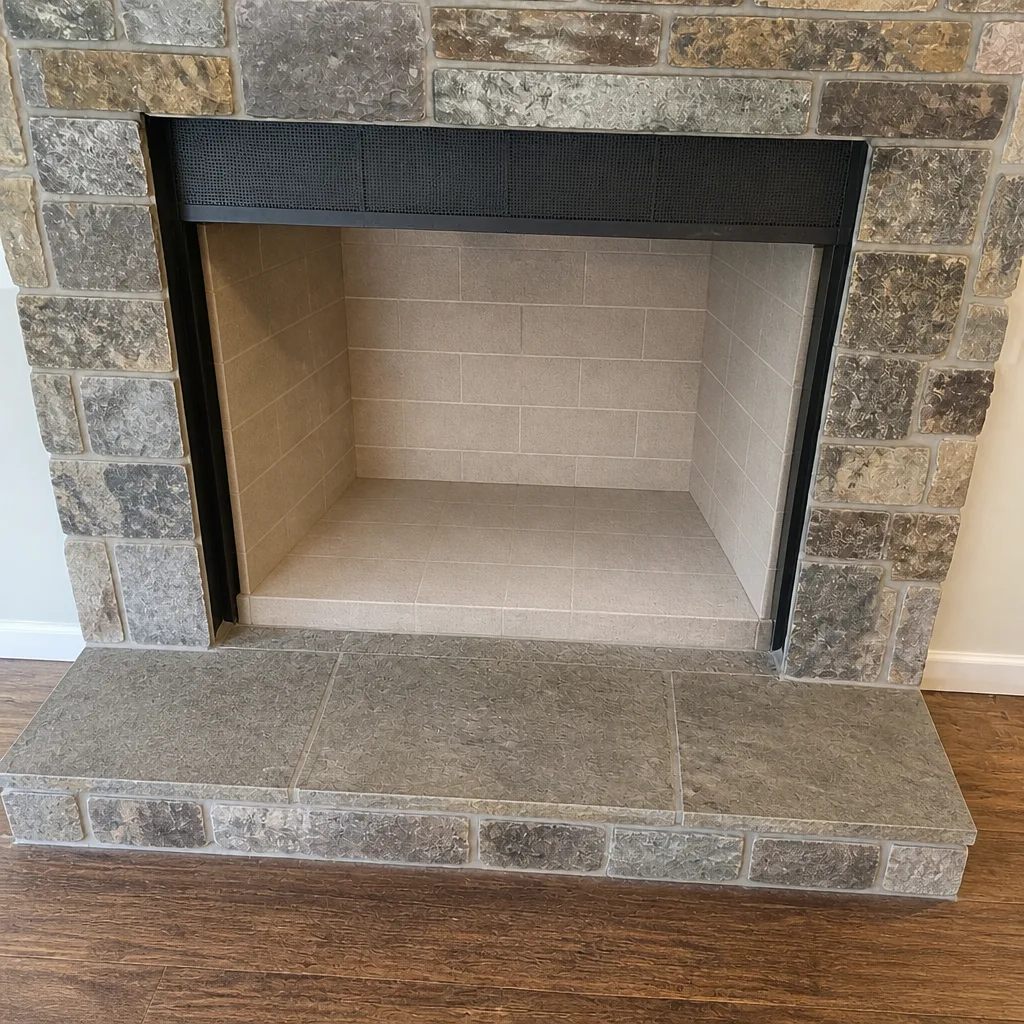
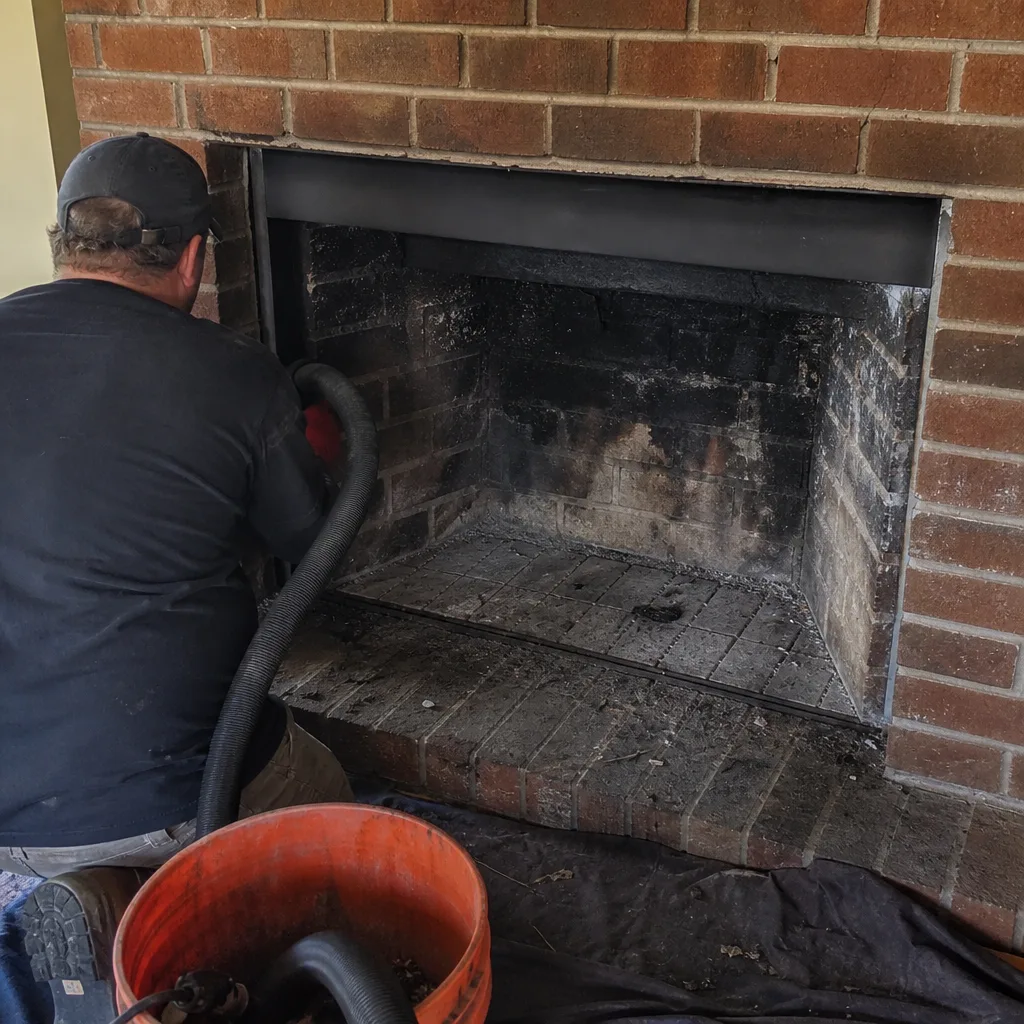
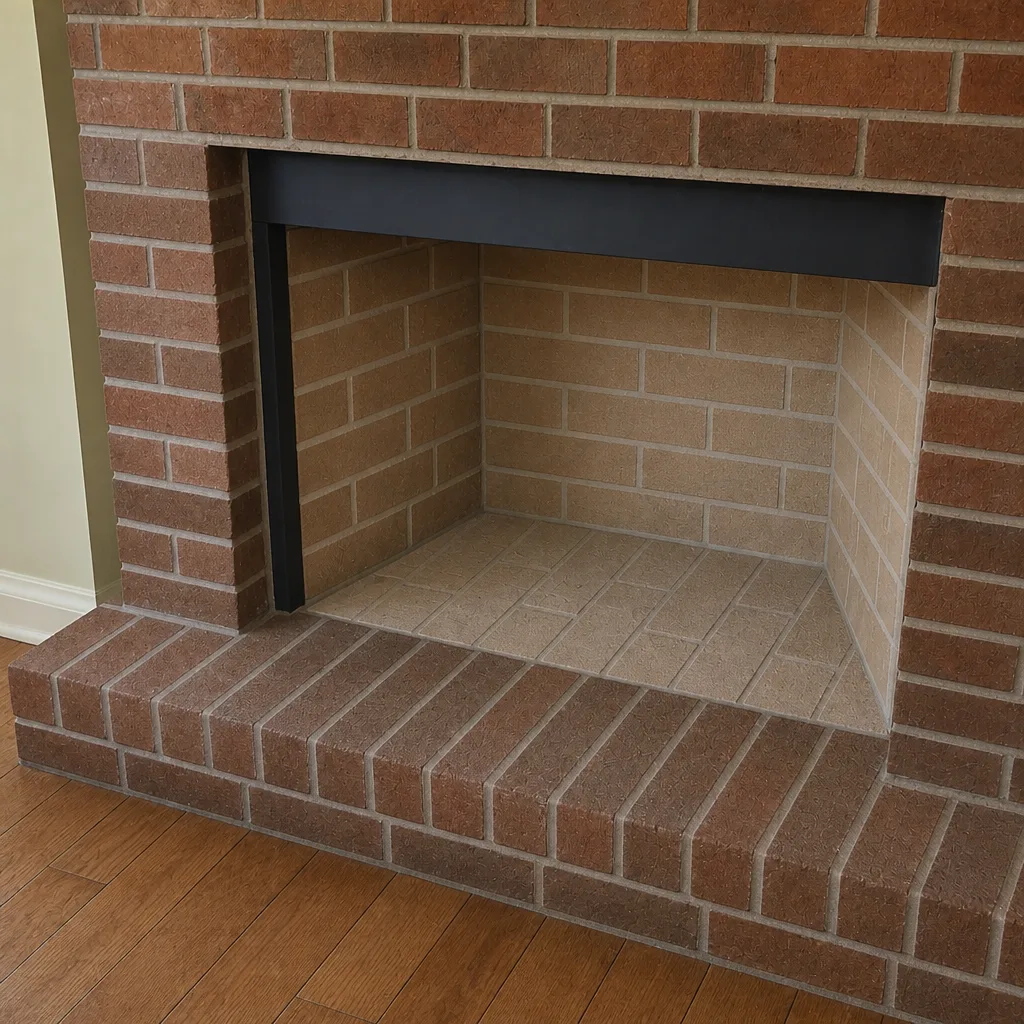
See the difference
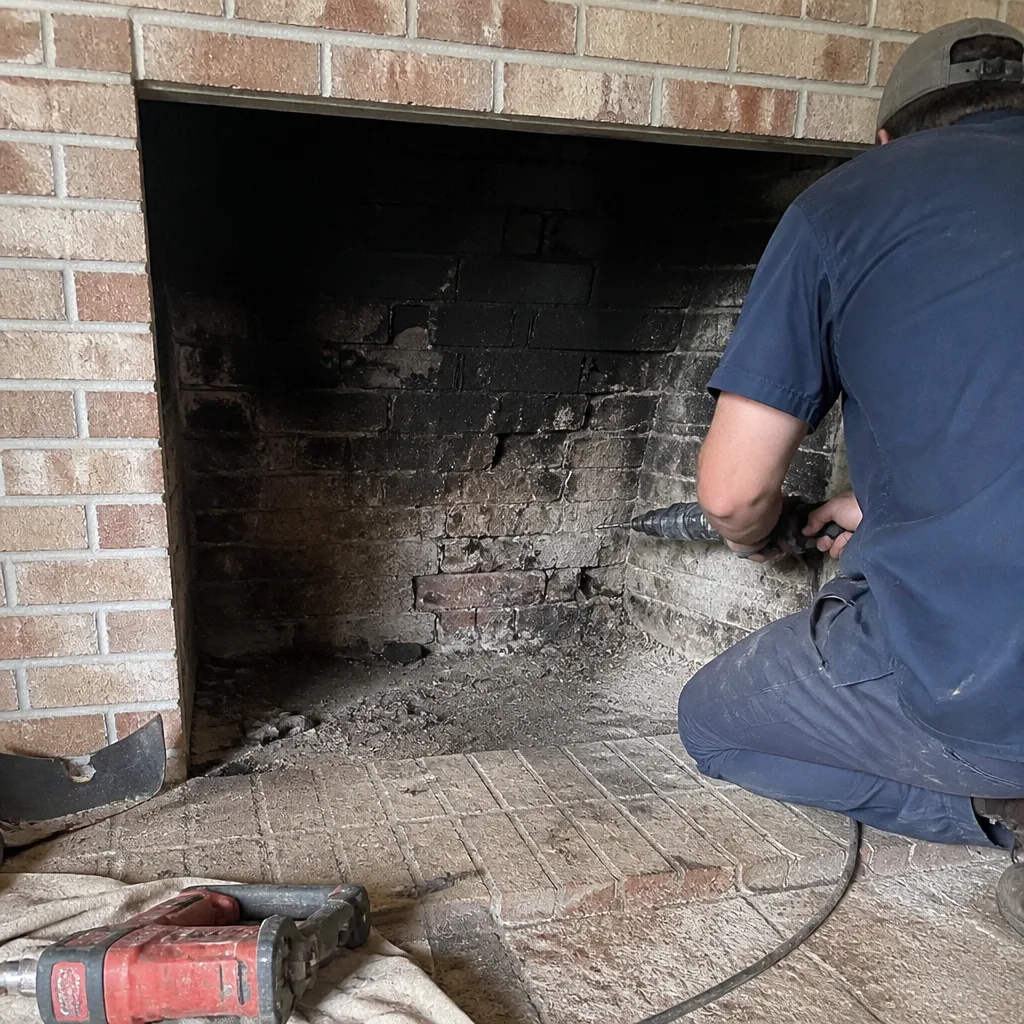 Before
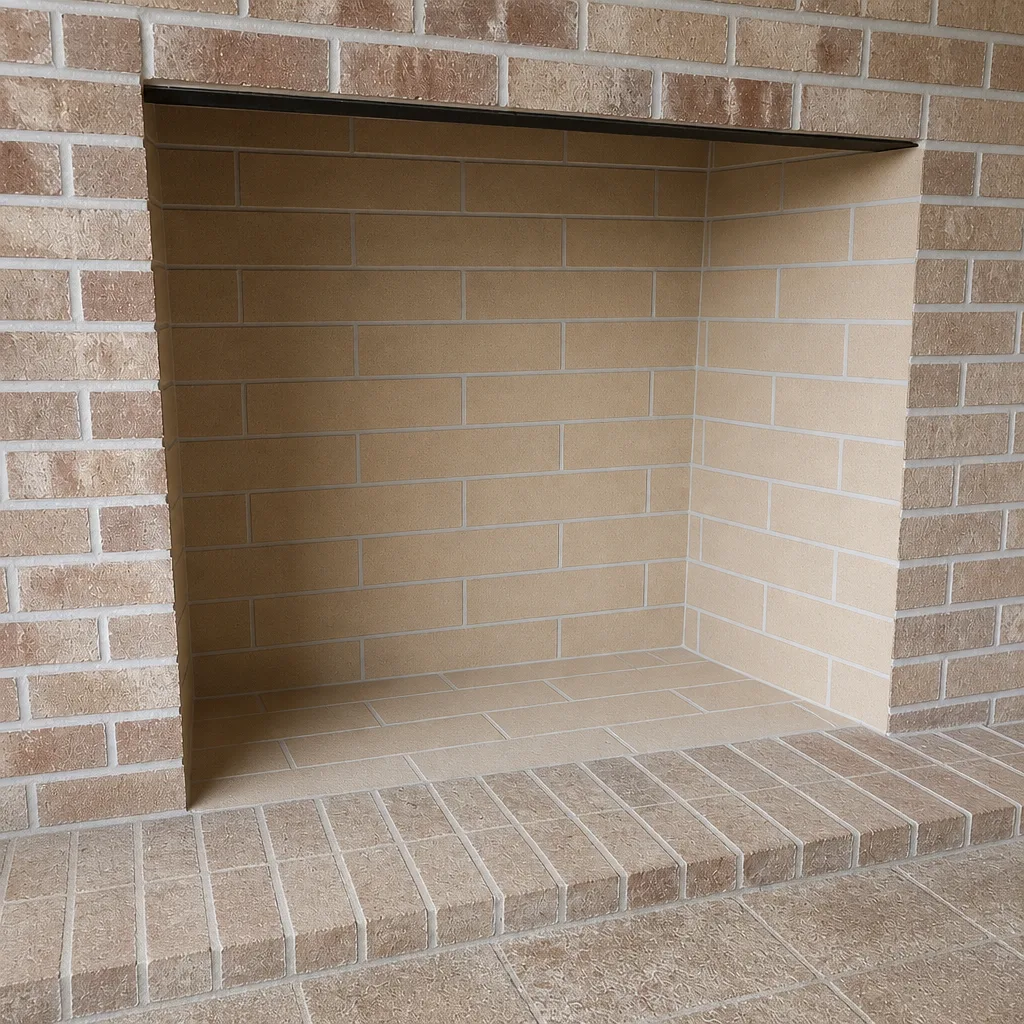 After
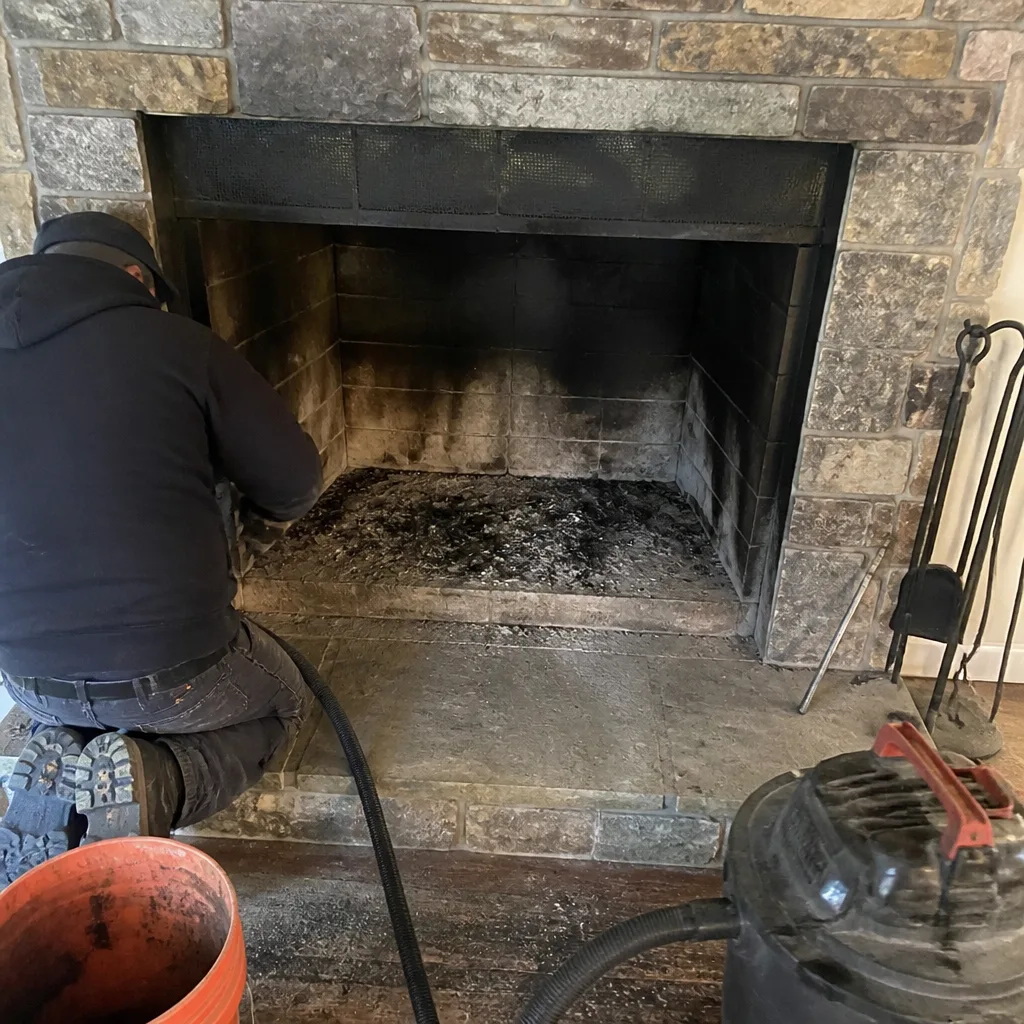 Before
 After
 Before
 After
When to Call a Professional
Some chimney issues can’t wait for a seasonal window. Call a professional if your damper feels stiff, if you notice efflorescence or crumbling mortar around the firebox, if smoke rolls into the room when you light a fire, or if you smell gas at a gas fireplace. These aren’t always signs of a major repair, but they are signs that need a trained eye and a camera look before the next burning season. A creosote buildup you can see by eye is also a reason to call. Chimney Sweep Kirkwood offers free estimates in Kirkwood. Call (844) 443-4847 for a written estimate. We answer 24/7. Fast dispatch from 7am to 7pm, Sunday through Friday.
Frequently Asked Questions
Late summer, typically August into September, is the best time for a chimney sweep and inspection in Kirkwood. That’s when a trained eye can see what the wet summer has done to the flue, and it gives you time to repair before the burning season. The second-best time is spring, right after the last fire. Call (844) 443-4847 for a free estimate. We answer 24/7. Fast dispatch from 7am to 7pm, Sunday through Friday.
Twice a year is the rhythm we recommend for Kirkwood: once in spring after the burning season and once in late summer before the next one. A colder climate may need a single annual visit, but Kirkwood’s humid summer does a lot of damage to masonry and metal between fires. One visit a year leaves six months with nobody looking at the system. Call (844) 443-4847 for a free estimate. We answer 24/7. Fast dispatch from 7am to 7pm, Sunday through Friday.
Yes, and it’s arguably more important than for a wood fireplace, because gas burns year-round and gas venting problems can be invisible. A gas insert should be inspected on a set annual schedule and its vent termination checked every year for nesting and debris. Stop using a gas fireplace and call for inspection if you smell gas, see soot at the firebox, or notice irregular ignition. Call (844) 443-4847 for a free estimate. We answer 24/7. Fast dispatch from 7am to 7pm, Sunday through Friday.
Not in Kirkwood, and the reason is that summer humidity works on mortar even when the exterior looks untouched. Waterproofing timed for late spring, after the wet-season repairs, keeps moisture from getting into the brick and joints through the summer. If a joint has already receded or gone soft, repair it before waterproofing or the coating traps the damage in place. Call (844) 443-4847 for a free estimate. We answer 24/7. Fast dispatch from 7am to 7pm, Sunday through Friday.
A cold flue has a slow draft, and a slow draft means smoke lingers instead of rising. That’s normal on the first cold night, but consistent smoke in the room, or smoke coming back down after the fire is burning, usually points to a buildup or a venting issue. Warming the flue with a small kindling fire helps. If the problem persists, an inspection will tell you whether creosote, a blocked cap, or a structural issue is the cause. Call (844) 443-4847 for a free estimate. We answer 24/7. Fast dispatch from 7am to 7pm, Sunday through Friday.
Buy in spring, because firewood needs a full warm season to dry and fall wood is often still damp. Damp wood burns cool and smoky, and it builds creosote faster, especially on a cold flue after the first freeze. Stack it with air flow, cover the top only, and check a large split before burning. Call (844) 443-4847 for a free estimate. We answer 24/7. Fast dispatch from 7am to 7pm, Sunday through Friday.
The Bottom Line
Kirkwood’s seasons don’t treat a chimney the way the standard fall-sweep advice assumes. The humid summer does more damage than the burning season, so late summer is when the inspection matters most, spring is when repairs and waterproofing protect the system through its idle months, and the first freeze is when burn habits determine how fast creosote builds. Wood-burning and gas fireplaces need different schedules. Our chimney specialists in Kirkwood handle the full scope, from the Chimney Sweep Kirkwood service through the repairs and liners, so a single inspection turns into a single plan. We inspect before we recommend. The estimate is free, and the written estimate sets the price. Call (844) 443-4847. We answer 24/7. Fast dispatch from 7am to 7pm, Sunday through Friday.
Written by the team at Chimney Sweep Kirkwood.