
Last updated November 25, 2026
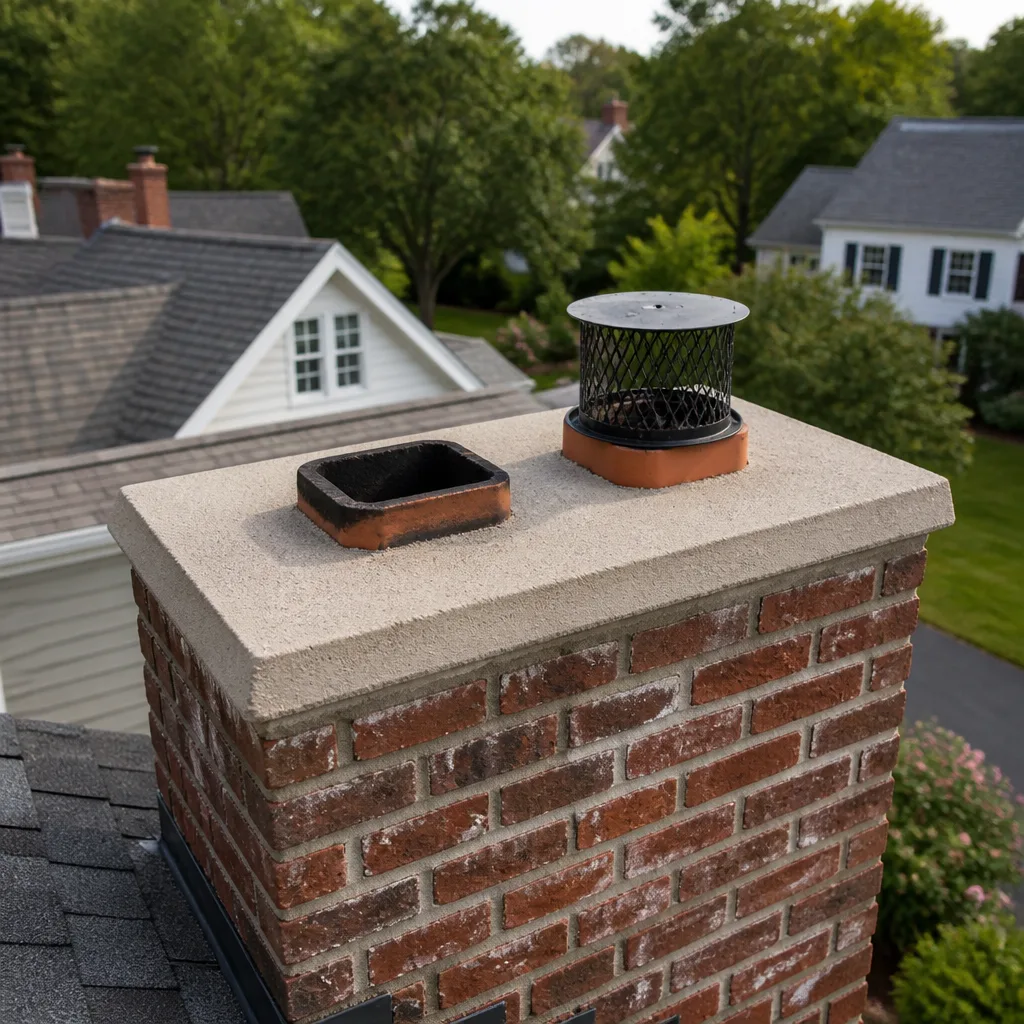 Sweep & inspection
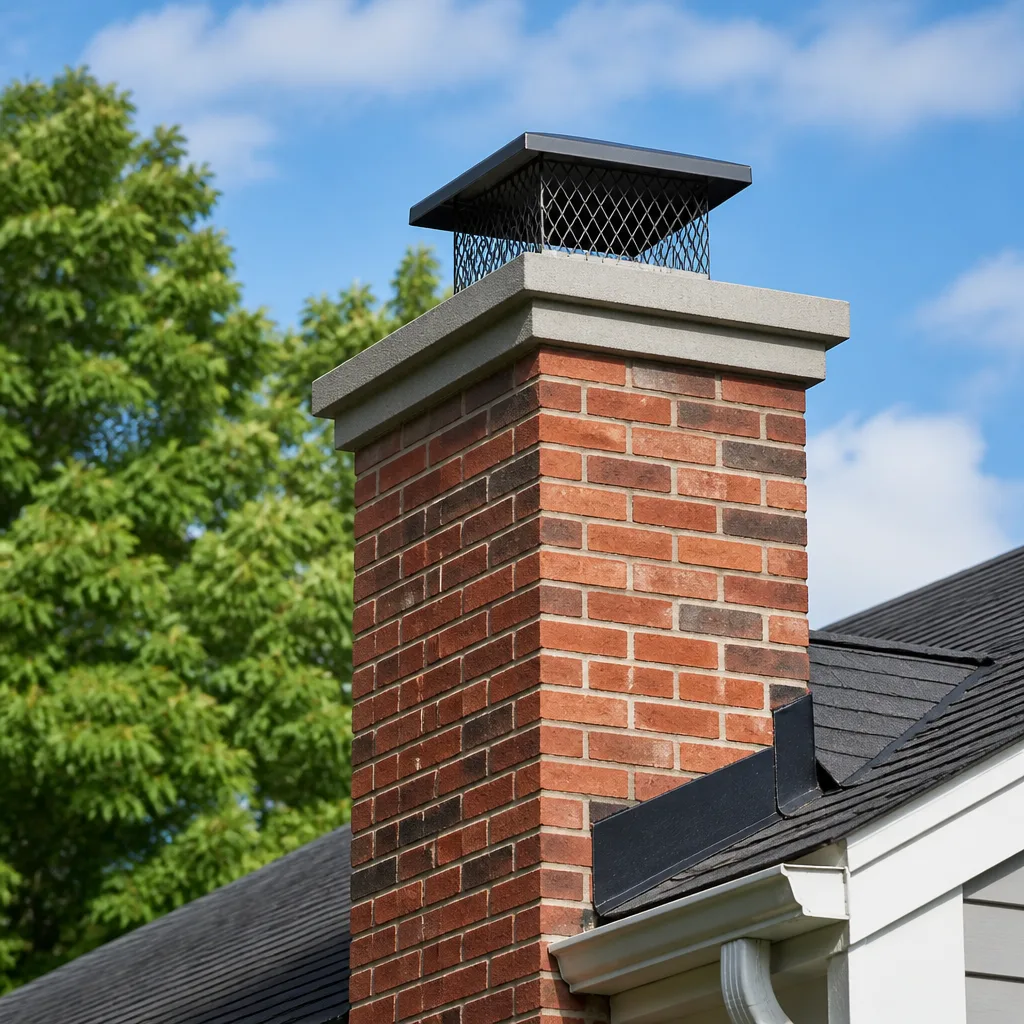 Caps & crowns
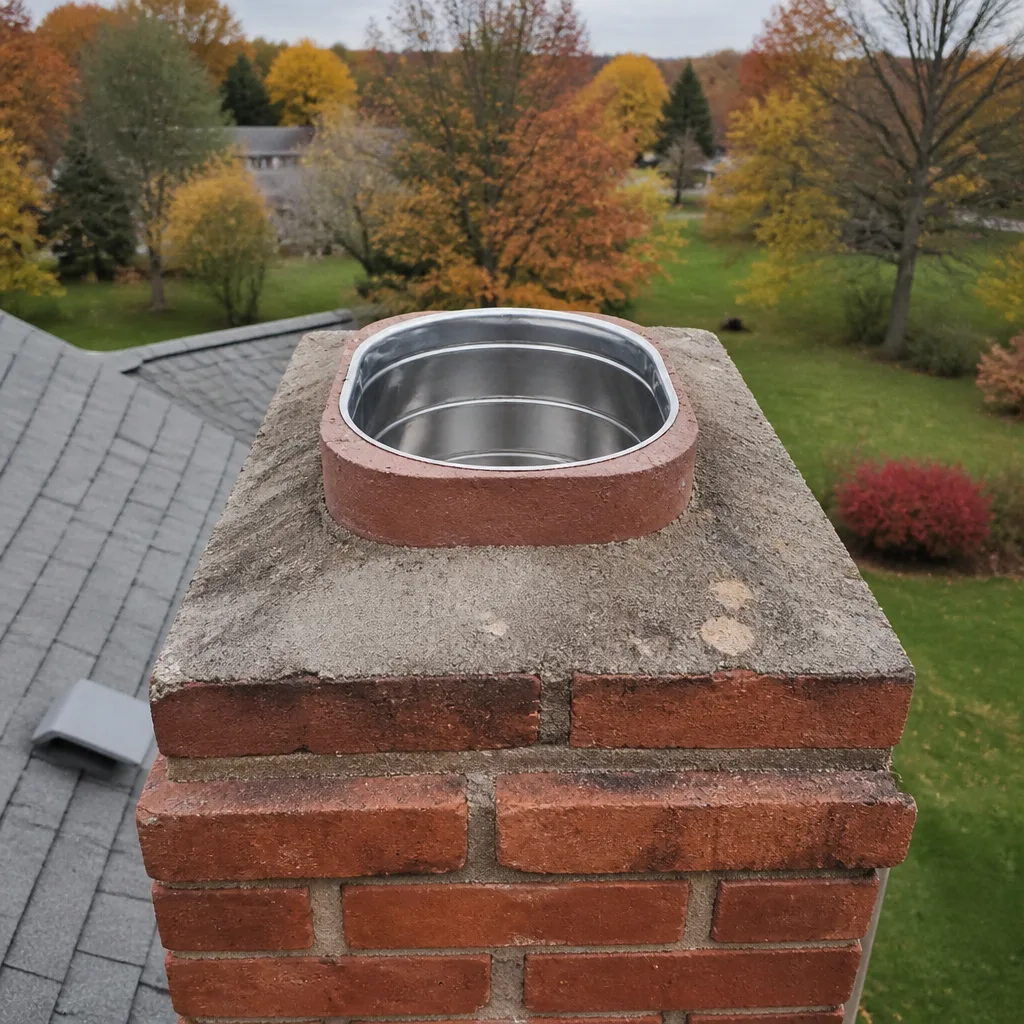 Flue relining
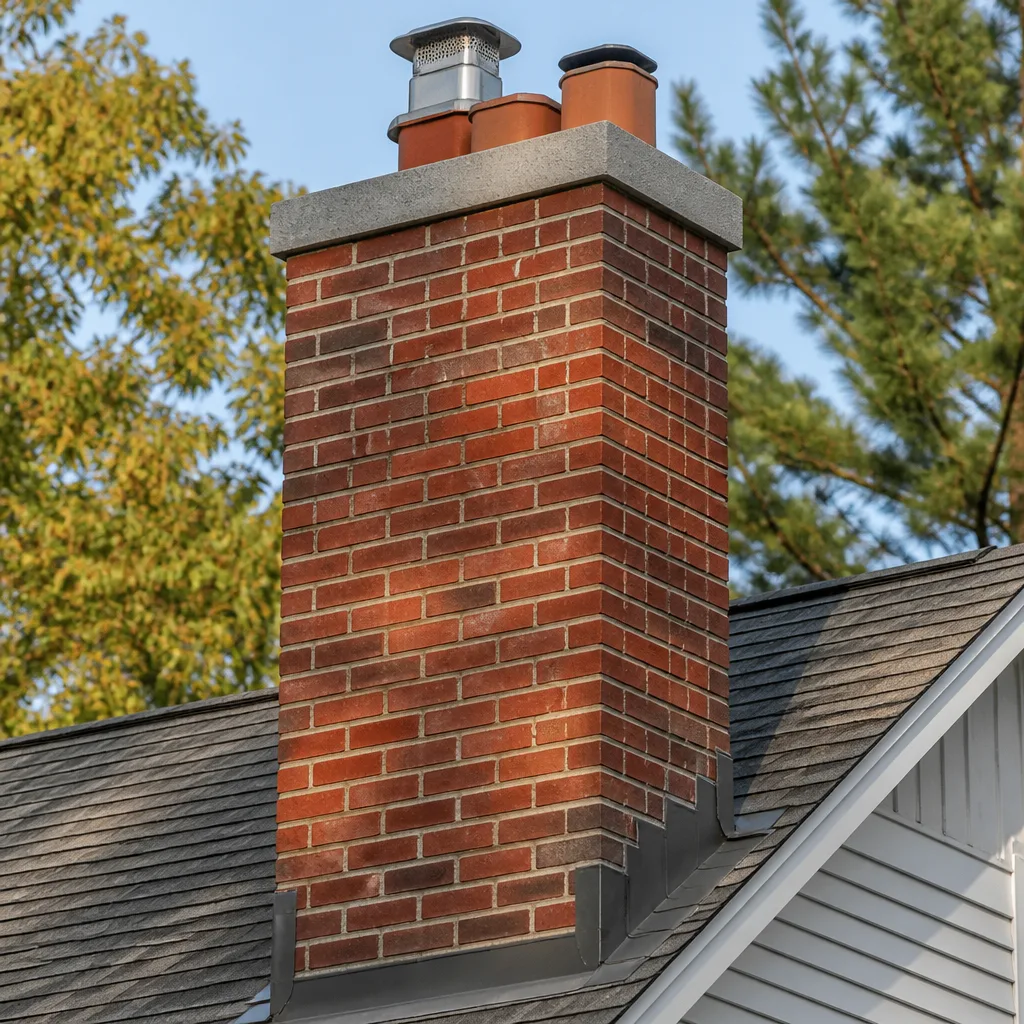 Masonry repair
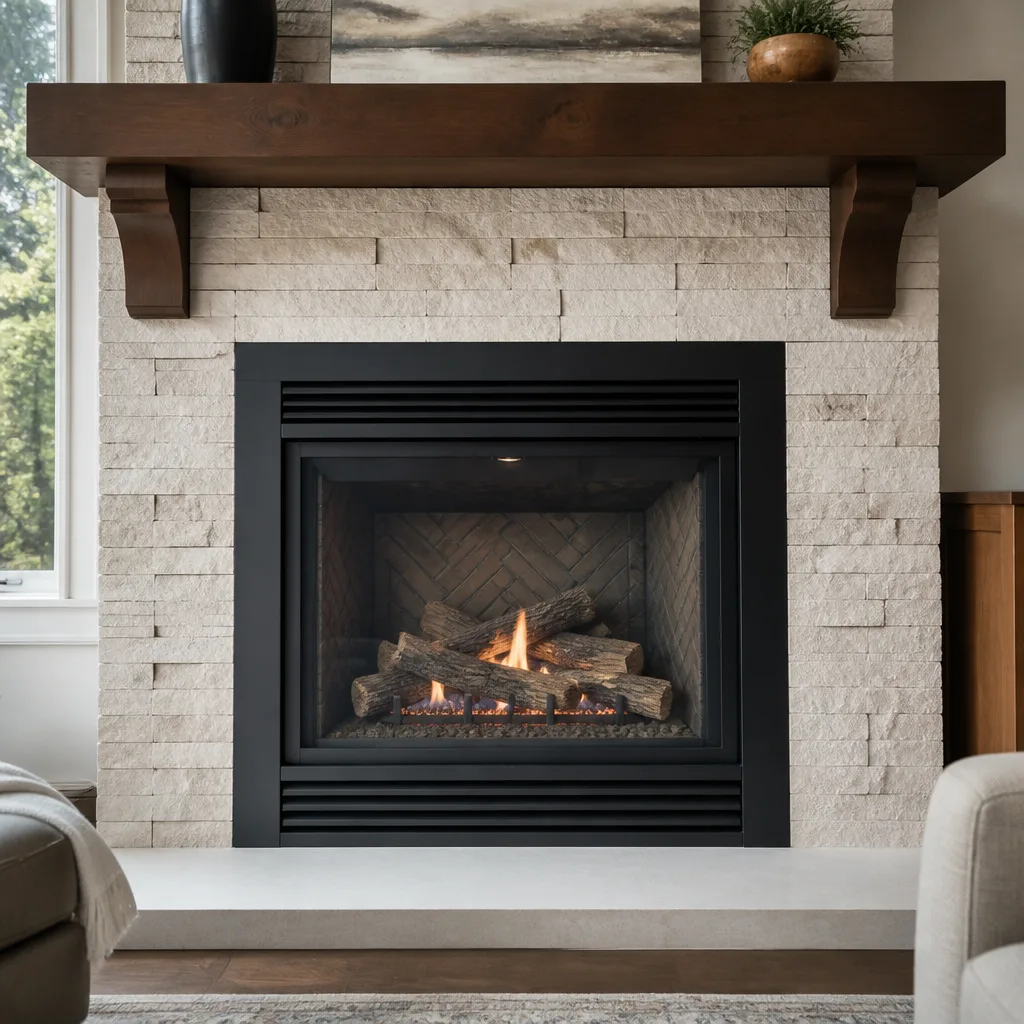 Gas fireplace service
Level 1 sweep and inspection to the NFPA 211 annual standard - flue, crown, cap, and flashing checked and photographed
Chimney sweep logs do not sweep chimneys. They loosen some creosote - which then falls where a brush and vacuum still have to collect it.
Chimney Cleaning Cost Breakdown: The Kirkwood Homeowner’s Reference for 2026
A $79 sweep special and a $299 professional cleaning can both show up with brushes and leave your fireplace looking about the same from the living room. That’s the part that trips people up. The visible result tells you almost nothing about what happened inside the flue, what was found, what got documented, and what was either fixed on the spot or explained to you in plain terms. The gap between a budget quote and a full-scope one is rarely profit margin. It’s scope. This guide breaks down what a complete chimney cleaning in Kirkwood actually includes in 2026, which add-ons are legitimate, which are upsell tactics, how creosote stage changes the job entirely, and how to read an estimate so two prices that look similar don’t hide completely different work.
Quick Answer
A standard professional chimney sweep in the Kirkwood market typically runs $150 to $275 for a wood-burning fireplace, and a full-scope service that includes a camera inspection, documentation, and a written report usually lands between $200 and $350. Gas-appliance venting and cleaning usually sits lower, while heavy creosote removal, liner assessment, or cap and crown work push the total higher. The written estimate you receive for your specific chimney system sets the final price, not a phone quote.
Styles & brands we work with
- Sweep & inspection
- Caps & crowns
- Flue relining
- Masonry repair
- Gas fireplace service
Table of Contents
- What actually drives chimney cleaning cost in Kirkwood
- Line-item breakdown: full-scope versus budget sweep
- How creosote stage changes the cost of the job
- Add-ons: which are real and which are upsells
- Why material quality affects total cost of ownership
- How to structure the conversation before you agree to a price
- Common mistakes to avoid
- When to call a professional
What actually drives chimney cleaning cost in Kirkwood
Chimney cleaning isn’t priced like a flat service call. It’s priced against what your specific system presents: the fuel type, the flue configuration, how accessible the cleanout is, the creosote condition, and whether the technician can complete the job with standard tools or needs specialized equipment. Two houses on the same Kirkwood block can legitimately sit $100 apart on a cleaning estimate and both prices can be fair.
Here’s what moves the number in our experience:
- Fuel type. A gas fireplace inserts venting or a gas log set requires less aggressive cleaning than a wood-burning firebox with a masonry flue. Gas systems often need cleaning less often, but they still need inspection because venting problems show up differently than creosote buildup does.
- Flue configuration. A straight vertical flue sweeps cleanly. An offset, a chimney with a smoke chamber transition that’s hard to reach, or a flue shared with another appliance all add time and technique.
- Access. If the damper is rusted shut or the cleanout door is blocked by a finished basement wall, the technician has to get to the flue from the roof into the firebox, or the other way around. That adds setup and containment time.
- Creosote condition. This is the single biggest variable. Light soot sweeps out in under an hour. Glazed, tar-like creosote is a different job with different tools and a different price. There’s a whole section on this below.
- Inspection and documentation. A cleaning without a camera inspection tells you the flue got swept. A cleaning with inspection tells you what the flue looks like and whether anything needs attention. That difference is real work and shows up in the price.
- Containment and cleanup. Professional sweeps set up drop cloths, seal the firebox opening, and use a HEPA vacuum so no soot drifts into the room. Budget operators often skip the containment rig entirely.
The other thing to know about the Kirkwood market: this is an older housing stock with a lot of masonry fireplaces that have been in service for decades. Clay tile flues crack. Mortar joints erode. Crowns crack and let water in. A sweep that runs a brush down the flue on a 40-year-old Kirkwood chimney and never looks at the outside of it is only doing a fraction of the job. That’s why we inspect before we recommend anything. You can see the full picture of what we do as a Chimney Sweep Kirkwood company right here, but the short version is that the inspection comes first and it determines what the cleaning actually needs to cover.
If you’re comparing quotes from different providers, ask each one the same question: what does this price include beyond running a brush through the flue? The answer will tell you more than the dollar figure alone.
Line-item breakdown: full-scope versus budget sweep
The biggest spread in chimney cleaning pricing isn’t profit margin. It’s scope. A budget sweep often does one thing and calls it done. A full-scope service does five things and documents each one. Below are typical 2026 Kirkwood-market ranges for each line item, followed by what the budget version of that line item often looks like in practice.
| Line item | Typical range (Kirkwood market, 2026) | What the budget version often omits |
|---|---|---|
| Standard sweep (wood-burning fireplace) | $150 – $250 | Containment setup, HEPA vacuuming, drop cloths |
| Camera inspection of flue and smoke chamber | $75 – $150 (often bundled) | The camera, or the photo report |
| Photo or video report | Usually included in full-scope | The documentation entirely |
| Draft test and smoke chamber assessment | Usually included in full-scope | Not performed |
| Creosote removal (Stage 1 – 2) | Included in standard sweep | Often the same as a standard sweep |
| Creosote removal (Stage 3) | $300 – $650+ depending on extent | Not detected or not addressed |
| Cap inspection and reporting | $0 – $75 added to a sweep | Not looked at |
| Cap replacement (professional-grade) | $150 – $350 installed | Outsourced or not offered |
| Crown inspection and repair assessment | Included in inspection | Not looked at |
| Crown repair or sealing | $200 – $600+ depending on scope | Not offered or subcontracted |
| Full written estimate for any repairs | Free | Verbal only, or “we’ll call you” |
Notice the pattern: the budget sweep’s savings come from omission, not efficiency. The fire gets swept, the technician packs up, and nobody finds out about the cracked tile crown or the level-2 creosote in the upper flue. A proper full-scope cleaning includes all of the following steps, and you should expect every one of them:
- Walk the exterior of the chimney and check the cap, crown, flashings, and masonry.
- Inspect the firebox, damper, smoke chamber, and flue from the interior.
- Run a camera through the flue and document what it shows.
- Set up containment and drop cloths before any brushing begins.
- Sweep the flue to the correct depth for the creosote stage found.
- HEPA-vacuum the firebox and clean up so no soot remains in the room.
- Provide the photo report and, if anything needs attention, a written estimate.
That list is what separates a $299 sweep from a $79 special. The $299 job is doing all seven steps. The $79 job is doing two or three and skipping documentation. The cost difference is easy to explain when you see it laid out this way. If a quote is coming in dramatically lower than the others, ask which of these steps is omitted. That question usually resolves the whole conversation.
How creosote stage changes the cost of the job
Creosote is the tar and soot residue that condenses inside a flue when wood burns incompletely or when flue temperatures drop too low before smoke exits. It builds up in three distinct stages, and each stage requires a different cleaning method, a different tool set, and a different price. This alone can explain why one Kirkwood home pays $200 for a sweep and a neighbor pays $500 for the same “chimney cleaning” service call.
Stage 1: soot and light flake
This is a fine, dusty buildup that brushes away easily. Stage 1 creosote is what a standard annual sweep is designed to remove. It’s the cost baseline. You’re paying for the sweep, the containment, and the inspection.
Stage 2: hardened, crusty deposits
Stage 2 creosote has baked onto the flue walls and doesn’t come off with a standard brush stroke. Removing it takes more aggressive brushing and more time. Some technicians charge a small additional fee for Stage 2 removal; others build it into the sweep price. Ask which applies to your estimate.
Stage 3: glazed, tar-like creosote
Stage 3 is where the job changes category. This is a hard, glossy, glassy layer that’s bonded to the flue tile. A standard brush skates over it. Removing it requires specialized equipment and often chemical treatment or rotary tools, and it takes significantly longer. Stage 3 is also the stage that poses the highest chimney fire risk, because it’s highly combustible and can ignite when flue temperatures spike. Cost for Stage 3 removal in the Kirkwood market typically runs $300 to $650 or more depending on how much of the flue is affected.
Here’s the important part: Stage 3 creosote removal isn’t an upsell. It’s not optional work a sweep adds to pad the bill. It’s the actual job, and if it isn’t addressed the chimney isn’t really clean. A technician who runs a standard brush through a Stage 3 flue and calls the job done has left combustible material in place. Ask for the camera photos.
Two conditions in Kirkwood make Stage 3 creosote more likely: burning unseasoned wood, and letting the flue cool down with the damper half-open so smoke lingers and deposits instead of exiting. If your last cleaning produced a report flagging Stage 2 or Stage 3 buildup, the next sweep should be scheduled sooner than an annual cycle would suggest.
Add-ons: which are real and which are upsells
Every chimney service sells some add-ons. Some are legitimate and necessary. Some are padding. Here’s how to tell the difference before you agree to anything.
Legitimate add-ons
- Camera inspection. A video scope of the flue and smoke chamber reveals cracked tiles, gaps at joints, and hidden creosote. It’s the foundation of every recommendation we make, and if a technician can’t show you the footage, they can’t justify the work. This is legitimate, and it should come with photos.
- Liner assessment. The liner protects the surrounding structure from heat and corrosive flue gases. If the camera shows cracked tiles or gaps, a liner assessment is the correct next step. It’s not a sale. It’s what the evidence requires.
- Cap replacement. A missing, rusted, or damaged cap lets rain, snow, and animals into the flue. A professional-grade cap will last decades; a hardware-store version often needs replacing within a few years. This is legitimate moisture protection, and we treat chimney cap & crown work as its own dedicated service because it belongs in any complete chimney system conversation.
- Crown repair. A cracked crown lets water into the masonry below and causes damage that’s far more expensive to address later than the crown itself. A legitimate crown repair is a real fix, not a sealant smear over the crack.
Common upsell tactics
- “You need a new liner” without a camera photo. If they can’t show you the crack, don’t authorize the work. A liner replacement is a five-figure job on some chimneys. It needs photographic evidence.
- Pushing cap or crown replacement on a cap that’s still functional. A 15-year-old cap may have surface rust and still work fine. Ask them to show you the damage.
- Pricing that changes at the end of the visit. A technician who quotes $200 on the phone and lands a $650 bill on-site because “the chimney was worse than expected” should have been able to see the condition before arriving.
- Cleaning without inspecting. This is the reverse problem: an add-on that should be mandatory being offered as optional. If the quote doesn’t include a camera inspection, that’s a red flag, not a bargain.
The rule we suggest to every Kirkwood homeowner: if a recommendation comes without visible evidence in the form of photos or video, treat it as a suggestion, not a requirement. If the evidence is there, the work is worth scheduling.
Why material quality affects total cost of ownership
A chimney cap at $40 from a hardware store and a professional-grade cap at $150 installed both keep rain out on day one. Five years later, one is rusted, warped, or missing a screen panel and the other is holding up. The upfront cost difference is real, but the real number to compare isn’t what you pay today. It’s what you pay across the life of the component plus whatever it protects.
Here’s a comparison worth understanding:
- Hardware-store caps. Usually galvanized steel with a thin gauge, basic screen mesh, and a mounting system sized for generic flues. Expect shorter service life, especially where the weather swings between wet winters and hot summers, which Kirkwood sees plenty of. When a cheap cap fails, it lets water into the flue and crown.
- Professional-grade caps. Stainless steel construction with heavier mesh and correct mounting. They’re sized to the actual flue, they seal properly, and they last significantly longer. The material we use from Copperfield and Olympia Chimney is chosen for that lifespan, not just the price point.
- Cheap liners versus professional liner systems. Flexible liners are a system: the liner itself, the insulation, the top plate, and the appliance connection. A budget liner with a thin wall may seem cheaper, but it degrades faster and can’t handle the temperatures the same length of professional-grade product can. That’s why we install DuraFlex liner systems in-house from end to end rather than specifying something generic and hoping.
- Surface-patched repairs versus HeatShield resurfacing. A thin sealant over a cracked flue might last a season. HeatShield resurfacing is a structural repair that restores the flue’s inner surface to a smooth, gas-tight finish. We apply HeatShield in-house, which means we can do the flue restoration that most sweep-only companies have to subcontract or decline.
The material question matters most when it comes to anything embedded in the chimney. A cheap cap is a $150 problem. A cheap liner is a $6,000 problem. This is why we work with a small portfolio of professional-grade brands like Famco, DuraFlex, HeatShield, Gelco, Olympia Chimney, and Copperfield, and why we don’t install anything outside that list. Built to last, not built to return. That’s the standard we hold repairs to.
The math is straightforward. Professional-grade material costs more upfront and less over time. Budget material costs less upfront and more over time. If you’re only keeping the house for two years, budget material might come out ahead on paper. If you’re keeping it a decade, it won’t. We always recommend the professional-grade option because we’ve seen what happens when the other choice fails.
How to structure the conversation before you agree to a price
The single best thing you can do to get a fair price on a chimney cleaning is have the right conversation before you book. A written scope of work protects you. Here’s how to ask for one and what acceptable answers look like.
- Ask what the quoted price includes, line by line. “What does $X include?” is not a negotiation tactic. It’s the only way to compare two quotes.
- Ask whether camera inspection is included. Acceptable answer: “Yes, with a photo report.” Unacceptable: “Only if we see something.” That answer means you’re paying for a cleaning without a real inspection.
- Ask whether the price can change after they arrive. Acceptable: “No, unless we find something that requires your approval, and then we’ll stop and walk you through it with photos before we proceed.” Unacceptable: anything that sounds like the final price is unknown.
- Ask for the written scope before they start. Acceptable: “We’ll send the estimate before we book, and you can look at it before the visit.” Unacceptable: “We’ll write it up after the sweep.”
- Ask what happens if they find Stage 3 creosote. Acceptable: “We’ll show you photos and give you a written price for removal before proceeding.” Unacceptable: any version of “we’ll handle it.”
- Ask what brands they use for any repairs or liner work. Acceptable: a specific list of professional-grade brands. Unacceptable: “whatever we stock” or an unresponsive answer.
- Ask who does the work if a repair is needed. Acceptable: “We do it, same company.” Unacceptable: “We subcontract that out.” This is one of the reasons we run a single-source specialty shop: the inspection, the sweep, and any repair or replacement are all handled by us with one point of contact and one guarantee. That covers chimney sweep, cap and crown work, fireplace repair, chimney repair, and inspection, so nothing falls through a handoff gap.
What acceptable answers all have in common: specificity, evidence, and documentation. What unacceptable answers have in common: vagueness, and a price that only resolves after you’re already committed.
If you’re comparing multiple quotes, ask each provider the same seven questions. The contrast will be immediate. Our technicians have up to 11 years of experience, and the same questions apply no matter who’s coming out.
Common Mistakes to Avoid
- Booking the cheapest quote without reading the scope. A $79 sweep and a $299 sweep are often not the same service with a different price. They’re different jobs, and the cheaper one frequently omits inspection and documentation entirely. Compare scope before you compare price.
- Accepting a liner replacement recommendation without photos. Any recommendation for expensive structural work should come with camera footage you can see. If the technician can’t show you the crack or the gap, the recommendation isn’t ready. Walking away is not rude; it’s due diligence.
- Skipping the annual inspection because “it’s burning fine.” A chimney that drafts well can still have a blocked flue, a cracked tile, or a compromised crown. The symptoms of those problems don’t show up until they’ve already caused damage. The annual inspection is exactly for the years when nothing seems wrong.
- Burning unseasoned wood to save on fuel. Wet wood burns cool and produces wide creosote deposits faster than dry wood does. The savings on green firewood get offset very quickly by the extra cleaning costs, and in the worst case, by a chimney fire risk that wouldn’t exist otherwise.
- Letting a hardware-store cap sit on a masonry chimney indefinitely. Cheap caps rust through faster than people expect and then let water in. A compromised cap is a slow water intrusion problem that shows up as damaged masonry years later.
- Using a sweep-only operator for repairs. Sweep-only operators often subcontract or decline anything beyond cleaning. That means the repair work lands on a different company with a different standard. Single-source service means one accountability line from inspection to repair.
- Ignoring a crown crack because “it’s small.” Crown cracks are small until they let in enough water to cause a masonry repair in the thousands. A crown repair at the right time is much cheaper than the water damage it prevents.
When to Call a Professional
Some chimney work is routine; some situations require a technician rather than a delay. Call us if:
- The last sweep was more than a year ago, or you can’t remember when it was.
- You’re burning wood and the flue hasn’t been inspected since the last full season.
- You see creosote buildup on the firebox walls, the damper, or the smoke chamber.
- You smell smoke in the room when the fire is running and the damper is open.
- The chimney cap is missing, bent, or rusting through.
- You see cracking, crumbling, or spalling on the chimney crown or the masonry above the roofline.
- You’re buying a home in Kirkwood and the seller hasn’t provided a recent chimney inspection.
- You’ve had a chimney fire, even a small one that seemed to go out quickly. A chimney fire can damage the flue without obvious visible signs.
For any of those, the right next step is a proper inspection with documentation before any work is authorized. Chimney Sweep Kirkwood offers free estimates in Kirkwood. Call (844) 443-4847. We answer 24/7. Fast dispatch from 7am to 7pm, Sunday through Friday.
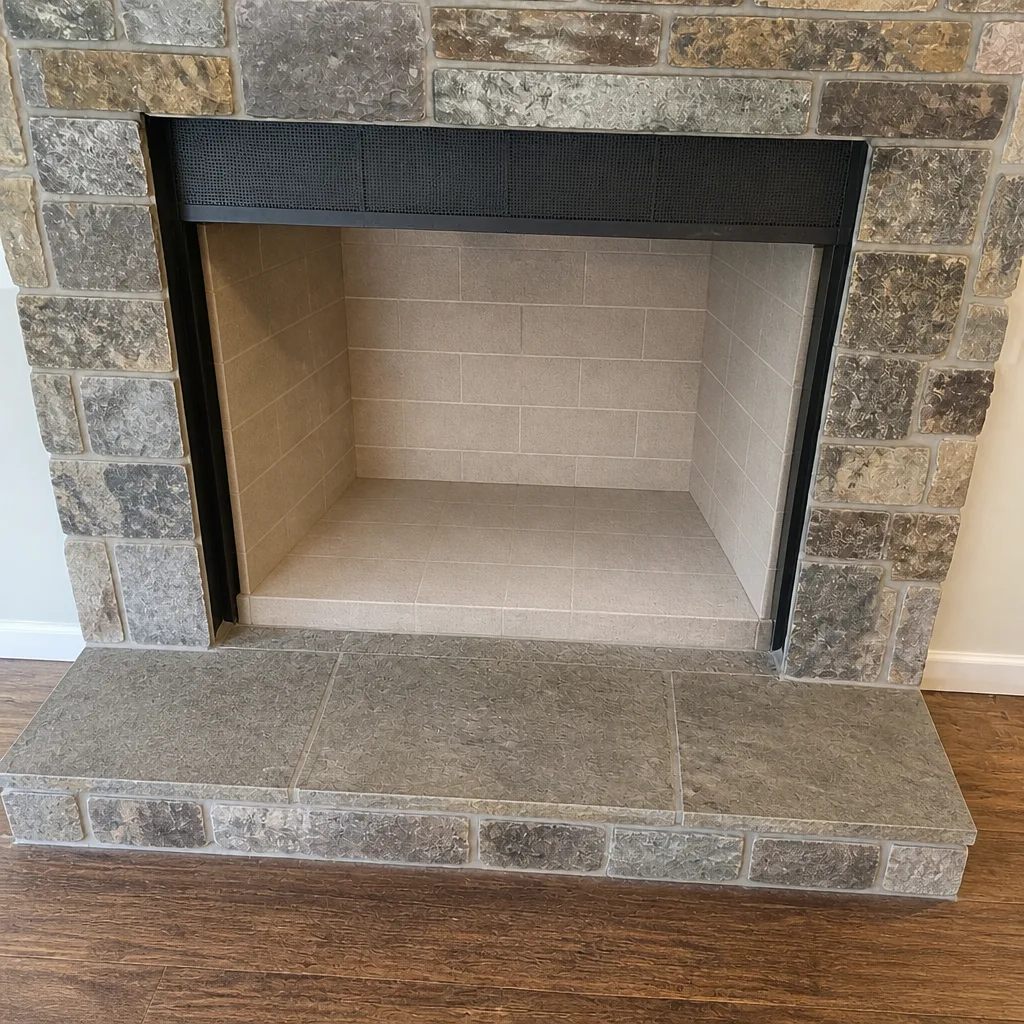
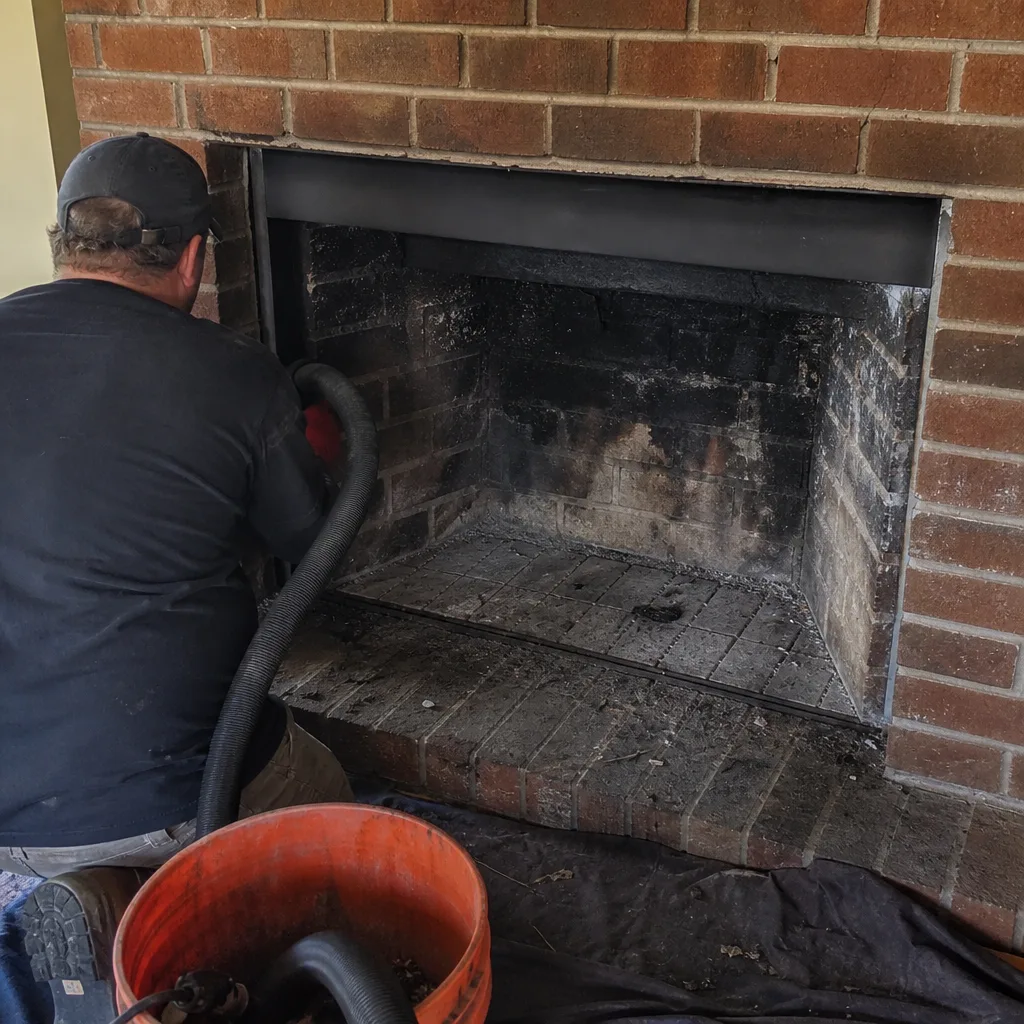
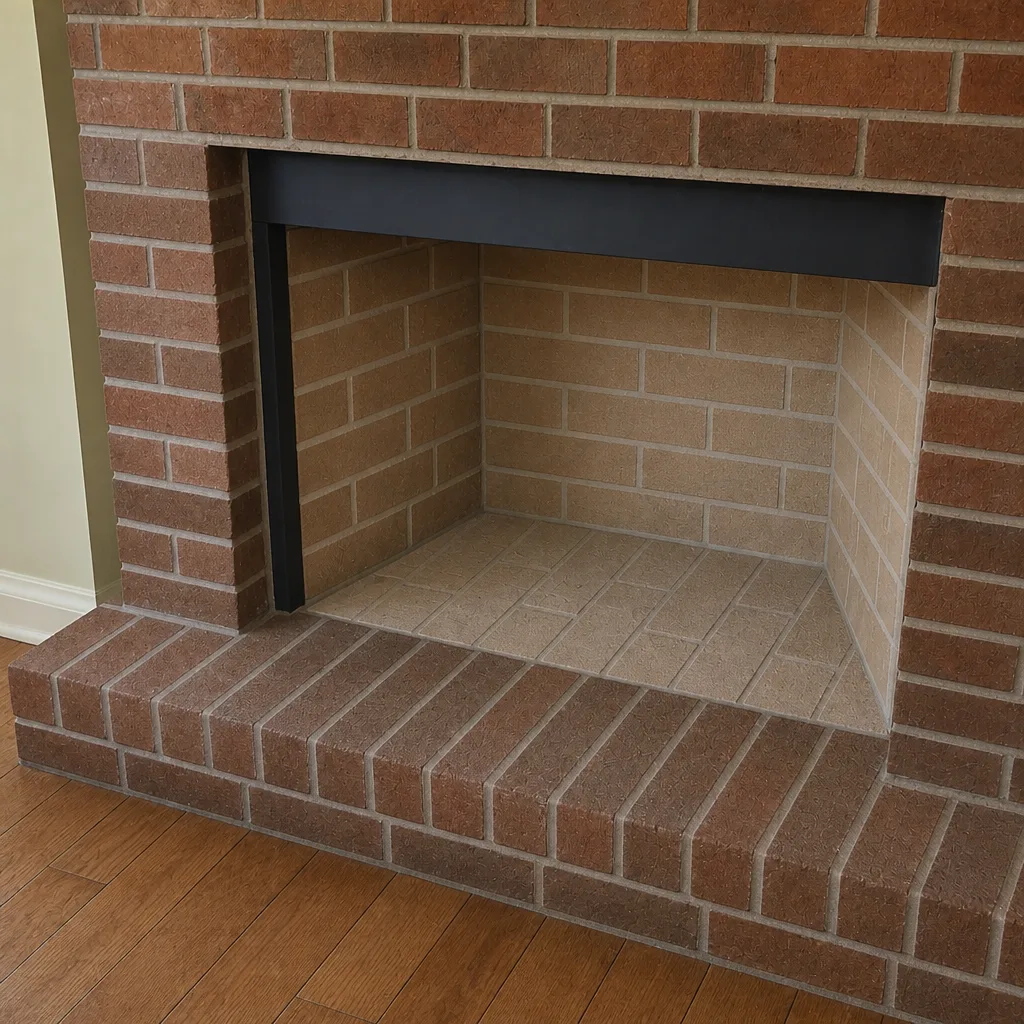
See the difference
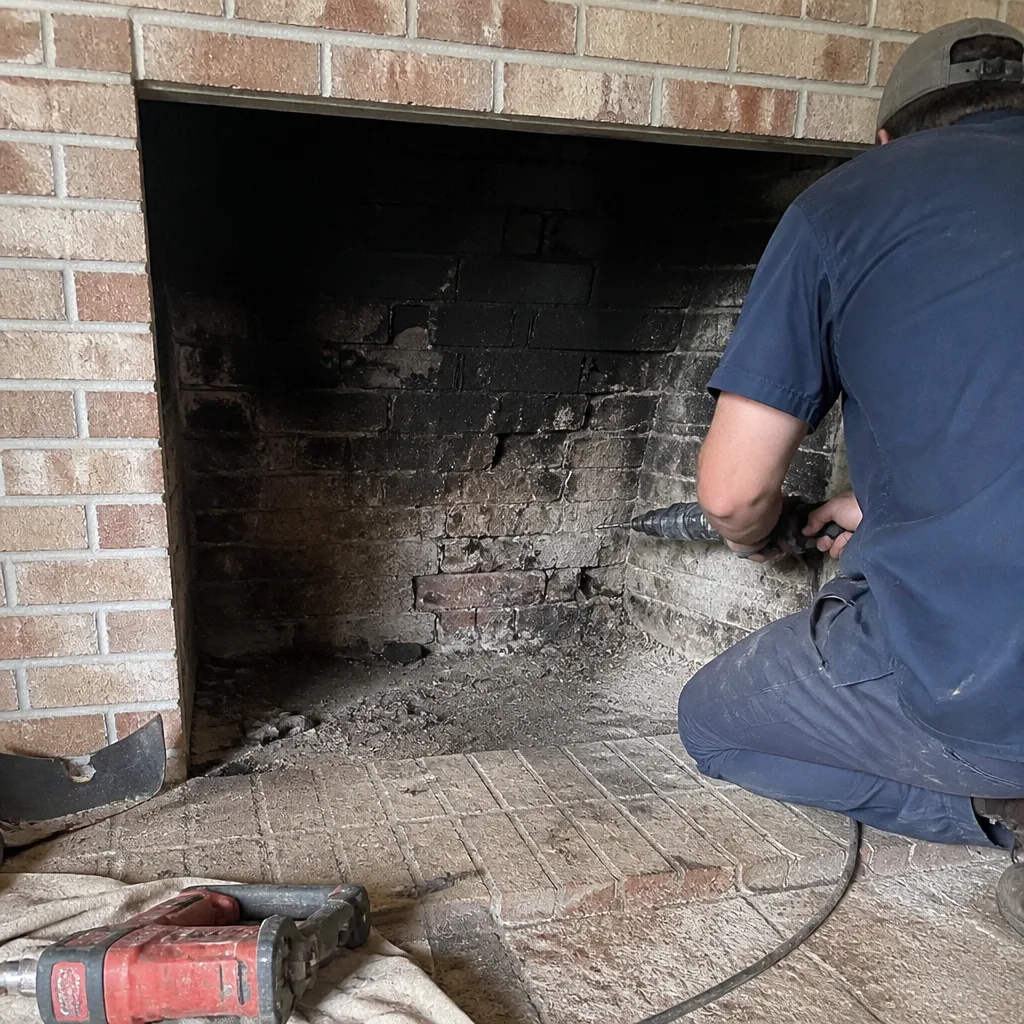 Before
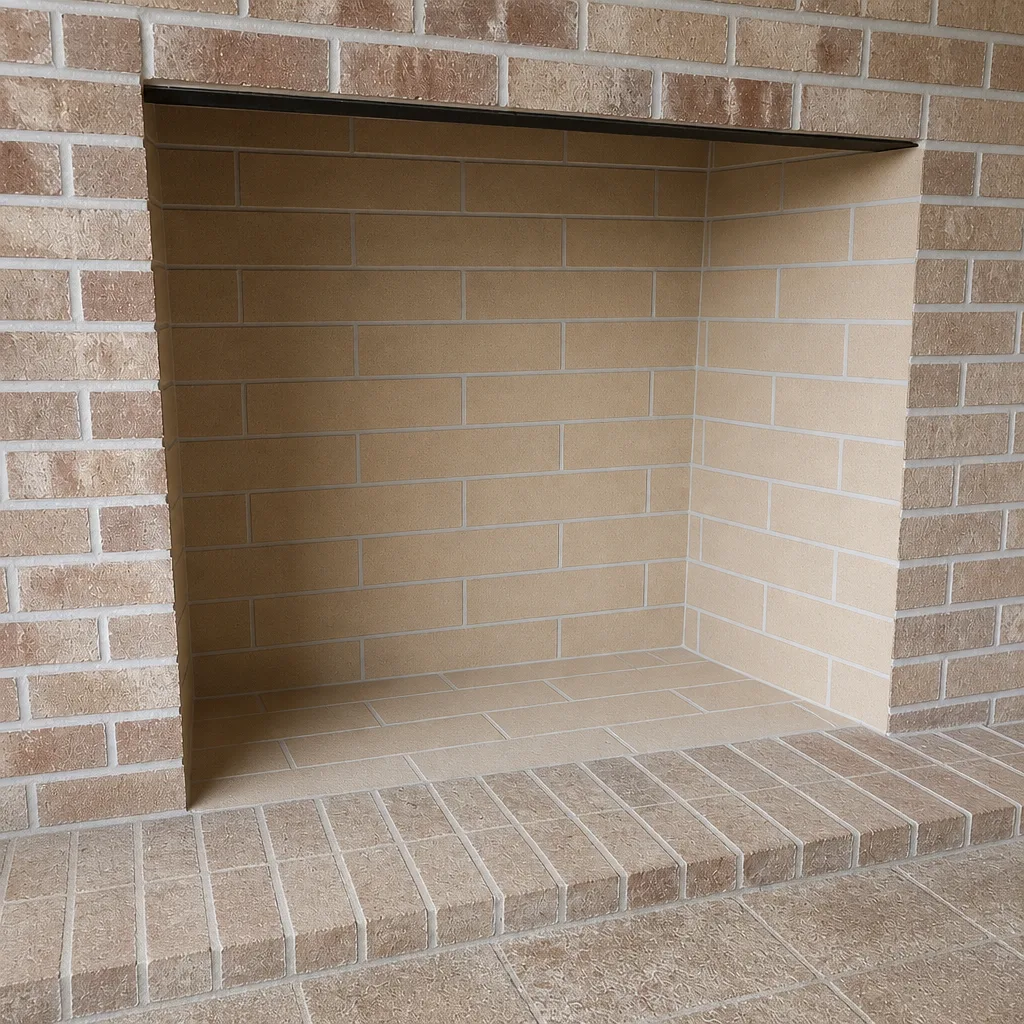 After
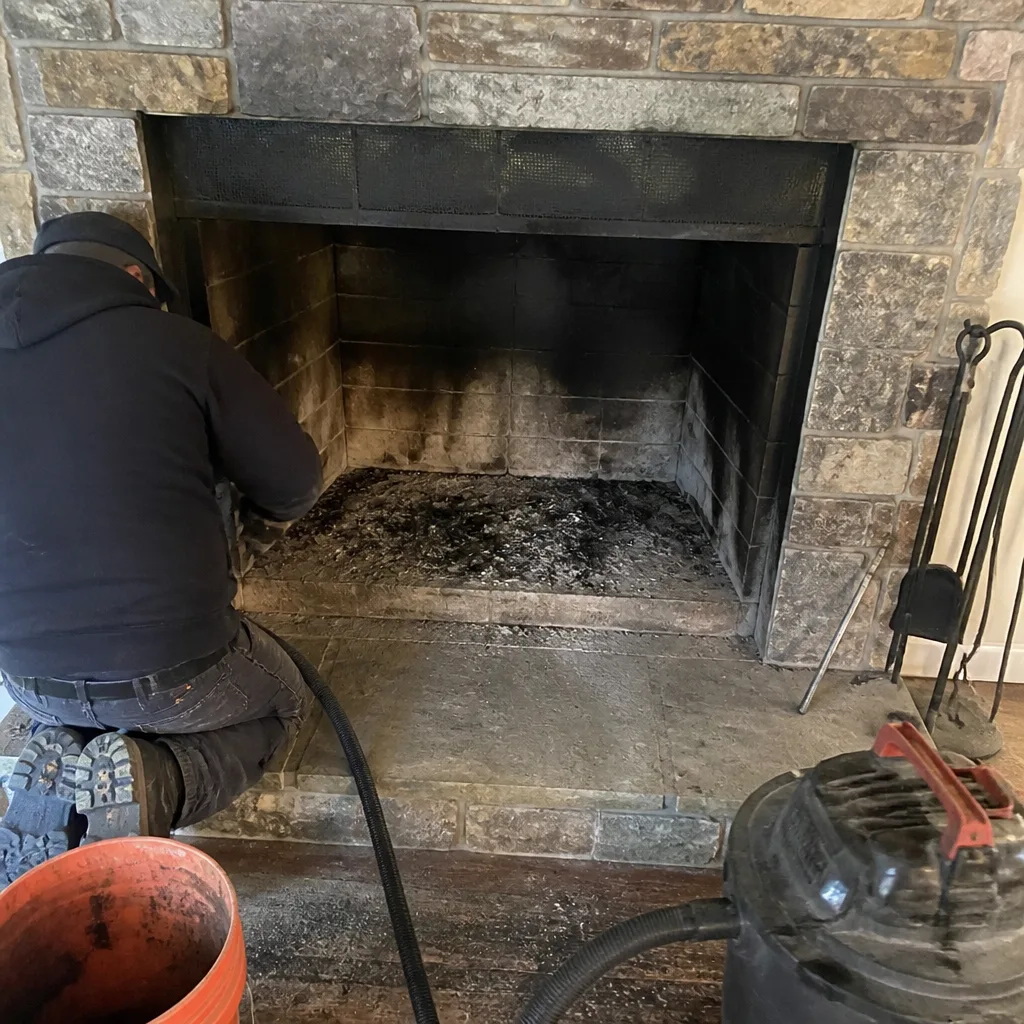 Before
 After
 Before
 After
Frequently Asked Questions
A standard wood-burning fireplace sweep in the Kirkwood market typically costs $150 to $275 in 2026, and a full-scope service that includes a camera inspection and a written photo report usually runs $200 to $350. Gas venting cleaning usually lands lower. The written estimate for your specific flue sets the final price. Call (844) 443-4847 for an exact quote – estimates are free.
You need a new liner when the camera shows cracked, broken, or displaced tiles, gaps at the joints, or a liner that’s been damaged by a previous chimney fire. Without that evidence, you don’t need one. If a technician recommends a liner replacement without showing you the photos, ask for them before you agree to anything. Call (844) 443-4847 to schedule an inspection with documentation.
A wood-burning chimney should be swept annually, or more often if you burn heavily or notice creosote building up faster than expected. A gas appliance venting should be inspected annually even though it doesn’t produce creosote the way wood does. The annual inspection matters as much as the sweep itself because it catches problems before they turn into repairs. Call (844) 443-4847 to book a sweep and inspection.
Skipping a sweep lets creosote accumulate to the point where it becomes a chimney fire fuel source, and it lets small flue, crown, or cap problems turn into structural repairs that cost far more than the maintenance would have. A blocked flue can also push carbon monoxide back into the living space instead of venting it outside. Both risks are real and both are avoidable with regular service. Call (844) 443-4847 – estimates are free.
Three things usually explain the gap: their creosote stage is lower, they aren’t getting a camera inspection with the sweep, or the lower quote is missing containment, documentation, and the exterior check. None of those are minor. A proper quote includes all of them. Call (844) 443-4847 and we’ll tell you exactly what your estimate includes, line by line.
We work with DuraFlex for flexible liner installation, HeatShield for flue resurfacing, Copperfield and Olympia Chimney for caps and system components, and Gelco and Famco for the rest of the professional-grade material portfolio. We don’t install anything outside that list, because we’ve seen how budget materials fail. Call (844) 443-4847 if you’d like to talk through which brand applies to your repair.
The Bottom Line
Chimney cleaning pricing in Kirkwood varies by a factor of three because the scope varies by a factor of three. A $79 sweep and a $299 sweep aren’t the same service at different prices. They’re a cleaning without inspection versus a cleaning with inspection, documentation, containment, and a proper look at the cap, crown, and flue. Creosote stage drives the sharpest cost difference, and Stage 3 removal is a different job with a different price range. Add-ons are worth paying for when they come with evidence and not worth paying for when they don’t. Material quality costs more upfront and less over the life of the system. Get a written scope, ask for photos, and compare apples to apples before you agree to a number. That’s the whole game, and it’s the same game in Kirkwood that it is anywhere else. For fireplace repair or a sweep, we’re one call away.
Call (844) 443-4847 for a free estimate. We’ll inspect before we recommend anything, show you what we find, and hand you a written scope you can actually use to make a decision.
Written by the team at Chimney Sweep Kirkwood.