
Last updated November 25, 2026
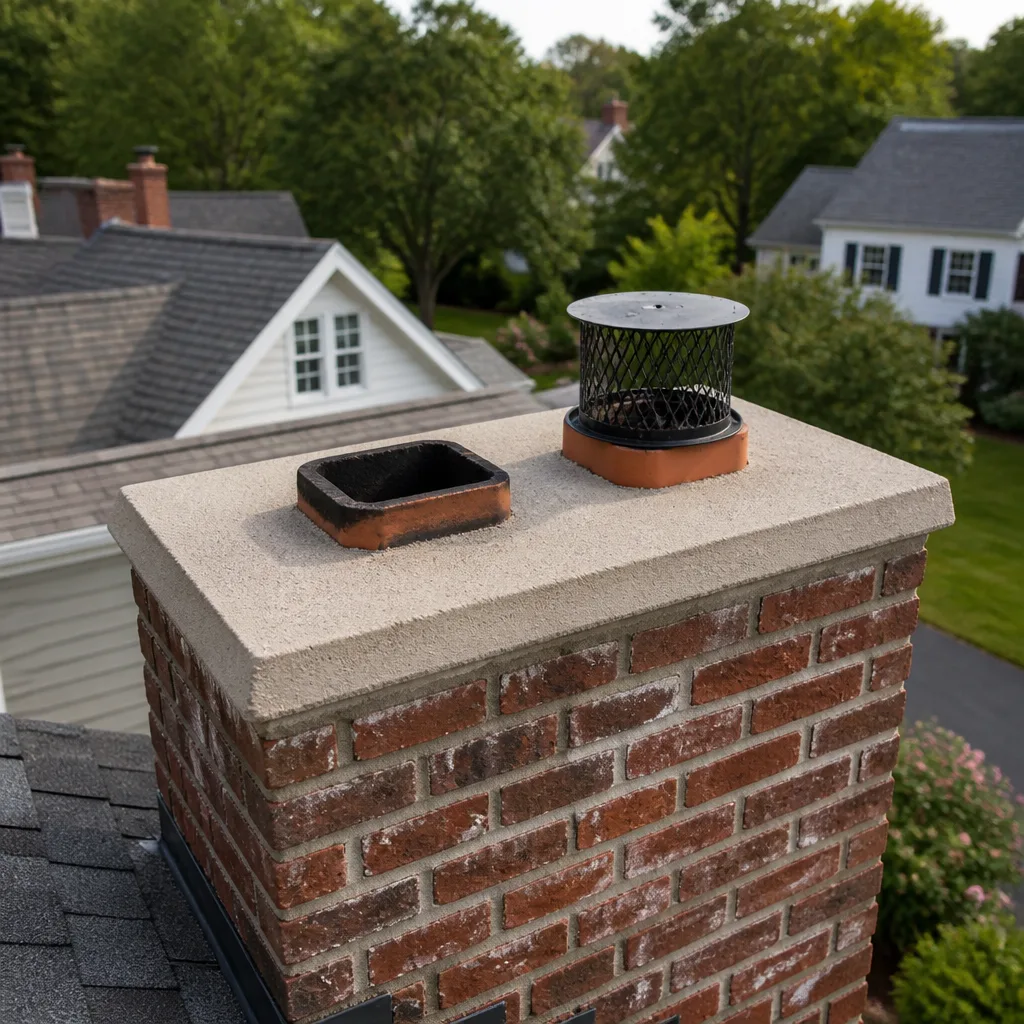 Sweep & inspection
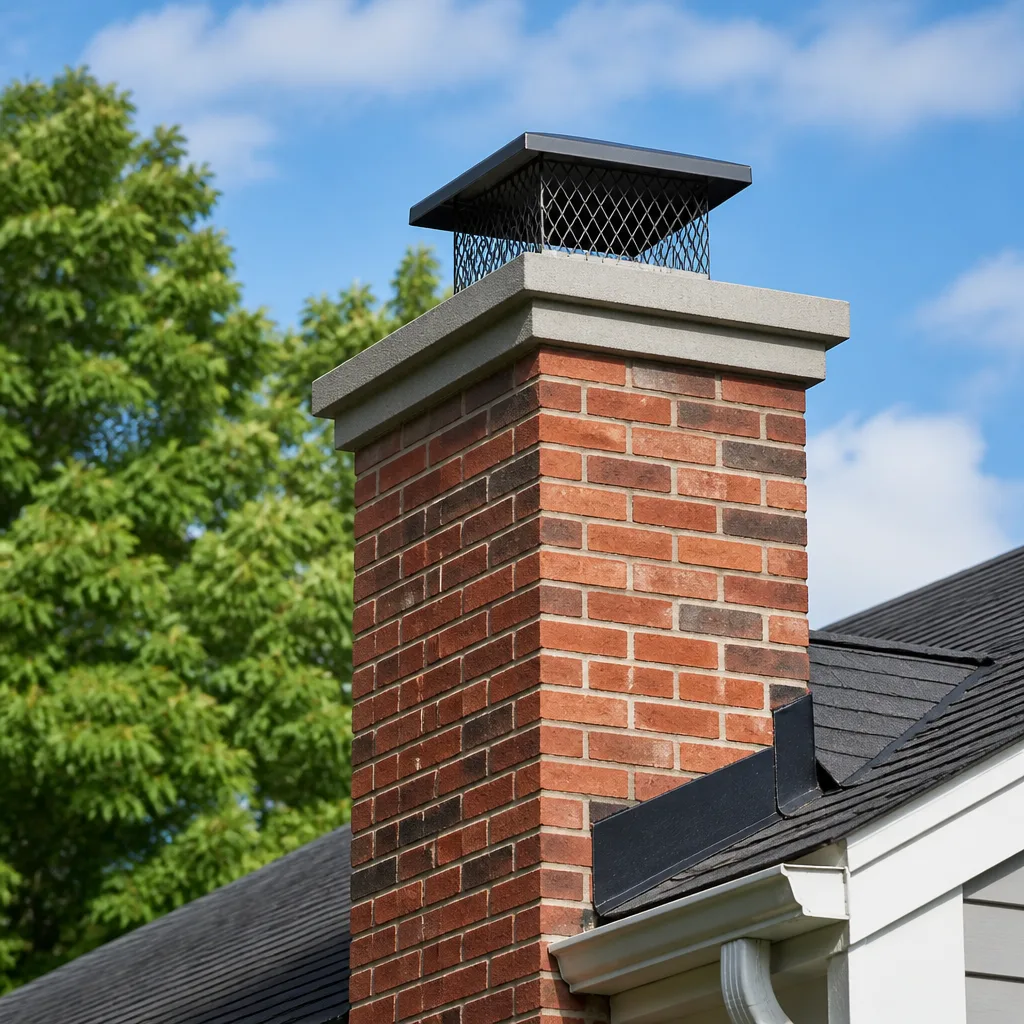 Caps & crowns
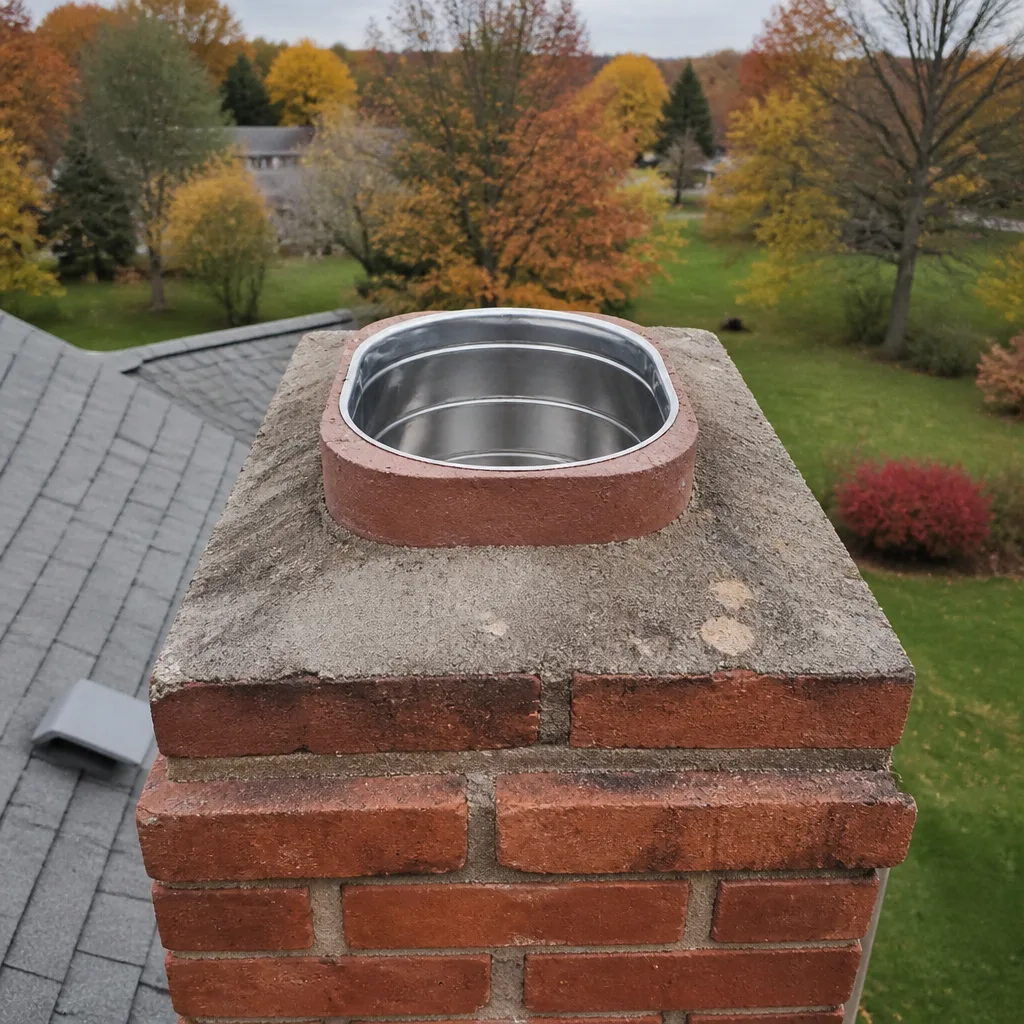 Flue relining
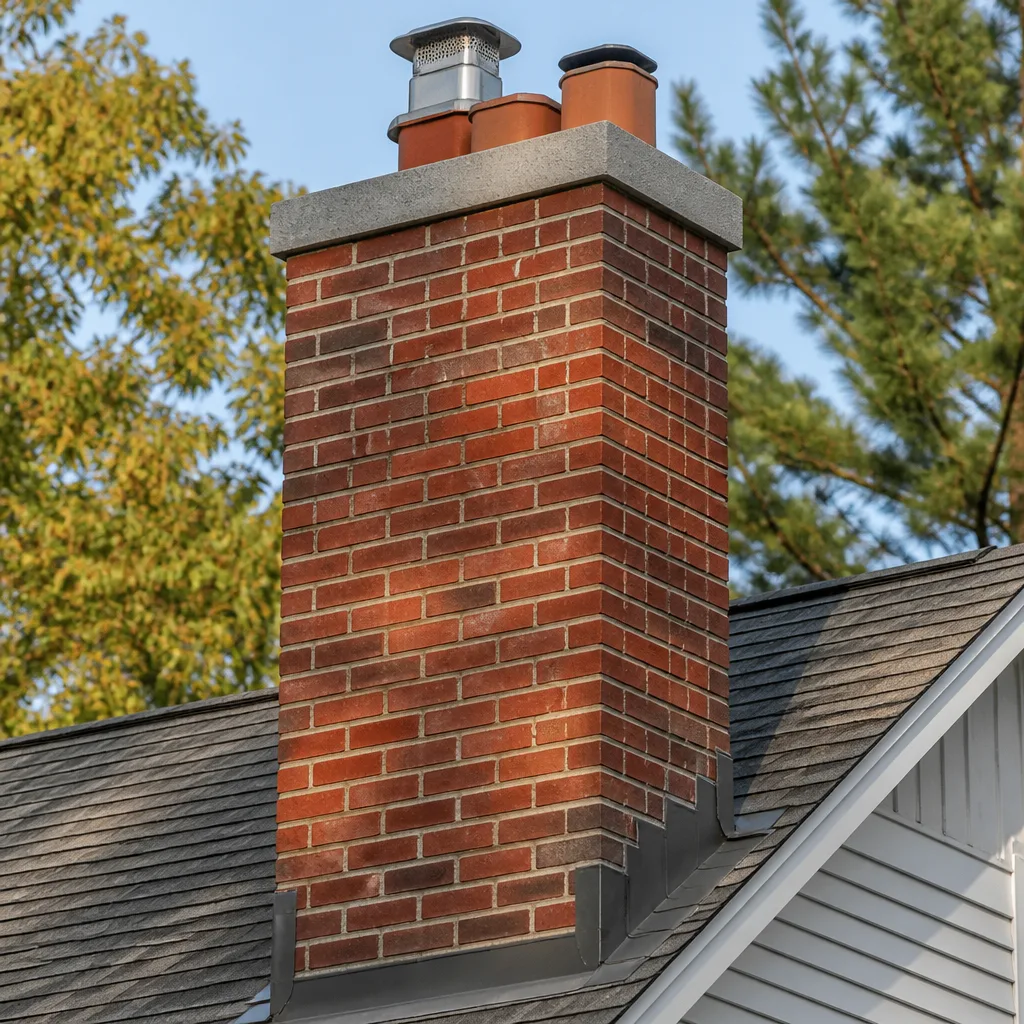 Masonry repair
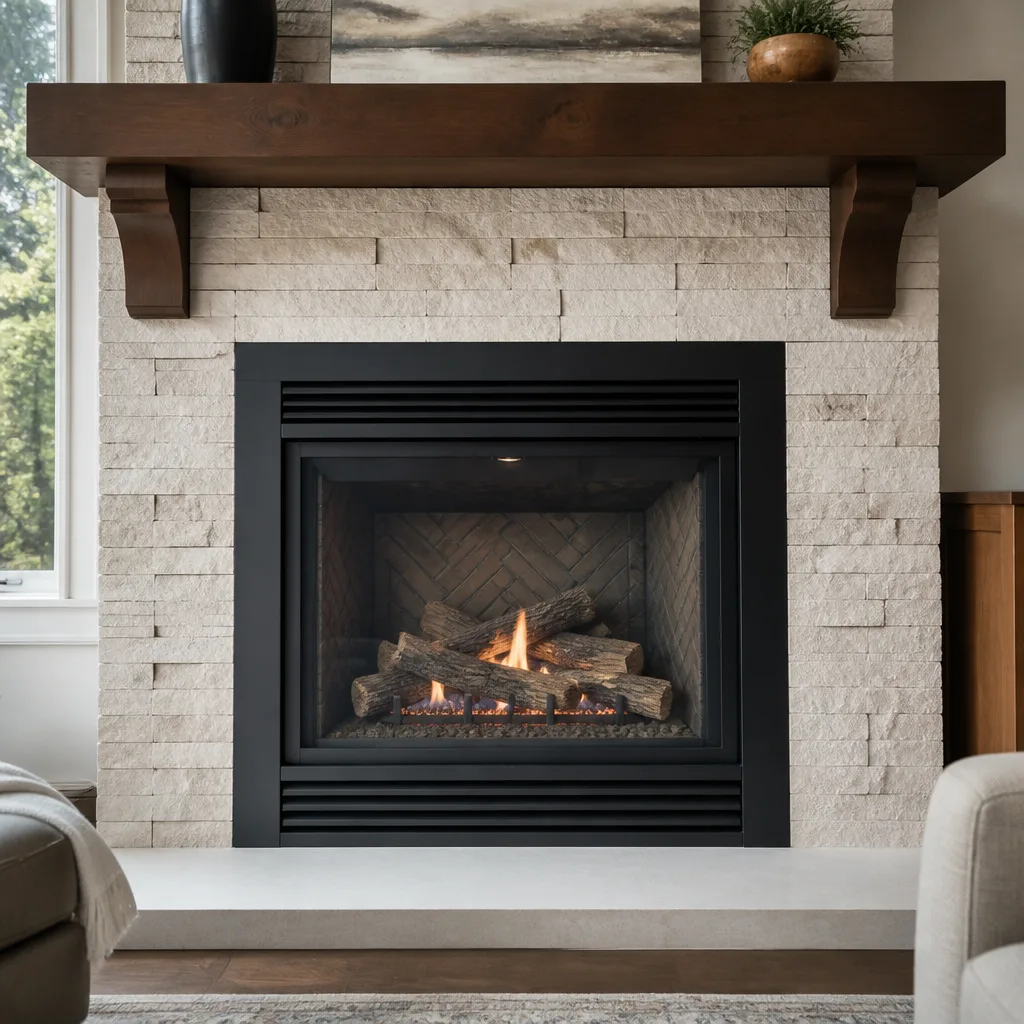 Gas fireplace service
Level 1 sweep and inspection to the NFPA 211 annual standard - flue, crown, cap, and flashing checked and photographed
Chimney sweep logs do not sweep chimneys. They loosen some creosote - which then falls where a brush and vacuum still have to collect it.
Chimney Cleaning Permits, Codes & Inspections in Kirkwood, GA: What You Need to Know
Most homeowners assume a permit only matters when someone builds a new house. Chimneys are different. In Georgia, a chimney liner replacement or a structural repair done without a permit counts as unpermitted work, and that status can follow the house long after the crew packs up. When it surfaces during a home sale inspection, a buyer’s lender can require the work to be torn out and redone before the loan closes. That is the part nobody explains at the estimate. This guide lays out what in your chimney system is routine maintenance and what legally counts as construction, how state code and Cherokee County review interact, when an inspection is required versus simply wise, and how to check that a contractor’s work was actually permitted, inspected, and closed. We’ll keep the Kirkwood details specific because that’s where we work.
Quick Answer
In Kirkwood and across Georgia, cleaning and maintenance (a standard sweep, a Level 1 inspection, a cap swap) generally needs no permit, while structural repair and liner replacement often do because Georgia adopts the International Residential Code and NFPA 211, and local building departments review the work under those standards. A Level 2 inspection is legally triggered in a real estate transaction when the property changes hands or after a chimney fire, an earthquake, or a weather event. The written estimate and the permit record are what prove the job was done to code.
Styles & brands we work with
- Sweep & inspection
- Caps & crowns
- Flue relining
- Masonry repair
- Gas fireplace service
Table of Contents
- Maintenance vs. Construction: Which Chimney Work Needs a Permit in Georgia?
- How NFPA 211 and the International Residential Code Shape Georgia Chimney Rules
- Cherokee County and Kirkwood: Where Local Review Comes In
- What a Level 2 Inspection Means in a Real Estate Transaction
- How to Verify a Contractor Actually Pulled and Closed the Permit
- The Insurance Angle: What Your Policy Expects From You
- Why Kirkwood’s Climate and Housing Stock Change the Answer
- Questions to Ask Before You Sign
Maintenance vs. Construction: Which Chimney Work Needs a Permit in Georgia?
The cleanest way to think about it: if the work is about removing what built up inside a working system, it’s maintenance. If the work changes the system itself, it usually falls on the construction side of the line, and that’s where permits begin. Most contractors never spell out the difference, which is how homeowners end up surprised.
Here is the split as we explain it to Kirkwood homeowners before any job starts:
- Usually no permit: a routine chimney sweep, a Level 1 inspection, installing or replacing a chimney cap, and minor crown patching that doesn’t alter the structure.
- Often needs a permit: a full liner replacement, rebuilding a chimney above the roofline, a firebox rebuild that changes clearances, removing or adding a flue, and structural masonry work that changes how the chimney carries load.
The reason a liner replacement lands on the permit side is that the liner is a listed component with a required clearance to combustibles and a defined venting capacity. Replacing it is not cleaning, it’s re-engineering the vent. In our experience the liner is also where the insurance question lives: a policy that expects a code-compliant chimney will treat an unpermitted liner as a gap. That’s why we inspect before we recommend anything, and why we won’t tell you a liner is needed based on a glance up the flue.
One nuance worth stating plainly: whether a specific job needs a permit depends on your local building department’s read of the scope, not on what a contractor says at the door. If a repair is structural or replaces a listed component, call the department and confirm. It takes five minutes and protects the whole job.
How NFPA 211 and the International Residential Code Shape Georgia Chimney Rules
Georgia’s statewide building code draws on the International Residential Code (IRC), and the IRC in turn points to NFPA 211, the standard for chimneys, fireplaces, vents, and solid fuel appliances. Most of what a contractor does on a chimney comes down to those two documents plus the manufacturer’s installation instructions for whatever component goes in. When someone says a repair is “code compliant,” they mean it meets the IRC’s requirements as supported by NFPA 211 and the listed product’s own instructions. Anything short of that is an opinion.
What NFPA 211 actually covers that matters to a homeowner:
- Clearances between the chimney and combustible material, which is the single most common failure point we find on inspections.
- The requirement that liners be listed and installed per the manufacturer’s instructions, which is why brand and installation method matter together, not separately.
- Inspection levels (Level 1, 2, and 3) and when each applies.
- Sizing and venting capacity for the appliance connected to the flue.
Kirkwood’s housing stock makes those clearances more relevant than they’d be in a newer subdivision. A lot of the neighborhood’s older homes have had fireplaces added, liners swapped, and flues rerouted over the years, and each modification is a chance for a clearance to get lost. That’s part of why we work with named products like Olympia Chimney and HeatShield rather than generic parts: a listed component with documented instructions is a lot easier to defend to an inspector or an insurance adjuster than an anonymous liner.
When a repair moves into listed-component territory, we’re installing it with a system that has the paperwork behind it. That’s not a sales pitch, it’s how code compliance actually works.
Cherokee County and Kirkwood: Where Local Review Comes In
The state sets the floor, and the local building department handles the review, the permit, and the inspection in the field. In Cherokee County, that’s where a liner replacement or a structural chimney repair gets looked at by someone other than the contractor. The department’s job is to verify the work matches the approved scope and the code, and then to close the permit. A closed permit is the record that says the work passed.
Here’s how a permitted chimney repair typically runs, step by step:
- An inspection establishes what’s actually wrong inside the flue, crown, and firebox, with camera evidence you can see.
- The contractor determines whether the scope crosses into permitted work (usually structural repair or liner replacement).
- A permit application is filed with the local building department, describing the scope.
- The work is performed to that scope, using the listed materials and methods the permit describes.
- The department inspects, and the permit closes.
The reason this matters specifically in a place like Kirkwood is that its housing is a mix of original early-20th-century homes and newer construction. Older homes have more history of repairs, and history is exactly what a buyer’s inspector is going to dig into. A closed permit on a liner replacement, or a clear paper trail on a HeatShield resurfacing job, makes that conversation much shorter. An unpermitted one makes it long.
One honest caveat: permit requirements and processes change, and the department’s own interpretation of a scope is what controls. If you’re unsure whether your job needs a permit, ask the building department directly, and ask your contractor to put the scope in writing. That written scope is what the permit application gets built from.
What a Level 2 Inspection Means in a Real Estate Transaction
A Level 2 inspection is the inspection required whenever the property is sold or transferred, when a chimney has had a fire, when the appliance or fuel type changes, or after an earthquake or severe weather. It goes beyond the basic Level 1 walkthrough: it covers accessible portions of the chimney both inside and outside, and it includes a video scan of the flue. It’s the level that shows up in real estate transactions, and it’s the level that tends to surface what a Level 1 can’t see.
The difference between the levels, briefly:
- Level 1: visual-only inspection of accessible portions, recommended annually and after routine cleaning.
- Level 2: includes a video camera scan of the flue and accessible exterior and interior areas. Required on sale or transfer of the property, after a chimney fire, after a change of fuel or appliance, and after an earthquake or severe weather event.
- Level 3: the most invasive, used when a hazard is suspected in a concealed area and portions of the chimney or surrounding structure need to be opened up. Not routine.
Here’s the part that trips people up: a Level 2 is not legally required for every sale, but it’s the level buyers’ lenders and inspectors expect to see, and a Level 1 won’t substitute. When a Kirkwood home goes on the market, a Level 2 with a video report is what answers the buyer’s questions before they become a negotiating point. The camera also catches things a visual scan won’t: a hairline crack in a liner, a break in a flue tile joint, or a disconnected vent connector. We include the camera footage and a photo report with every inspection, so the buyer can see what the scan saw.
Five things a real estate Level 2 typically checks:
- The flue interior via video, looking for cracks, gaps, or signs of a prior fire.
- The firebox and smoke chamber for deterioration or clearance problems.
- The crown and cap for cracks, missing pieces, or improper installation.
- The exterior masonry and flashing for water intrusion or separation.
- The visible appliance connection and any clearances to combustibles.
If the report comes back clean, that’s a real data point for the sale. If it comes back with a liner replacement, the seller now knows the scope and can price accordingly, rather than letting a buyer’s inspector name a number. Either way, the chimney inspection is the foundation, and it should come before any recommendation.
How to Verify a Contractor Actually Pulled and Closed the Permit
This is the section most homeowners have never been offered. A contractor can claim a repair was pulled, inspected, and closed. Verifying it is not hard, and it shouldn’t be uncomfortable to ask.
Step one is to ask for the permit number before the work begins, in writing, along with the scope the permit covers. Step two is to ask the building department to confirm the permit exists and is open under the correct address. Step three, after the work is done, is to confirm the permit has been inspected and closed. A permit that was pulled but never inspected, or never closed, is not a completed record. It’s an open item that follows the house.
What to look for in the paperwork:
- The permit number, address, and scope, in writing.
- The inspection result and the closing record, after the work.
- Manufacturer documentation for listed materials, which supports the code-compliance claim.
- A written report of the work performed, with photos or video of the flue where applicable.
If a contractor resists providing any of this, that’s information too. In our experience, a business that pulls permits is happy to prove it, because the permit is the proof.
The Insurance Angle: What Your Policy Expects From You
Your homeowner’s policy doesn’t generally require annual sweeping as a condition of coverage, but it does expect you to maintain the property and it will look closely at how a chimney loss happened. A chimney fire traced to creosote buildup, or a water loss traced to a failed crown, gives an adjuster a reason to ask when the system was last serviced and by whom. Records of professional service and a clean inspection report are the strongest answer you can give.
Three records worth keeping:
- The written inspection report with the video or photo scan, showing the condition at the time.
- The sweep or repair invoice, with the date and the scope of work.
- Any permit and inspection records for structural or liner work.
The connection to permits is direct. An unpermitted liner replacement is unpermitted work, and an insurer evaluating a claim can treat it as a gap in the record. The same goes for a repair using an unlisted or improperly installed part. That’s why we work with brands like HeatShield and Famco: when the paperwork matters, the brand and the installation method together are what carry the claim. We can work with your insurer on documentation, and we include the camera evidence and photo report so the record is in your hands, not just in ours.
One more point on what you’re paying for. Our estimates are flat-price sweeps and repairs agreed before work begins, and the written estimate sets the final price. If a repair can safely wait, we say so, and that’s a fact that shows up later when you need to explain your maintenance record.
Why Kirkwood’s Climate and Housing Stock Change the Answer
Kirkwood’s summers are humid and its winters get cold enough for real wood-burning demand, and that combination does specific things to a chimney. The humidity pushes moisture into masonry and accelerates crown cracking and flashing failures. The burning season builds creosote inside the flue. And the older housing stock has usually been modified at least once, which means the clearances and liner type may not match what the current fireplace actually needs.
What that means in practice for a Kirkwood homeowner:
- The crown and cap matter more than most people think, because they’re the first line against water intrusion. That’s why chimney cap & crown work is a service of its own for us, not an afterthought.
- A home that has had a fireplace added or a liner swapped is a candidate for a clearance check, even if the fireplace seems to work fine.
- Burning wood regularly, as many Kirkwood homes do, means annual inspection and sweeping matter more than they would in a gas-only household.
We’ve seen the same pattern across the neighborhood: a chimney that looks fine from the ground has a crown crack or a flue joint problem that only the camera catches. That’s why the inspection comes first and the recommendation comes after, not the other way around.
Questions to Ask Before You Sign
The questions below are the ones that separate a permitted, code-compliant job from a guess. Ask them before the estimate, not after the work.
- Will this work require a permit, and who is pulling it?
- Is this repair or maintenance as your building department defines it?
- What inspection level does this job call for, and why?
- What listed materials will be used, and can I see the manufacturer documentation?
- Will I get a written report with photos or video of the flue?
- What does a Level 2 inspection include that a Level 1 doesn’t?
- What is the enclosed scope, and what’s the final price after it’s agreed?
Our technicians have up to 11 years of experience, and the ones who handle permits and inspections can walk through each of these questions with your specific chimney in front of them. If you’d like a second read on whether a job needs a permit, that conversation doesn’t cost you anything.
Common Mistakes to Avoid
- Assuming a sweep and a repair need the same paperwork. Cleaning is maintenance and generally needs no permit. Liner replacements and structural repairs often do, and the difference is the whole point of asking.
- Taking a verbal “code compliant” as proof. Compliance is documented through the permit record and manufacturer instructions. Ask for the record, not the claim.
- Skipping the Level 2 on a home sale. A Level 1 won’t substitute for the video scan a buyer’s lender expects, and the gap becomes a negotiating point instead of a fact.
- Replacing a liner with an unlisted part to save on the estimate. A generic liner without documented instructions is the hardest repair to defend to an insurer or an inspector, and often the most expensive to redo.
- Assuming a closed permit is automatic. A permit that was pulled but never inspected or closed is an open item on the property’s record, not a finished job.
- Ignoring the crown because the inside looked fine. In Kirkwood’s humid climate, crown cracks are one of the most common paths to water damage, and they show up long before a flue problem does.
- Burning season without a pre-season inspection. The safest inspection happens before the first fire of the season, not after the first sign of trouble.
See the difference
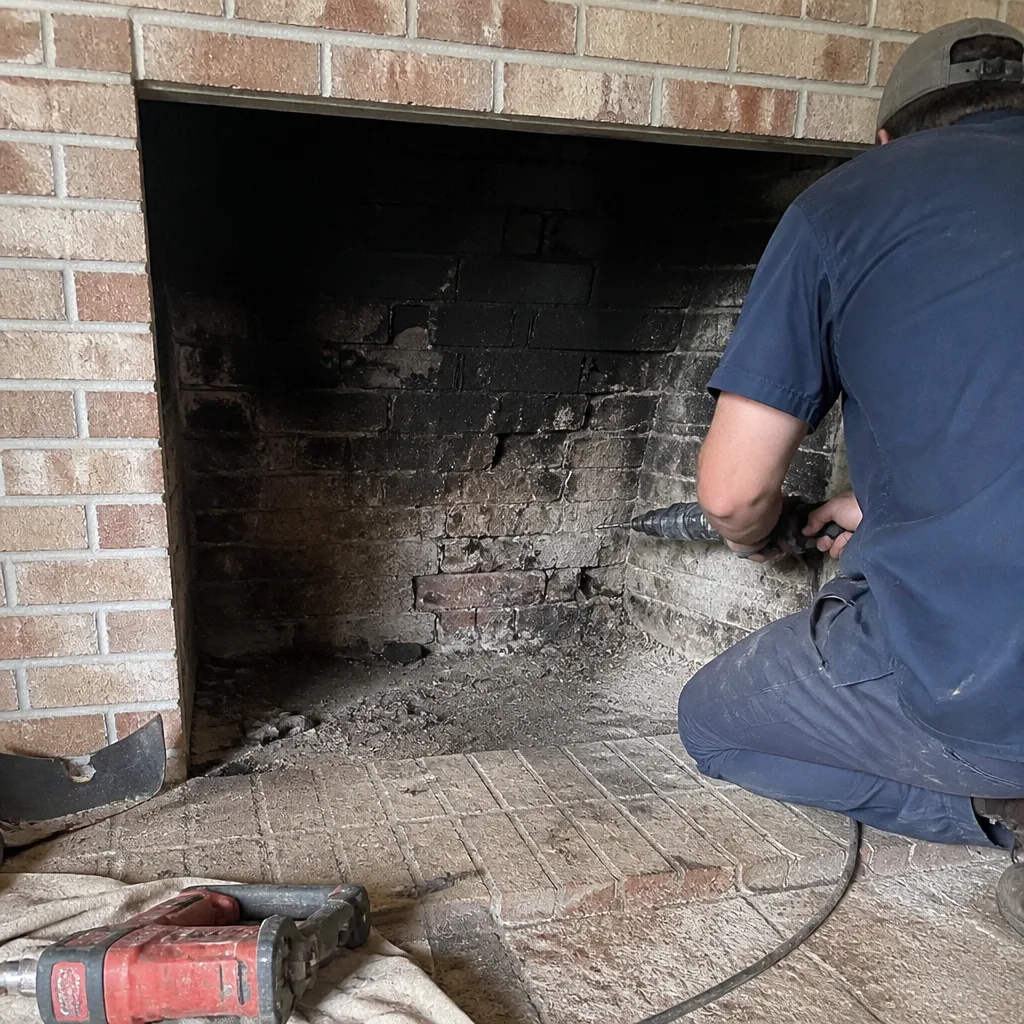 Before
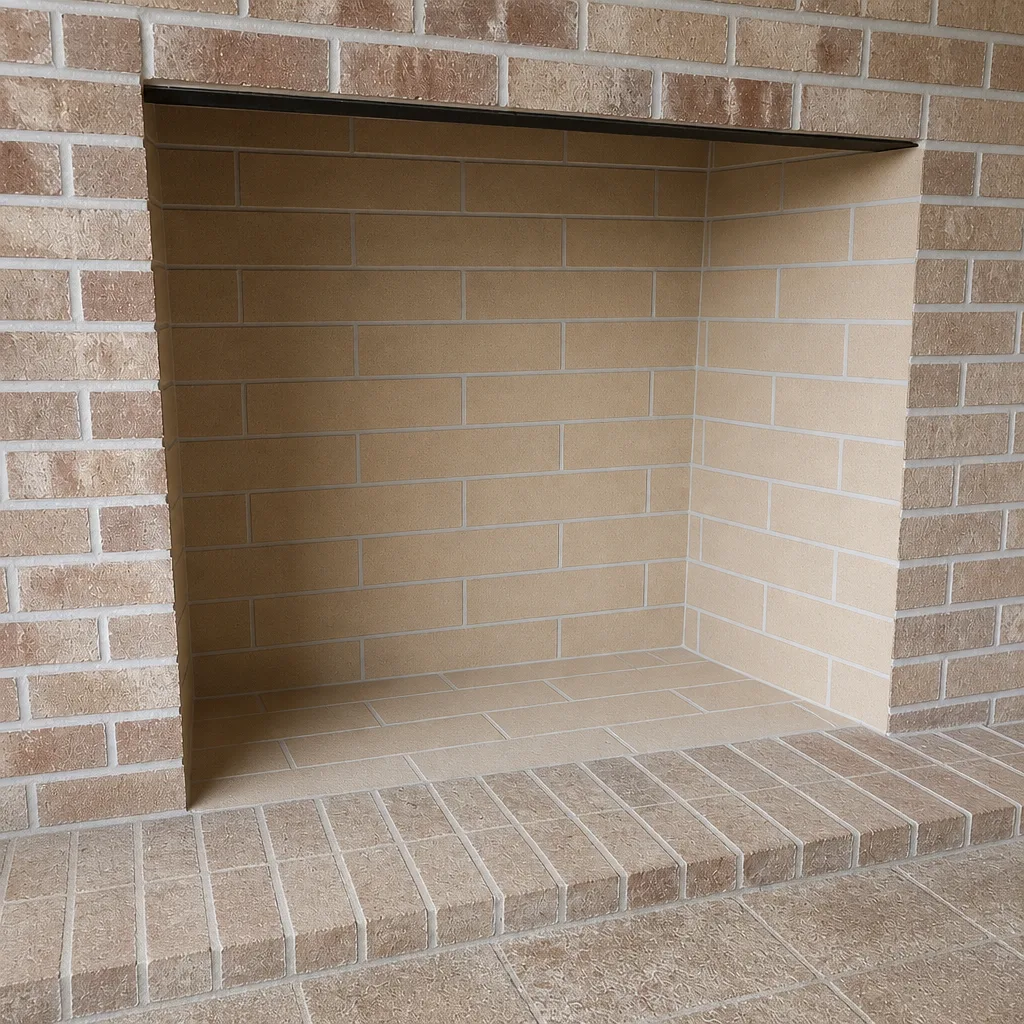 After
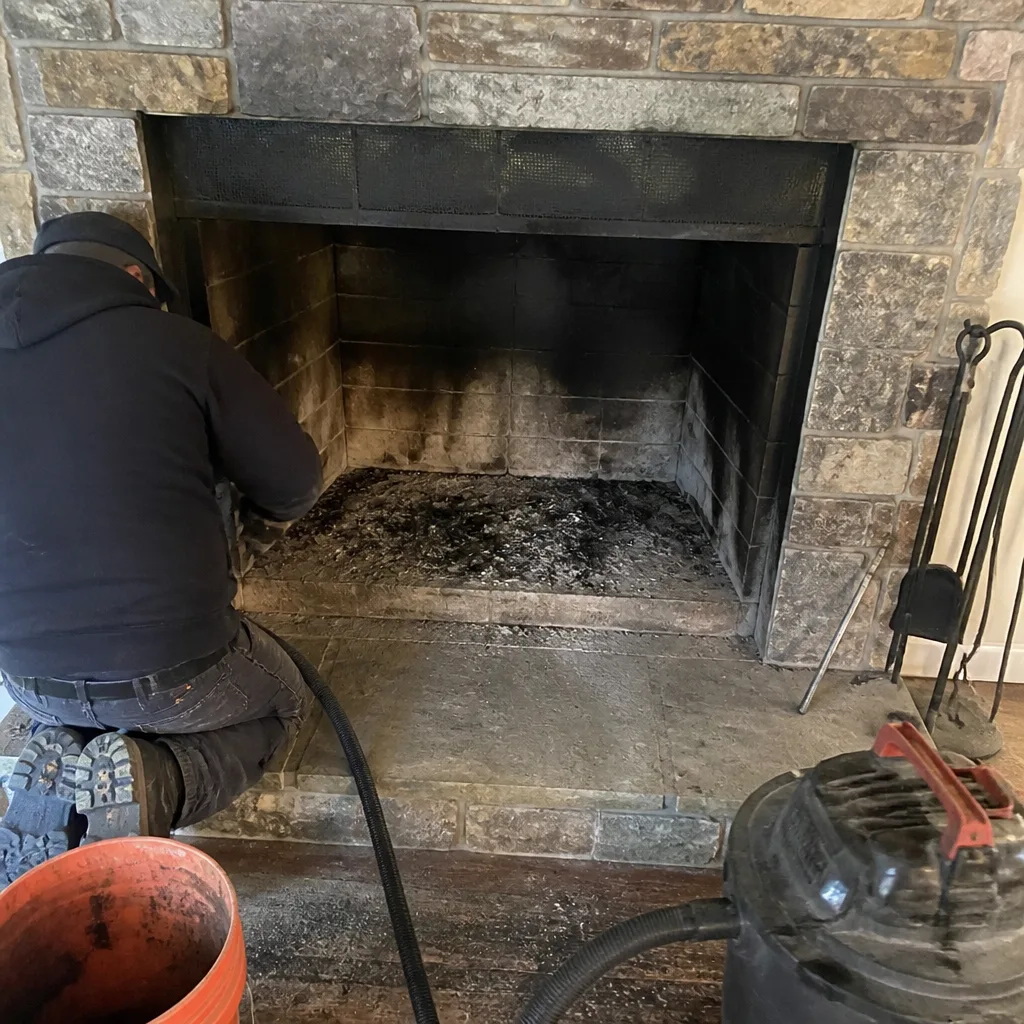 Before
 After
 Before
 After
When to Call a Professional
Call a professional when the job crosses from cleaning into anything structural, or when you’re not sure which side of the line it’s on. That includes a liner replacement, a rebuild above the roofline, a firebox repair, or a crown that’s failing. It also includes any time a home is heading to market and a Level 2 inspection is expected. If you have a wood-burning fireplace and haven’t had the flue inspected in a year, that’s reason enough. And if a contractor tells you a repair is needed without showing you the camera evidence, call us for a second read. Chimney Sweep Kirkwood offers free estimates in Kirkwood, and we inspect before we recommend. Call (844) 443-4847. We answer 24/7. Fast dispatch from 7am to 7pm, Sunday through Friday.
Frequently Asked Questions
No. A routine chimney sweep and a Level 1 inspection are maintenance, and maintenance generally doesn’t require a permit in Georgia. The permit question starts when the work moves into structural repair or liner replacement, so ask before the scope is agreed. Call (844) 443-4847 for a free estimate and a clear answer on what your job needs.
It often does, because a liner is a listed component with required clearances, and replacing it counts as re-engineering the vent rather than cleaning it. Whether your specific job needs a permit depends on the local building department’s read of the scope. Our advice is the same either way: get it in writing and confirm with the department before work begins. Call (844) 443-4847 for a free estimate.
A Level 2 inspection is required whenever the property is sold or transferred, and it also applies after a chimney fire, after a change of fuel or appliance, and after an earthquake or severe weather event. It includes a video scan of the flue that a Level 1 doesn’t. On a real estate transaction it’s the level buyers’ lenders and inspectors expect to see. Call (844) 443-4847 for a free estimate.
Ask for the permit number in writing before the work begins, confirm it with the building department under your address, and then confirm after the work that it was inspected and closed. A permit that was pulled but never inspected or closed is not a completed record. We include the paperwork and the camera report so you have it in hand. Call (844) 443-4847 for a free estimate.
Yes. An insurer evaluating a claim can treat unpermitted liner work as a gap in the record, and a buyer’s inspector will often surface it during a sale. In a home sale, a lender can require the work to be torn out and redone before the loan closes. Keeping the inspection report, invoice, and permit records together is the simplest protection. Call (844) 443-4847 for a free estimate.
Listed components installed per the manufacturer’s instructions, which is what code compliance is built on. We work with professional-grade brands including HeatShield for flue resurfacing, Olympia Chimney and DuraFlex for liner systems, and Famco, and we install all of it in-house rather than handing it off. That single-source accountability matters when the paperwork has to hold up. See our fireplace repair work or call (844) 443-4847 for a free estimate.
The Bottom Line
The short version of this guide: cleaning is maintenance and generally needs no permit, while structural repair and liner replacement often do, and the permit record is what proves the work was done to code. NFPA 211, the IRC, and Cherokee County’s review work together on that, and a Level 2 inspection is the level a home sale expects. The habit that protects you is simple: ask for the written scope, ask for the permit number, get the camera report, and confirm the permit closes. We’re a Chimney Sweep Kirkwood full-scope company, from the first sweep to the final repair. Call (844) 443-4847 for a free estimate. We answer 24/7. Fast dispatch from 7am to 7pm, Sunday through Friday.
Written by the team at Chimney Sweep Kirkwood.