
Last updated November 25, 2026
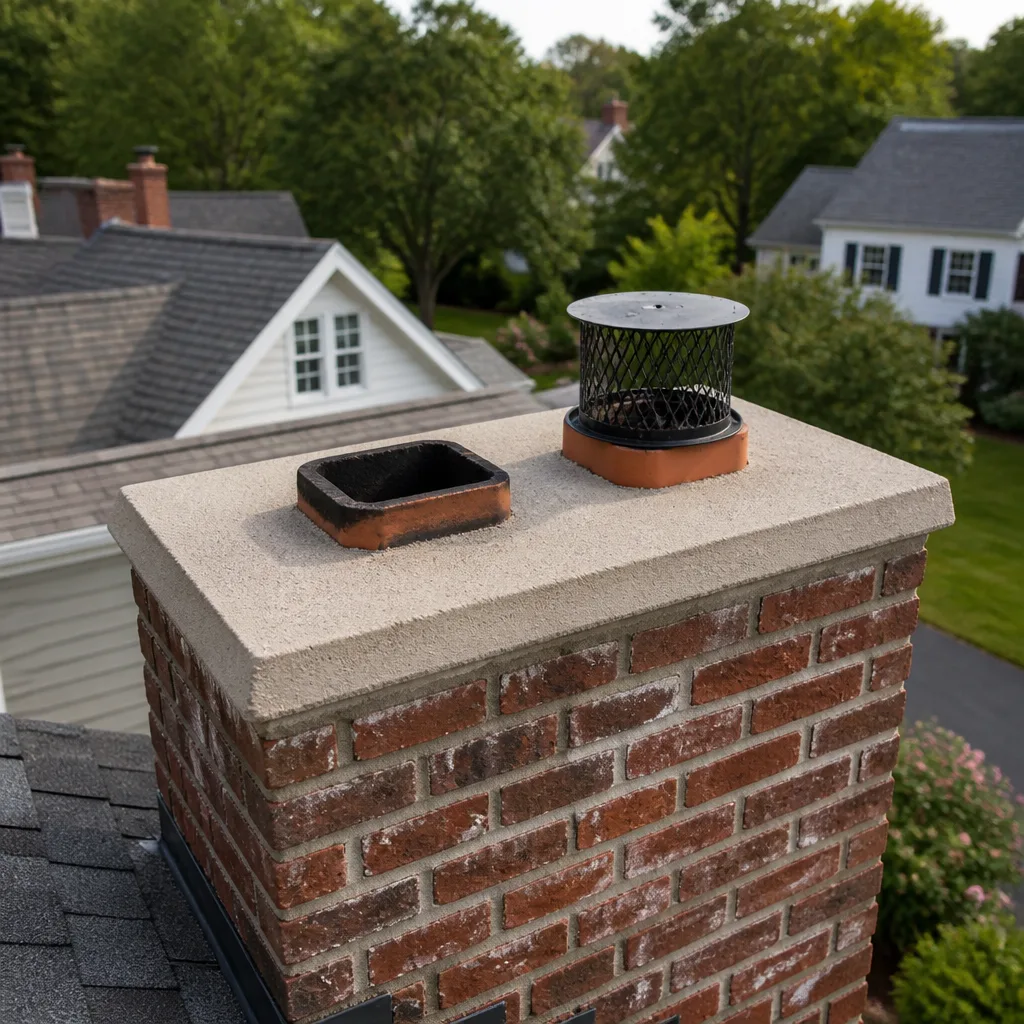 Sweep & inspection
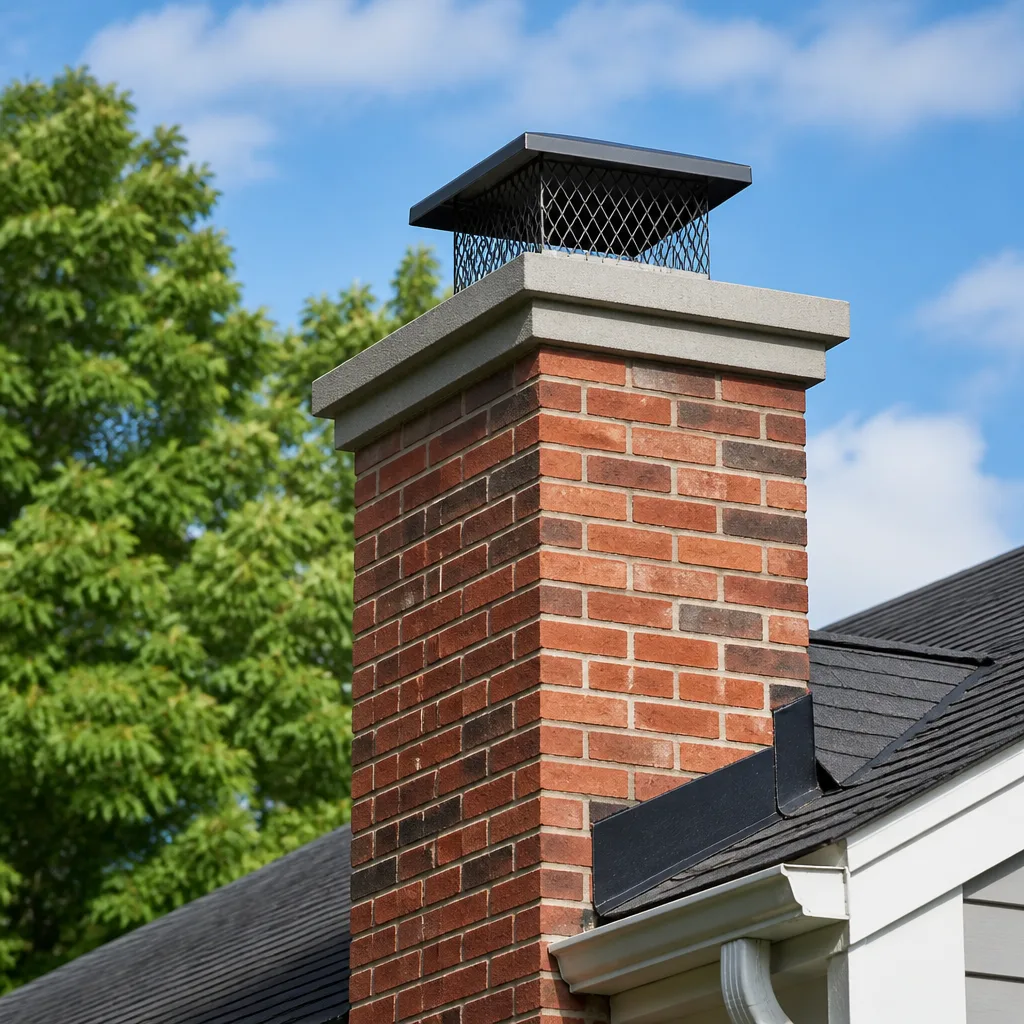 Caps & crowns
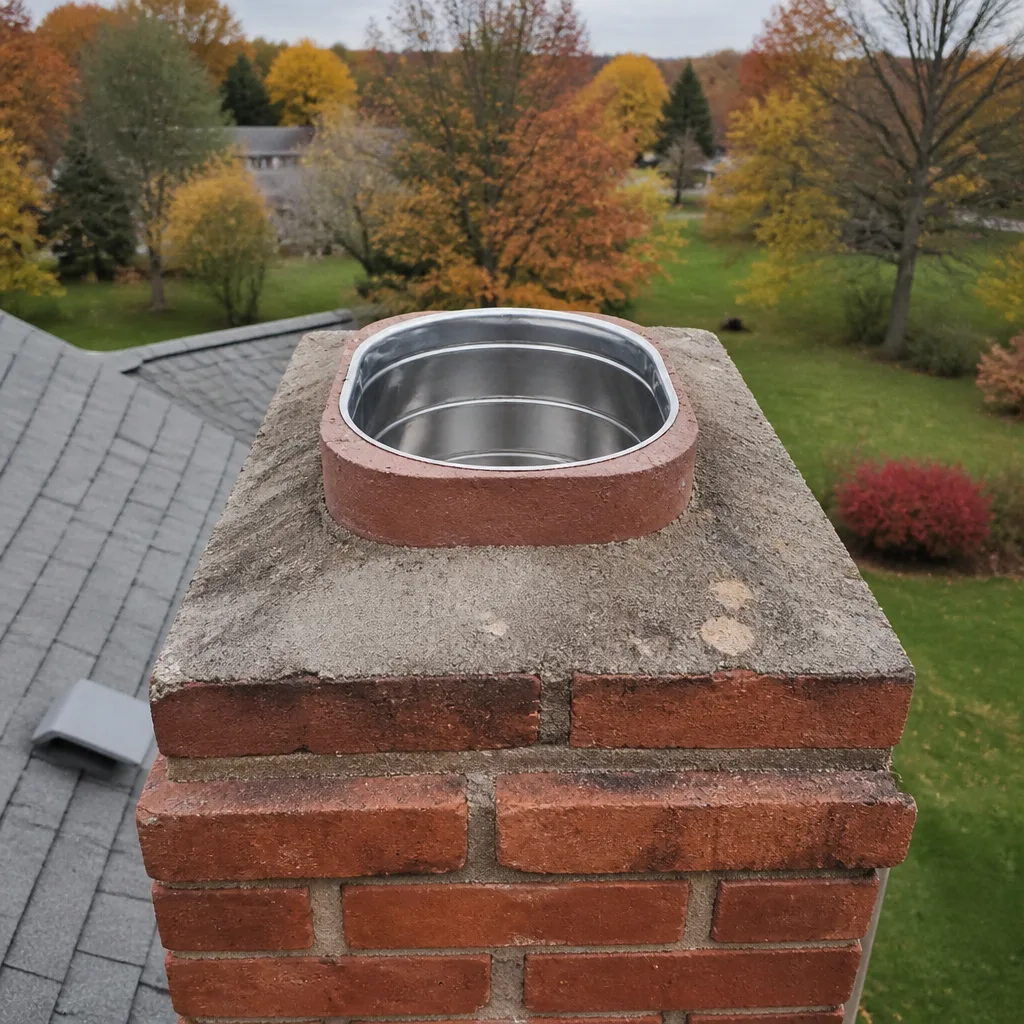 Flue relining
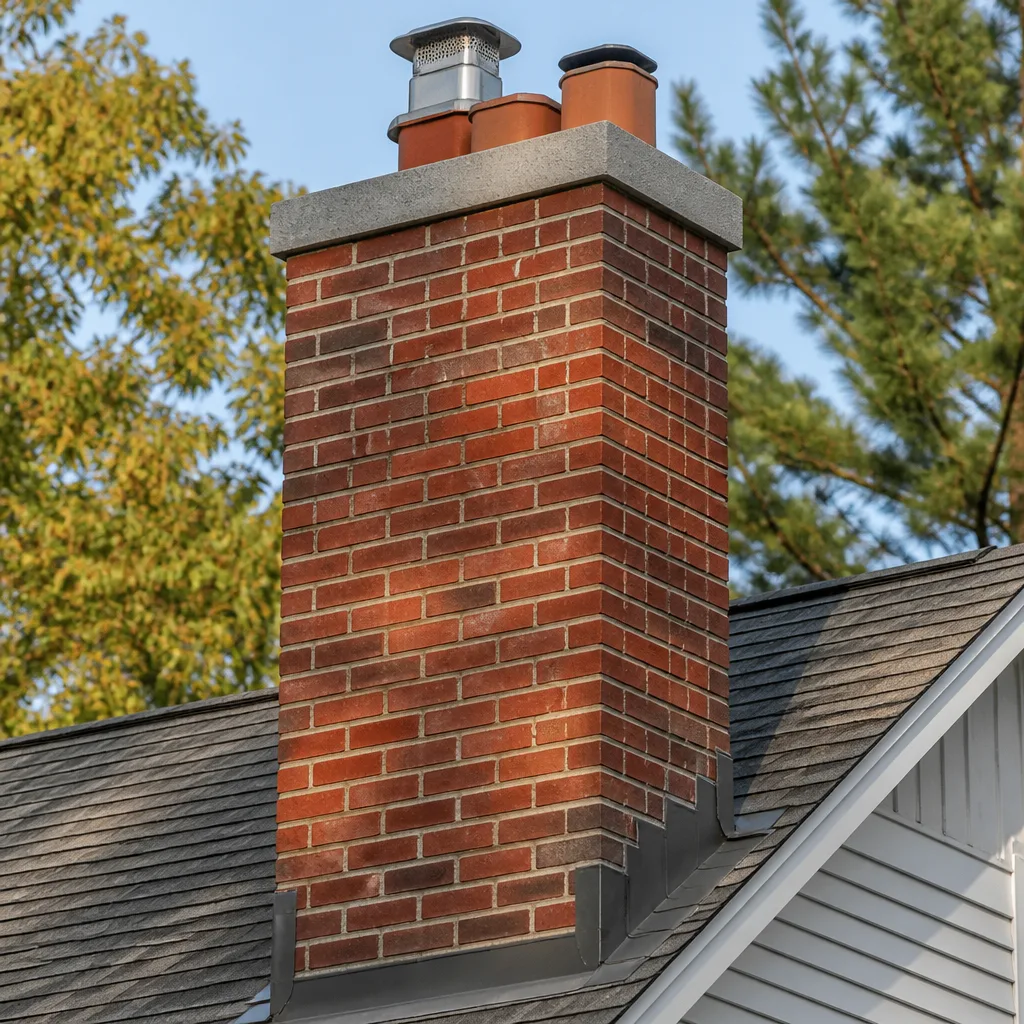 Masonry repair
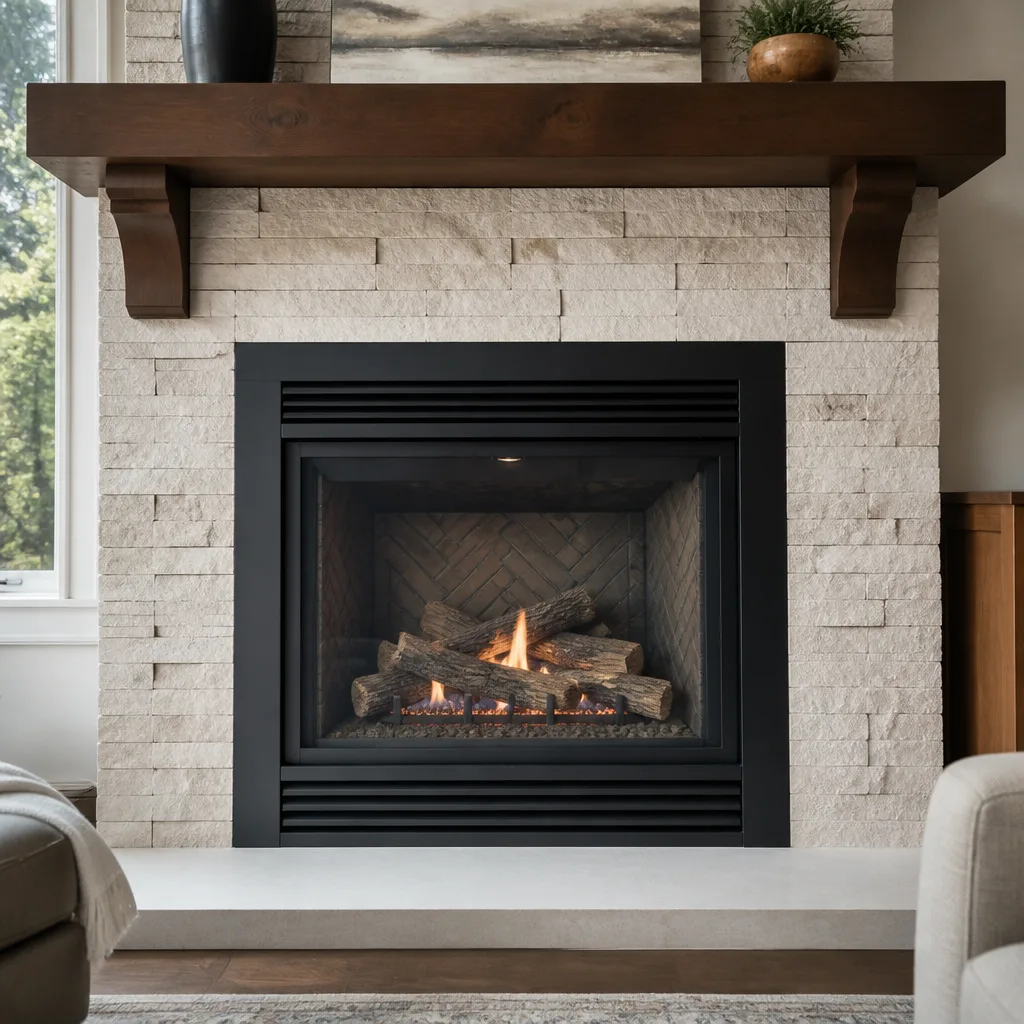 Gas fireplace service
Level 1 sweep and inspection to the NFPA 211 annual standard - flue, crown, cap, and flashing checked and photographed
Chimney sweep logs do not sweep chimneys. They loosen some creosote - which then falls where a brush and vacuum still have to collect it.
Chimney Sweep Maintenance Schedule: What to Do and When
If you burn three cords of wood a year, your chimney needs something different from your neighbor who lights six fires a season and calls it winter. Yet both get the same advice: get it swept once a year. That one-size rule is why so many chimneys in Kirkwood end up either over-serviced or quietly neglected for years. A real maintenance schedule is built around your fuel type, how often you actually burn, and how old the system is. This guide gives you a framework to build your own, season by season and year by year, instead of a generic checklist that ignores how you live.
Quick Answer
Most wood-burning chimneys should be swept and inspected once a year, and gas or oil appliance flues should be inspected annually too, even though they produce little visible soot. Build your schedule around three variables: your burn frequency (occasional, moderate, or heavy), your fuel type, and your system’s age. Do the cleaning and prep in fall before the burning season and the deeper inspection in spring after it, so each window catches problems the other can’t.
Styles & brands we work with
- Sweep & inspection
- Caps & crowns
- Flue relining
- Masonry repair
- Gas fireplace service
Table of Contents
- Why One Timetable Doesn’t Fit Every Chimney
- Building Your Calendar Around Burn Frequency Tiers
- Separate Maintenance Tracks for Wood, Gas, and Oil
- Fall Prep vs. Spring Inspection: Why Both Windows Matter
- Long-Term Milestones by System Age
- Documenting Your Chimney Year Over Year
- Signs Your Schedule Needs to Move Up
- What You Can Check Yourself and What You Can’t
Why One Timetable Doesn’t Fit Every Chimney
The “sweep once a year” rule is a floor, not a ceiling. It exists because most homeowners burn at a moderate rate and a yearly sweep keeps up with the creosote that builds in a typical season. But creosote accumulates at wildly different rates depending on how hot your fires run, how dry your wood is, and how often the flue actually gets used. A heavy burner with damp wood can build a dangerous layer in a single season. A homeowner who lights a handful of decorative fires might go two or three years between meaningful sweeps and still be fine.
The same logic applies to the rest of your system. Your flue, crown, cap, liner, and firebox work as one interconnected system, and each part ages on its own clock. Collapsing all of that into a single annual checkbox means you’re guessing. In our experience across Kirkwood, the chimneys that develop real problems are rarely the ones that were never touched. They’re the ones that got a quick brush every year but never a proper inspection, so a failing crown or a cracked liner went unnoticed until it turned into a repair.
So the schedule below is a framework, not a rulebook. Read your burn habits honestly, find your tier, and adjust. The goal is to inspect before you recommend anything, and to make decisions from what the chimney actually looks like rather than from a calendar that doesn’t know you.
Building Your Calendar Around Burn Frequency Tiers
Start by counting how many fires you actually light in a season. Not how many you’d like to, not how many you did during one cold month. A realistic count over a full year is the honest number, and it puts you in one of three tiers.
Occasional (fewer than 10 fires a season)
You use the fireplace for ambiance more than heat. Soot and creosote still build, just slowly. A sweep and inspection every other year is often reasonable here, provided the chimney is capped, the crown is sound, and there’s no history of problems. Annual inspection still matters because slow water damage doesn’t announce itself.
Moderate (roughly 10 to 50 fires a season)
This is the homeowner the once-a-year rule was written for. Plan on an annual sweep and inspection. This tier is where most Kirkwood homes land, and it’s the tier where consistent yearly attention pays off the most.
Heavy (more than 50 fires a season)
You’re burning for heat, not decoration. Creosote accumulates fastest here, especially if your wood isn’t fully seasoned. Plan on an annual sweep and be ready to inspect mid-season if you notice reduced draft or heavy soot. The stakes are higher because the flue is under constant load.
- Occasional: sweep and inspect every other year, inspect annually if the system is older or uncapped.
- Moderate: annual sweep and inspect.
- Heavy: annual sweep, with a mid-season look if draft drops or soot builds fast.
Whatever tier you land in, the standard is the same: the flue gets cleaned when there’s enough deposit to warrant it, and it gets inspected every year regardless. A proper chimney sweep includes a look at the whole system, not just a brush down the flue.
Separate Maintenance Tracks for Wood, Gas, and Oil
This is where most schedules fall apart. People assume a gas fireplace needs less attention because it looks clean, and they’re wrong in a specific and expensive way. Each fuel type has its own maintenance track, and they’re not interchangeable.
Wood-burning chimneys
The classic case. Creosote and soot accumulate with every fire, and both are flammable. The maintenance track is annual sweeping plus annual inspection, with attention to the crown, the cap, and the condition of the liner. Wood also loads up the firebox and damper with ash and residue that need attention over time.
Gas appliance chimneys
Gas burns clean, so there’s little soot and almost no creosote. That’s exactly why these chimneys get overlooked until something fails. Gas flues are inspected annually because the byproducts of gas combustion are acidic, and they attack the liner and the interior of the flue from the inside. A vented gas fireplace or a gas furnace flue can develop a corroded liner that shows no external sign until it’s a real problem. The fuel is clean; the byproducts aren’t.
Oil appliance chimneys
Oil produces soot and sulfur-bearing residue, and older oil flues can suffer from internal corrosion. Annual inspection is essential, and the flue often needs cleaning on a schedule driven by how hard the appliance runs, not by how often you think about it.
We work with liner systems built for the specific fuel, using DuraFlex flexible liner systems and Olympia Chimney components where they fit the application. Sizing the liner to the fuel and the appliance matters more than people expect, and it’s one reason we inspect before we recommend anything.
Fall Prep vs. Spring Inspection: Why Both Windows Matter
Two visits to the chimney each year serve two completely different purposes, and skipping either leaves a blind spot. Fall prep catches what’s ready to cause a problem before you light the first fire. Spring inspection catches what the burning season just did to the system.
Fall pre-season prep (before the burning season)
- Get the flue swept so the season starts clean.
- Inspect the cap and screen for damage from the off-season.
- Check the crown for cracks that let water in.
- Confirm the damper opens, closes, and seals properly.
- Look at the firebox and firebrick for gaps or spalling.
- Test the draft so you know the flue is pulling before you rely on it.
Spring post-season inspection (after the burning season)
- Inspect the flue for what the season deposited and for any liner damage.
- Check the crown and mortar joints for freeze-thaw damage that showed up over winter.
- Look for water intrusion signs around the chimney at the roofline.
- Assess creosote type and volume to refine next year’s tier.
- Note any cracks, spalling, or liner wear to track against prior years.
The reason both windows exist is diagnostic. Fall tells you whether the chimney is ready. Spring tells you what happened while it was working. A spring inspection also gives you the whole off-season to plan a repair on your own terms rather than discovering it in October when you want a fire. That’s the trade: a little planning in spring saves you a scramble in fall.
Long-Term Milestones by System Age
Some parts of your chimney wear on a predictable timeline, and knowing roughly where you are lets you budget instead of react. These are planning milestones, not hard deadlines. The actual condition always wins over the calendar.
- Around the decade mark: start paying closer attention to the liner. This is the age where liner evaluation becomes worth doing proactively rather than waiting for a symptom. If the liner is clay tile, have it inspected for cracking.
- Crown recoating: the crown takes the weather on the roof, and it usually needs attention long before the flue does. Recoating or repairing the crown when cracks appear prevents the water damage that shortens a liner’s life.
- Waterproofing reapplication: masonry absorbs water, and waterproofing wears off over the years. Plan to revisit it periodically, generally every few years, and check it as part of your spring inspection.
- Dedicated cap and crown service: this is moisture protection, and it’s the area most often treated as an afterthought. A sound chimney cap & crown is the difference between a chimney that lasts and one that keeps needing work.
Our technicians have up to 11 years of experience reading these timelines, and we can tell you what a chimney typically needs at a given age without guessing from a brochure. Chimney Sweep Kirkwood treats the cap, crown, liner, and firebox as one system because that’s how they fail and how they last.
Documenting Your Chimney Year Over Year
The single best thing you can do for your chimney is keep a record. Repair decisions should be driven by data, not by whoever looks at it last. A simple log turns your maintenance from reactive to informed, and it makes any future conversation about repair far easier.
Here’s how to build a useful record. Keep it where you’ll find it, whether that’s a folder or a note on your phone.
- Date every sweep and inspection, with the name of who did the work.
- Note the fuel type and the burn-frequency tier you were in that year.
- Record the creosote type and amount, however it was described to you.
- Photograph the crown, cap, and flue at each inspection.
- Note any repair recommended and whether you did it or deferred it.
- Track the milestones (crown work, waterproofing, liner eval) so nothing gets lost between years.
The value shows up over time. A small crack that shows up in the same spot three years running tells a very different story from one that appeared last month. A liner that’s been flagged twice is a candidate for a real evaluation. When you have camera inspection and photo evidence in hand, you can see the condition for yourself, and so can anyone you ask for a second opinion. That’s how you make decisions from what’s actually there.
We apply HeatShield flue resurfacing in-house when a liner needs restoration, and installing a flexible DuraFlex liner top to bottom is something we handle without handing it off. Single-company accountability, one point of contact through the whole job, is what lets a documented schedule actually turn into the right repair at the right time.
Signs Your Schedule Needs to Move Up
Schedules assume normal operation. When something changes, the schedule moves. Watch for these signals, and if you see one, don’t wait for the calendar to catch up.
- Draft that’s gotten worse. A smoky, slow-lighting fire that used to light easily points to a partial blockage or buildup. Have it inspected.
- Heavy, shiny buildup. Glazed creosote is the kind that’s hard to remove and harder to make safe. It usually means the sweep needs to happen sooner, not later.
- Soot on the fireplace surround or cap. That’s smoke backing up somewhere it shouldn’t. It’s a sign the flue or cap isn’t doing its job.
- Water stains on the ceiling or chimney face. Moisture is getting past the crown, cap, or flashing. This is the most common and most preventable kind of damage.
- A cracked, shiny, or warped liner. Found on inspection, not from the living room, which is why the inspection matters.
- Any odd smell when a fire isn’t burning. Have the system checked before the next season.
A chimney fire and carbon monoxide exposure are both real risks when a flue is neglected, and neither is something to wish away. If you see heavy buildup or water intrusion, moving up the schedule is the cautious call. Your chimney system will tell you when it needs attention if you know what to look for.
What You Can Check Yourself and What You Can’t
There’s real value in understanding your chimney, and a few things are safe to look at from the floor. But creosote removal, liner work, and any repair up on the roof are genuinely dangerous to attempt without training, and they’re better left to a professional.
What a homeowner can safely do
- Open and close the damper and note how it feels.
- Look up the flue from the firebox with a flashlight, from a safe distance.
- Check the firebox interior for obvious gaps or spalling.
- Note draft quality and how the fire lights.
- Keep the burn-frequency count that feeds your tier.
What needs a trained professional
- Removing creosote from the flue.
- Any inspection up on the roof, where falls and steep pitch are a real hazard.
- Liner evaluation and replacement.
- Crown and cap repair at height.
- Any firebox or fireplace repair beyond the visual.
Roof work is where falls happen, and flue work is where the sharp deposits and hidden hazards live. A visual check from the floor is the home equivalent of a quick look; a trained inspection is a proper diagnosis. When you need one, an inspection from a professional who does the sweep and the repair under one company is the simplest path.
Common Mistakes to Avoid
- Treating gas as maintenance-free. Gas burns clean, so homeowners skip inspections, then discover a corroded liner when it fails. Gas chimneys need annual inspection too.
- Waiting for a problem before sweeping. Spring or fall, the safe time to inspect is before symptoms show up. A chimney gives little warning from the living room.
- Going years between inspections on an uncapped chimney. Kirkwood’s rain and humidity find every crack in an open chimney. A cap and sound crown pay for themselves in avoided repairs.
- Assuming the annual brush is a full diagnosis. A sweep cleans; an inspection diagnoses. If the last visit never looked at the crown, the cap, or the liner, you may have skipped the part that matters.
- Keeping no record. Without notes and photos, every year stands alone, and a creeping problem looks brand new each time. Document, so decisions are data-driven.
- Relying on a scale instead of evidence. Creosote level isn’t a verdict on its own. What matters is what the flue, liner, and crown actually look like, seen and photographed.
- Letting a small concern slide through the off-season. Spring is the best time to plan repair while the weather lets you, rather than at the start of the next burning season.
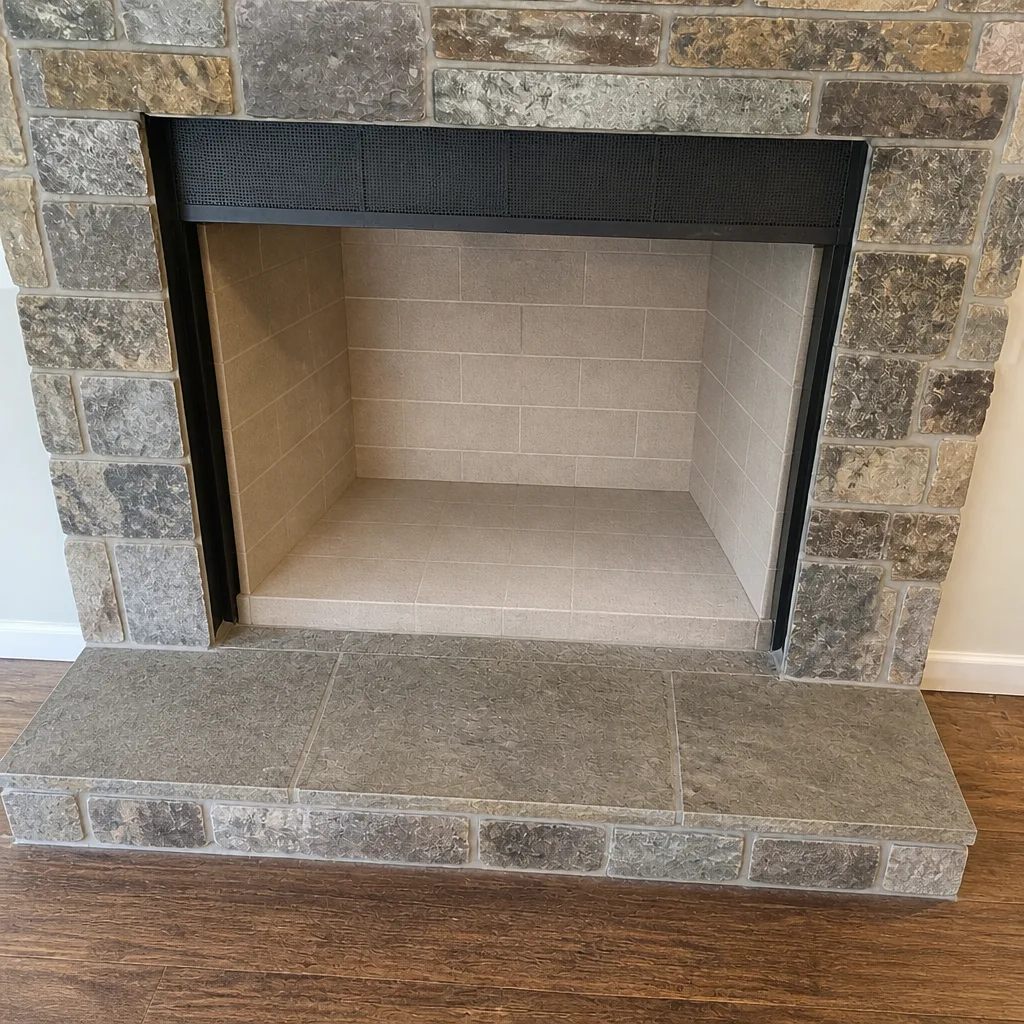
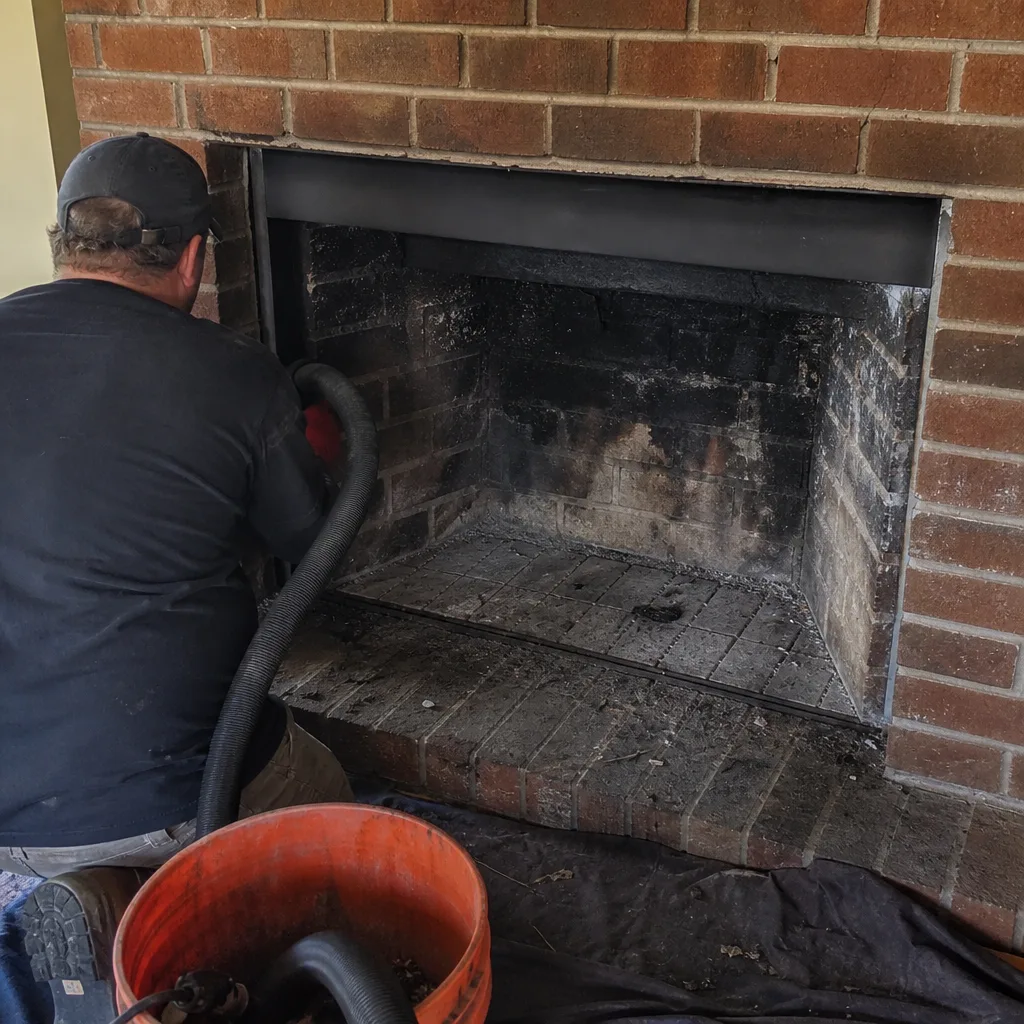
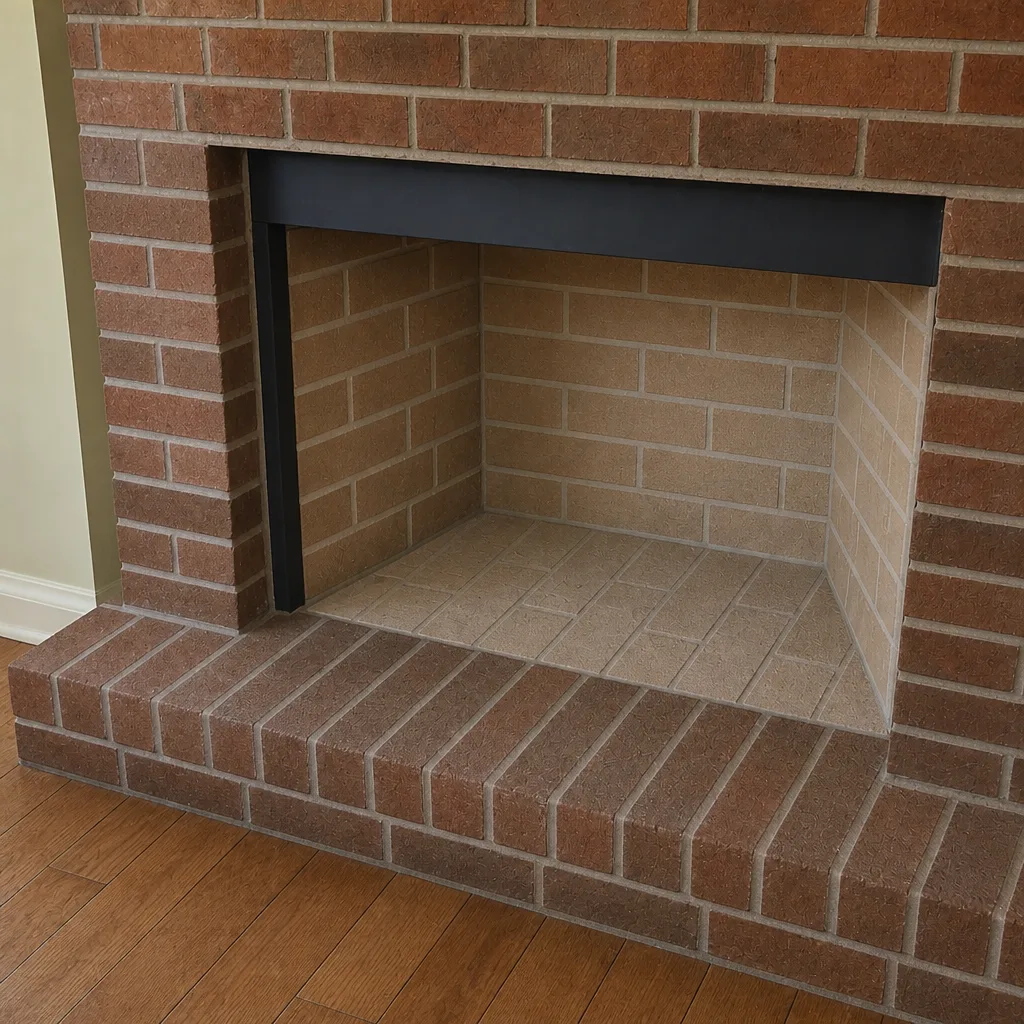
See the difference
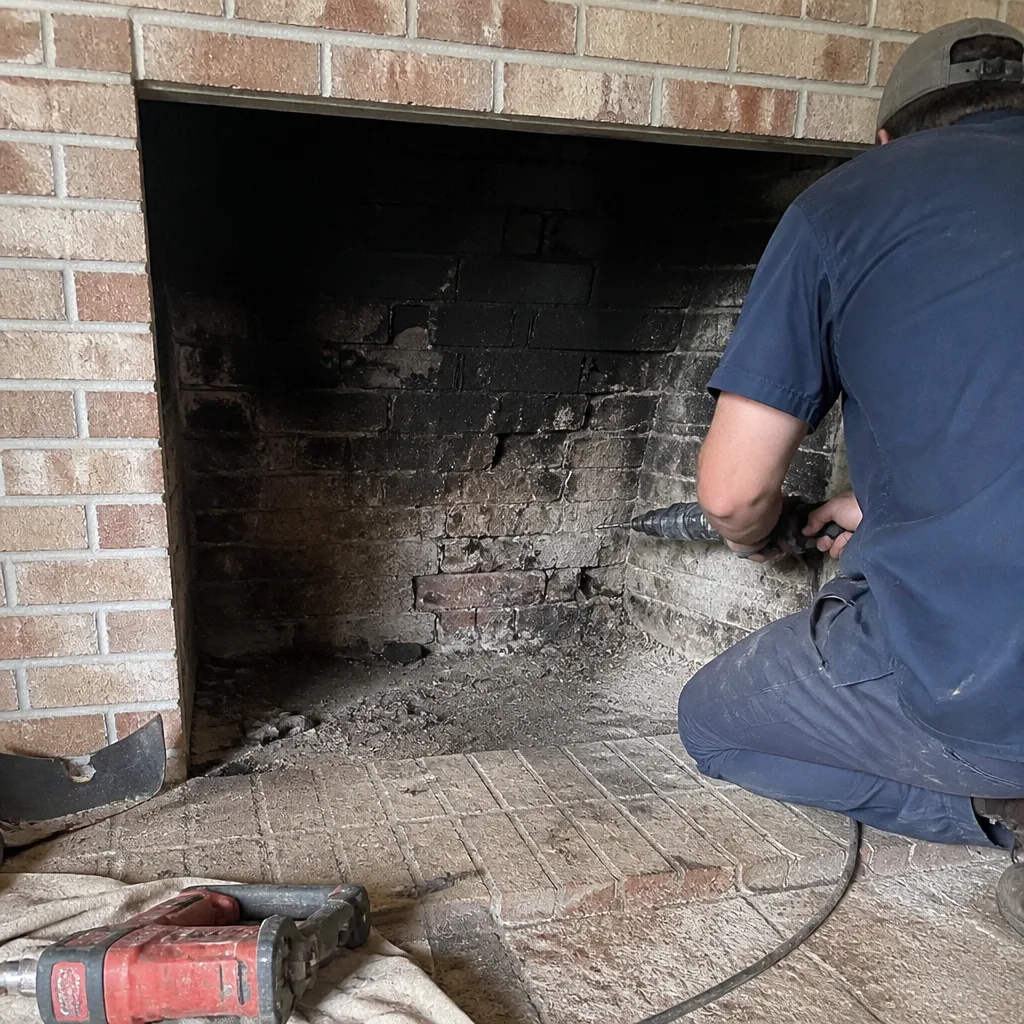 Before
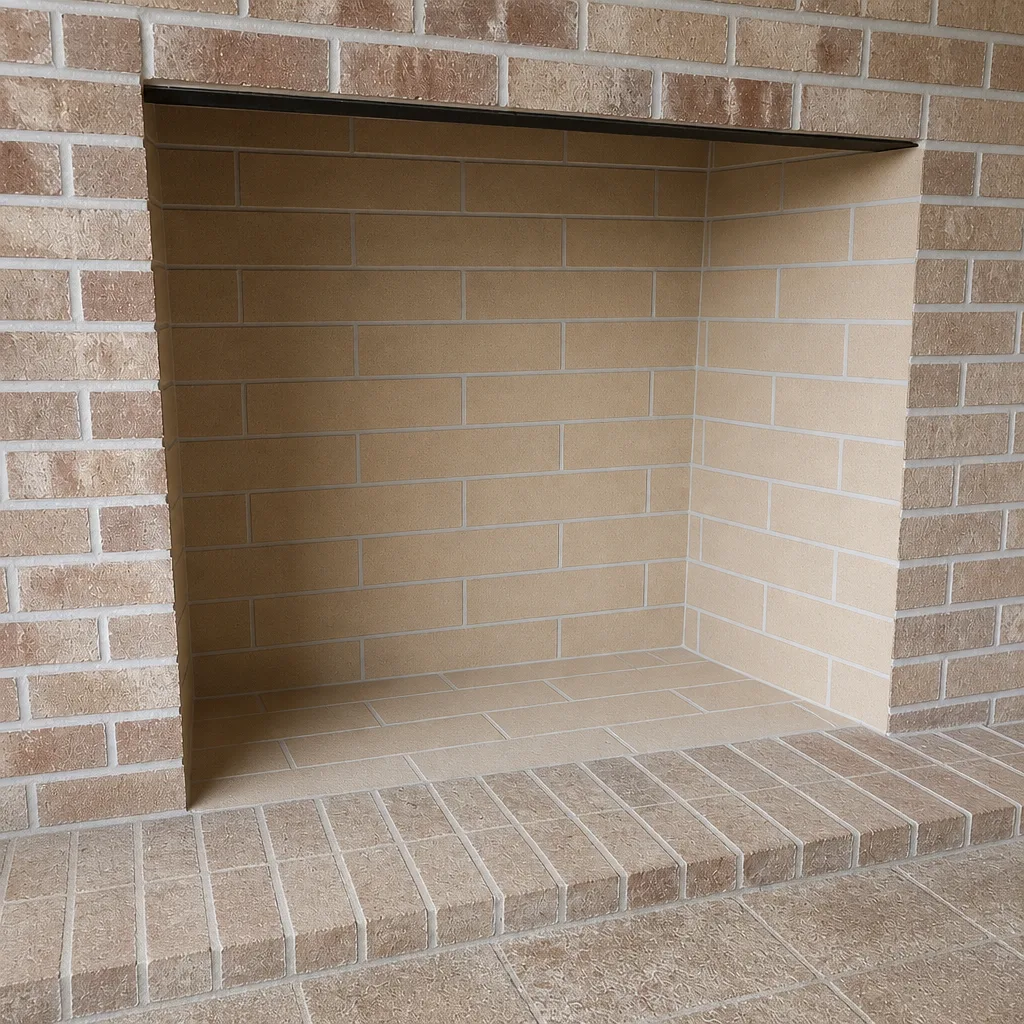 After
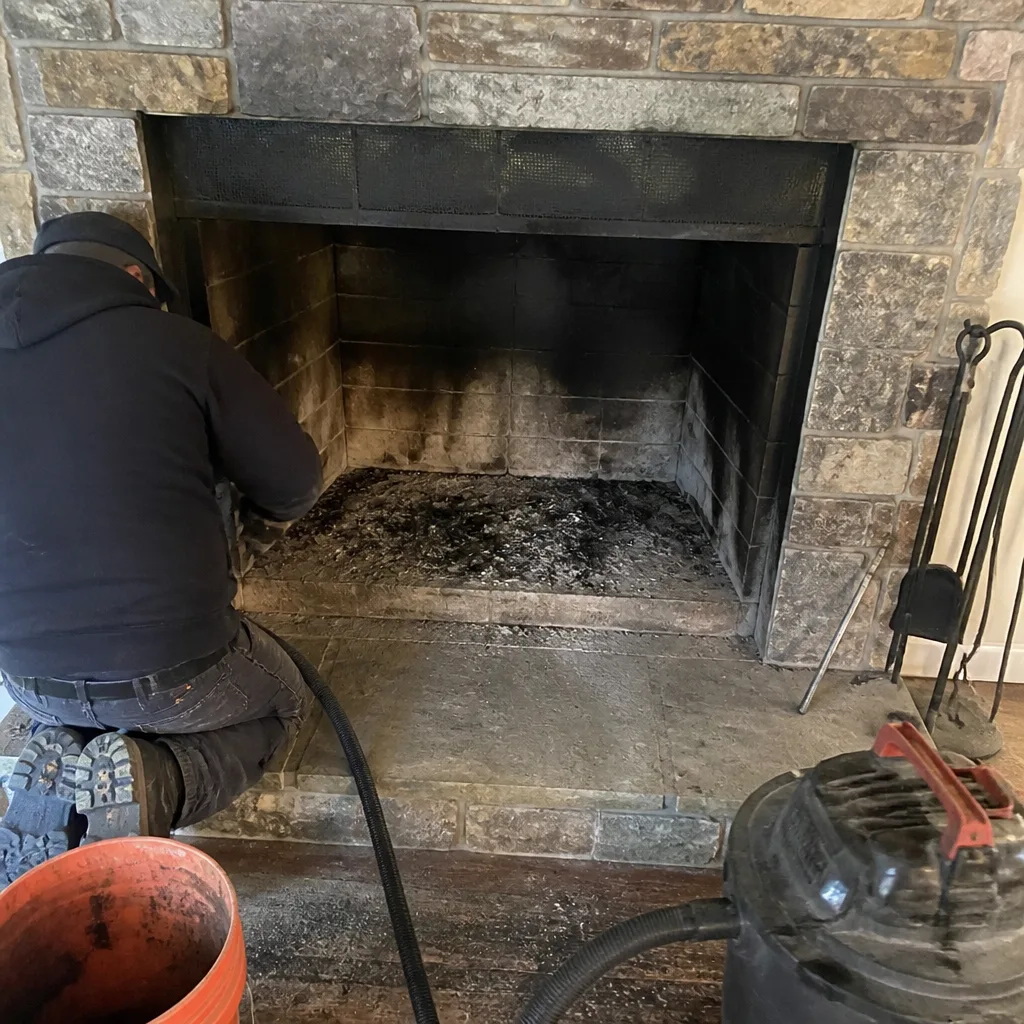 Before
 After
 Before
 After
When to Call a Professional
Call a professional when the calendar says it’s time, and sooner if the chimney gives you a signal. Specifically: if you’ve burned heavy this season, if you’ve never had a proper inspection, if there’s heavy or glazed buildup in the flue, if you’ve seen water stains or a damaged crown or cap, if draft has changed, or if you smell something odd when nothing’s burning. Any repair up at the roof or in the flue needs a trained professional rather than a homeowner on a ladder.
Chimney Sweep Kirkwood offers free estimates in Kirkwood. Call (844) 443-4847. We answer 24/7. Fast dispatch from 7am to 7pm, Sunday through Friday. Nothing is recommended without camera evidence you can see for yourself, and if something can safely wait, we’ll tell you.
Frequently Asked Questions
Once a year is the standard for most homes, and it’s the right baseline for the moderate-tier burner who lights roughly 10 to 50 fires a season. Heavy burners may need a mid-season look; occasional burners may be fine every other year, with annual inspection regardless. Call (844) 443-4847 for an exact schedule based on your burn rate.
Yes. Gas produces little soot but its combustion byproducts are acidic and attack the liner from inside, so gas flues need annual inspection even when they look clean. That’s the fuel type most often skipped until a liner failure shows up.
Fall prep gets the chimney clean and ready before you burn: sweep, cap and crown check, damper, draft. Spring inspection assesses what the season did to the flue, crown, and liner and lets you plan repairs on your own terms. Both matter because each one catches what the other misses.
Around the decade mark, pay closer attention to the liner and evaluate it proactively rather than waiting for a symptom. Crown recoating and waterproofing reapplication are separate milestones that come up on their own schedule. Call (844) 443-4847 and we’ll help you map the timing to your actual system.
Sweeping and inspecting are different jobs, and a brush down the flue doesn’t diagnose the crown, cap, or liner. Removing creosote and doing anything at the roof are dangerous without training, so they need a professional. A trained inspection after a sweep is what turns cleaning into a real checkup.
Sometimes, yes. If there’s no heavy buildup, no water intrusion, and no liner damage, some work can safely wait, and we’ll tell you plainly when that’s the case. But heavy creosote, a failing liner, or a damaged crown are worth addressing sooner rather than later. Call (844) 443-4847 for an honest read on what can wait and what can’t.
The Bottom Line
Your chimney’s schedule should come from your habits, not a generic calendar. Count your fires, find your tier, and separate the fuel tracks so gas and oil don’t get silently skipped. Prep in fall before the season and inspect in spring after it, because each window sees something different. Track the long-term milestones so crown work and liner evaluation happen on a plan. And keep a record with photos so every decision is driven by what’s actually there. Free estimates in Kirkwood. Call (844) 443-4847. We answer 24/7. Fast dispatch from 7am to 7pm, Sunday through Friday.
Written by the team at Chimney Sweep Kirkwood.