
Last updated November 25, 2026
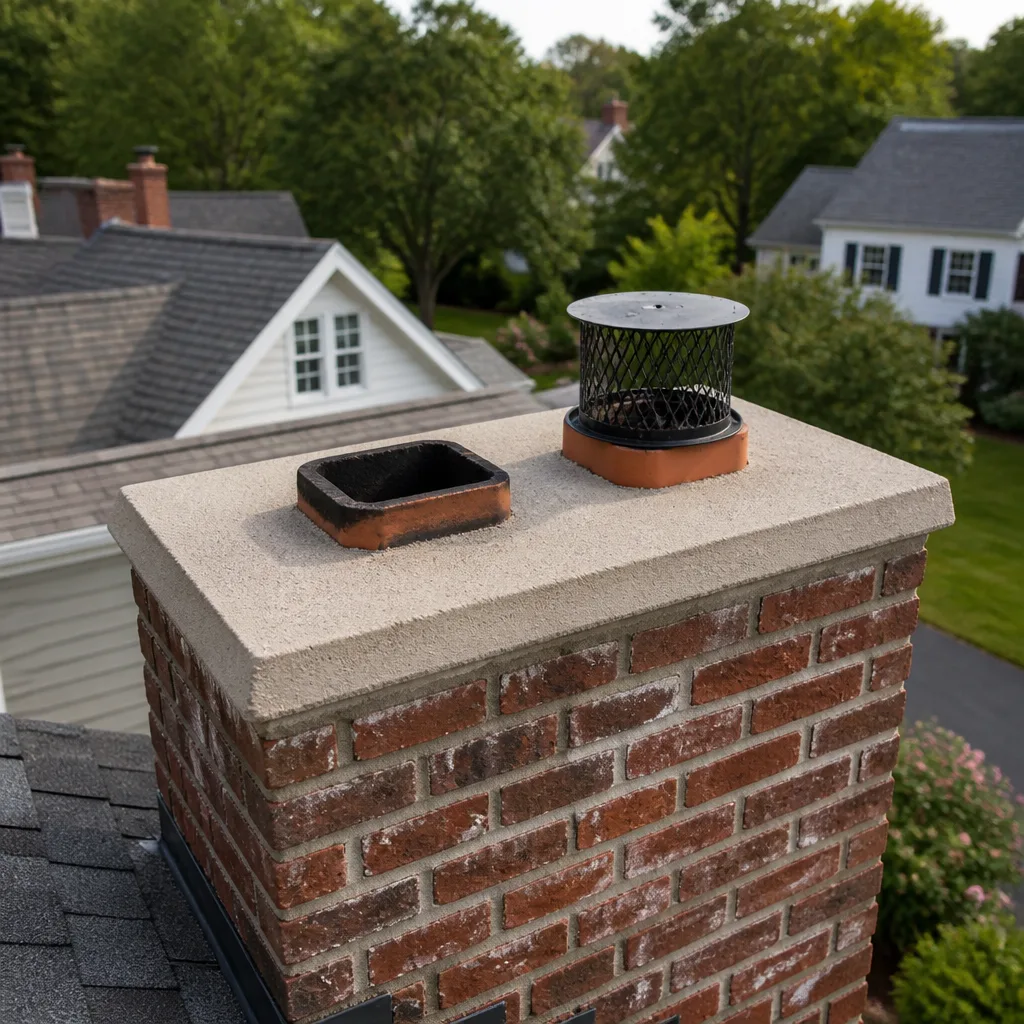 Sweep & inspection
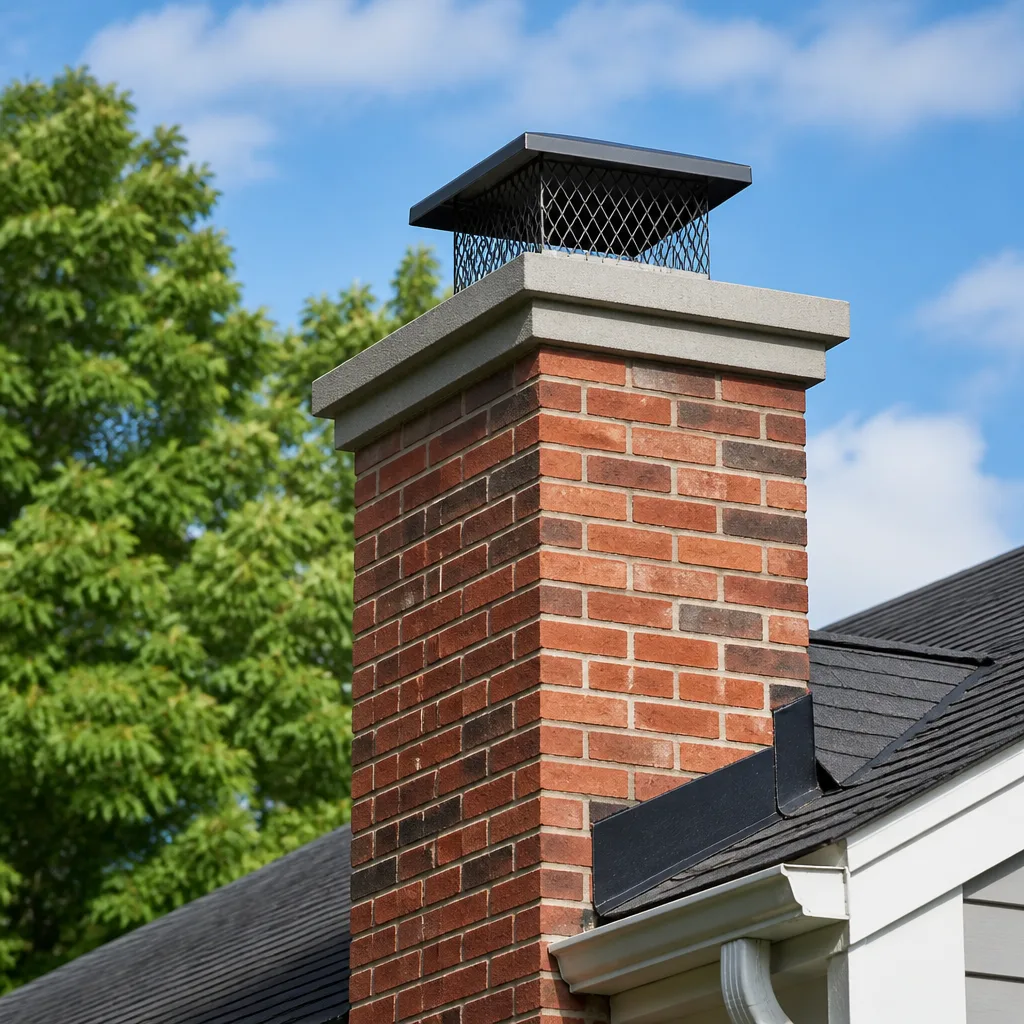 Caps & crowns
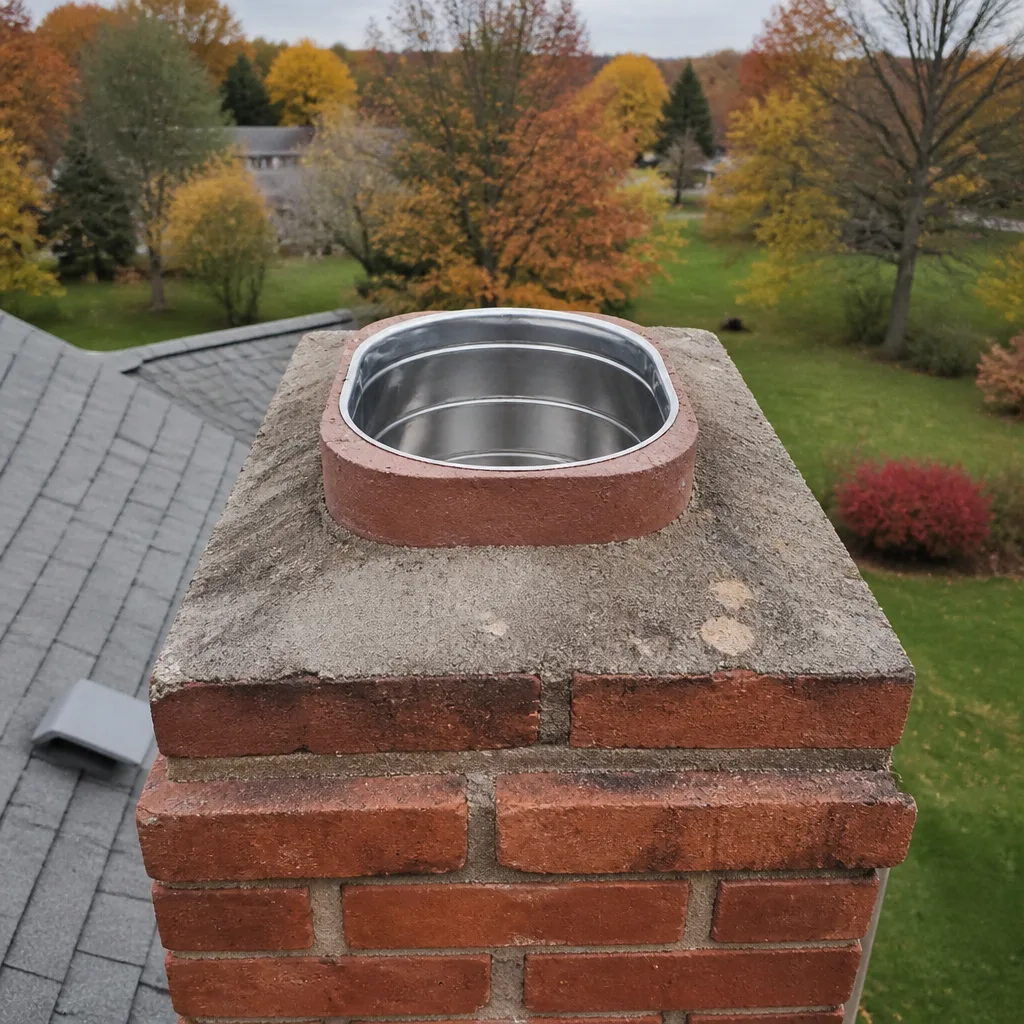 Flue relining
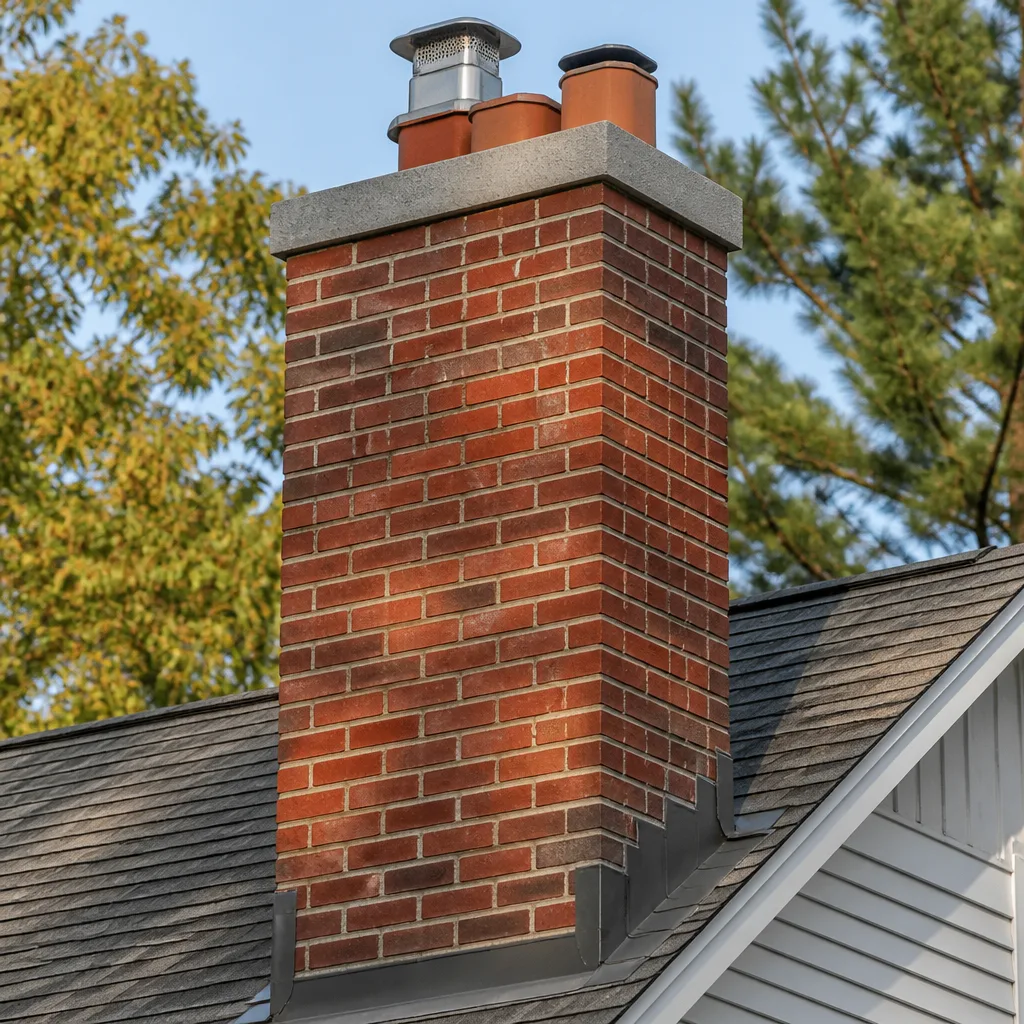 Masonry repair
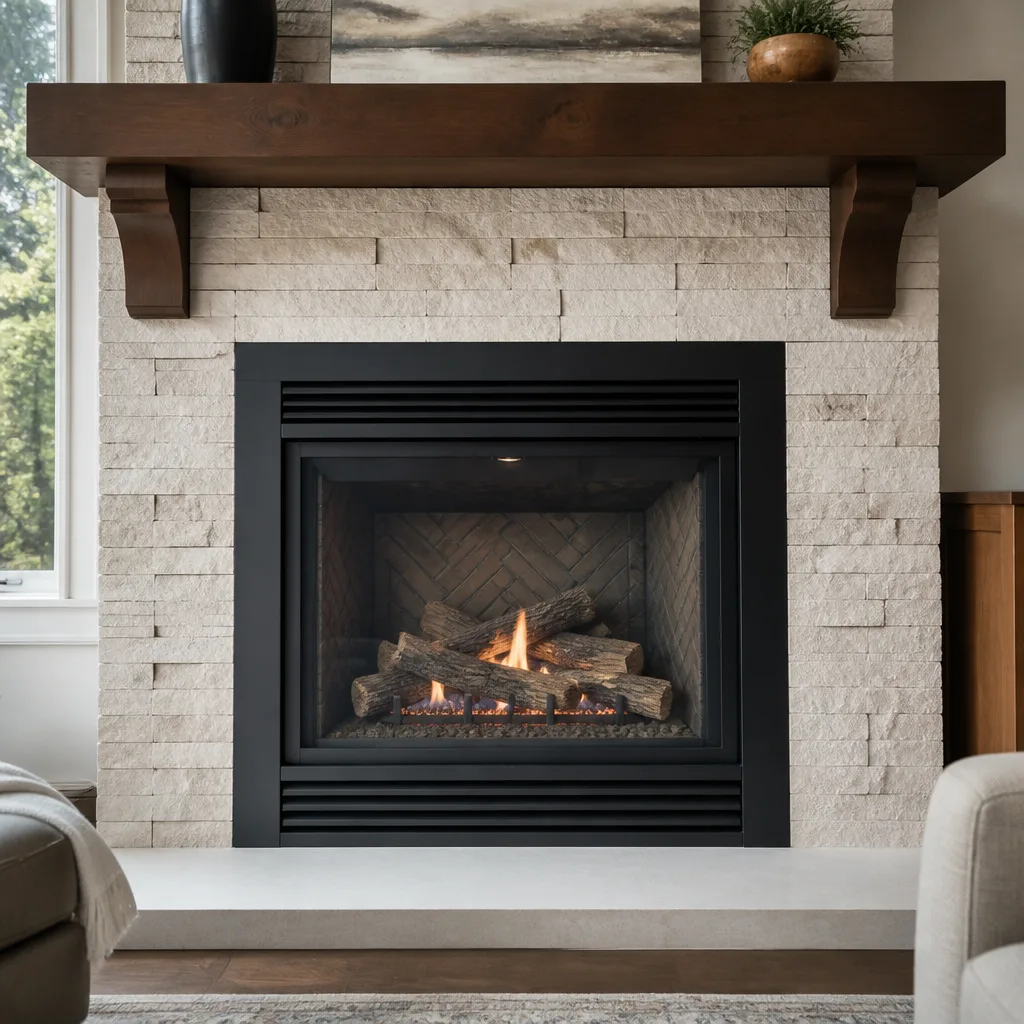 Gas fireplace service
Level 1 sweep and inspection to the NFPA 211 annual standard - flue, crown, cap, and flashing checked and photographed
Chimney sweep logs do not sweep chimneys. They loosen some creosote - which then falls where a brush and vacuum still have to collect it.
Chimney Sweep Troubleshooting in Kirkwood: Common Problems and How to Fix Them
A smoky fireplace, a cracked firebox, and a persistent odor can all trace back to one deteriorating flue liner, yet most troubleshooting guides treat them as three separate problems with three separate fixes. That’s backwards, and it’s why so many homeowners spend money chasing symptoms. Chimneys fail in chains: one part of the system gives, and the failure shows up somewhere else. This guide walks through the cause-and-effect so you can tell a draft problem from an obstruction, read the moisture map on your exterior masonry, and know which issues you can safely watch versus which mean shutting the fireplace down today. We’ll use what we see across Kirkwood to keep it concrete.
Quick Answer
Most chimney problems in Kirkwood trace back to moisture entry or a compromised flue liner, not to the fireplace itself. A smoky fireplace, a cracked firebox, and a stubborn odor are usually symptoms pointing at one upstream cause. Troubleshooting correctly means inspecting the whole system in a set order – chimney cap & crown first, then flashing, liner, smoke chamber, and firebox – and fixing the cause rather than the complaint. Anything involving a cracked liner, a damaged firebox, or a blockage you can’t clear means the fireplace comes offline until a professional looks at it.
Styles & brands we work with
- Sweep & inspection
- Caps & crowns
- Flue relining
- Masonry repair
- Gas fireplace service
Table of Contents
- Why Most Chimney Problems Start With One Cause
- Draft Problems: Negative Pressure Versus Obstruction
- Smoke Rollout Versus Slow Smoke Bleed
- White Staining on Exterior Masonry
- The Order of Inspection and Why It Matters
- What You Can Monitor Versus What Demands Action
- Why Kirkwood Chimneys Fail the Way They Do
- Common Mistakes to Avoid
Why Most Chimney Problems Start With One Cause
A chimney is a system, not a stack of independent parts. The flue, the smoke chamber, the firebox, the crown, the cap, and the flashing all function as one pressure and moisture management machine. When one piece degrades, the symptom almost always appears somewhere else. A cracked crown lets water into the masonry, the water degrades the mortar around the flue, the flue liner cracks, and suddenly your firebox looks damaged and your fireplace smokes. You never saw the crown fail. You saw the firebox.
This is the single most useful idea in chimney troubleshooting: the thing you notice is rarely the thing that broke. Homeowners in Kirkwood call us about a smoky fireplace all the time. Sometimes it’s a draft issue. Often it’s a liner that’s given up and is shedding material into the smoke path. The fix for a “smoky fireplace” might be a liner, and it might be nothing more than a cracked crown letting moisture in. You can’t tell which from the firebox side. You have to read the chain.
Here’s how to think about it. Every chimney problem you can see has three layers:
- The symptom – what you actually notice (smoke, odor, staining, a crack, poor draft).
- The mechanism – what that symptom physically means (airflow reversal, water entry, a breach in the flue, debris).
- The upstream cause – the part of the system that failed and produced the mechanism.
Diagnosing at the symptom layer is guesswork. Diagnosing at the mechanism layer is how a professional thinks. If you can learn to ask “what is this symptom physically telling me,” you’ll stop misreading your own chimney and you’ll know when to call. That’s the whole skill.
Draft Problems: Negative Pressure Versus Obstruction
Draft problems and obstruction problems look identical from your living room. Both produce a smoky, sluggish fire. But they have opposite causes, and the “fix” for one makes the other worse. Before you assume your chimney is blocked, work out whether the problem is inside the flue or inside your house.
Negative pressure (the house is the problem). Modern homes are tighter than the homes these fireplaces were originally built for. Bathroom fans, kitchen exhaust hoods, dryer vents, and a well-sealed envelope all pull air out of the house. When the house is running a slight vacuum, air rushes down the chimney to fill it. The fire starves, and smoke spills. You’ll notice this usually happens in certain conditions: when a fan is on, when it’s windy, or when the house is closed up tight. Kirkwood’s older housing stock includes plenty of homes that have been sealed and upgraded over the years, and this is a common reason a fireplace that “used to work” now struggles.
Obstruction (the flue is the problem). A blocked flue has a physical restriction: a nest, leaves, a fallen cap, sagging liner material, or heavy soot and creosote buildup. Draft problems from obstruction usually feel consistent. The fire is sluggish no matter what’s running in the house. You may smell a strong draft coming down when the fireplace is cold.
A simple test helps you separate the two. Note whether the problem tracks with exhaust fans and weather or is steady regardless. If it tracks the house, suspect negative pressure. If it’s steady, suspect a restriction. Neither is something we recommend you diagnose with a mirror and a flashlight while a fire is burning. The distinction guides the visit.
Smoke Rollout Versus Slow Smoke Bleed
How smoke misbehaves tells you where the problem sits. Two patterns matter most, and they point to different parts of the system.
Smoke rollout is a puff or roll of smoke escaping at the firebox opening when you light the fire or feed it, then recovering. The chimney is trying to draft but can’t get ahead of the smoke. This pattern points to a draft problem up top or at the transition: a flue that’s undersized for the opening, a smoke chamber that’s damaged or the wrong shape, a cap that’s restricting flow, or negative pressure in the house. The smoke escapes before the flue can establish its pull. The fire often recovers once it’s going. That recovery is the tell.
Slow smoke bleed is different. Smoke seeps continuously. It curls out along the top of the opening and lingers, and the whole room slowly fills. This pattern points to a restriction partway down or a leak into the smoke path. The fire is drafting, but smoke is finding a second exit. That could be a joint in the flue that’s opened up, a gap between the liner sections, or a breach in the smoke chamber. Slow bleed is the more serious pattern, because it means smoke is moving through something it shouldn’t. If you’re seeing continuous smoke entering the room, that’s a stop-and-call situation. Don’t try to run the fireplace through it.
The practical takeaway: rollout that recovers usually says “the chimney is under-performing.” Bleed that persists says “the chimney has a breach.” One is a performance issue. The other is a safety issue. If either pattern is new to you, the right move is an inspection before the next burn. You can’t see the inside of your flue from the hearth.
White Staining on Exterior Masonry
White staining on exterior brick or mortar is called efflorescence, and it’s the single most misread signal in chimney troubleshooting. Most homeowners treat it as cosmetic. It isn’t. Efflorescence is a moisture-entry map.
Here’s what’s happening physically. Water gets into the masonry somewhere above. As that water moves through the brick and mortar and reaches the surface, it evaporates and leaves behind mineral salts – the white powder. That means every patch of efflorescence is a record of where water went in and where it came out. Read it like a map. Staining concentrated near the crown tells you the crown is letting water in. Staining around the flashing line says the flashing is the entry point. Staining that’s uniform and lower down on the stack can point to saturated masonry carried down from a failed cap or a missing drip edge.
Why this matters for the repair and not just for the paint job: cleaning off the efflorescence without finding the water source guarantees it comes back. The white powder returns within a season or two, and worse, the water keeps working through the masonry the whole time. Water in a chimney doesn’t stay tidy. It finds mortar joints, freezes in cold snaps, opens the joints up, and eventually reaches the flue liner. By the time efflorescence shows up, moisture has usually been entering for longer than the stain has been visible.
This is why cap and crown work isn’t an afterthought in a real chimney service. It’s the first line of defense. Cap and crown installation and repair keep water where it belongs: outside. If you’ve got white staining on your Kirkwood chimney, the priority is finding where the water enters, not scrubbing what’s already showing.
The Order of Inspection and Why It Matters
There’s a reason professionals inspect a chimney in a set order. The order matters because each step can reveal or rule out a cause that changes what the next step means. Skip ahead and you report symptoms as causes. Here’s the sequence we use.
- Crown. Exterior first. The crown is the concrete cap at the top of the stack, and it’s the most common entry point for water. Cracks, spalling, an under-cut edge, or a crown that doesn’t slope away from the flue all mean water is getting in. Everything downstream depends on this. A chimney can pass a liner inspection and still be failing, if the crown is feeding it water.
- Flashing. The flashing is the seal where the chimney meets the roof. Failed flashing lets water into the roof deck and the chimney’s outer walls. It’s easy to mistake for a crown problem, and easy to miss if you inspect the stack and not the roof. We check flashing at the roof line before going inside the flue.
- Liner. Only after the exterior is assessed do we look inside the flue. Liner condition tells you whether your fire is safely contained. Material shedding, cracks, gaps at joints, and a liner that’s broken down all raise the risk on every burn. This is the step that most changes the recommendation.
- Smoke chamber. The smoke chamber is the tapered section above the firebox where smoke gathers before entering the flue. Cracks, gaps, and a damaged smoke chamber shape cause smoke rollout and slow bleed. It’s a spot general handymen often skip because it’s not visible without inspecting from above and below.
- Firebox. Last, the firebox. By the time you get here, the condition of the firebox confirms what the earlier steps predicted. A firebox with cracked firebrick or eroded mortar is usually the visible late symptom of a moisture or draft problem that started up top.
Doing it in this order means every recommendation ties to something we can show you. That’s not a sales technique. It’s the only honest way to tell you what needs fixing and what can wait.
What You Can Monitor Versus What Demands Action
Some chimney problems are safe to keep an eye on between professional visits. Others mean the fireplace comes offline immediately. Honestly separating the two is a core part of the job. Here’s how we’d have you sort them.
Safe to monitor:
- Light efflorescence that you can trace to a known moisture source and that isn’t getting worse.
- Minor seasonal draft changes with no smoke entering the room.
- A small amount of soot at the firebox that builds slowly between annual sweeps.
- An odor in the firebox when the fireplace is cold and the house is pressurized, with no other symptoms.
Take the fireplace offline and call:
- Continuous smoke bleed into the room during a burn.
- Any crack seen in the flue liner, or material shedding from the lining.
- Cracked firebrick or eroded mortar in the firebox.
- A strong, gas-like smell, or a persistent odor that smells of creosote and doesn’t clear with a sweep.
- A partial or full flue blockage you suspect (you can smell a heavy draft down or hear debris).
Where we draw the line is always the same: if there’s any chance a fire is not fully contained by an intact liner, the fireplace comes offline. Nothing you can monitor is worth a fire that finds its way out of the flue. When in doubt, take it offline, then call. Getting a professional opinion costs you nothing but time. Running a fire into a breach doesn’t.
Why Kirkwood Chimneys Fail the Way They Do
Kirkwood’s chimneys have specific failure patterns, and understanding them makes troubleshooting easier. This is an older neighborhood with a lot of mature trees, and the tree canopy does two things. It drops leaves and debris onto caps and into flues, and it keeps the stack damp longer after rain. A cap that’s fine on a roof in the open will silt up faster under a big oak. That means more frequent inspections and a closer look at the cap screen than in a newer subdivision. Debris on top is a common cause of the sluggish drafts we see in Kirkwood.
The housing stock matters too. Many Kirkwood homes have been through decades of updates: insulation added, windows replaced, exhaust systems modernized. Every one of those improvements tightened the house, and tightened houses run negative pressure more often. A fireplace that drafted fine when the house leaked now fights the exhaust fans. That’s a real, common cause of smoke rollout in Kirkwood homes, and it’s why we ask about fan use before we touch the firebox.
Winter swings in North Georgia work on the masonry as well. Daytime thaws followed by hard freezes drive water into small cracks and then expand it. A crack that wasn’t a problem in autumn becomes a spalled crown by February. This is why our technicians do real exterior inspection as part of a routine chimney sweep and not just a cleaning. The Chimney Sweep Kirkwood team will tell you plainly when a repair can wait for spring and when it shouldn’t.
We’ve handled enough Kirkwood chimneys to know the difference between an older home that needs a proper liner restoration and one that just needs its crown sealed and its cap replaced. They present the same on day one, and they need very different work.
Common Mistakes to Avoid
- Treating the firebox crack as the problem. A cracked firebox is almost always the visible late symptom of a moisture or liner problem that started higher up. Repairing the firebox first and skipping the inspection means the real cause keeps working.
- Cleaning efflorescence without finding the water source. If you scrub the masonry and stop there, the stain comes back and the water keeps degrading the chimney. Find the entry point first.
- Assuming a smoky fireplace means a blockage. In Kirkwood’s older, upgraded homes, negative pressure is often the culprit, and sweeping a chimney to “fix” a house pressure problem just wastes the sweep.
- Letting a sweep-only operator call the diagnosis. A sweep can clean your flue, but flue restoration and heat-resistant liners are a separate skill set. When a sweep says “you need a new liner,” ask whether that diagnosis came from someone who installs them. Ours do. We work with DuraFlex and HeatShield liner systems, and that work stays in-house.
- Ignoring the cap and crown because rain “drains down.” Water on a chimney doesn’t run neatly off. It works into mortar joints and reaches the flue. Cap and crown work is a moisture defense, not decoration.
- Skipping the annual inspection because the fireplace “looks fine.” The damage that matters lives inside the flue and behind the crown, where you can’t see it. An annual sweep and inspection is the safest habit for a Kirkwood wood-burning home.
- Running the fireplace through slow smoke bleed. Continuous smoke into the room means a breach in the smoke path. Stop burning, and call.
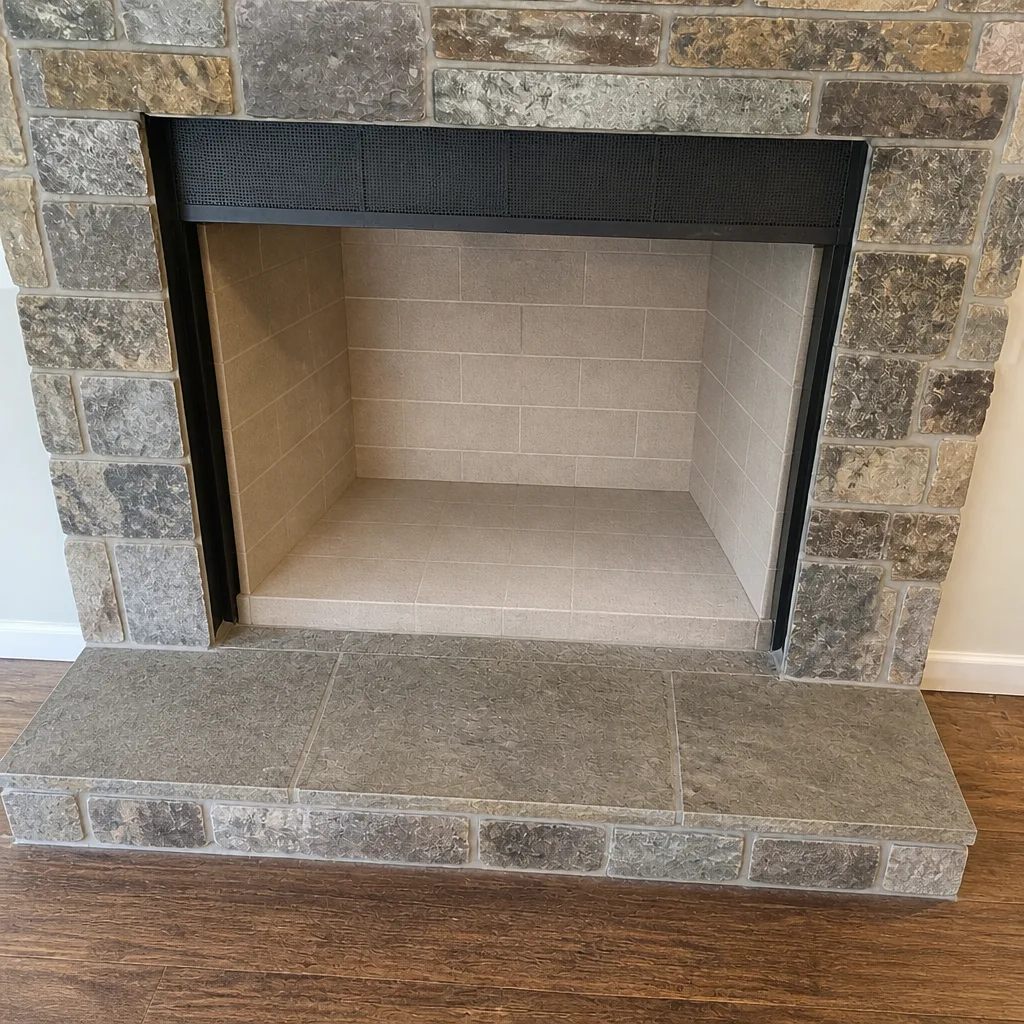
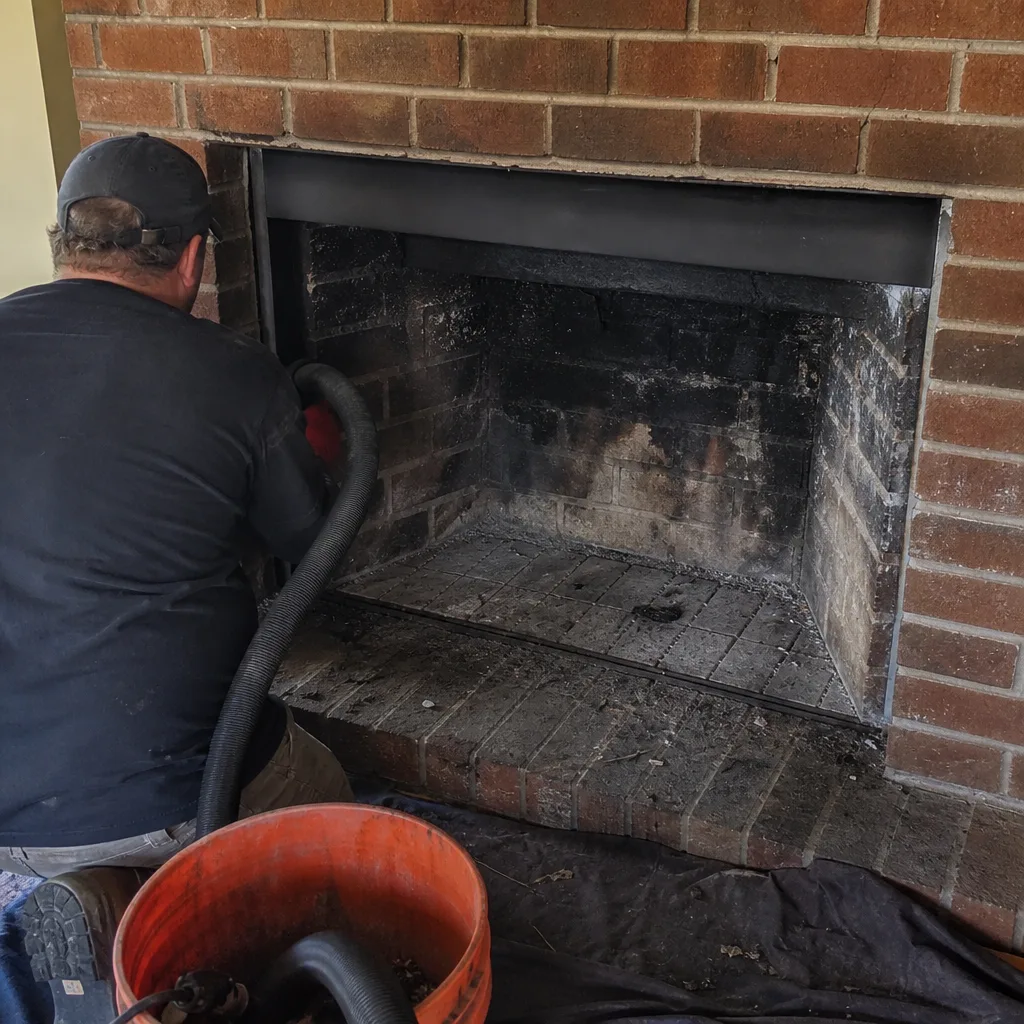
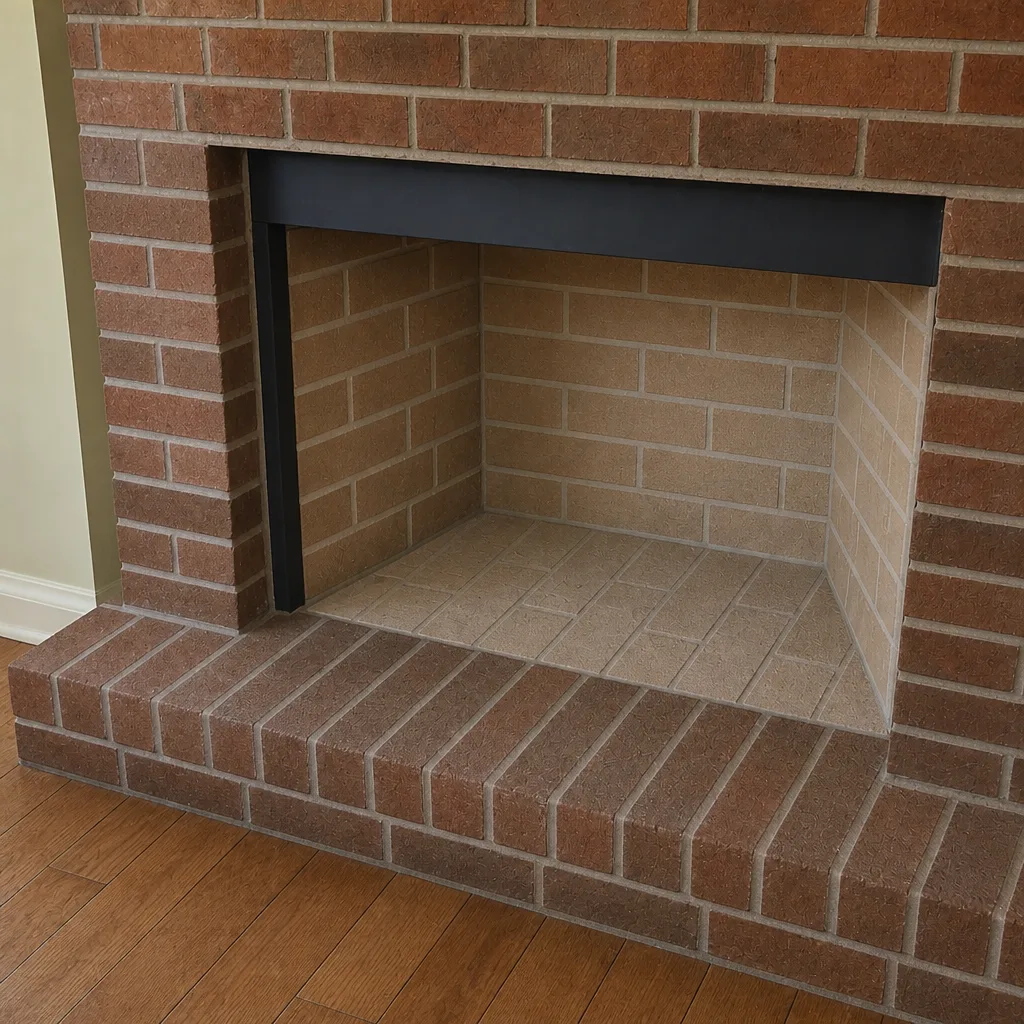
See the difference
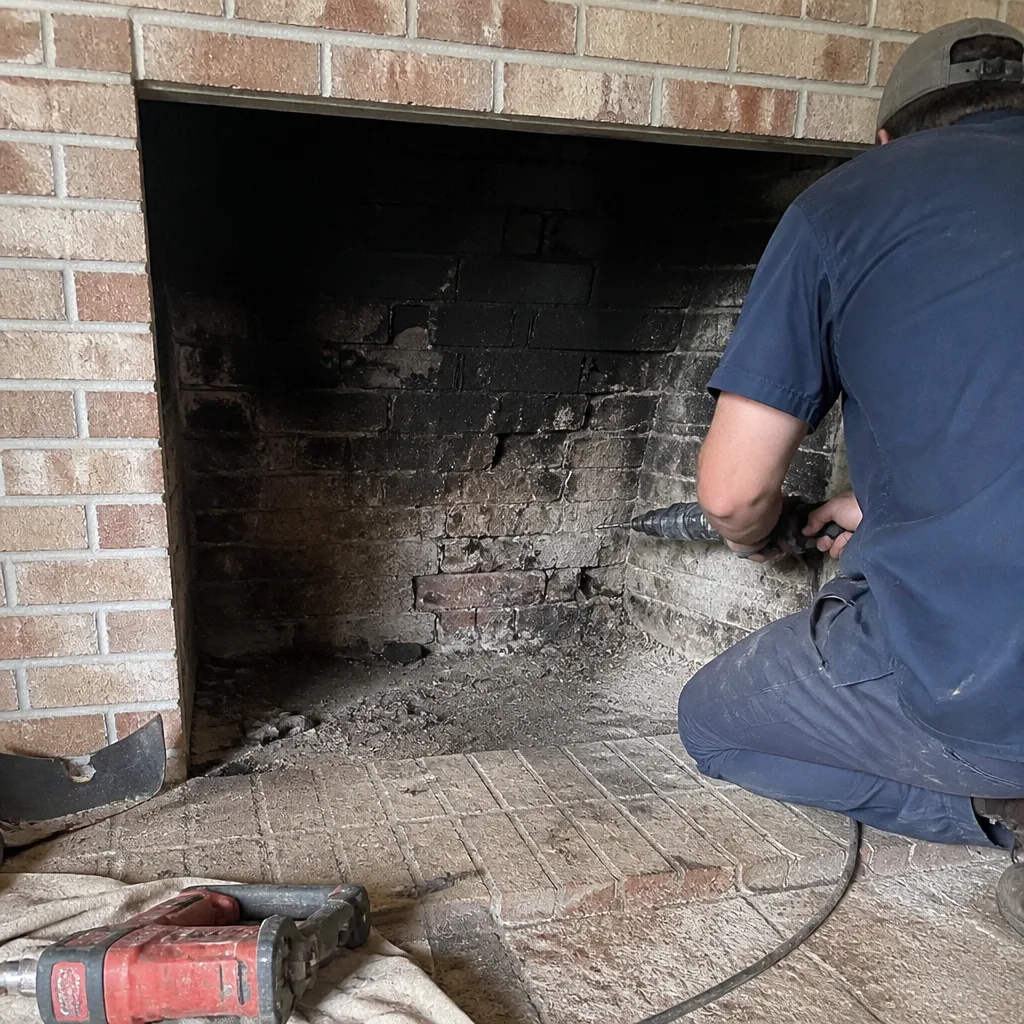 Before
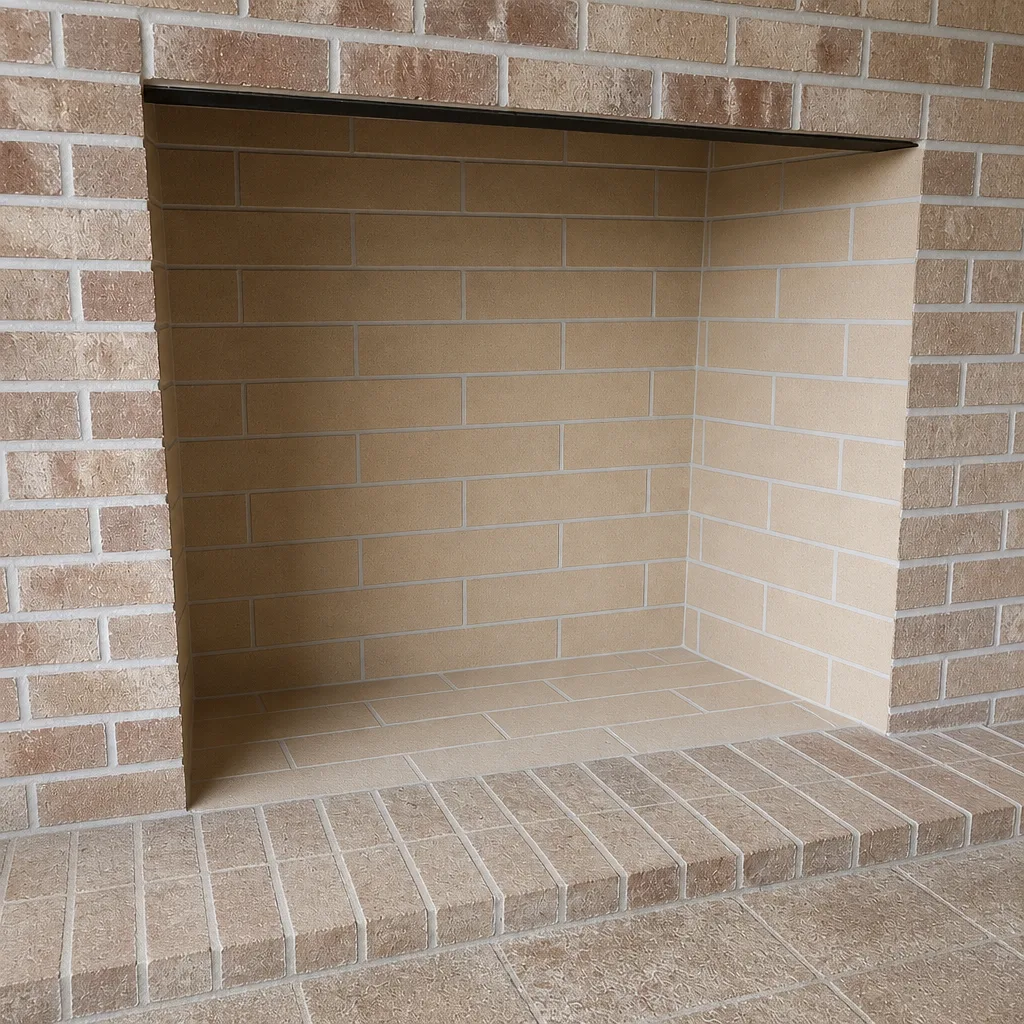 After
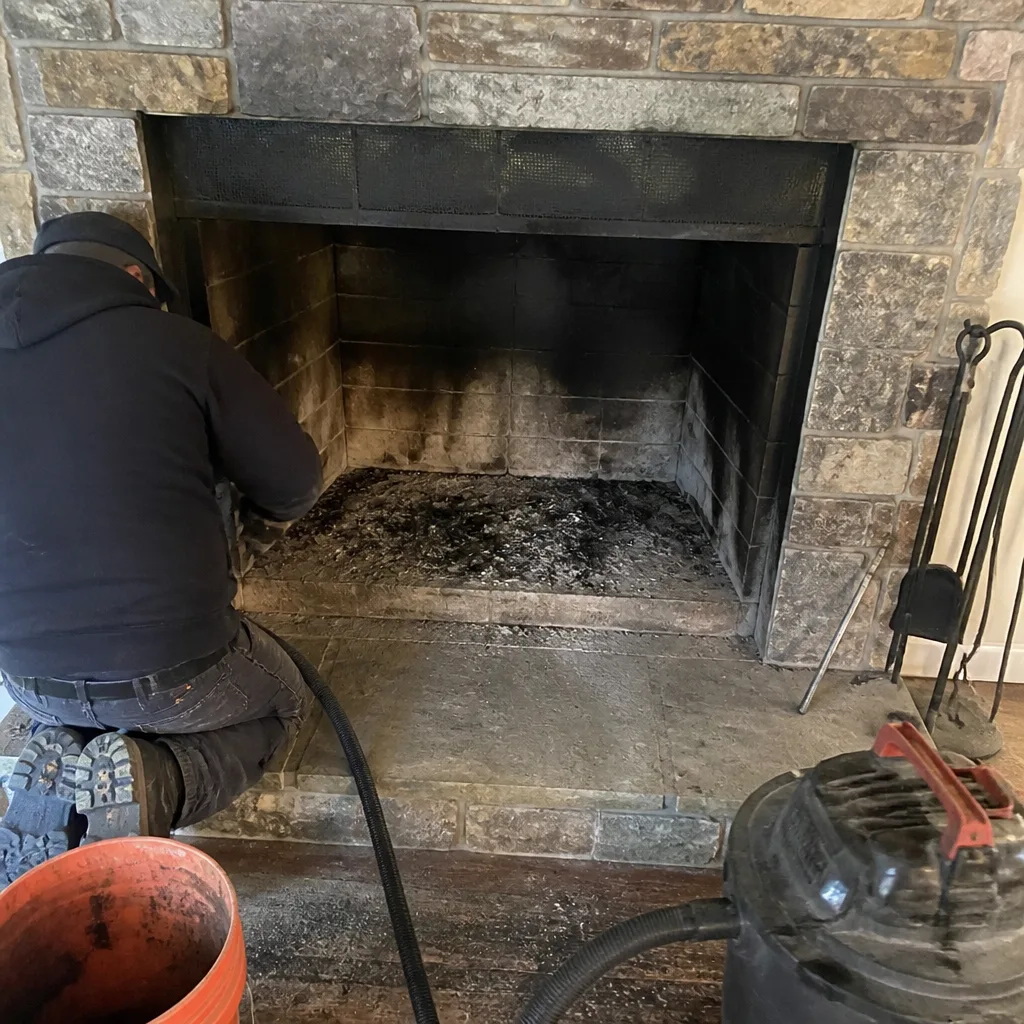 Before
 After
 Before
 After
When to Call a Professional
Call us when the problem involves anything you can’t safely inspect: a suspected liner crack, continuous smoke into the room, a firebox that’s lost firebrick, a persistent odor, or a draft problem that’s gotten worse after home upgrades. Call when you’ve never had the chimney inspected and don’t know its history. Call before burning season when you’re not sure the crown and cap are sound. And call when you want a straight answer on whether a repair can wait. Chimney Sweep Kirkwood offers free estimates in Kirkwood – call (844) 443-4847. We inspect before we recommend, so every recommendation ties to something we can show you under the flashlight. Our technicians have up to 11 years of experience, and our fireplace repair work is done by the same team that inspects and cleans, so nothing gets handed off to a subcontractor.
Frequently Asked Questions
A routine chimney sweep in Kirkwood is generally a modest, flat-price service that we confirm before we book, so you know the number before anyone arrives. The exact price is set by a written estimate after we see the chimney, because the scope depends on access and condition. Call (844) 443-4847 for an exact quote – estimates are free.
You need a new liner only if the liner is cracked, shedding, or otherwise no longer containing your fire safely, or if the flue is unlined and you’re burning wood. We won’t recommend one without showing you what we see, on camera, so you’re not taking our word for it. Sometimes the answer is a crown repair and a sweep, and we say so. Call (844) 443-4847 for an exact quote – estimates are free.
A chimney needs sweeping on a schedule based on use, not the calendar alone. Wood-burning fireplaces used regularly usually want an annual sweep and inspection, and heavier use or lots of debris from Kirkwood’s tree canopy can mean sooner. A gas fireplace still needs an annual inspection even if there’s less to clean. Call (844) 443-4847 for an exact quote – estimates are free.
If you skip inspections, creosote buildup and cracked liners go unnoticed until a fire finds them, and that’s when a chimney fire or carbon monoxide problem starts. We don’t say that to spook anyone. The practical point is that chimney damage gets more expensive the longer it goes unseen. Call (844) 443-4847 for an exact quote – estimates are free.
Smoking that comes and goes usually points to negative pressure in the house, often from kitchen or bath exhaust fans, or to a draft problem that worsens in certain weather. A steady, persistent smoke problem points more toward an obstruction or a breach. If smoke is entering the room continuously, stop burning and call (844) 443-4847.
Yes. We inspect in order – crown, flashing, liner, smoke chamber, firebox – and we explain what we find with photographs and camera evidence. You’ll see the cause, not just hear it described. Then you get a written estimate, and the written estimate sets the final price. Call (844) 443-4847. We answer 24/7. Fast dispatch from 7am to 7pm, Sunday through Friday.
The Bottom Line
The problems you notice on your chimney are usually symptoms, and the cause is upstream. Read the chain before you spend: rollout that recovers points at draft, continuous bleed points at a breach, white staining points at water entry, and a cracked firebox points at a liner that’s likely failing. Inspect in order – crown, flashing, liner, smoke chamber, firebox – and fix the cause, not the complaint. Some issues can wait for spring. Continuous smoke or a compromised liner cannot. If you’re not sure which you have, that’s the moment to get a professional set of eyes on it.
Call (844) 443-4847 for a free estimate. We answer 24/7. Fast dispatch from 7am to 7pm, Sunday through Friday. From the first sweep to the final repair, one team, one guarantee, and name-brand materials – DuraFlex, HeatShield, Gelco, Olympia Chimney, Famco, and Copperfield – properly installed.
Written by the team at Chimney Sweep Kirkwood.