
Last updated November 25, 2026
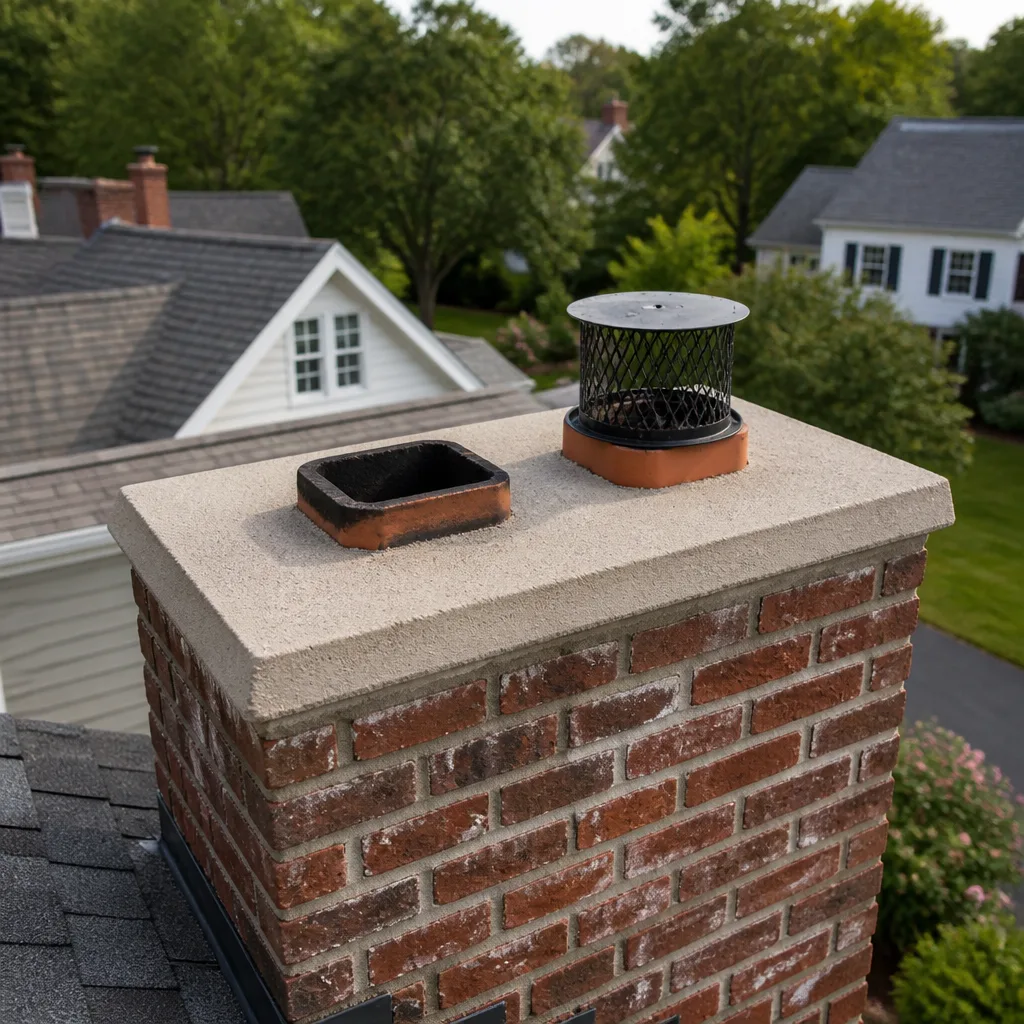 Sweep & inspection
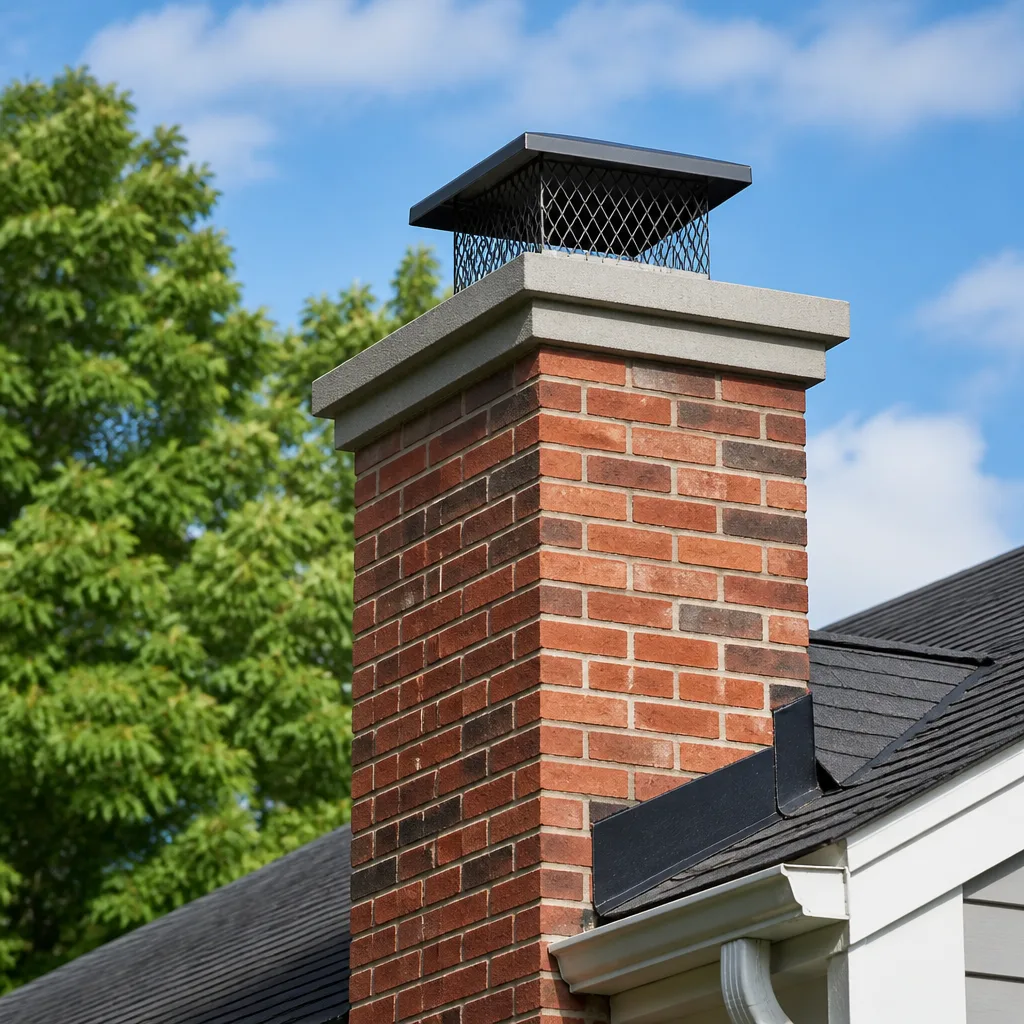 Caps & crowns
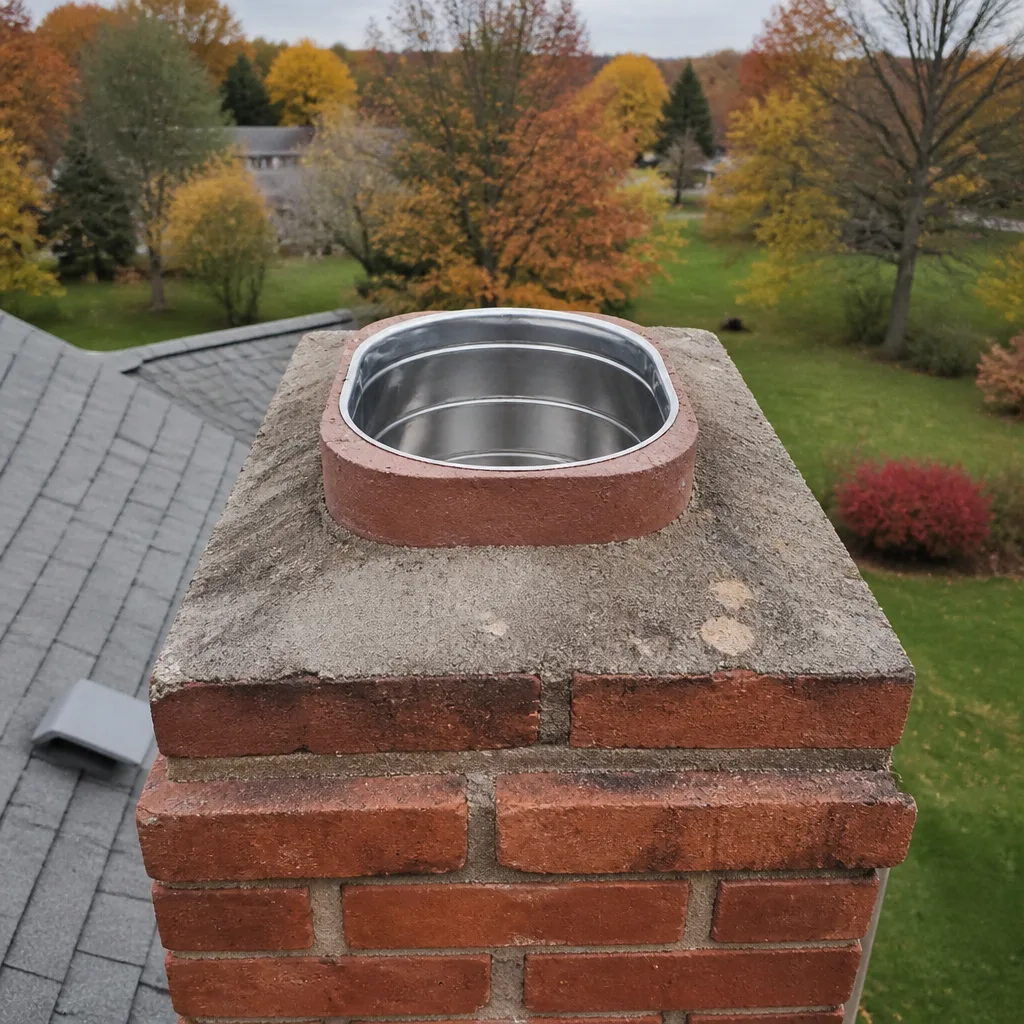 Flue relining
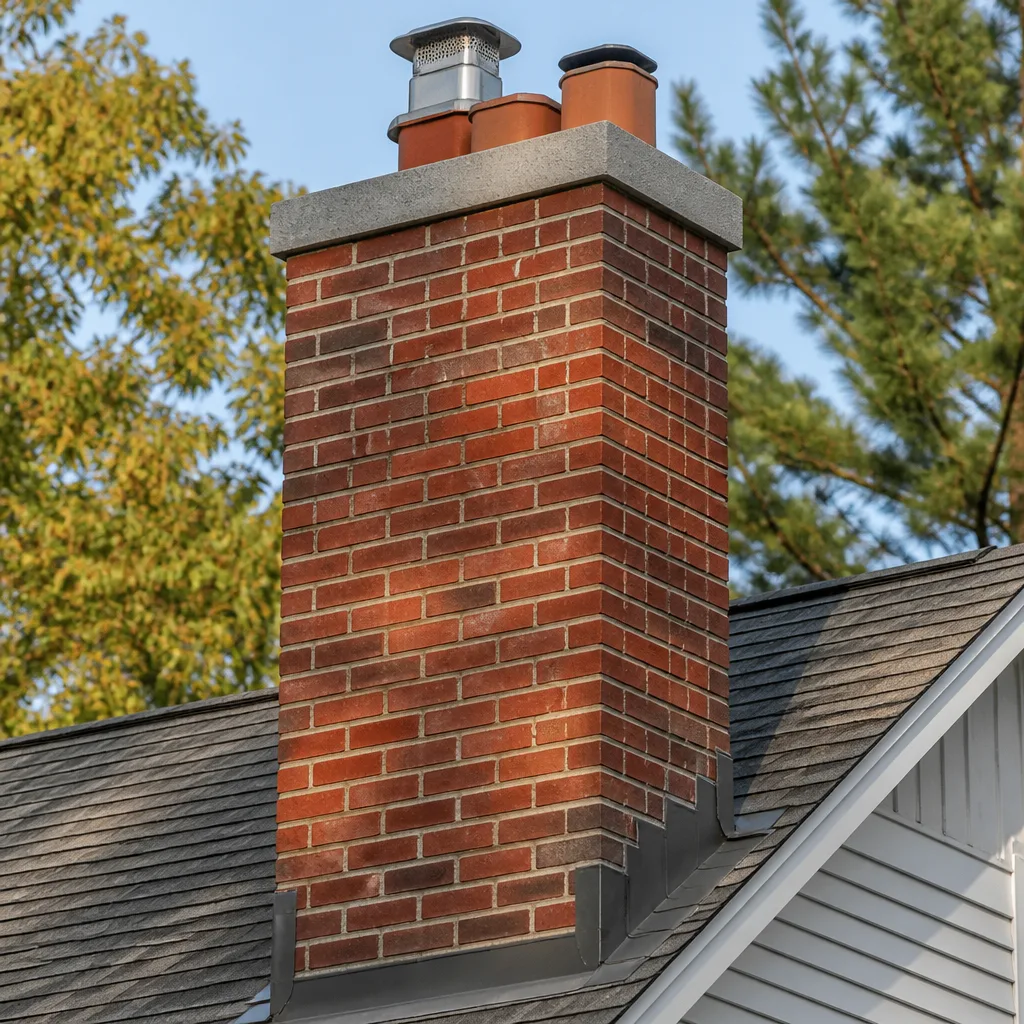 Masonry repair
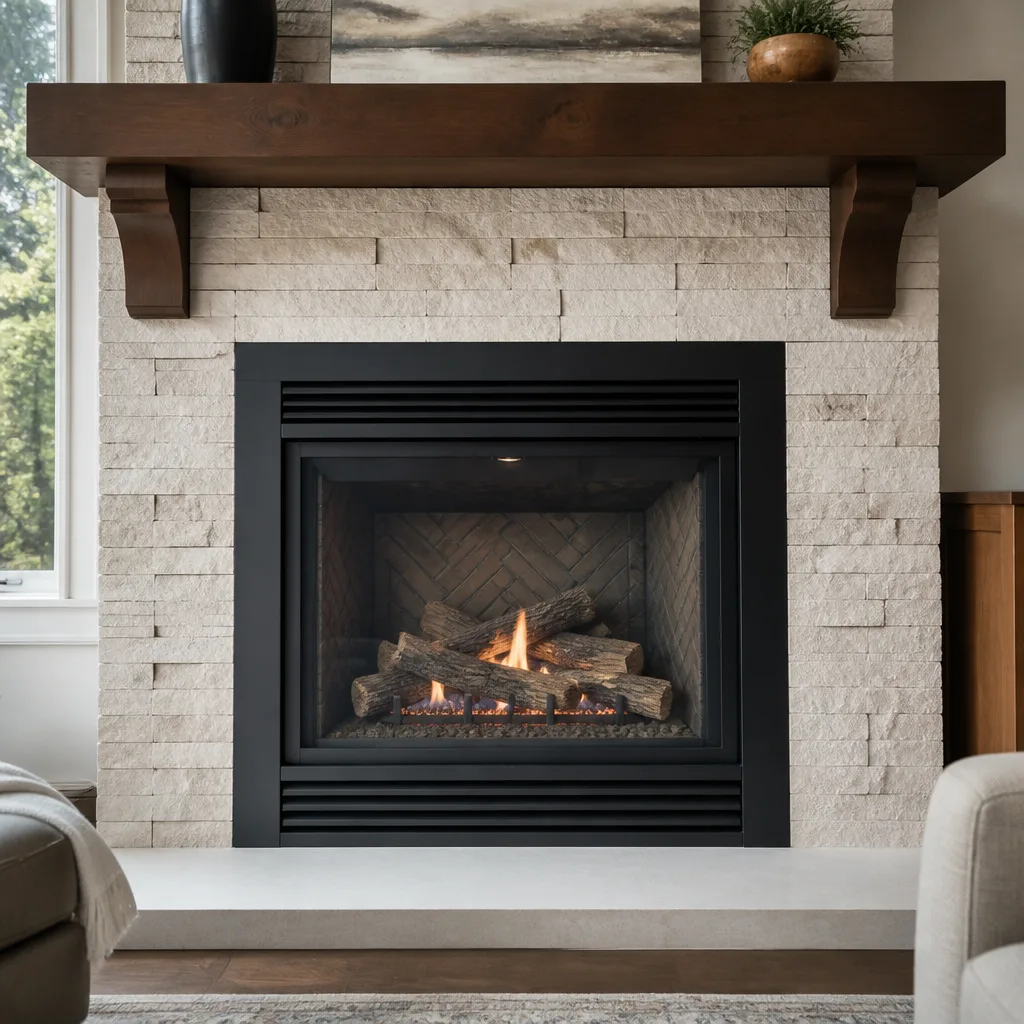 Gas fireplace service
Level 1 sweep and inspection to the NFPA 211 annual standard - flue, crown, cap, and flashing checked and photographed
Chimney sweep logs do not sweep chimneys. They loosen some creosote - which then falls where a brush and vacuum still have to collect it.
Chimney Cleaning Warning Signs: A Kirkwood Homeowner’s Reference Guide
The warning signs most chimney guides lead with are the ones we wish homeowners never had to see. White staining down the outside of the masonry, crumbling mortar joints, smoke rolling into the living room – by the time those show up, a small problem has usually been quietly growing for a couple of seasons. The signals that matter most are the ones that show up earlier and aren’t in the average checklist: a smell in the house with no fire burning, a fire that’s slow to catch, a faint rust line on the back wall of the firebox. This guide walks through those early indicators in plain language, in the order a trained sweep actually reads them. If you live in Kirkwood and heat with wood or run a gas fireplace, this is the reference we’d want in your hands before you book anything.
Styles & brands we work with
- Sweep & inspection
- Caps & crowns
- Flue relining
- Masonry repair
- Gas fireplace service
Quick Answer
The most reliable early warning signs of a chimney that needs cleaning or repair are: a strong campfire or smoky odor in the house when no fire is burning, dark or glazed creosote visible on the flue walls, a fire that’s slow to start or dies early, smoke puffing back into the room, rust or dark staining on the firebox back wall, and cracked or flaking exterior mortar. Any one of these is enough reason to get the system inspected. The signs that most homeowners notice first are the olfactory and draft ones, not the structural ones – which is why we always say the nose usually knows before the eyes do.
Table of Contents
- The Smells That Tell You Something Is Wrong
- What the Inside of Your Firebox Is Telling You
- Draft Problems and What They Usually Mean
- Ceiling Stains and Rust Streaks: Moisture Pathways
- Reading the Outside of the Chimney
- How to Photograph a Problem for an Accurate Description
- Gas Fireplace Warning Signs Are Different
- When to Sweep: A Kirkwood Seasonal Calendar
- Common Mistakes to Avoid
- When to Call a Professional
- Frequently Asked Questions
- The Bottom Line
The Smells That Tell You Something Is Wrong
Here’s the one that catches people off guard. A strong campfire smell in the living room on a hot afternoon in July, with no fire in the grate, is usually the first sign of a chimney problem a homeowner will ever notice. It’s also the one most often explained away as “the house settling” or “the neighbors burning something.” Pay attention to it. Three distinct odors correspond to three different mechanical problems, and each one points to a different service call.
- Sharply smoky, almost acrid, intensifies on warm days: This is the classic sign of creosote buildup combined with a reversed draft. The flue is holding a load of combustible residue, and the warmer outdoor air is pushing the chimney’s smell down into the house. You’ll notice it most during the shoulder seasons in Kirkwood – March and April, when days climb into the 70s but nights still cool off enough that people want a fire. A sweep is the first step.
- Damp, musty, earthy smell, worse after rain: Moisture is getting into the flue or firebox. Common culprits are a cracked crown, a missing or loose cap, or a flashing failure at the roof line. Moisture and creosote don’t mix well – a wet flue corrodes faster and drafts poorly. This usually needs a chimney cap & crown inspection, not just a sweep.
- Animal smell – urine, nesting material, or a musky odor: Birds, squirrels, and raccoons find uncapped chimneys in Kirkwood all the time, especially in spring and fall. When the smell is animal in origin, the flue needs to be cleared and the cap replaced before it can be swept safely. Never light a fire with a nest in the flue; that’s a serious fire risk and a reason to call before your next burn.
If none of these odors apply but you still smell something off, have it inspected. We’ve had homeowners describe a “hot metal” smell that turned out to be a cracked liner showing itself only on the first fire of the season. The nose knows before anything else.
What the Inside of Your Firebox Is Telling You
The firebox and the first several feet of flue above the damper are the most inspected part of the system, and for good reason. Liner cracks and mortar joint failures are visible here before they become structural problems higher up. You don’t need to climb anything or take anything apart to check most of this. You need a flashlight and about ten minutes.
- Shine a light up the flue from the damper. Look for any white or gray line or shadow that runs vertically up one of the flue tiles. A hairline crack at the bottom of a flue is easy to miss from the ground but will grow up the tile with every heating cycle. Liner cracking shows itself here first.
- Check the mortar joints between firebricks. Run your eye along the firebox walls. Any joint where the mortar has receded, chalked, or started to fall out is a mortar failure point. Small joints can be repointed; ignored ones let heat into the brick and eventually into the surrounding structure.
- Look for “spalling” on the firebrick faces. That’s the term for peeling, flaking surfaces. If the brick face is popping off in thin sheets, it’s been overheated or water-damaged. A few spalled spots isn’t a crisis, but it’s a sign the firebox needs a professional assessment.
- Inspect the smoke shelf and damper. A damper that no longer seats fully, or a smoke shelf packed with soot and debris, will cause smoke to hang in the firebox instead of drafting up. This is often the real reason “the fire just doesn’t draw like it used to.”
What you’re looking for as you go is patterns. One small hairline is not the same as a network of cracks. One spalled brick is not the same as a flaking wall. If you see a pattern, book an inspection. We inspect before we recommend – that’s not a slogan, it’s the reason we don’t sell liner work before we’ve seen the liner. HeatShield resurfacing, when it’s the right fix, is applied in-house by our technicians; when a full flexible liner is the right fix, we install DuraFlex systems ourselves, no subcontracting, no handoff.
Draft Problems and What They Usually Mean
Draft irregularities are the second-most-common early warning sign we see in Kirkwood, and they’re often minimized because they’re inconvenient rather than scary. They should be taken seriously – draft problems are the mechanism by which carbon monoxide ends up in a living space instead of going up the flue. Here’s how the specific behaviors map to likely causes.
- Smoke puffs back into the room when you open the door: Usually a pressure or temperature issue. Causes range from a cold flue (common on the first fire of the season), to a blocked cap, to a flue that’s too short for the fireplace opening, to a house that’s running too tight for the chimney to pull properly.
- Fire is slow to ignite and smolders: The chimney isn’t pulling enough air up. Likely factors are a creosote-restricted flue, a closed or partially closed damper, or a flue that’s sized wrong for the appliance.
- Fire dies early, even with good fuel and a hot bed of coals: A draft failure. The system isn’t moving enough air to keep combustion going. This is one of the clearest signals to stop burning and get inspected.
- Smoke smell lingers in the room for hours after the fire is out: The flue is holding creosote and delivering it back into the house as the system cools. A sweep usually resolves it; if it doesn’t, the flue liner or its connections need checking.
- Neighbors complain about smoke when your fire is going: The chimney may be venting poorly or the cap may be too low. Worth having the whole system evaluated.
The bottom line for draft issues: if the fire’s behavior has changed from one season to the next, something in the system changed too. Book an inspection before your next burn.
Ceiling Stains and Rust Streaks: Moisture Pathways
Brown staining on a ceiling near the chimney chase, or rust streaks running down the firebox back wall, are what we call “written moisture evidence.” Water is getting into the system somewhere, and it’s moved far enough to leave a stain. The stain is the result; your job is to trace the path back to the source.
The most common pathways, in the order we find them:
- Crown cracking or spalling. The cement crown at the top of the chimney is designed to shed water away from the flue. When it cracks – which it will, given enough heating and cooling cycles and the wet-then-dry pattern of Georgia’s humid summers and cool winters – water finds the crack and drips down alongside the flue. The stain shows up on the ceiling below the chase before it shows up as visible rot.
- Failed flashing at the roof line. The metal flashing where the chimney passes through the roof is a common failure point, especially on older Kirkwood homes where the flashing has been patch-sealed once or twice already. Water runs behind it and down into the attic.
- Missing, damaged, or wrong-sized chimney cap. A cap does real work here – it keeps rain, animals, and debris out of the flue. When it’s missing, the entire flue is exposed. When it’s the wrong size, water can still get in around the edges. When the mesh is damaged, animals get in and the smell problem follows.
- Cracked flue tiles allowing water into the masonry. A hairline crack in the flue tile at the top of the chimney can let water into the brickwork. The masonry acts like a sponge and the moisture finds its way down and out through the ceiling seal or around the firebox.
Rust inside the firebox is a related but distinct signal. It means water is coming into contact with a metal component – the damper, the smoke chamber liner, or a metal firebox insert. Rust weakens those parts and eventually interferes with their function. In our experience in Kirkwood, rust on the firebox back wall usually traces back to a failing crown or missing cap, not to an internal leak.
Caulking over the ceiling stain doesn’t fix anything. The stain is a symptom; the leak is the cause. That’s why we look at the whole system – cap, crown, flashing, and flue – in a single inspection. Chimney Cap & Crown is a dedicated service for us precisely because these moisture problems are the most common issue we see, and it’s worth treating them as a system.
Reading the Outside of the Chimney
You can learn a lot about a chimney’s health from the ground without climbing anything. A pair of binoculars and a phone camera are enough to see most of what an experienced sweep will look for first.
Cap damage
- Tilted or off-level cap: The cap has lost its attachment somewhere, likely at the bolts or the crown bond. It may still be doing partial work, but it’s vulnerable to wind.
- Rust streaks on a stainless cap: Fine. Most stainless caps streak a little in Georgia’s humidity. Worry about rust when the streaks are heavy and the cap looks pitted along the seams.
- Bent or collapsed mesh: Means animals have had access, or the cap was struck by something. Either way, worth replacing.
- No cap at all: The most common exterior issue we see on Kirkwood homes. Uncapped chimneys collect everything – rain, leaves, birds, squirrels. If yours is uncapped, that alone is worth a call.
Crown cracking patterns
- Hairline cracks at the flue (small cracks radiating from where the flue passes through the crown): common, early-stage, usually resolvable with a crown coating or repour before water intrudes.
- Cracks that follow the overhang edge: Typically a sign of freeze-thaw or temperature cycling. More urgent than center cracks, because they tend to open up under summer sun and rain.
- Chunks missing or crown separation from the chimney wall: The crown has failed at the bond point. This is a repair, not a coating job.
- Spalling crown surface, flaking off in sheets: Water has been getting under the crown face for a while. Time to replace.
Mortar color change and joint condition
- White staining or powdering on the masonry: Efflorescence, which means moisture has been traveling through the brick and evaporating through the face, leaving mineral deposits. It’s a sign of water intrusion, not the intrusion itself.
- Mortar that’s receded from the brick faces: “Recessed joints.” A small amount is normal on older chimneys. When you can see clear shadow lines between brick and mortar, the joints are ready for repointing.
- A color shift from light gray to darker gray or brown: May indicate consistent moisture. On the upper third of a chimney especially, this is worth a look.
- Crumbled or sandy mortar: Failing. The masonry is losing its binding between bricks and won’t hold up to another winter.
None of these are emergencies by themselves. All of them are worth writing down and describing to a professional, because what you can see from the ground is the outer signal of what’s going on inside the system. If you’re ready to talk to someone about what your chimney looks like outside, we’ve built our full-scope service around the fact that exterior issues, liner issues, and firebox issues are usually facets of one problem, not three. Our materials come from suppliers we trust to hold up in Georgia’s climate – Gelco, Olympia Chimney, Famco, and Copperfield among them – and the cap and crown work we do is meant to last, not to need a return visit in eighteen months.
How to Photograph a Problem for an Accurate Description
One of the most useful things you can do before you call is take a small set of photographs. Not because we don’t want to see it ourselves, but because the photos help you describe the problem accurately on the phone and give us a heads-up on what to bring. It saves a second visit, and it helps us know whether we’re coming for a sweep, a cap, or a liner.
- Photograph the firebox back wall straight on. Flash on, camera perpendicular to the wall. Rust streaks, poor mortar joints, and spalling show clearly against a flat background.
- Photograph the damper frame and smoke shelf. From inside the fireplace opening, phone pointing up at the damper. This shows whether the damper is seated, whether the smoke shelf is packed, and whether the flue tile above the damper is intact.
- Photograph the ceiling stain from below with a reference object in frame. A coin or a pen at the edge gives scale. Include the ceiling-to-wall corner where the chase meets the ceiling if you can see it.
- Photograph the chimney cap from the ground with binoculars. Stabilize your phone against the top of a door frame or a fence post to reduce shake. Get one close-up that fills the frame with the cap, and one wider shot that shows the crown.
- Photograph the crown from the ground at an angle that shows both sides. From the yard, walk 20 to 30 feet back and shoot up. You’ll catch the joint between crown and chimney wall better from an angle than straight up.
- Photograph the base of the chimney and the fireplace surround. Any staining on the surround, or rust at the bottom of the firebox, connects to the moisture pathway question.
Send those photos with your call, or show them at the estimate. Straightforward, honest information gets the right work scheduled the first time. If you also want an annual maintenance appointment while you’re at it, that’s the moment to say so – our chimney sweep and inspection can often be booked together if the schedule allows.
Gas Fireplace Warning Signs Are Different
If your Kirkwood home has a gas fireplace or a gas insert, the warning signs look different from what a wood-burning chimney shows. There’s no creosote in a gas flue, so the “smell of a campfire” test doesn’t apply. But the system has other signals that tell you it’s time for service.
- A yellow or orange flame where you’d expect blue: Gas is not combusting cleanly. Could be a venting issue, a blocked vent, or a component needing attention. Stop using it and call.
- Soot on the logs or the firebox surround: A sign of incomplete combustion or a draft problem. Either reason is a reason to have the system checked.
- A strong or unusual odor when the fireplace is on: Could indicate a leak somewhere in the supply. That’s a gas safety matter and a reason to call from outside the house. Never ignore a gas smell.
- Delayed ignition (a loud “whoosh” when you turn it on): A service item. Soot buildup on the burners or a misaligned component will cause it.
- Visible cracking or disconnection in the vent pipe: The vent is the gas fireplace’s chimney. It needs to be intact to carry exhaust out. If you can see damage, stop using the unit.
- Rust or water staining around the vent termination outside: Same moisture problem as with a wood chimney, same fix.
Gas fireplace work is part of our fireplace repair service, and gas work is one of the categories the local pro we connect you with is licensed and insured for, as their state requires. If the problem is on the venting or the termination outside, that crosses into chimney territory and gets looked at as part of one inspection. One company, one conversation, no handoff between a “gas guy” and a “chimney guy.”
When to Sweep: A Kirkwood Seasonal Calendar
The general rule is annual – one sweep per year, or after every cord of wood burned, whichever comes first. In Kirkwood, the calendar has a rhythm we’d suggest you follow rather than treating the sweep as a when-you-think-of-it chore.
- Late summer to early fall (August-September): The ideal window for a sweep and inspection, before the first burn of the season. The chimney is at its driest from summer, and the inspection catches anything that happened over the previous heating season while there’s still time to fix it before cool nights arrive.
- After the first fire of the season: If you skipped the pre-season sweep, do it right after the first fire, especially if you noticed any of the warning signs above.
- Mid-season if you burn heavily: If you go through more than one cord of wood, or you burn wet wood, check in with a sweep mid-season. Creosote builds faster on wet wood.
- Early spring (March-April): A good second check after the heating season closes. This is when moisture damage from winter has had time to show up, and when animal intrusion becomes visible.
Kirkwood’s climate makes a specific difference here. The humid summers and cool winters create a wet-then-dry cycle that stresses masonry and mortar joints. The result is that crown and mortar issues show up faster on Kirkwood chimneys than they would in a drier climate. If you’ve lived in the same house for more than two seasons and haven’t had the chimney looked at, it’s worth the inspection. Our team’s technicians bring up to 11 years of experience in this environment, and the issues we see most often are moisture and creosote, in that order.
Common Mistakes to Avoid
- Waiting for white staining before you call. White staining is a late signal. It means water has been in the masonry long enough to evaporate through the exterior face and leave minerals behind. If it’s already visible, you may have missed the cheap fix by a season or two.
- Assuming a chemical “creosote log” replaces a sweep. The log-style additives have a place as a maintenance product, but they don’t remove glaze-stage creosote from a flue. Only mechanical sweeping does. If you’re seeing or smelling a heavy creosote load, book a sweep.
- Treating the smell as the whole problem. In our experience, that July campfire smell points to a specific condition on the flue walls. Covering the smell with an air freshener, or waiting until it’s gone, doesn’t fix anything. Over the next heating season, it comes right back.
- Ignoring a change in draft behavior. If your fire used to light easily and now takes twenty minutes to catch, that’s not “the wood this year.” Something changed in the system. Good draft and clean combustion go together; when one fades, get it looked at.
- Caulking a ceiling stain without finding the leak. The stain will come back, and in the meantime water is still working its way into the structure. Trace the moisture pathway before you patch anything.
- Buying a universal cap and bolting it on. A correctly sized chimney cap is measured to the flue and the crown. Off-the-shelf caps leave gaps at the edges, and gaps let in the water and animals the cap was supposed to keep out.
- Hiring a general handyman to do liner work. Liner installation and flue resurfacing are specialized work. If the person doing the job can’t tell you what brand of liner they install and whether they install it themselves, find someone who can. Our HeatShield resurfacing and DuraFlex liner installations are done in-house because they require the right product, correctly installed, to do their job for years.
When to Call a Professional
Call if you’re seeing any of the following: a strong campfire or musty smell in the house when no fire is burning; visible cracking or glazing on the flue walls; smoke puffing into the room from a normally-behaved fireplace; rust streaks or dark staining inside the firebox; brown staining on a ceiling near the chimney chase; crumbling mortar, cracking crown, or missing cap on the exterior; or a fire that’s behaved noticeably differently this season than last season. Gas fireplace owners should call for a yellow flame, soot on the logs, delayed ignition, or any gas odor at all. One caveat: high-tension chimney components and liner repairs are not homeowner work. Drop a flashlight, take a photo, and call a trained professional. A chimney sweep and inspection booked through Chimney Sweep Kirkwood is a flat-price sweep agreed before booking, with camera inspection and photo report included. Call (844) 443-4847 for a free estimate. We answer 24/7. Fast dispatch from 7am to 7pm, Sunday through Friday.
Frequently Asked Questions
A smoky, campfire-like smell in the living room when no fire is burning is usually the first sign a homeowner notices. It often shows up on warm days when the outdoor air pushes the flue’s accumulated creosote smell back down into the house. Book a sweep and inspection as soon as you notice it. Call (844) 443-4847 for an exact quote – estimates are free.
Once a year, or after every cord of wood burned – whichever comes first. In Kirkwood’s climate, the best time for the annual sweep is late summer to early fall, before the first fire of the heating season. Homes burning heavily or burning unseasoned wood should plan a mid-season check too. Call (844) 443-4847 to schedule a sweep before the season starts.
You need a new liner if there is visible cracking, separation, or spalling in the existing flue tiles, not just because a sweep says so. A camera inspection with a photo report shows you exactly what’s going on. We inspect before we recommend, and nothing gets proposed that you can’t see for yourself. Call (844) 443-4847 with your photos – we’ll give you an honest read on whether repair, resurfacing, or a new liner is the right answer.
Not always – small hairline cracks at the firebox mortar joints are common on older chimneys. What matters is size and growth. A crack that stays the same width across a season is low-risk; one that’s widening or has a pattern of friends should be inspected. Call (844) 443-4847 if you’re unsure whether the crack is growing.
Routine brushing is within reach for a confident homeowner, but climbing a roof and inspecting a flue are not. Roof work at height, high-tension components, and gas or liner work belong to a trained professional. If you clean your own flue, have the system inspected by a professional at least once a year. Call (844) 443-4847 for the inspection.
Creosote builds and stage-two and stage-three glaze-stage deposits become harder to remove. Moisture damage spreads from crown to masonry to interior. A small sweep-and-inspect becomes a repair project. The earlier signs in this guide are exactly the ones that let you avoid that progression. Call (844) 443-4847 to book an inspection and get out ahead of it. We answer 24/7. Fast dispatch from 7am to 7pm, Sunday through Friday.
The Bottom Line
The chimney tells you what it needs long before it fails. Smells, draft changes, and small visual cues inside the firebox are the early indicators that experienced sweeps read first. Chasing them down is how you avoid the late-stage problems – white staining, crumbling mortar, smoke in the room – that turn a maintenance call into a structural repair. Our read for Kirkwood homeowners: if something’s different this year than last year, that’s the signal. One company that handles the sweep, the inspection, the cap and crown, the firebox repair, and the liner work – with name-brand materials and no subcontracting – is the way to keep the whole system running together. Written by the team at Chimney Sweep Kirkwood.
Call (844) 443-4847 for a free estimate. We answer 24/7. Fast dispatch from 7am to 7pm, Sunday through Friday.
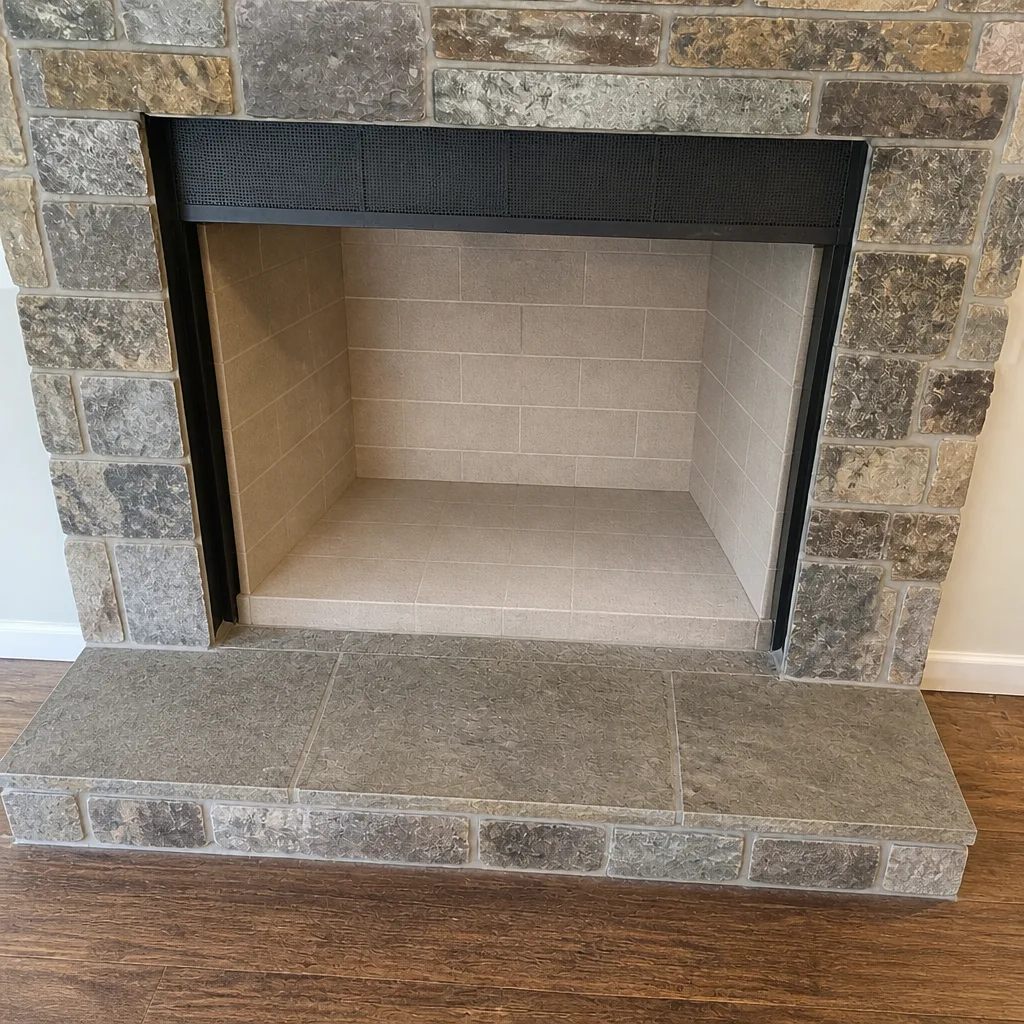
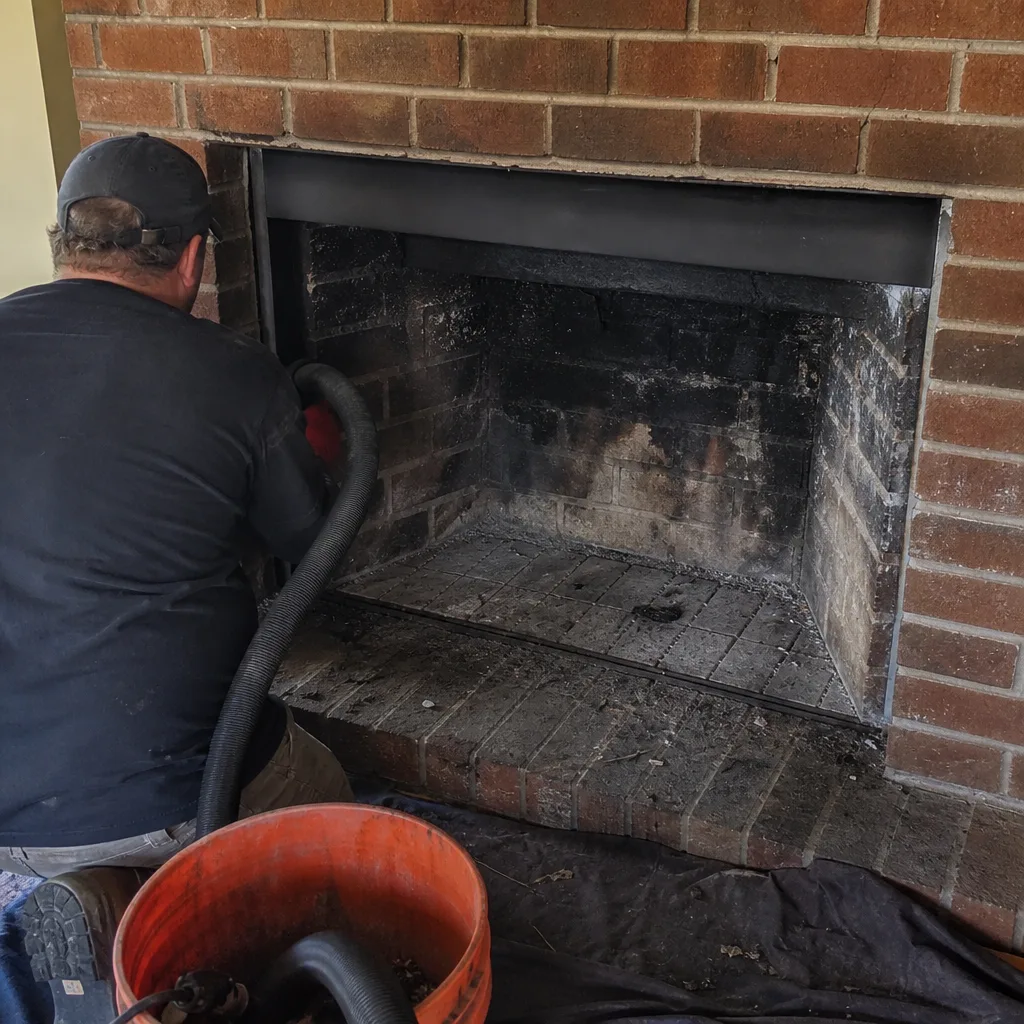
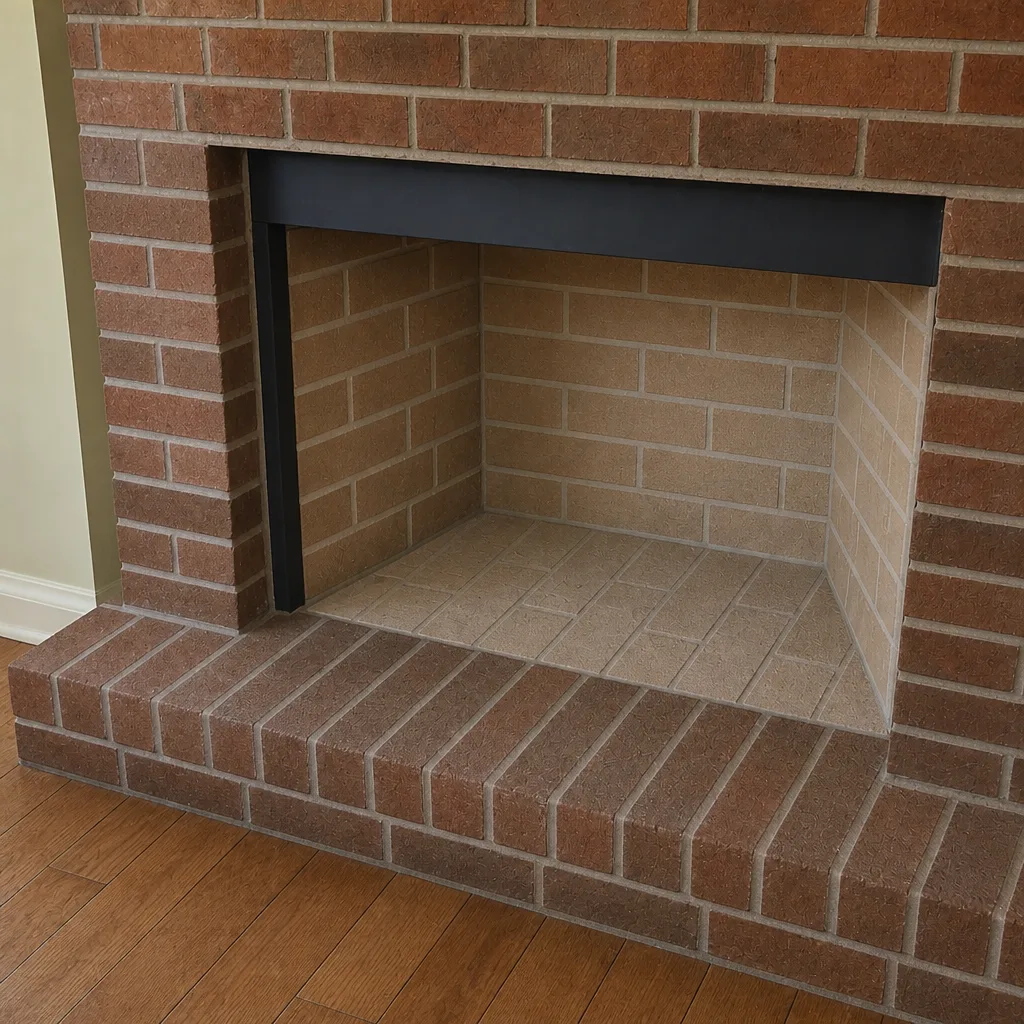
See the difference
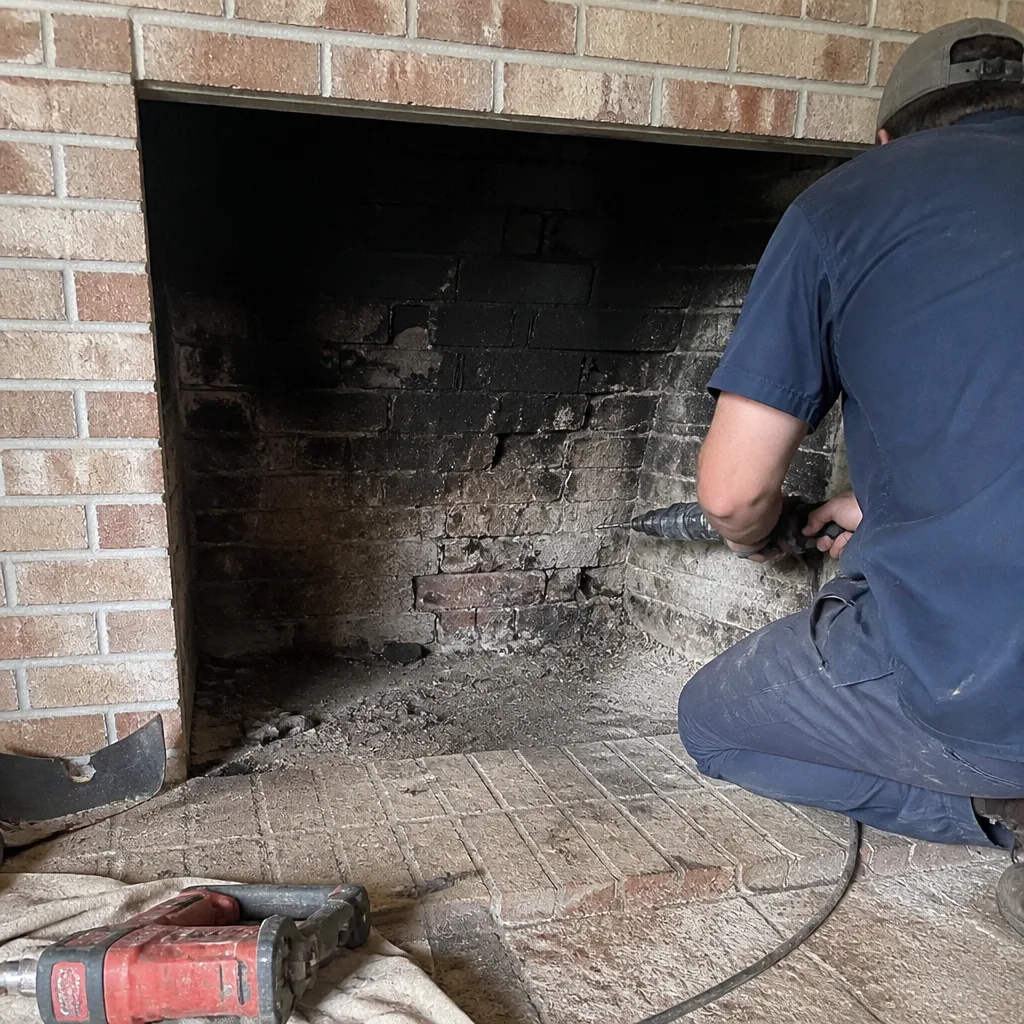 Before
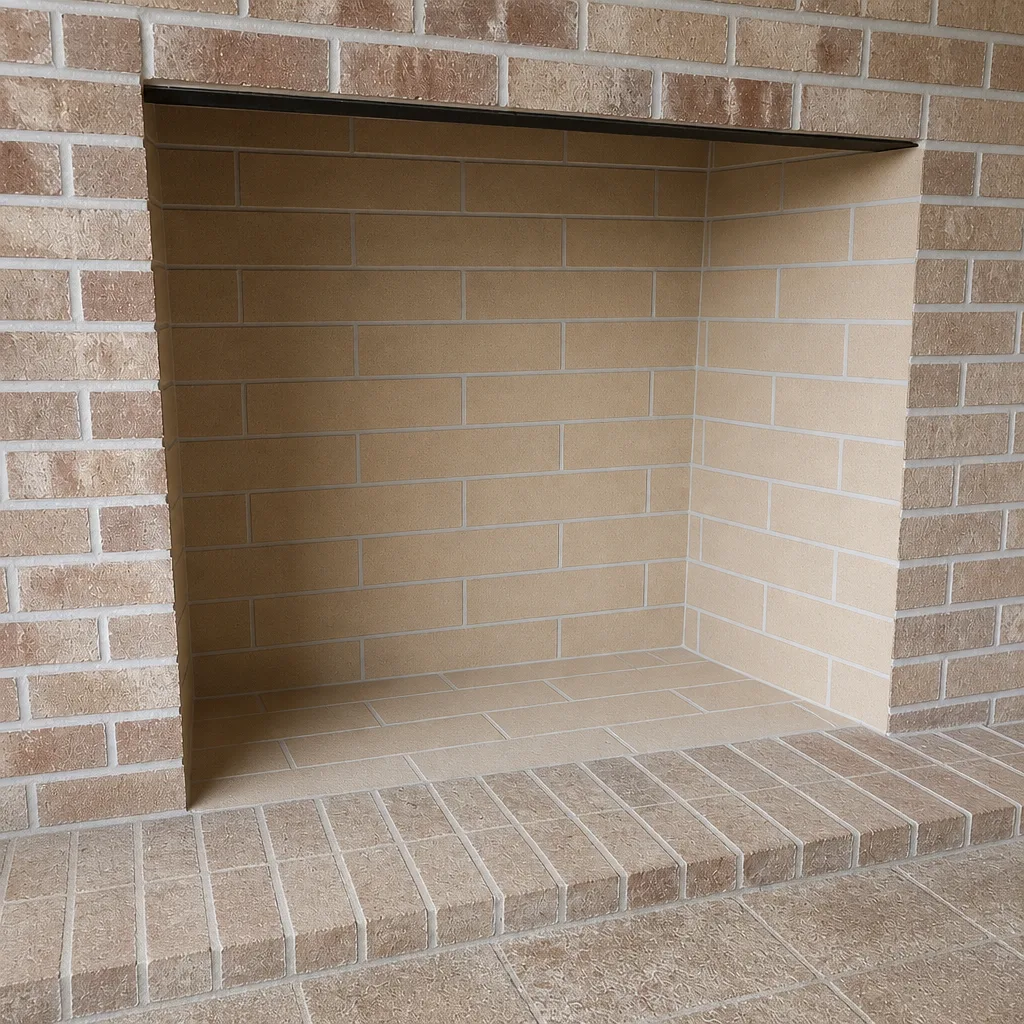 After
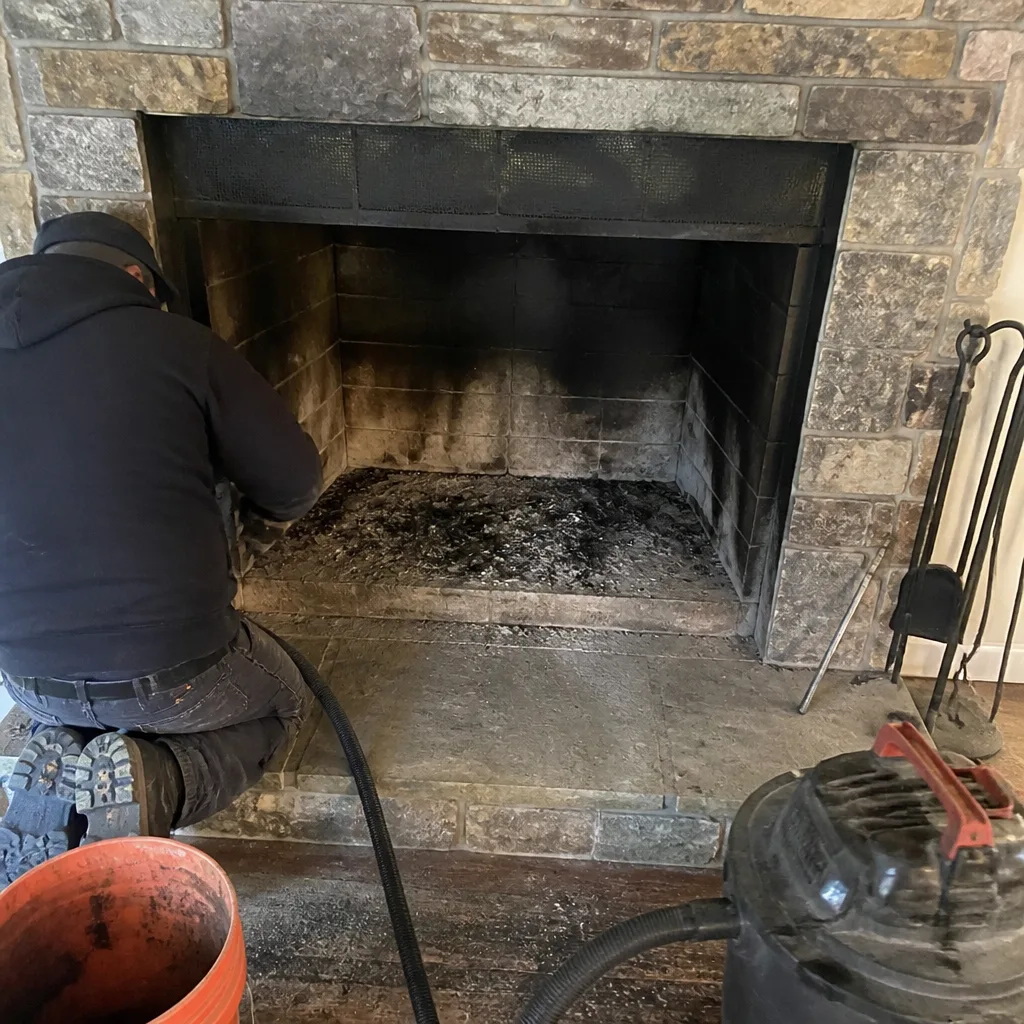 Before
 After
 Before
 After