
Last updated November 25, 2026
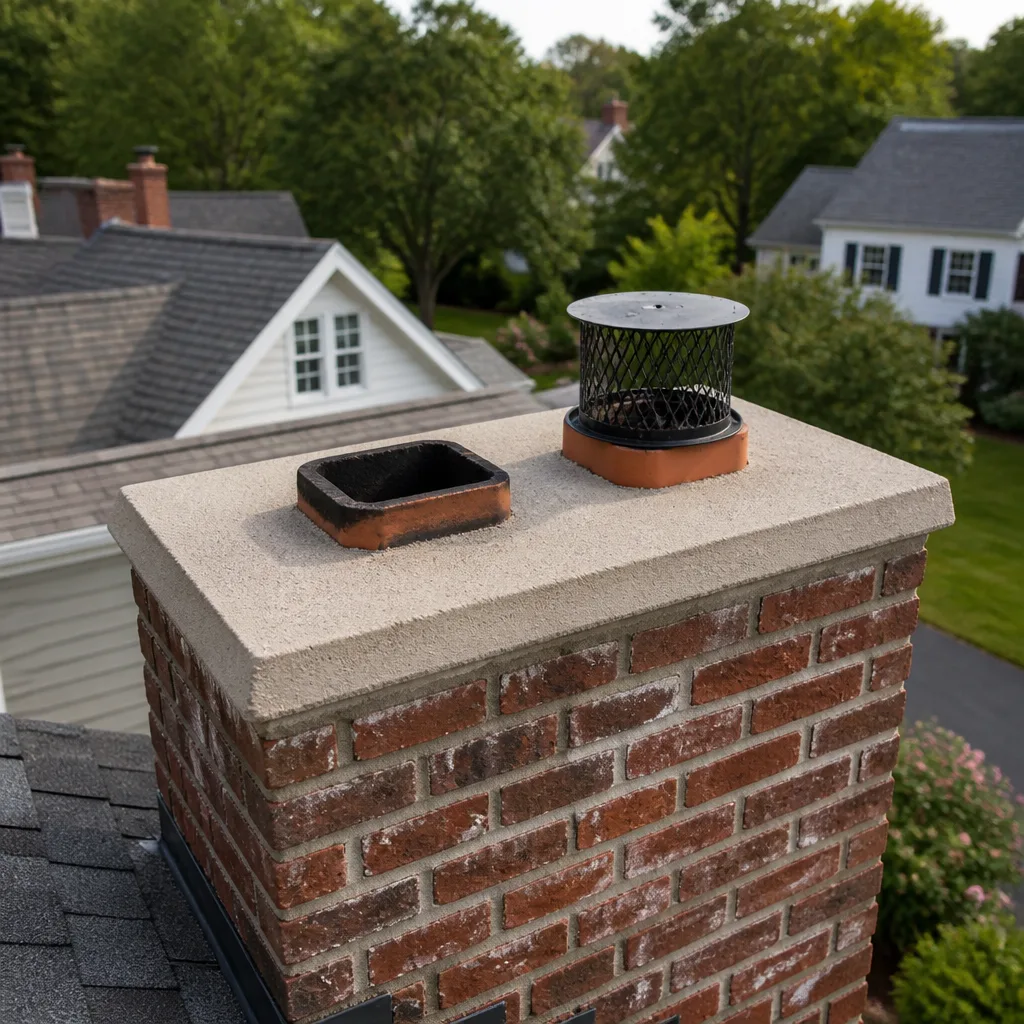 Sweep & inspection
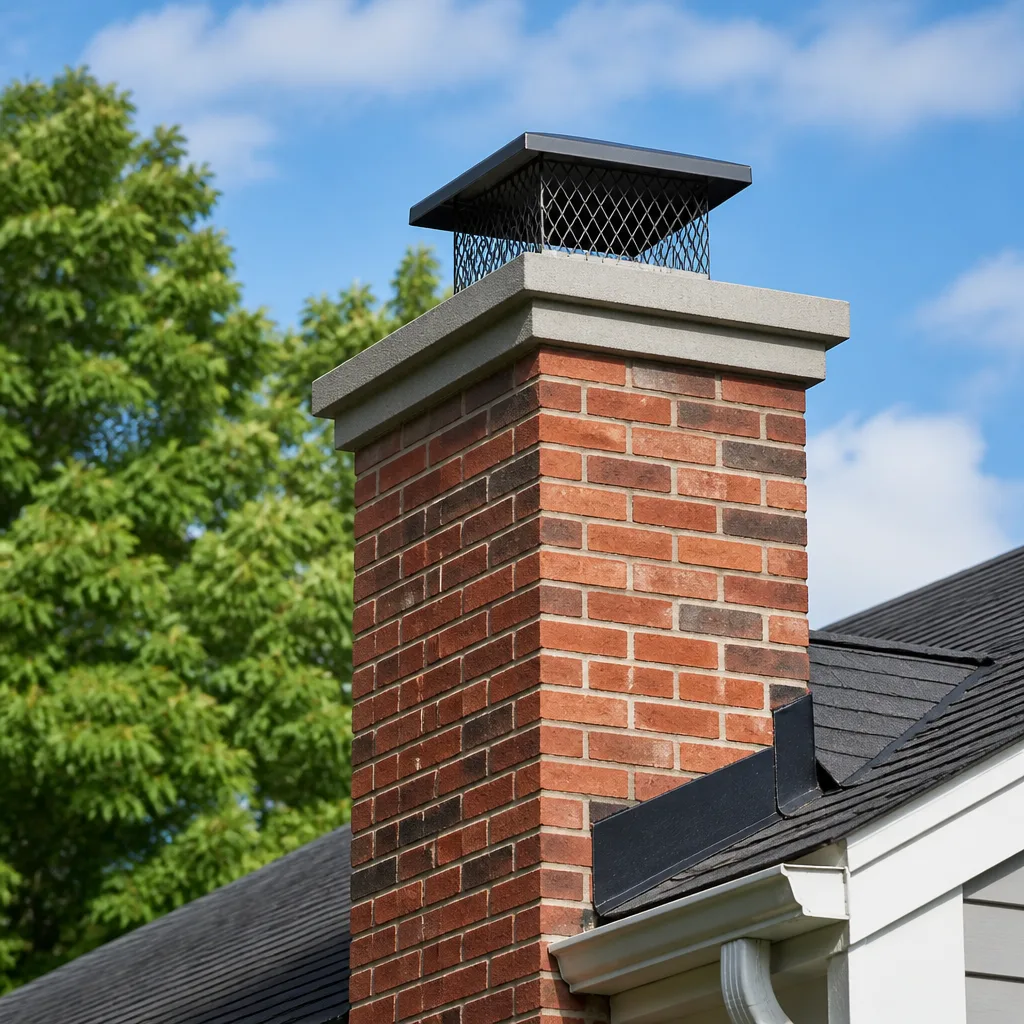 Caps & crowns
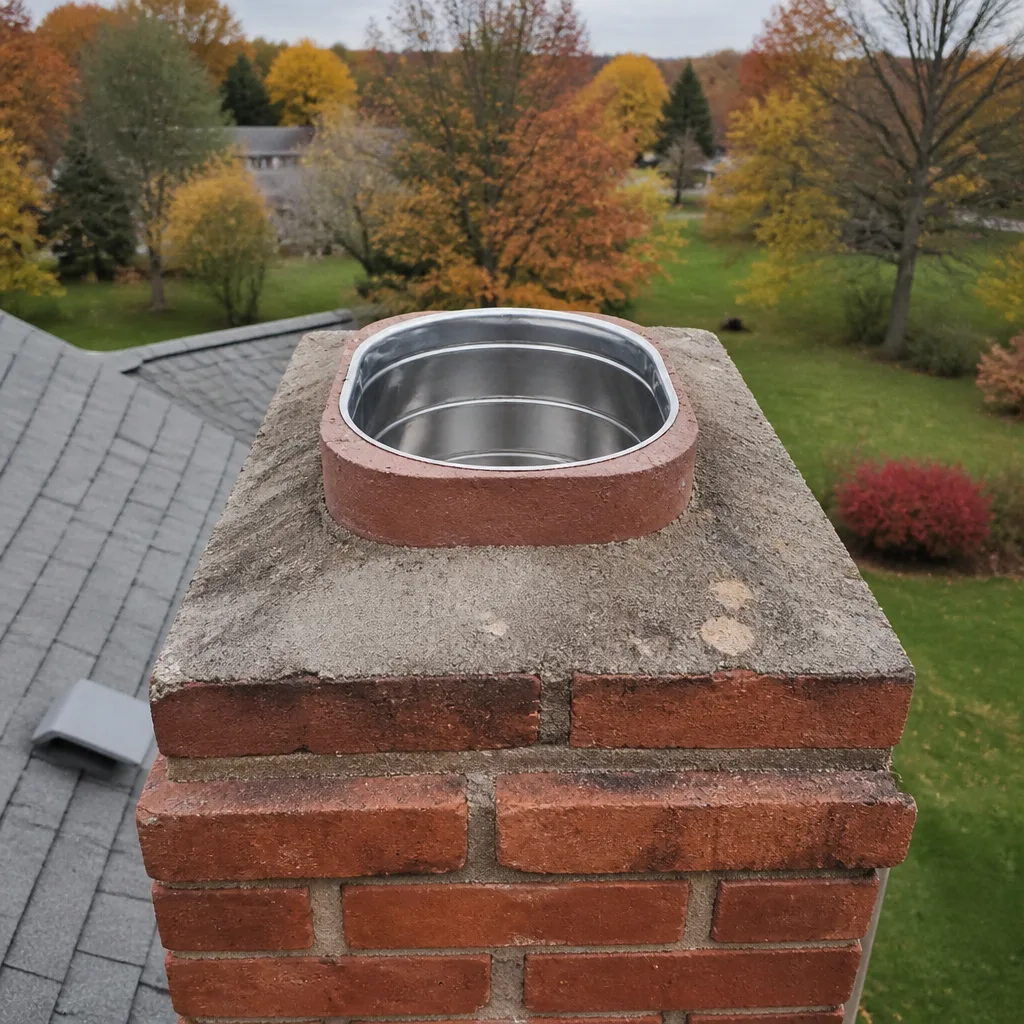 Flue relining
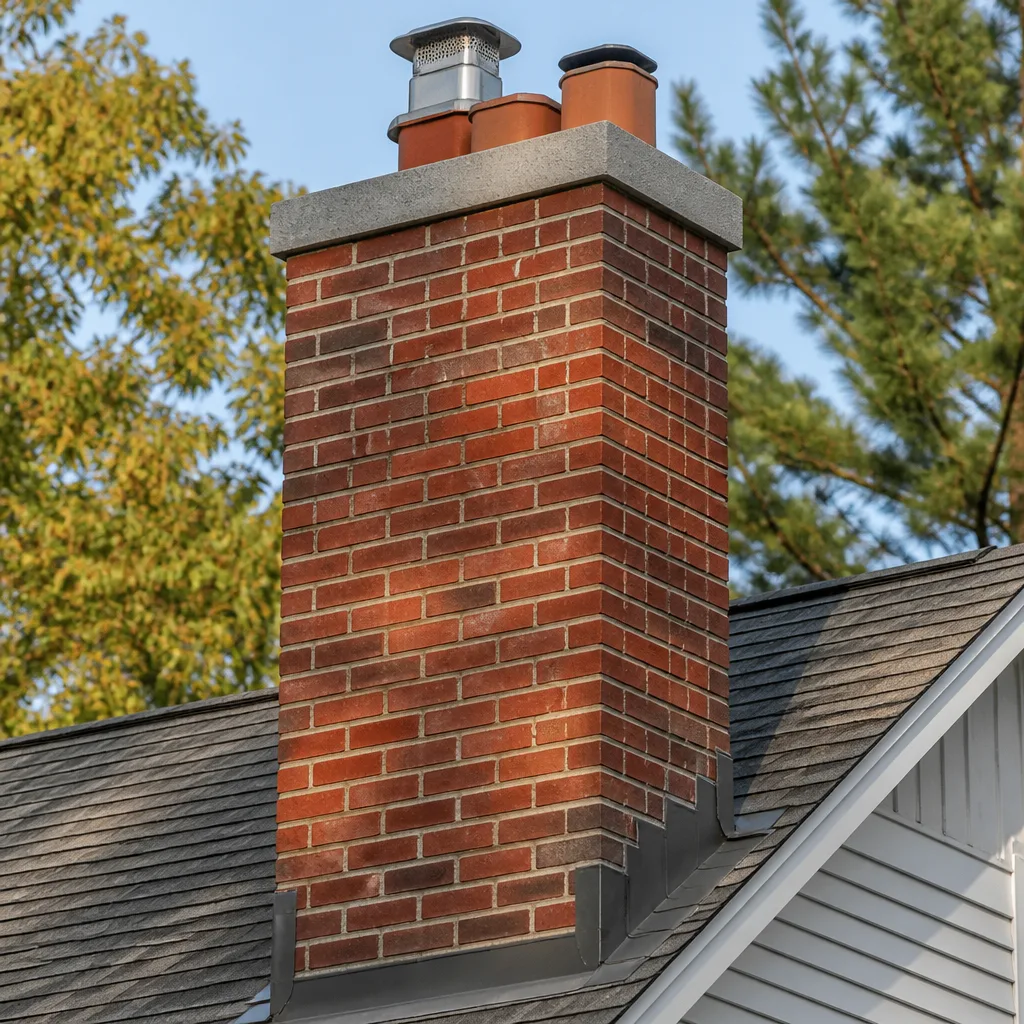 Masonry repair
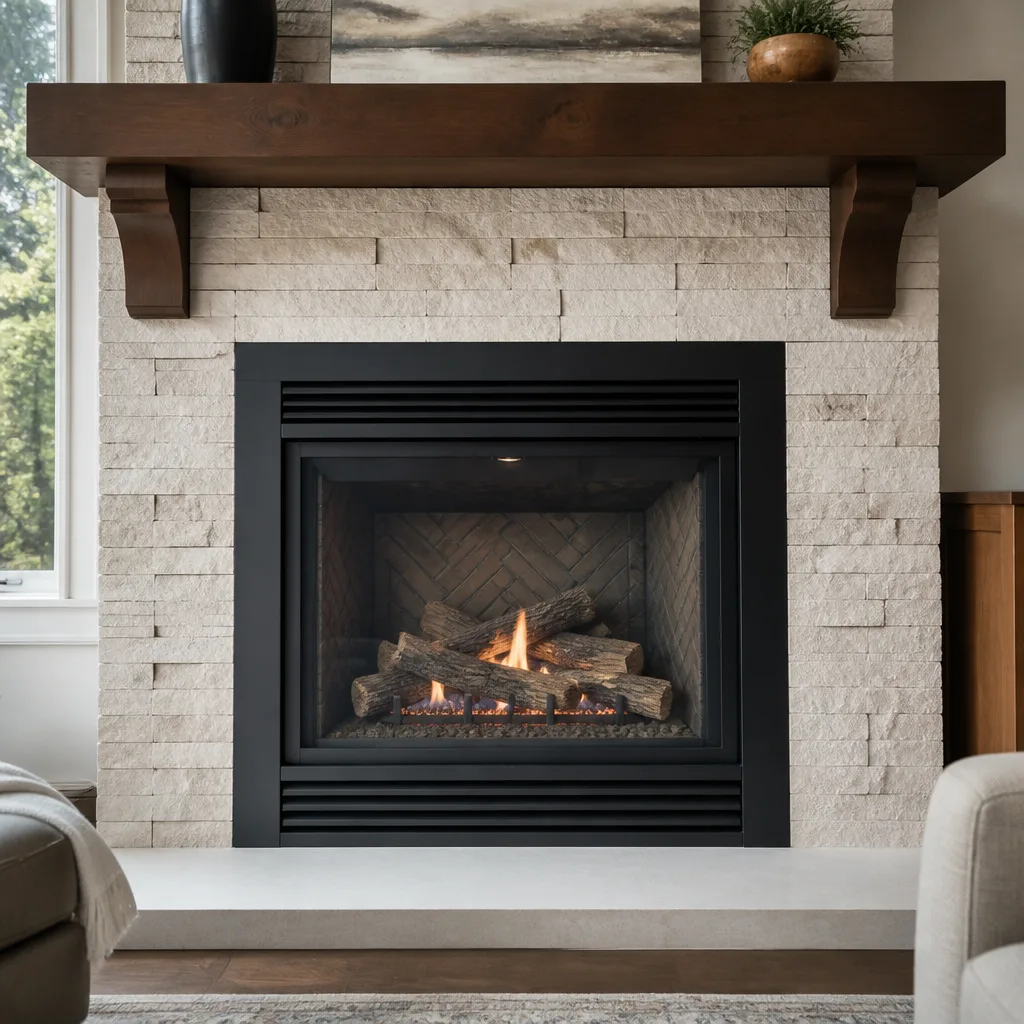 Gas fireplace service
Level 1 sweep and inspection to the NFPA 211 annual standard - flue, crown, cap, and flashing checked and photographed
Chimney sweep logs do not sweep chimneys. They loosen some creosote - which then falls where a brush and vacuum still have to collect it.
DIY vs Professional Chimney Cleaning: The Kirkwood Homeowner’s Decision Guide
Chimney brushes are inexpensive, easy to buy online, and simple enough to push up a flue. That’s the part most guides stop at, and it’s the part that gets people into trouble. A brush scrapes creosote off the flue wall. What it can’t do is tell you whether the clay tile liner behind that creosote has cracked, spalled, or shifted out of alignment, and that hidden damage is what actually decides how a chimney fire behaves. This guide draws an honest line: what a careful Kirkwood homeowner can reasonably do, and where the job stops being about effort and starts being about training, tools, and evidence.
Styles & brands we work with
- Sweep & inspection
- Caps & crowns
- Flue relining
- Masonry repair
- Gas fireplace service
Quick Answer
A homeowner with a brush, drop cloths, and an afternoon can remove light, first-stage creosote from an accessible flue and keep a firebox tidy. What they can’t do is inspect the liner, identify third-degree glazed creosote, or produce a documented written inspection, and those three things control the real risk. For any chimney with heavy buildup, prior fire history, or visible damage indicators, professional cleaning and inspection is the safer and more economical choice in Kirkwood.
Table of Contents
- What a Homeowner Can Realistically Accomplish With a Brush
- Where the DIY Risk Ceiling Actually Sits
- When DIY Is Not Appropriate at Any Skill Level
- What Professional Rotary Systems, Camera Scopes, and Chemical Treatments Do
- The Insurance and Documentation Angle
- An Honest Cost Comparison for a Kirkwood Home
- How Often a Kirkwood Chimney Really Needs Cleaning
- Common Mistakes to Avoid
- When to Call a Professional
- Frequently Asked Questions
- The Bottom Line
What a Homeowner Can Realistically Accomplish With a Brush
Let’s be fair to the homeowner with a brush and a free afternoon. Some of the work is genuinely within reach, and pretending otherwise would be dishonest. If your chimney is swept on a normal schedule, your wood is reasonably dry, and the flue is straight and accessible from the damper or the roof, a consumer brush kit removes the soft, sooty, first-stage creosote that builds up between cleanings. That keeps draft reasonable and reduces the amount of fuel sitting on the flue wall. It’s not wasted effort.
Here’s what a homeowner with basic tools can typically handle in a Kirkwood home:
- Light first-stage creosote: the fluffy, flaky, soot-like coating that brushes off easily.
- Firebox and damper cleanup: ash removal, soot wiping, and clearing an accessible damper shelf.
- Exterior visual checks from the ground: looking at the crown, cap, and flashing for cracks or rust without climbing.
- Draft basics: checking that the damper opens fully and that no bird nest or debris is blocking the top of an accessible flue.
- Ash pit emptying where one is present and reachable.
Now the limit. A brush cleans what it touches. It does not report what it passed. A homeowner sweeping a Kirkwood flue has no way to know whether the brush dislodged a loose tile joint, whether the creosote below the surface is glazed and hard, or whether the liner behind the soot is cracked. The brush may do a fine job. The homeowner just can’t verify it, and that’s the honest ceiling. Our chimney sweep starts with inspection for exactly this reason: the cleaning is the easy part, the assessment is the skill.
Where the DIY Risk Ceiling Actually Sits
The risk ceiling for DIY chimney cleaning isn’t about whether you’re strong enough to run a brush. It’s about the three failure points a brush can’t fix, and any one of them raises the chance that the next fire in your firebox doesn’t stay in your firebox. In our experience, most homeowners who get into trouble weren’t careless. They were thorough with the wrong tools and never knew what was hiding behind the soot.
The three things a consumer brush can’t reliably catch:
- Third-degree creosote. This is the glazed, hardened, tar-like buildup that doesn’t flake. It looks almost like a shiny coating on the flue wall, and a standard brush slides right over it. It ignites at a lower temperature than the soot layers above it, and it’s the fuel source behind the most serious chimney fires. Removing it takes rotary equipment or, in stubborn cases, chemical treatment, followed by a re-sweep.
- Liner damage indicators. Cracked clay tiles, spalled brick faces, missing mortar joints, and gaps at the flue collar are all invisible from inside the firebox, and they’re the pathways that let heat and embers reach the wood framing of the house. A brush doesn’t see them. A camera does.
- Prior fire history. A chimney that has had a fire, even a small one the homeowner didn’t recognize as a fire, often shows heat-stressed mortar and hairline cracks that a brush can’t detect. Cleaning over damaged tile without addressing it is like painting over rot.
If any of those three are present, the cleaning job is no longer the whole job. That’s where the DIY decision quietly becomes a safety decision, and it’s where a Kirkwood homeowner needs an inspection before the next fire. Safety is the reason to act here, and it’s the reason we never recommend anything we haven’t seen with a camera first.
When DIY Is Not Appropriate at Any Skill Level
There are conditions that make DIY chimney work the wrong call no matter how capable the homeowner is. These aren’t suggestions to be clever around. They’re the specific cases where a trained sweep with professional equipment and inspection tools makes a difference you can measure.
- Third-degree glazed creosote that’s visible when you look up the flue with a light. If it looks like shiny tar rather than soot, it isn’t coming off with a brush.
- Any evidence of a past chimney fire, including a puffy or honeycombed look to the creosote, heat discoloration, or cracks in the mortar.
- Visible liner damage from a prior inspection, or a liner that’s never been inspected in the time you’ve owned the home.
- A flue with offsets, bends, or a rectangular clay-tile liner that a straight consumer brush can’t reach properly.
- A wood stove or insert installation that may not have been installed with the clearances and liner required for that appliance.
- Any gas appliance flue, where the flue must be checked for the correct venting and proper termination and not just swept.
- Any chimney on a home you’re buying or selling, where an inspection documented in writing matters to the transaction.
If any of these describe your Kirkwood home, the ceiling has been reached and the answer is an inspection, not a brush. Tell us what you’re seeing and we’ll take a look with a camera. Call (844) 443-4847 for a free estimate.
What Professional Rotary Systems, Camera Scopes, and Chemical Treatments Do
A professional sweep isn’t a better brush. It’s a different workflow, and the difference isn’t the cleaning stroke. It’s what the sweep brings to the flue and what it brings back from it.
Rotary cleaning systems. A rotary sweep uses a motor-driven whip or chain head that spins inside the flue and conforms to the shape of the tile. It removes glazed creosote that a hand brush slides over, and it works on the corners and shelves of a rectangular tile liner that a round brush leaves behind. Consumer kits can’t replicate that because they’re built for straight, round, lightly soiled flues.
Closed-circuit camera scopes. This is the equipment that separates a cleaning from an inspection. A camera run up the flue lets the sweep see the tile joints, the crown interior, the smoke chamber, and the flue collar. It shows cracks, gaps, spalling, and offset joints that no amount of light-and-mirror work finds. When we recommend liner work in a Kirkwood home, it’s because the camera showed a problem the homeowner can see on the same screen, not because of a guess.
Chemical treatments. For stubborn glazed creosote, a professional-grade chemical treatment softens the buildup over a period so a follow-up sweep can remove it. Consumer products don’t do this reliably, and a brush alone can’t make glazed creosote flake off.
Liner restoration is where the professional equipment really pays for itself. When the camera shows tile damage, resurfacing with HeatShield or installing a flexible liner built from a DuraFlex system lets the sweep restore the flue instead of walking away from it, using name-brand materials, properly installed. That’s a different job than sweeping, and it’s the reason the inspection comes first. Ask about chimney cap & crown at the same visit, since the top of the system is where water gets in and starts the damage the camera finds.
The Insurance and Documentation Angle
Here’s the part most DIY guides never mention: what your homeowner’s insurance company will want if there’s ever a chimney fire claim. A DIY cleaning might be perfectly done, but it leaves no written record of the flue’s condition, no documented inspection, and no professional sign-off. When an adjuster looks at a claim, they look for evidence that the chimney was maintained and inspected, and a brush in the garage doesn’t provide that.
A professional sweep produces a written inspection report with photographs of the flue, the crown, the cap, and any findings. That report serves three purposes in Kirkwood:
- It documents the condition of the chimney at the time of service, which is what an insurer wants to see when assessing a claim.
- It establishes a maintenance date, so the next cleaning is scheduled from a known baseline rather than from memory.
- It gives you a paper trail if a repair is later needed and you want to confirm the problem wasn’t pre-existing.
We don’t bill your insurance directly, but we can work with your insurer on documentation when a claim is in play. For a Kirkwood homeowner who’s ever going to sell, insure, or claim on the house, a written inspection report is the single cheapest piece of protection you can buy.
An Honest Cost Comparison for a Kirkwood Home
Most cost comparisons stop at the sticker price: a brush kit versus a sweep. That’s the wrong math, and it’s the reason so many homeowners think DIY saves money. The true cost includes the tools, the drop cloths, the time, the disposal, the risk of a mistake you can’t see, and the value of a written inspection you don’t get from a brush. Here’s the honest side-by-side.
| Cost Element | DIY Brush Cleaning | Professional Sweep & Inspection |
|---|---|---|
| Brush or rotary equipment | Consumer brush kit, purchased once | Professional rotary system included in service |
| Drop cloths, PPE, rods | You supply | Supplied by the sweep |
| Time | An afternoon, plus cleanup | Booked appointment |
| Creosote disposal | You bag and dispose | Handled as part of the job |
| Camera inspection of the liner | Not included | Camera scope and written report included |
| Detection of glazed creosote | None | Identified, treated, and removed |
| Documentation for insurance | None | Written inspection report |
| Cost | Ongoing brush kit and cleanup cost | Quoted per job on a written estimate |
We set prices per job by written estimate, so the exact number depends on the flue configuration, the amount of creosote, and whether any inspection findings need addressing. What we can promise is that the price is agreed before we book, and the estimate is free. Compared to a brush kit, the honest comparison really comes down to what the written inspection is worth to you, because that’s the piece of the job a consumer brush kit can’t replicate. If the flue is clean and sound, the inspection says so and you know. If it isn’t, you find out before the next fire rather than after. Either way, the number on the estimate is set before any work begins.
How Often a Kirkwood Chimney Really Needs Cleaning
Kirkwood’s climate does most homeowners a small favor: winters are mild enough that many fireplaces don’t burn every cold night, which means creosote builds more slowly than it does in colder parts of the country. That’s a relief, but it doesn’t change the standard. Whether your fireplace runs twice a week or every night, the cleaning interval should be set by what’s actually inside the flue, not by a calendar.
A practical schedule for most Kirkwood homes:
- Once a year, inspect and sweep before the heating season, ideally in late summer or early fall before the first cold snap. This is the single most useful habit, and it catches problems while there’s still time to schedule the repair.
- Re-inspect if you change fuels or appliances, or if you’ve burned a lot of wood that wasn’t fully seasoned.
- Sweep more often if you burn heavily, if you notice a stronger campfire smell at the firebox, or if draft has gotten sluggish.
- Inspect after any event that could have affected the flue, including a chimney fire, a flue fire you think you had, or a change in how the fireplace draws.
Our technicians have up to 11 years of experience, and the pattern they see over and over is simple: the homeowners who schedule the annual inspection find the liner problem before it becomes a repair, and the ones who clean on a hunch find it later. The inspection isn’t an upsell. It’s the thing that tells you whether the sweep was enough. If you’ve been skipping it, schedule a Chimney Sweep Kirkwood visit and get a written report on your system.
Common Mistakes to Avoid
- Assuming a brush pass equals a cleaning. Brushing removes the soot, not the glazed creosote or the liner damage underneath it. A clean brush and a cleaned flue aren’t the same thing.
- Skipping the interior camera inspection. A ground-level look at the crown and cap is useful, but it tells you nothing about the tile lining your flue. In Kirkwood’s older homes with original clay tile, that interior view is where problems usually live.
- Burning wet or unseasoned wood to save time. Green wood produces more creosote and burns cooler, which is exactly the combination that builds glazed deposits. Seasoning makes a measurable difference in how fast the flue fouls.
- Using a chimney sweep log and calling it done. These products can loosen light deposits, but they don’t replace a mechanical sweep or an inspection, and they can hide glazed creosote rather than remove it.
- Cleaning without a drop cloth and PPE. Soot and creosote are fine, corrosive, and hard to get out of upholstery. It’s a small detail that turns a clean job into a messy one.
- Forgetting the cap and crown. Water is the slow source of most chimney damage. A cracked crown or missing cap lets rain in, and the damage that follows usually costs more to fix than the cap does to install.
- Ignoring a change in draft. If the fireplace suddenly smokes, smells stronger, or pulls down instead of up, that’s a signal to inspect, not to burn a hotter fire to fix it.
When to Call a Professional
Call a professional when the decision crosses from maintenance into diagnosis. That means any of the following: glazed, shiny creosote visible in the flue; a puffy or honeycombed creosote texture that suggests a past fire; a cracked or missing clay tile; draft that’s gotten worse; a burning smell in the house even when the fireplace is cold; a flue that’s never been inspected since you’ve owned the house; a wood stove or insert you’re not certain was installed correctly; or any gas appliance flue. Those are the cases where a brush can’t help you and an inspection can.
Chimney Sweep Kirkwood offers free estimates in Kirkwood. Call (844) 443-4847. We answer 24/7. Fast dispatch from 7am to 7pm, Sunday through Friday. Our technicians have up to 11 years of experience, and we inspect before we recommend anything, so you’ll see the camera evidence for yourself before any work is quoted. If the flue is sound and clean, we’ll tell you that and skip the upsell. For fireplace issues specifically, fireplace repair is handled by the same company that inspects and sweeps, so there’s no handoff between trades.
Frequently Asked Questions
Yes, you can remove light first-stage creosote from an accessible flue with a consumer brush kit, and that’s a legitimate part of maintenance. What you can’t do with a brush is inspect the liner for cracks, identify glazed third-degree creosote, or produce a written inspection report, and those are the factors that actually govern fire risk. For a flue with heavy buildup, prior fire history, or visible damage, DIY isn’t appropriate. Call (844) 443-4847 for an exact quote: estimates are free.
It’s priced per job by written estimate, not by a flat posted rate, because the condition of the flue and the findings from the camera inspection change what’s involved. The estimate is free and the price is agreed before we book. That’s the honest way to quote a chimney, since a flue that’s lightly soiled is a different job than one with glazed creosote or liner findings. Call (844) 443-4847 for an exact quote: estimates are free.
We only recommend a liner when a camera inspection shows damage you can see for yourself on the screen. A cracked or spalled clay tile liner that lets heat or embers reach the framing is a real problem, not a sales pitch. If the tile is sound, we say so and no liner is recommended. When liner work is warranted, we use professional-grade systems like HeatShield or DuraFlex. Call (844) 443-4847 for an exact quote: estimates are free.
Once a year, inspected and swept before the heating season, is the right baseline for most homes. Kirkwood winters are mild enough that many fireplaces don’t burn every night, so buildup can be slower, but the annual inspection is still the habit that catches liner damage early. If you burn heavily or burn unseasoned wood, the flue may need attention more often. Call (844) 443-4847 for an exact quote: estimates are free.
Skipping the annual inspection lets creosote accumulate and lets undetected liner damage go untreated, both of which raise the chance of a chimney fire that reaches the framing of the house. A chimney fire and carbon monoxide risk are the two safety reasons to keep the schedule, and both are manageable when caught early. If it’s been a few seasons, book an inspection rather than another brush pass. Call (844) 443-4847 for an exact quote: estimates are free.
No. A DIY cleaning leaves no written record, no camera evidence, and no professional inspection report, which is what an adjuster looks for after a chimney fire claim. A professional sweep provides a documented inspection with photos of the flue and the crown. We don’t bill your insurance directly, but we can work with your insurer on documentation when a claim is in play. Call (844) 443-4847 for an exact quote: estimates are free.
The Bottom Line
DIY chimney cleaning isn’t reckless in every case, and it’s not a shortcut when the flue is dirty in the ways that matter. If your chimney is on an annual schedule, your wood is dry, and you’re removing light soot from an accessible flue, a brush is a fine maintenance tool. The moment you see glazed creosote, notice a draft change, have any fire history, or simply haven’t had the liner inspected, the decision shifts: the job is now assessment, and assessment needs a camera, training, and a written report. That’s the actual line between DIY and professional cleaning, and it’s the one that keeps a Kirkwood home safe. We inspect before we recommend, and we’re happy to show you what we find.
Call (844) 443-4847 for a free estimate. We answer 24/7. Fast dispatch from 7am to 7pm, Sunday through Friday.
Written by the team at Chimney Sweep Kirkwood.
See the difference
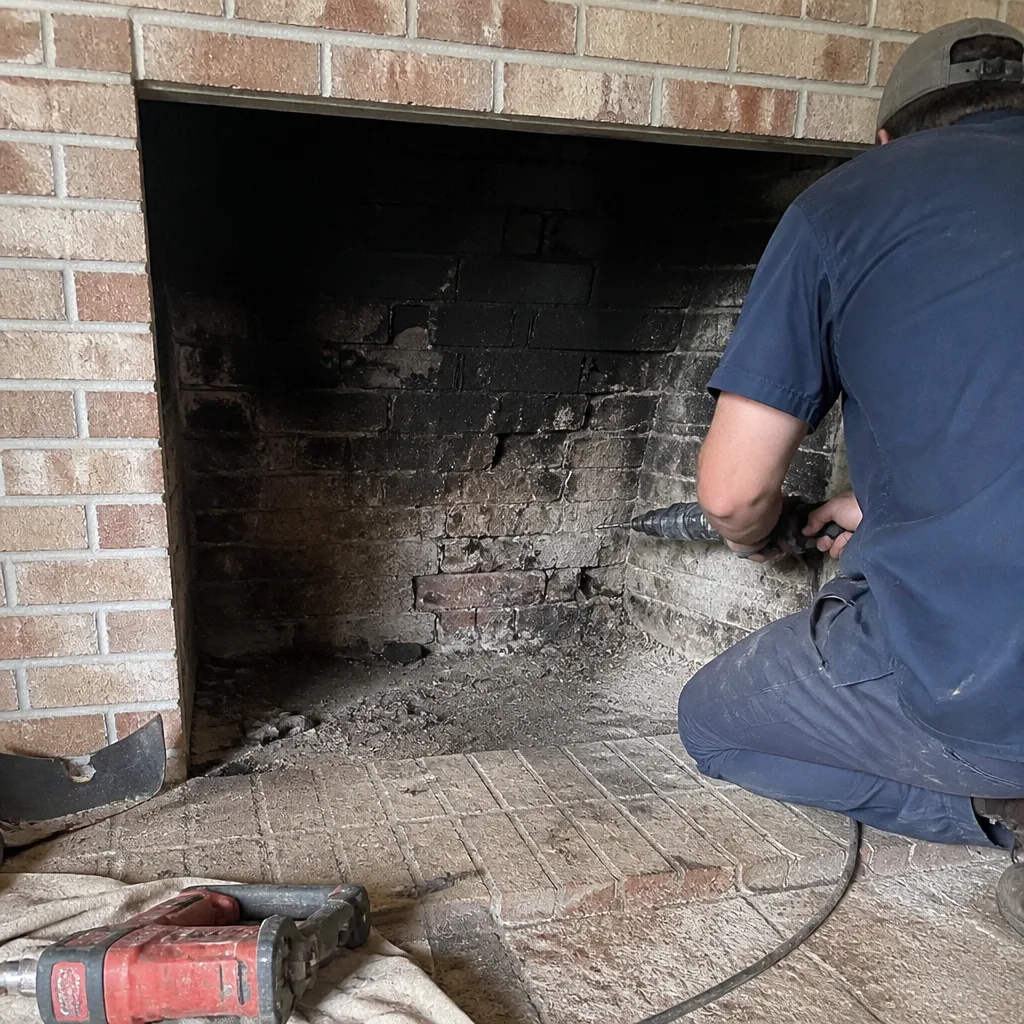 Before
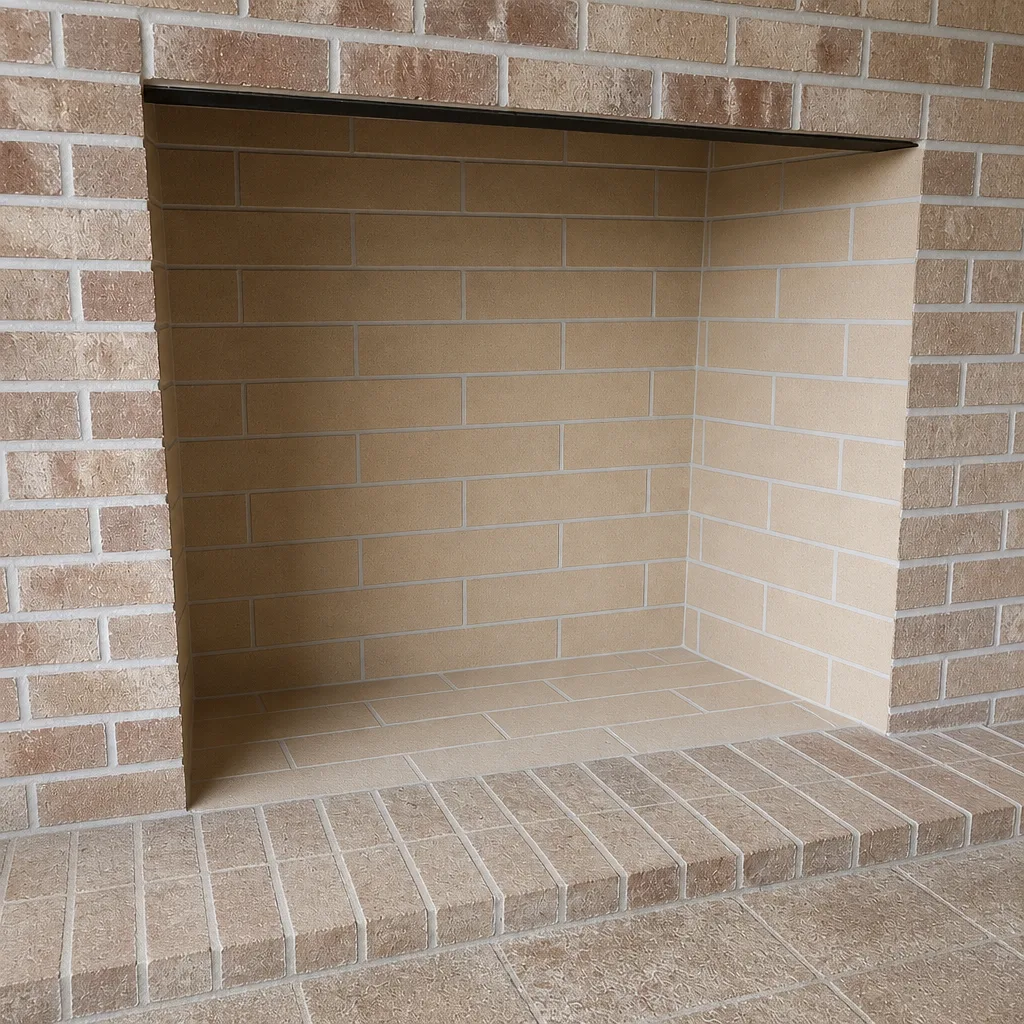 After
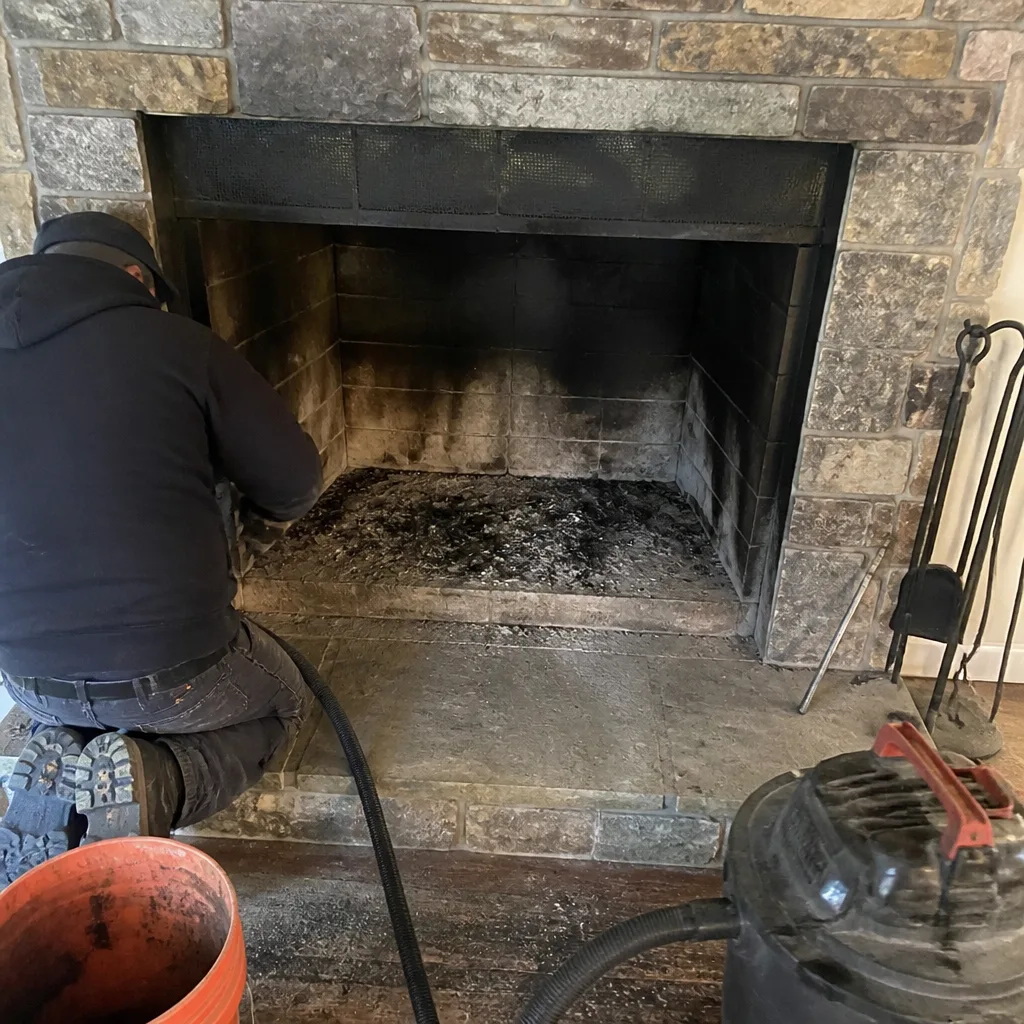 Before
 After
 Before
 After