
Last updated November 25, 2026
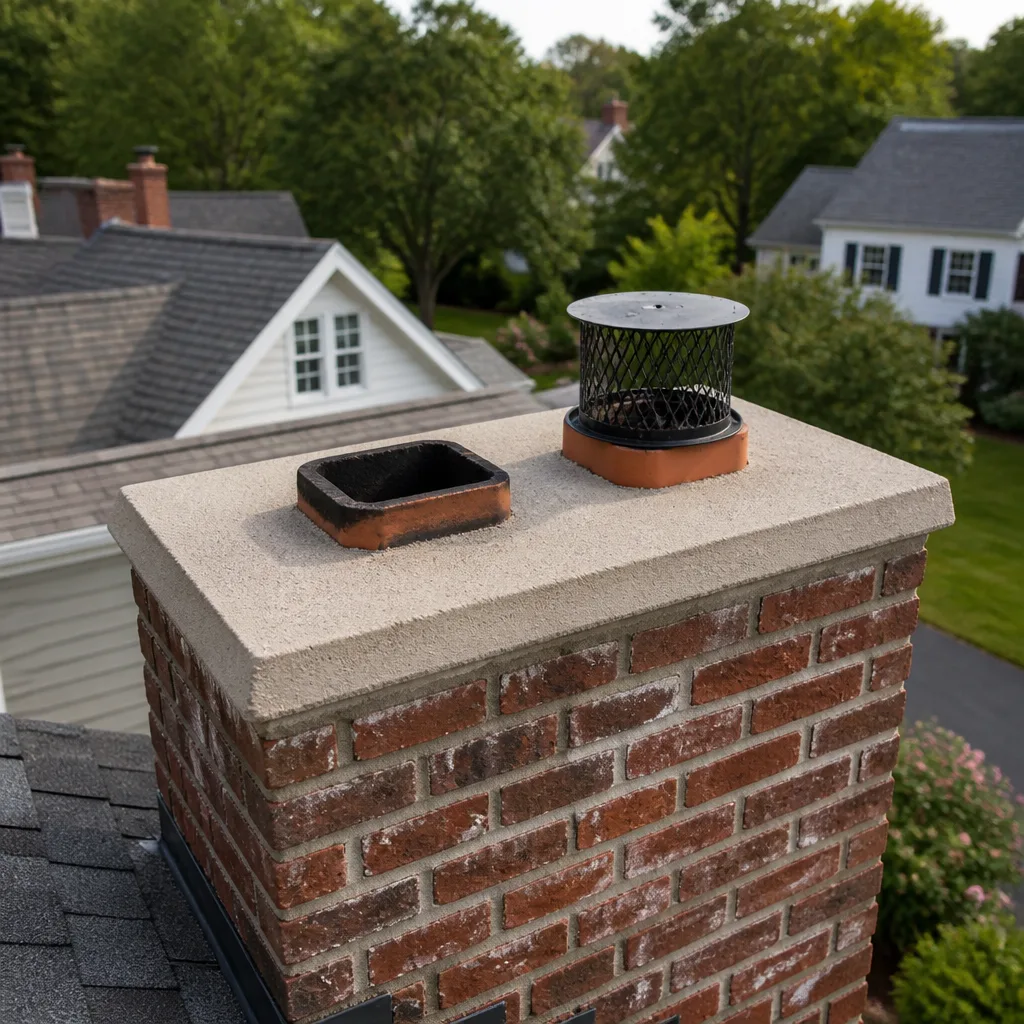 Sweep & inspection
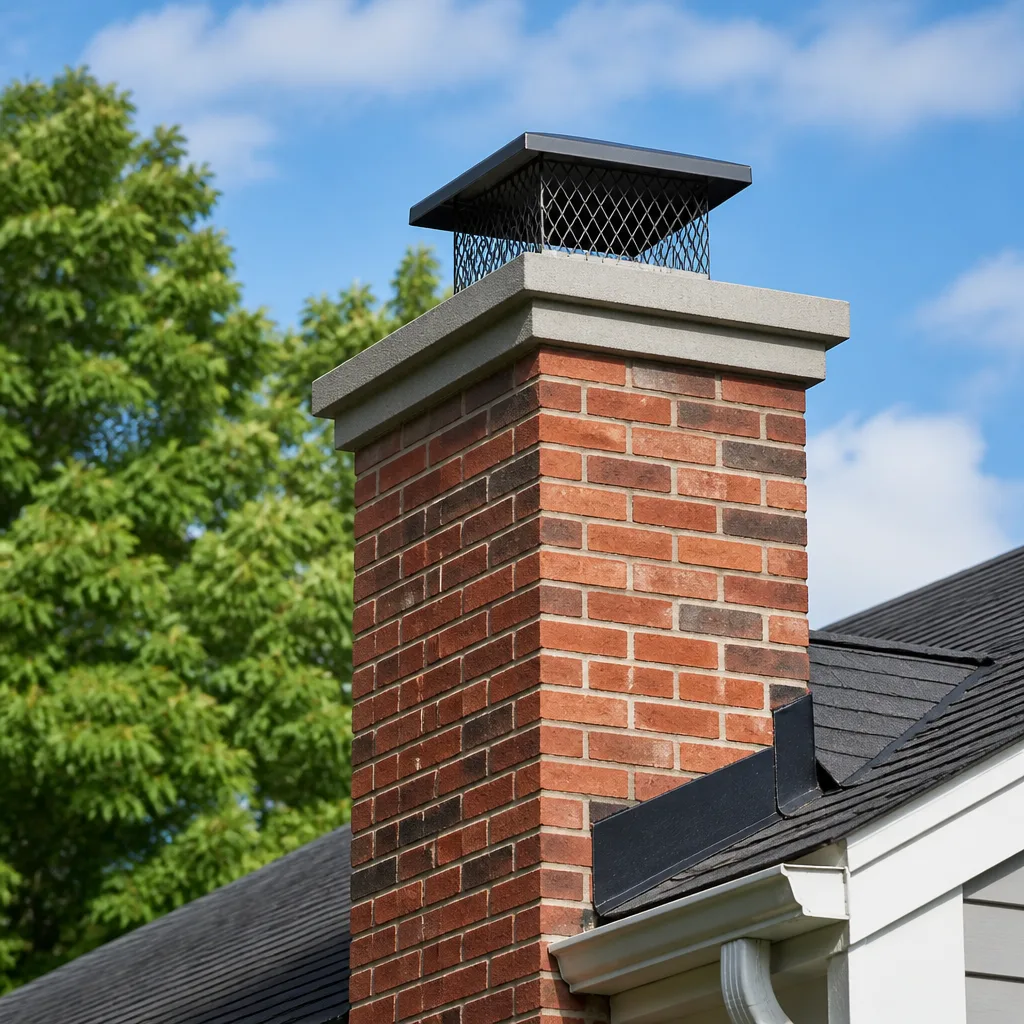 Caps & crowns
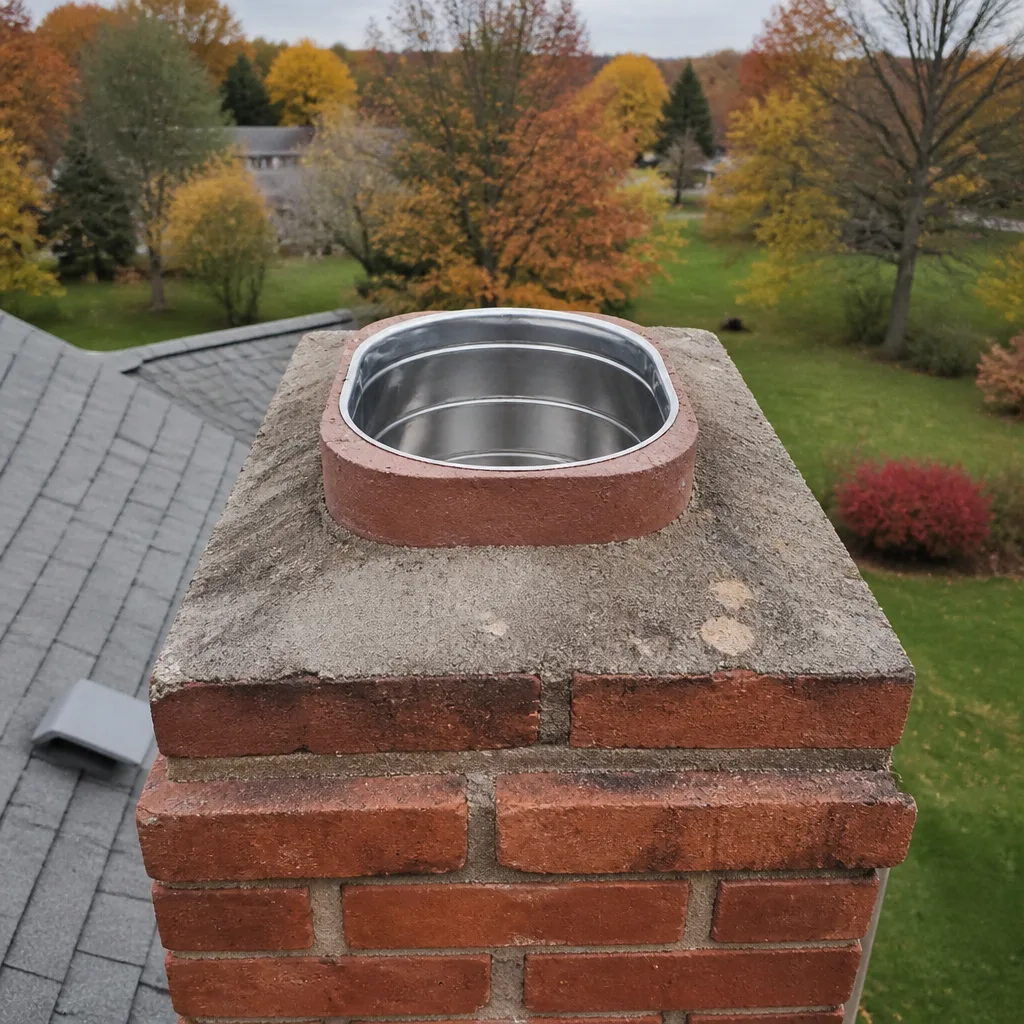 Flue relining
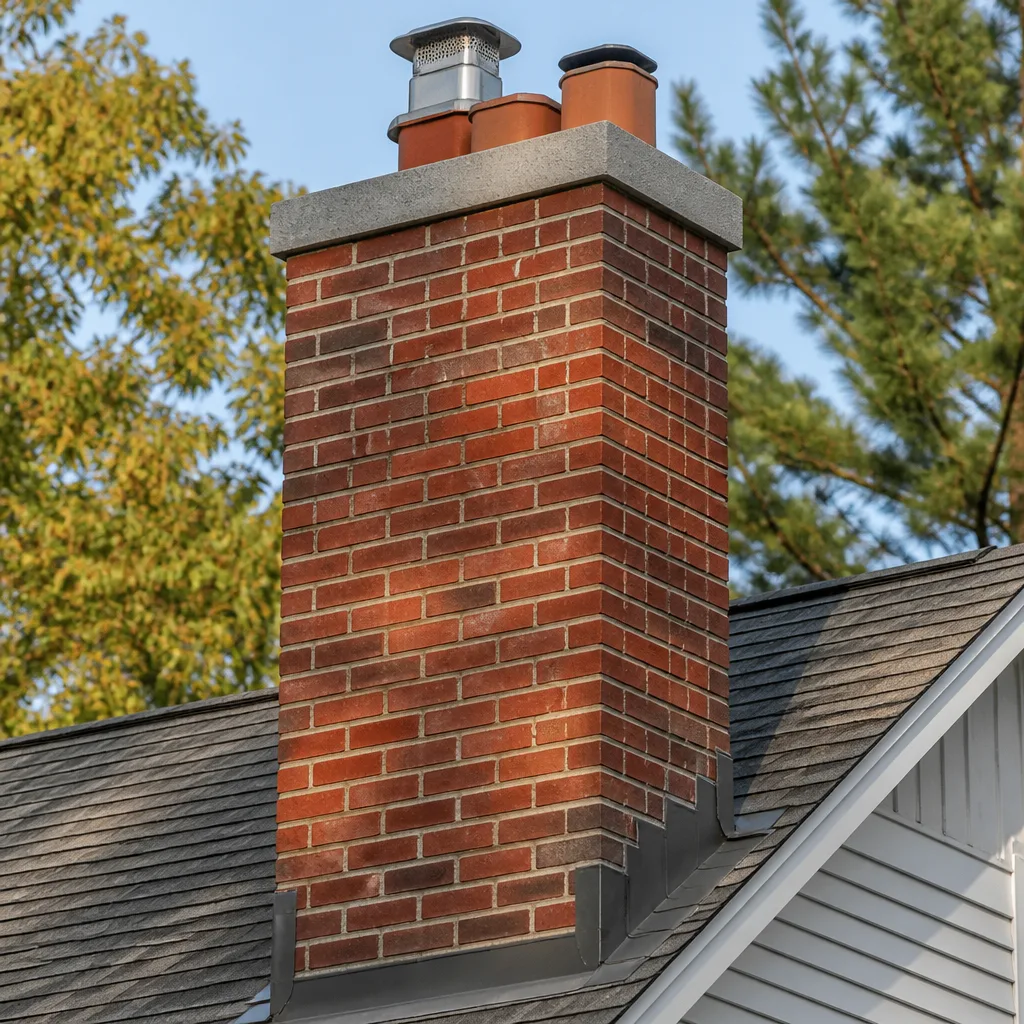 Masonry repair
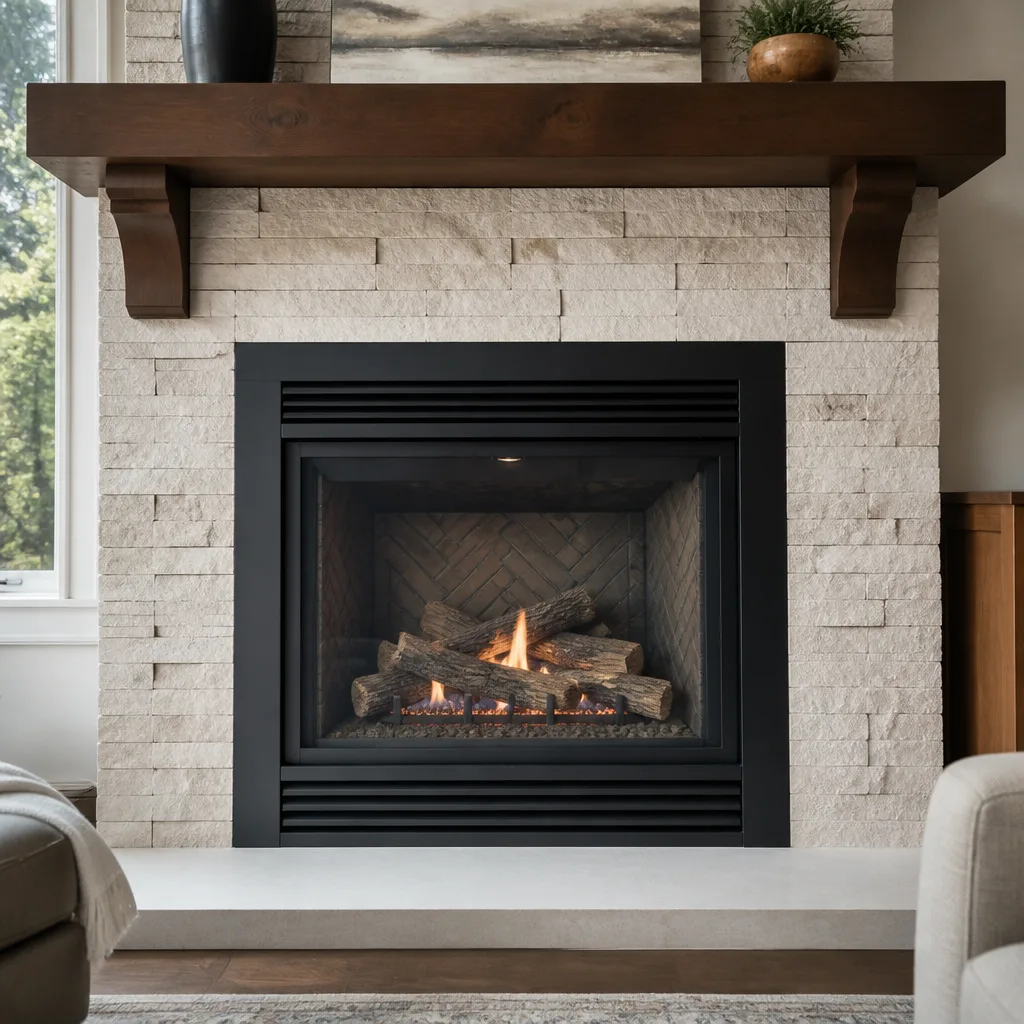 Gas fireplace service
Level 1 sweep and inspection to the NFPA 211 annual standard - flue, crown, cap, and flashing checked and photographed
Chimney sweep logs do not sweep chimneys. They loosen some creosote - which then falls where a brush and vacuum still have to collect it.
Chimney Sweep Maintenance Checklist for Kirkwood Homeowners
The usual advice is to book one sweep a year and forget about your chimney until the next appointment. That leaves eleven months unaccounted for, and those are the months when most chimney problems quietly build toward expensive repairs. Mortar joints soften, flashing lifts, dampers corrode, and by the time a homeowner notices, a small fix has become structural work. This checklist is built for Kirkwood, not for a generic national template. It walks you through what to watch month by month, what you can safely check yourself, and what genuinely needs a professional. Our technicians have up to 11 years of experience, and the patterns below come from years of seeing what actually fails in this climate.
Quick Answer
A proper chimney maintenance checklist for Kirkwood runs year-round, not just before winter. Sweep and inspect in late summer or early fall, watch exterior brick, flashing, and the crown through Kirkwood’s freeze-thaw winters and humid summers, test the damper and draft before the first fire, and address any spalling brick, efflorescence, or rust streaks as soon as you spot them. Schedule one professional sweep and inspection annually, and handle the simple observation tasks yourself between visits.
Styles & brands we work with
- Sweep & inspection
- Caps & crowns
- Flue relining
- Masonry repair
- Gas fireplace service
Table of Contents
- Why Annual Sweep Advice Falls Short in Kirkwood
- The Kirkwood Chimney Maintenance Calendar
- Five Exterior Checkpoints You Can See From the Ground
- Testing Your Damper and Draft Before the First Fire
- Reading Spalling Brick and Efflorescence Like a Sweep Does
- What You Can Do vs. What Needs a Professional
- How Kirkwood Weather Attacks a Chimney
- When to Book Your Sweep and Inspection
Why Annual Sweep Advice Falls Short in Kirkwood
A yearly sweep keeps the flue clear of creosote, and that matters. But creosote buildup is only one failure mode out of several, and it’s the one the trade talks about the most because it’s the easiest to sell. The problems that actually damage a chimney in Kirkwood tend to start outside the flue. They start with water, movement, and heat cycles.
Kirkwood sits in a part of Georgia where winter nights routinely drop below freezing and the days recover above it. That freeze-thaw rhythm is hard on mortar. Water seeps into a hairline crack in the joint, freezes overnight, expands, and widens that crack just a little. Spring thaws it out. Repeat that cycle across a winter and a joint that was sound in October is loose by March. Summer adds humidity that works on dampers and firebox metal. None of that shows up in a flue brush.
This is why we treat the chimney as a system. The flue, crown, cap, flashing, firebox, and damper all fail on their own schedules, and a checklist that watches only one of them misses the rest. The routine below splits your attention between what you can observe safely from the ground and what needs a trained eye on the roof. It’s written for people who want their fireplace to work for a long time, not for people hunting the lowest-cost brush-and-go.
The Kirkwood Chimney Maintenance Calendar
Generic maintenance advice uses HVAC seasons like “spring maintenance” or “fall tune-up.” Chimneys in Kirkwood don’t follow that calendar. They follow the local weather: a humid stretch in late summer, a burning season that starts when the first cool evenings arrive, a winter of freeze-thaw cycling, and a wet early spring. Here’s how we’d map the year if we lived in one of Kirkwood’s older homes.
Late summer (August to September)
- Book your annual chimney sweep and inspection before the fall rush. This is the window when a professional can get eyes on the flue and the exterior while the weather is still stable.
- Clear any bird nests, leaves, or debris from the cap screen. A capped chimney that’s been idle since spring often has a surprise inside.
- Check the firebox for cracked brick or loose mortar. Small firebox cracks are cheap to seal now and expensive to ignore.
Early fall (October)
- Test the damper and draft using the method in the section below before you light anything.
- Look up the flue with a flashlight after a sweep to confirm it’s clear. If you haven’t had a sweep, this is the year to get one.
- Walk the exterior and check the crown, cap, and flashing. Note anything that looks cracked, lifted, or stained.
Winter (November to February)
- After every fire, glance at the firebox and damper for new cracks or sticking.
- Keep an eye on the roofline after heavy rain. Water stains on the chimney breast inside the house are a flashing or crown signal.
- Watch for ice or frost on the chimney stack in the morning. Uneven melt patterns can hint at a moisture problem.
Spring (March to May)
- Do a full ground-level exterior inspection once the last freeze has passed.
- Check for efflorescence (the white powder we describe below) on the brick faces after a wet spring.
- Note any new cracks, then let the season’s first dry spell confirm which ones are active.
Summer (June to July)
- Check the damper for rust and stiffness. This is when humidity does its work.
- Schedule any repairs now, before burning season crowds the calendar.
- Confirm the cap is still secure and the crown is intact.
Five Exterior Checkpoints You Can See From the Ground
You don’t need a ladder to catch most serious chimney problems early. Stand back in your yard, use binoculars if you have them, and look at these five things. Any one of them warrants a call.
- The crown. The crown is the concrete or masonry cap that slopes on top of the chimney stack. It should be intact and sloped so water runs off. A cracked or crumbling crown lets water into the top of the chase, where it damages the flue lining. If you see a visible crack, a chunk missing, or a low spot where water would pool, that’s a professional visit.
- The cap. The cap is the metal or masonry cover with mesh that keeps rain, birds, and debris out. If it’s bent, loose, or the mesh is torn, it isn’t doing its job. This is one of the most common repairs we handle, and it’s a core part of our chimney cap & crown work.
- Flashing. The flashing is the metal where the chimney meets the roof. It should sit tight and lie flat. Lifted, rusted, or missing flashing means water is getting under the roof, not just into the chimney. In Kirkwood’s summer heat, flashing that was sealed last year can lift, so check it every spring and fall.
- Brick faces and mortar joints. Look for cracks in the joints, loose mortar, or brick faces that look flaky or hollowed out. This is the beginning of spalling, which we cover in detail below.
- Staining. Dark streaks, white powdery deposits, or rust-colored runs on the outside of the chimney all point to moisture moving where it shouldn’t. Rust streaks near the top often mean a metal cap or chase top is corroding. White deposits mean something else, described below.
If you see any of these, write down what you saw and where. That note is exactly what a sweep wants when you call, and it tells us whether your issue is urgent or can safely wait for the next scheduled visit.
Testing Your Damper and Draft Before the First Fire
The first fire of the year is when homeowners discover their damper is stuck or their draft is weak, usually with smoke rolling into the room. You can find out before you light anything. Here’s the routine we recommend walking through in October.
- Open the damper fully. Reach up into the firebox and find the damper handle. It should move smoothly through its full range. A damper that’s stiff, stuck, or grinding is usually corroded from summer humidity, and it needs attention before you burn.
- Look up the flue with a flashlight. With the damper open, shine a light up the flue. You should see straight, uniform chimney walls. If you see heavy soot, a dark glossy crust, or anything blocking the passage, that’s a sweep call, not something to test around.
- Test the draft with a cold smoke source. Hold a lit smoke source (a punk, or a small piece of paper held safely at the open damper) near the firebox opening with the damper open. The smoke should be drawn up into the flue. If it hangs in the room or blows back toward you, the draft is weak, which often means a blockage or a problem with the flue’s height or cap.
- Check the firebox for cracks. Hairline cracks in the firebox bricks are common, but larger cracks, gaps at the seams, or crumbling mortar need a professional look before you burn again.
- Note any smell. A musty or smoky smell in the room when the fireplace is cold can mean a draft issue or a nest or debris in the flue.
You can also test the damper from the roof if you’re already up there for another reason, but don’t go onto a roof to inspect a chimney yourself. Roof work is where we see the most avoidable injuries, and a trained sweep does this from a stable position with the right gear. Safety is not a shortcut you should take.
Reading Spalling Brick and Efflorescence Like a Sweep Does
Two of the most common chimney problems in Kirkwood look very different but come from the same root cause: water. Learning to identify them by description will help you decide whether to call now or keep an eye on it.
Spalling brick
Spalling is when a brick face flakes, peels, or pops off. It doesn’t look like a crack; it looks like the front layer of the brick is shedding. You’ll often see it on the chimney face that gets the most sun and rain. Underneath, the brick can look hollow or crumbly. Spalling means moisture has been getting into the brick and freezing, or that the brick was made with materials that don’t tolerate our freeze-thaw cycles well. Either way, spalling brick is structurally weakening. It’s not something we’d leave alone for multiple seasons, because each winter cycle takes a little more off. This is the kind of damage we repair as part of our chimney repair work.
Efflorescence
Efflorescence is the white, powdery staining that appears on masonry. It forms when water moves through the brick or mortar and carries salts to the surface, where they dry and leave a crust. Efflorescence itself isn’t damage; it’s a symptom. It tells you water is moving through the masonry. A small patch that appears after a wet spring and dries out is usually benign. Efflorescence that reappears year after year, or that’s paired with spalling or a constantly damp chimney, points to a moisture problem worth investigating before it becomes structural.
When you call, describe what you see: white powder, flaking brick faces, or both. If you can snap a photo from the ground, even better. A sweep can tell from a photo whether you have a surface issue or something deeper, and whether it’s safe to wait for the next scheduled visit.
What You Can Do vs. What Needs a Professional
We’re not going to tell you everything on your chimney requires a paid visit. Some tasks are squarely yours, and doing them keeps small problems small. Others genuinely need a trained professional, and attempting them yourself can hurt you or void your system’s integrity. Here’s the honest split.
Owner tasks you can do safely between professional visits
- Visual inspection from the ground using binoculars, covered in the checkpoint section above.
- Clearing debris and bird nests from the cap mesh when it’s safe to reach.
- Testing the damper and draft in the fall.
- Keeping the firebox clear and noting cracks after each fire.
- Scheduling your annual sweep and inspection so it doesn’t lapse.
Tasks that need a professional
- Anything on the roof. Sweeping the flue, inspecting the crown or flashing, and chimney cap work all involve heights and risk. Fall protection and experience matter more than a ladder.
- Flue cleaning. Creosote is corrosive and flammable, and flue brushes have to be sized correctly to be effective. A mis-sized brush does more harm than good.
- Damper repair or replacement. Dampers that are stuck, corroded, or broken need parts and installation experience.
- Crown, flashing, and masonry repair. Repointing mortar, rebuilding a crown, and flashing repair all need proper materials and technique. This is where professional-grade products make the difference between a repair that lasts and one that comes back.
- Liner or flue resurfacing work. If the inspection turns up a deteriorating flue lining, resurfacing with a product like HeatShield or installing a flexible liner like DuraFlex is a job for a specialist, not a general handyman.
One note on materials: many budget sweeps don’t carry recognized liner and resurfacing systems at all. We work with professional-grade materials from brands like DuraFlex, HeatShield, Gelco, and Copperfield so the repair holds up. When you hire anyone for chimney repair, ask what brand of materials they’ll use. If the answer is vague, that tells you something.
How Kirkwood Weather Attacks a Chimney
Most of the expensive chimney repairs we handle trace back to water. Not creosote, not fire. Water. And Kirkwood’s weather gives it plenty of opportunities through the year.
Winter freeze-thaw is the biggest factor. Water gets into a mortar joint, a hairline crack in the crown, or a tiny gap in the flashing during a rainy stretch and freezes overnight. One cycle widens a crack a little. A season of cycles can turn a hairline into a real opening. Summer humidity is the second factor; it corrodes metal parts like dampers, chase covers, and flue caps, and it keeps masonry damp enough that efflorescence lingers. The wet springs we get here push water into every gap the winter opened.
That’s why our checklist leans so hard on the crown, the cap, and the flashing. Those three elements are your chimney’s raincoat. When they’re sound, water stays out and the masonry inside has a chance to dry. When they’re compromised, everything behind them gets wet. Proper flashing, a well-built crown, and a secure cap with intact mesh are the quiet workhorses of chimney maintenance, and they’re why we treat chimney cap & crown work as a dedicated service rather than an afterthought. A chimney sweep who only brushes the flue and doesn’t look at the cap and crown is missing half your system.
Catching water damage early is where the year-round checklist earns its keep. A crown crack caught in year one is a straightforward repair. A crown crack left through two freeze-thaw winters can let enough water in to damage the flue lining, which is a much larger job. We inspect before we recommend for exactly this reason: seeing the actual condition of your chimney tells us what’s urgent and what can safely wait.
When to Book Your Sweep and Inspection
We recommend one professional chimney sweep and inspection per year for any chimney that sees regular use. The best time to book in Kirkwood is late summer or early fall, before the burning season starts. That gives you a clean, inspected flue before the first fire and any repairs you need time to get done.
Beyond the annual visit, book sooner if any of the following is true:
- You’ve never had your chimney inspected since moving in.
- You had a chimney fire, even a small one you think you caught early.
- You’ve noticed spalling brick, efflorescence, or staining on the exterior.
- Your damper is stuck, or your draft feels weak when you test it.
- You’ve switched from wood to gas, or the other way around.
- You’ve just finished major roof work, and flashing may have been disturbed.
A routine inspection includes a visual check of the flue, the firebox, the damper, the crown, the cap, and the flashing. What it turns up determines what we recommend, and we don’t recommend anything we can’t show you a clear reason for. If your chimney is in good shape, the honest answer is that it’s in good shape.
Common Mistakes to Avoid
- Skipping the exterior entirely. Most homeowners think chimney maintenance is a flue-only job. In Kirkwood, the exterior water-management elements are where the real damage starts, and they’re invisible from inside the house.
- Burning unseasoned wood. Green or wet wood produces more creosote, and creosote is what fuels chimney fires. If you’re going to burn, burn dry, seasoned hardwood and don’t overload the firebox.
- Ignoring a small crack in the crown. A hairline crown crack seems minor. Two freeze-thaw winters later, it’s often water in your flue lining. Small repairs now are far less costly than the liner work they can prevent.
- Hiring the cheapest sweep without asking about materials. If a sweep can’t tell you what brands of liner or resurfacing materials they’ll use for a repair, they may not carry recognized ones at all. Professional-grade materials fail less often, and that’s worth knowing before you hire.
- Assuming a general handyman covers chimney repair. A handyman may patch a crack, but repointing mortar, rebuilding a crown, or resurfacing a flue lining needs a chimney specialist. A patch job on a masonry chimney in this climate often doesn’t hold, and a call-back in the same year is the usual result.
- Waiting until the first cold snap to book. Everyone calls during the first cold week, and the calendar fills. Booking your sweep in late summer means your chimney is ready when the season starts, not weeks after.
- Not testing the damper before the season. A stuck damper discovered on the first fire of the year means smoke in the room and a scramble for a repair. A ten-minute test in October prevents that.
See the difference
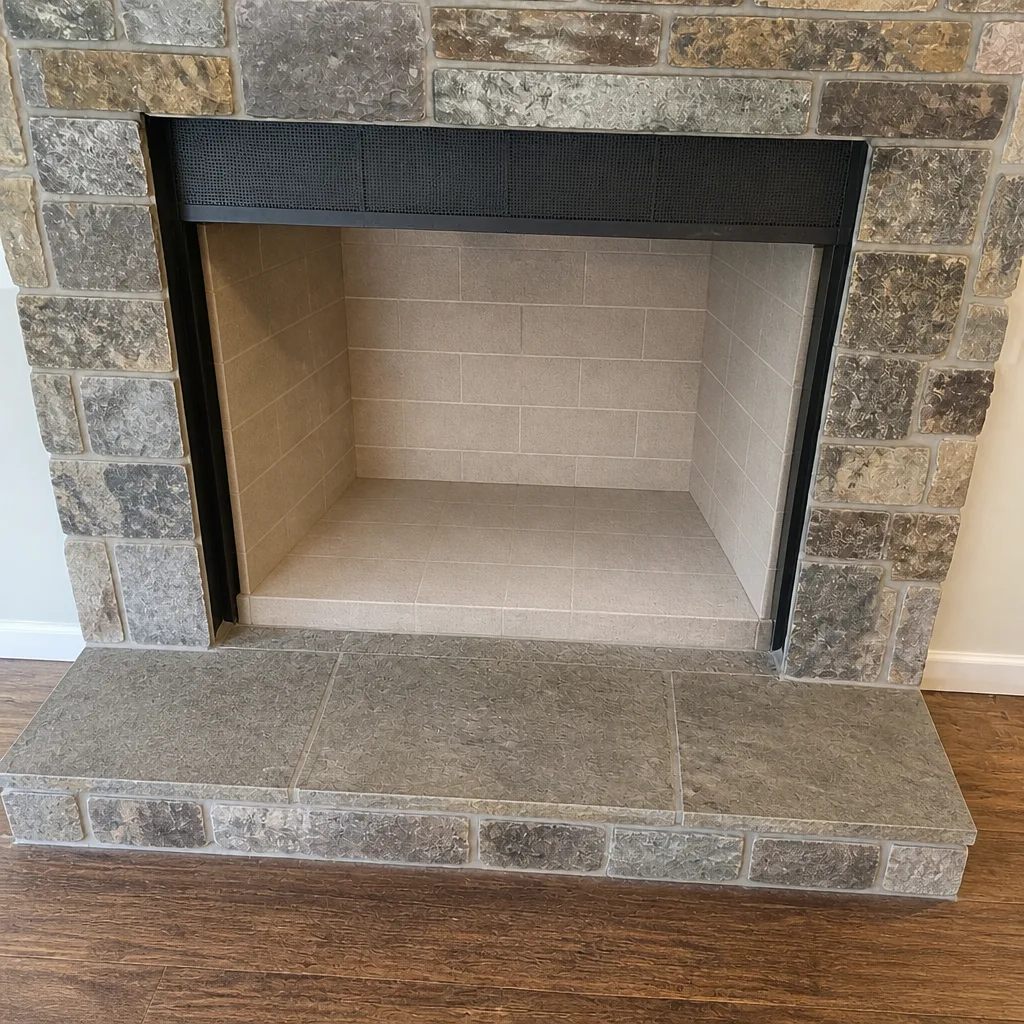
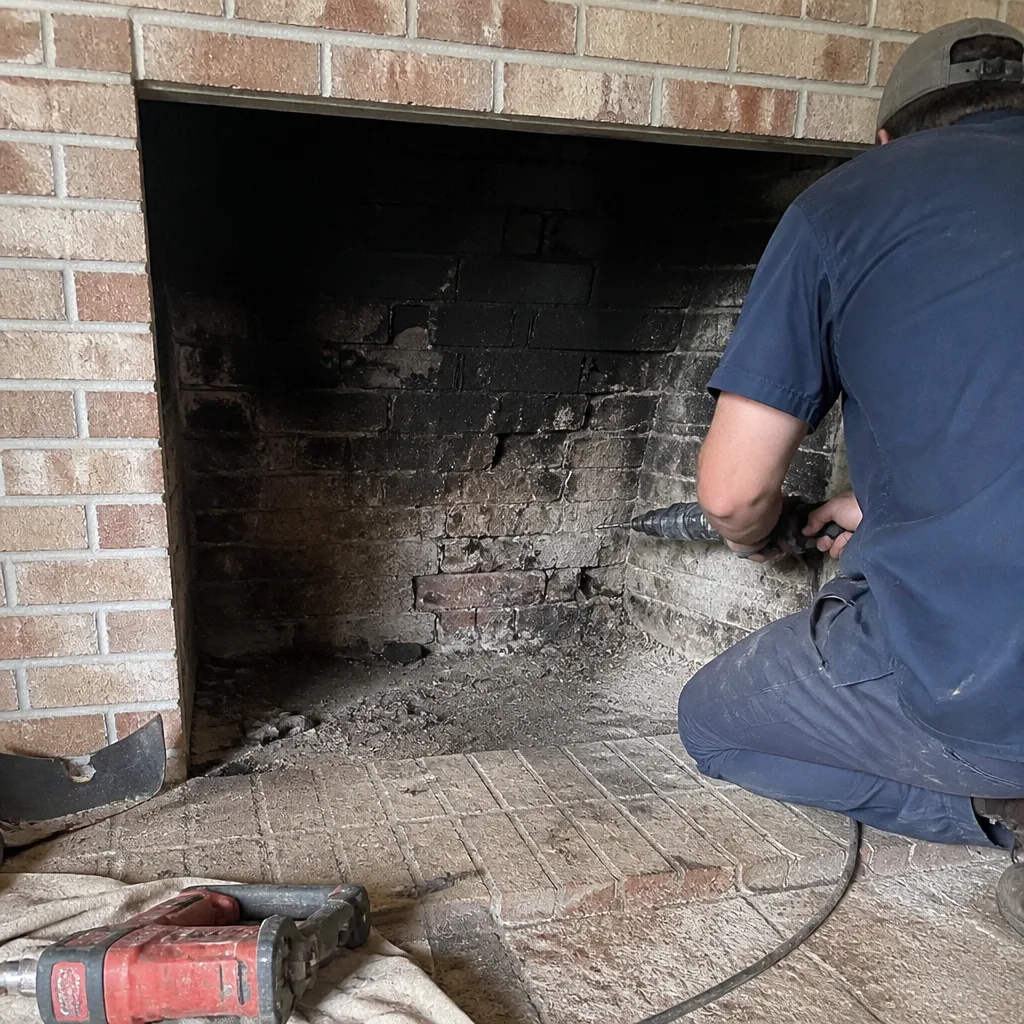 Before
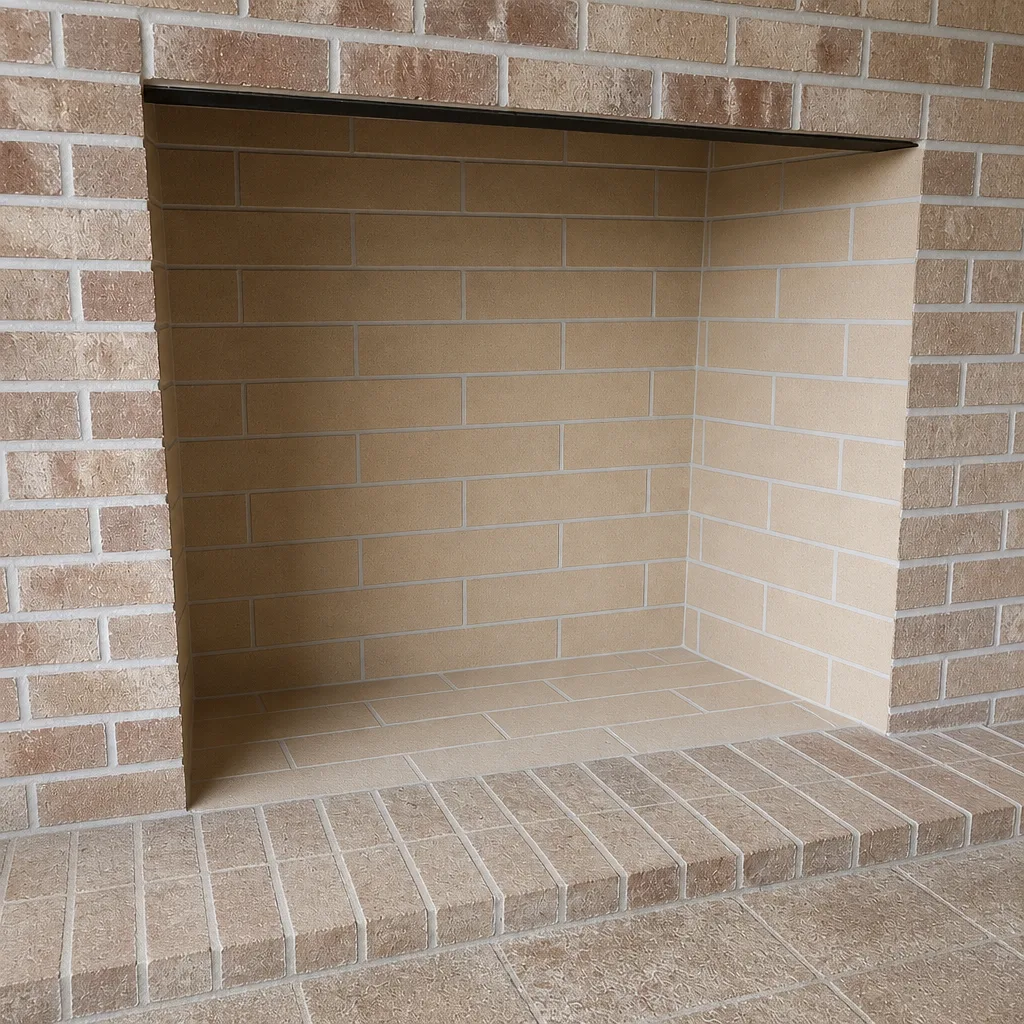 After
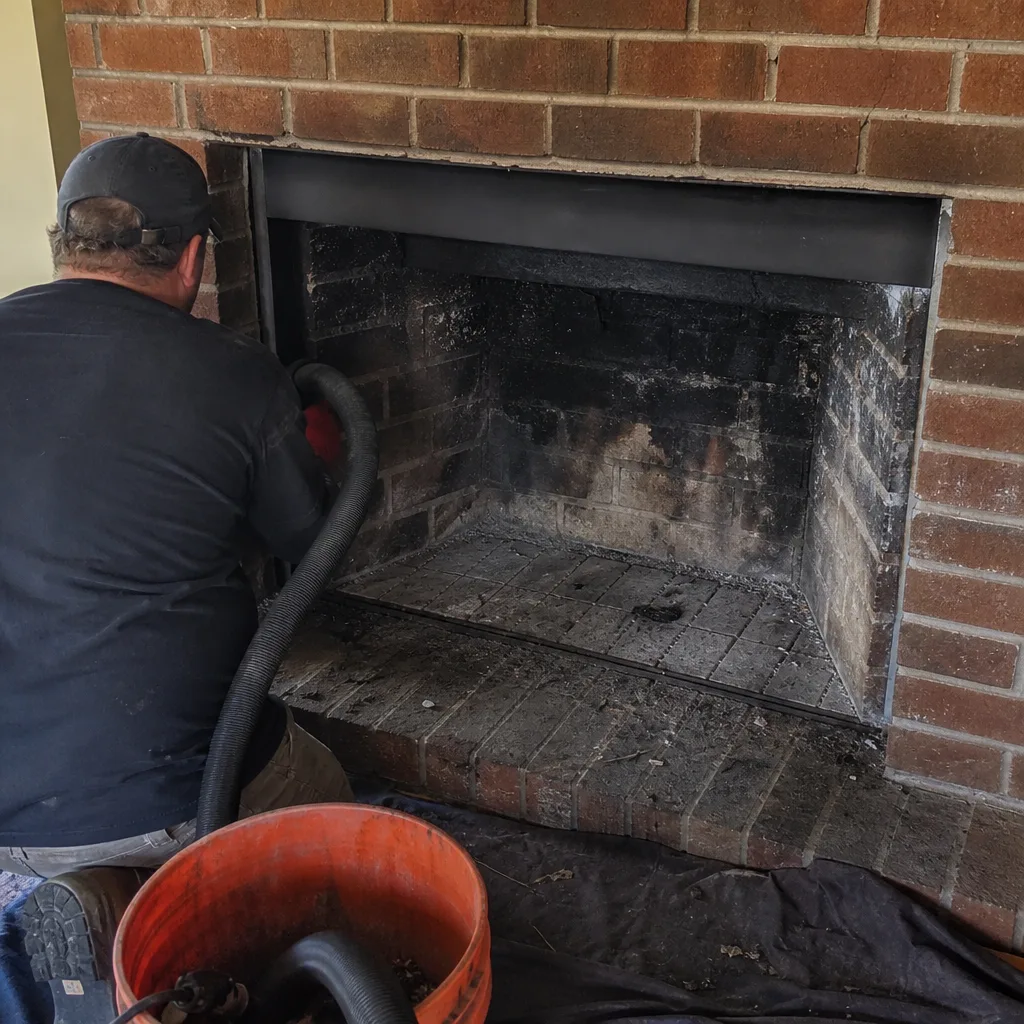
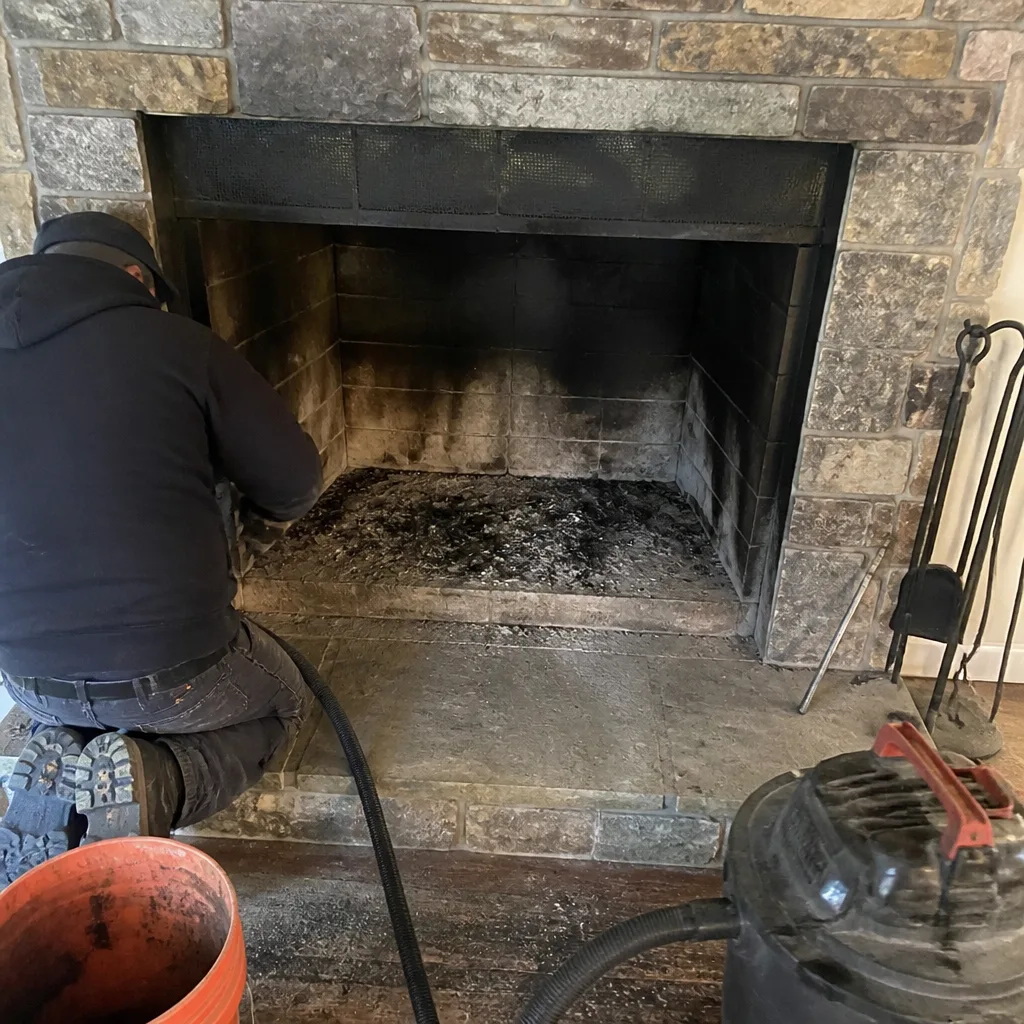 Before
 After
 Before
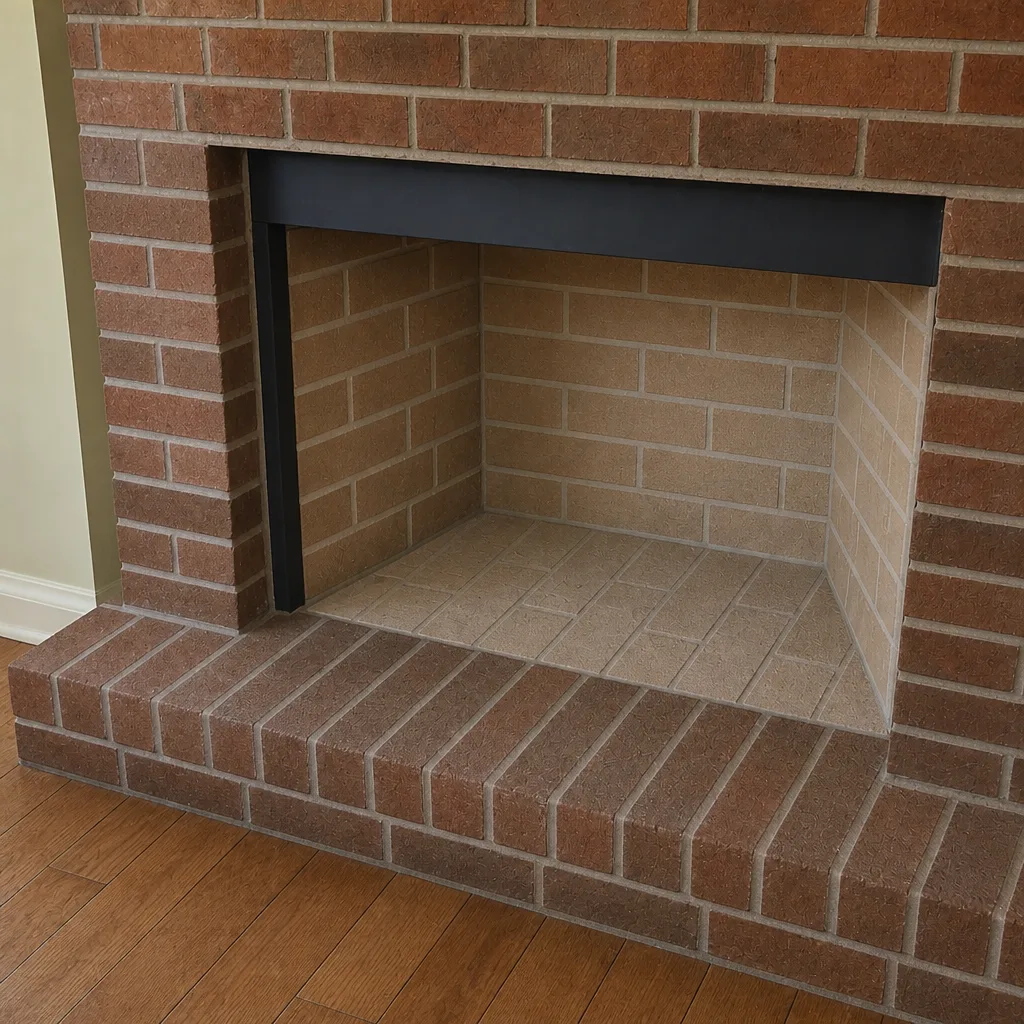 After
When to Call a Professional
Call a professional chimney sweep in Kirkwood if you spot any of the exterior warning signs above from the ground, if your damper is stuck or your draft is weak, or if it has been more than a year since your last sweep. If you’ve had a chimney fire, even a small one, call before you burn again. If you’re seeing spalling brick, efflorescence that keeps returning, or water staining on the chimney breast inside the house, that needs an inspection now rather than at the next scheduled visit. And if you’re ever unsure whether something is safe, the answer is to have it looked at. Our technicians have up to 11 years of experience, and we’d rather tell you your chimney is fine than leave a real problem unaddressed.
Chimney Sweep Kirkwood offers free estimates in Kirkwood. Call (844) 443-4847. We answer 24/7. Fast dispatch from 7am to 7pm, Sunday through Friday.
Frequently Asked Questions
Once a year for any chimney that’s used regularly, plus a visual inspection of the exterior and damper at least twice a year. Wood-burning chimneys that see heavy use may need more frequent sweeps, and gas fireplaces still need an annual inspection even though they produce less soot. Call (844) 443-4847 for an exact quote. Estimates are free.
It needs to cover the freeze-thaw damage that shows up on Kirkwood’s masonry between December and March, the humidity that corrodes dampers in summer, and the water-management elements (crown, cap, flashing) that most checklists skip entirely. A generic flue-only checklist misses the exterior, and the exterior is where most Kirkwood chimney repairs start.
Look at the top of the chimney stack from the ground with binoculars. The crown should slope downward and look intact. If you see a visible crack, a chunk missing, or a flat or low spot where water would pool, you have a crown problem. A cracked crown is one of the most common causes of water damage to a flue lining, so it’s worth a professional look.
Efflorescence is the white, powdery staining left when water moves through masonry and carries salts to the surface. On its own, it’s a symptom, not damage. It tells you water is getting into the brick or mortar. A small patch after a wet spring is usually benign, but efflorescence that keeps coming back or comes with spalling brick points to a moisture problem worth inspecting.
You can do the ground-level visual checks, test the damper, and clear debris from the cap safely. Flue cleaning itself should be done by a professional. It requires going onto the roof, correctly sizing brushes, and handling corrosive creosote safely. Roof work is the most common source of avoidable chimney-related injuries, and a trained sweep does it correctly and safely.
Most years, skipping an inspection just means a flue stays dirtier than it should. But the year it matters, it’s the year a crown crack, a lifted flashing, or a cracked firebox goes unnoticed through a whole freeze-thaw winter. Those problems grow quietly and cost more to fix later. If you’ve skipped a year or two, book an inspection and let us look before you assume it’s fine. For a free estimate, call (844) 443-4847.
The Bottom Line
Chimney maintenance in Kirkwood isn’t a once-a-year event; it’s a year-round habit built around what actually fails here. Late-summer sweeps and inspections catch flue problems before the season. Fall damper and draft checks prevent a smoky first fire. Winter freeze-thaw is when masonry damage starts, and spring is when you catch it before the next winter makes it worse. The five ground-level checkpoints (crown, cap, flashing, brick, staining), plus a basic understanding of spalling and efflorescence, give you enough to catch most problems while they’re still small. The rest, especially anything involving the roof, is a job for a professional with the right gear and the right materials.
Chimney Sweep Kirkwood handles the full scope, from the first sweep to the final repair: chimney sweep, inspection, chimney cap & crown work, fireplace repair, and chimney repair, all from one team. We inspect before we recommend, and we’ll tell you plainly when work can safely wait. Call (844) 443-4847 for a free estimate. We answer 24/7. Fast dispatch from 7am to 7pm, Sunday through Friday.
Written by the team at Chimney Sweep Kirkwood.