
Last updated November 25, 2026
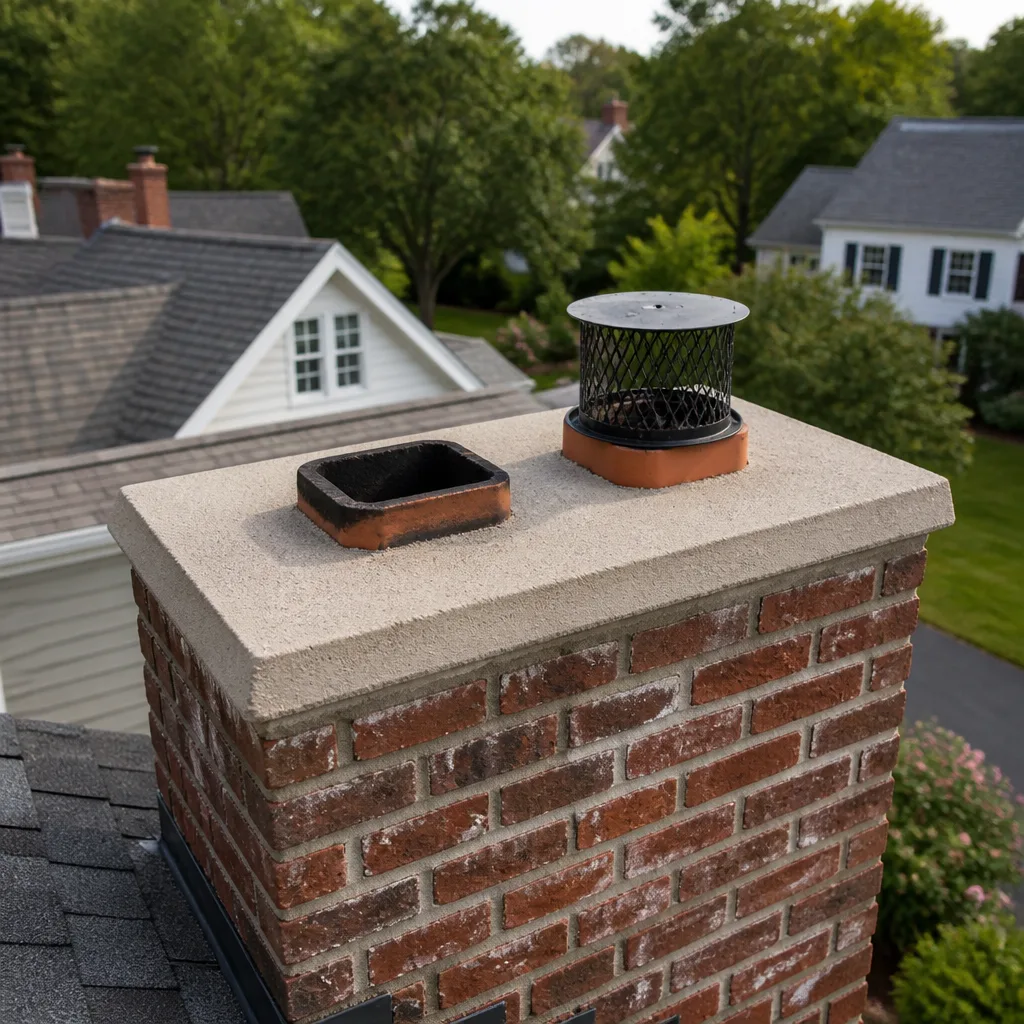 Sweep & inspection
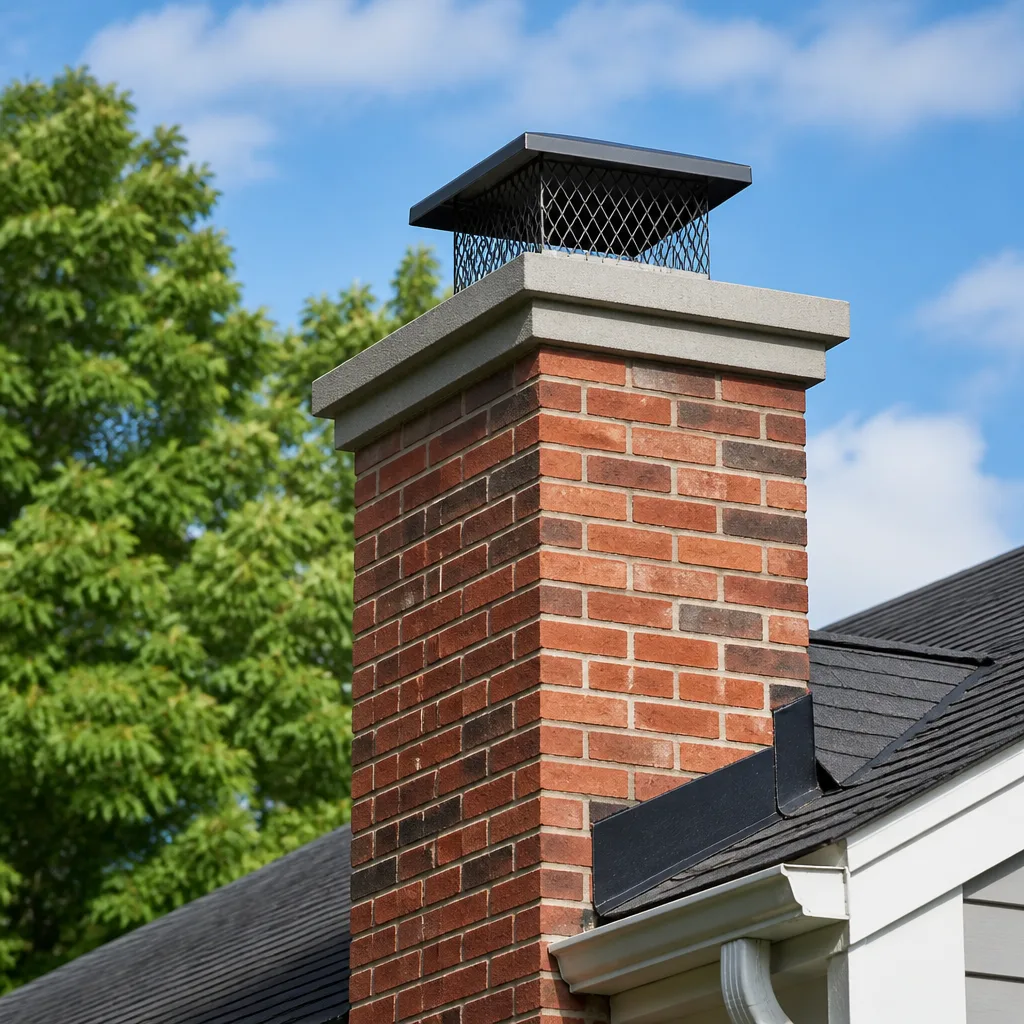 Caps & crowns
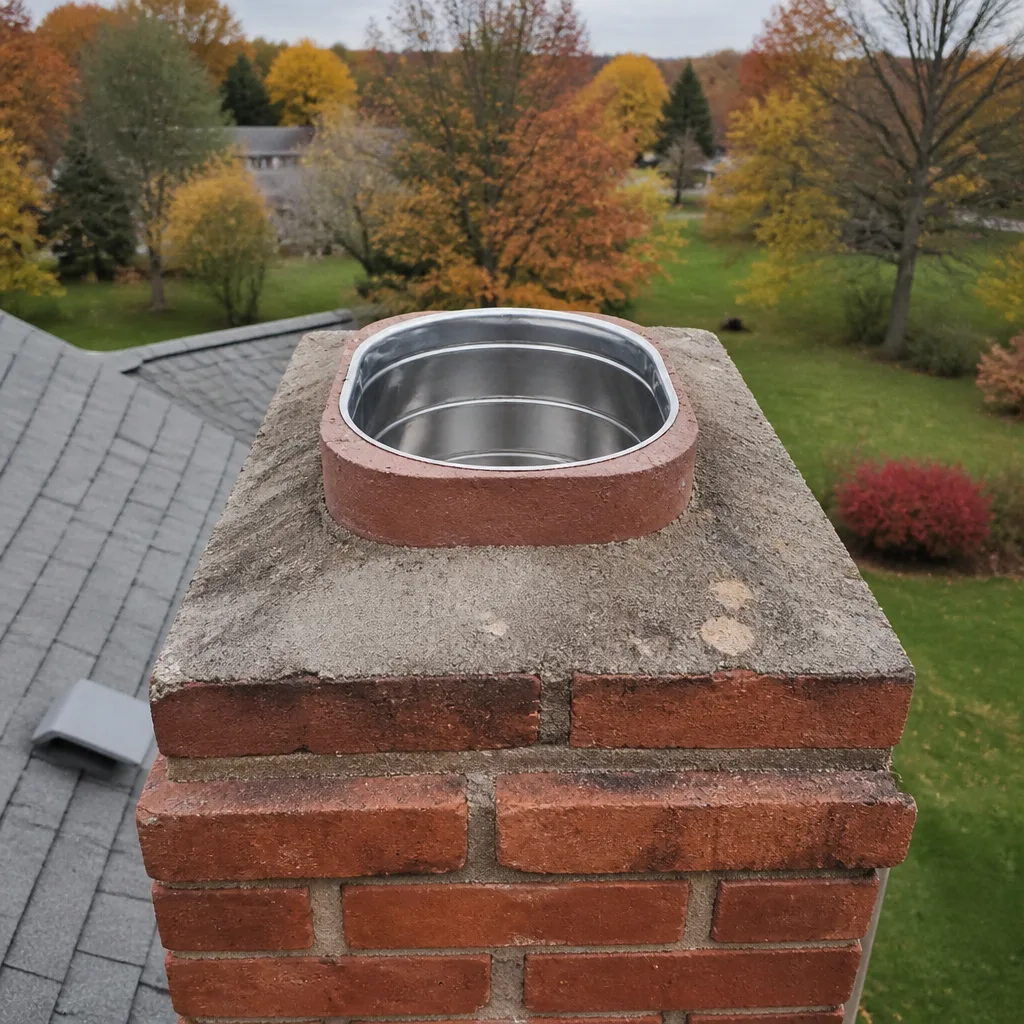 Flue relining
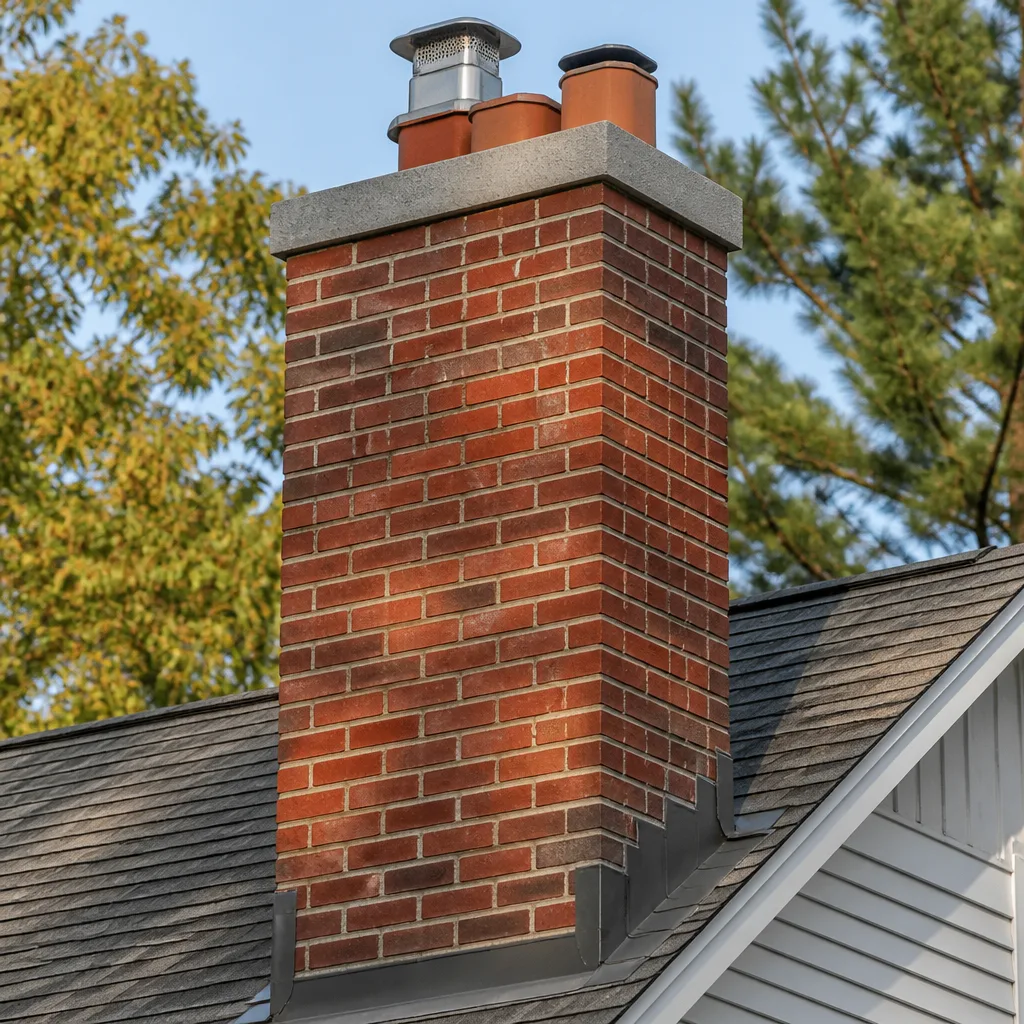 Masonry repair
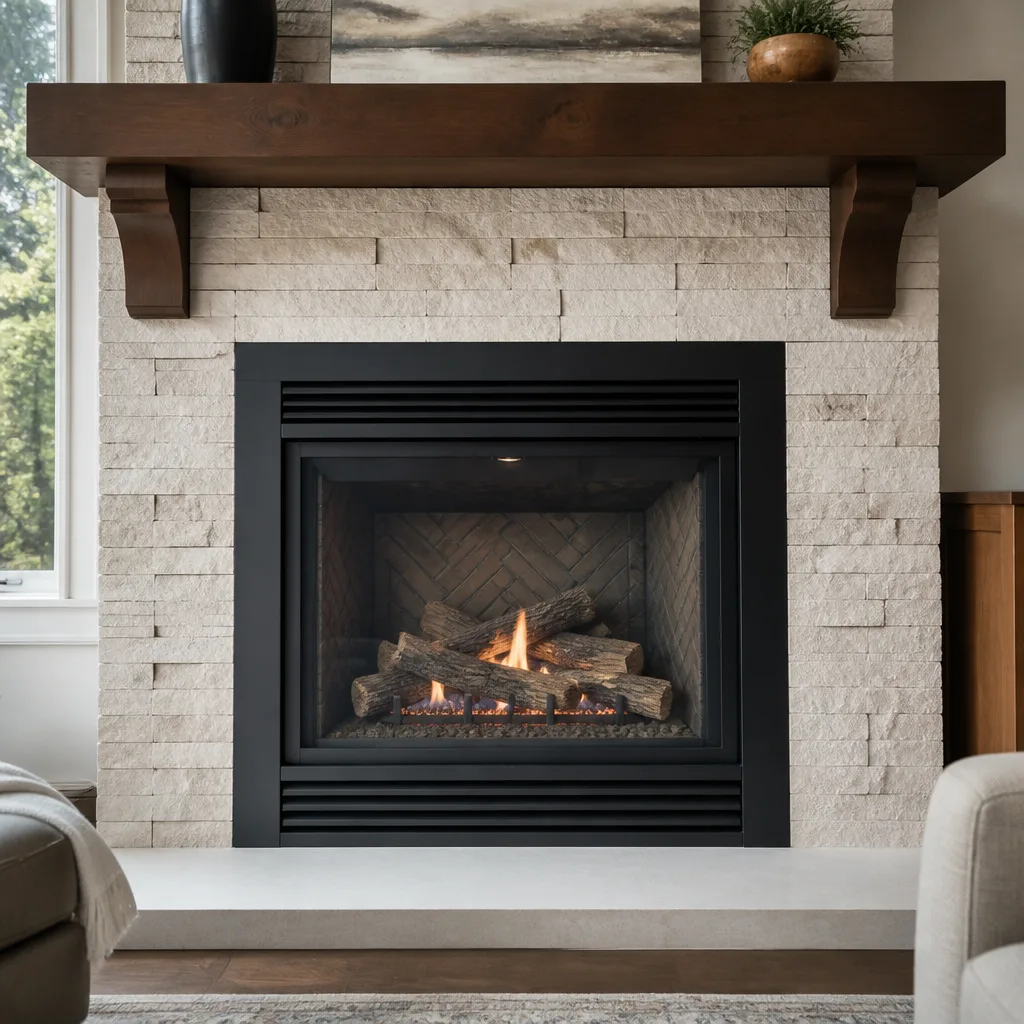 Gas fireplace service
Level 1 sweep and inspection to the NFPA 211 annual standard - flue, crown, cap, and flashing checked and photographed
Chimney sweep logs do not sweep chimneys. They loosen some creosote - which then falls where a brush and vacuum still have to collect it.
How to Hire a Chimney Cleaning Contractor in Kirkwood: A Step-by-Step Guide
Most homeowners assume a dirty chimney causes chimney fires. The truth is closer to the opposite. The CSIA certification exists in part because a 2007 industry study found that over 40% of chimney-related home fires followed a “recent cleaning,” which tells you the cleaning itself was inadequate, not that the homeowner skipped maintenance. Anyone with a brush and a van can print “chimney sweep” on the side and knock on your door in Kirkwood. This guide shows you how to vet credentials, read a quote line by line, spot low-bid work, and hire a contractor whose name stays on the job after the brush goes back in the truck.
Quick Answer
Hiring a chimney cleaning contractor in Kirkwood means checking three things before you book: verifiable third-party credentials (CSIA certification, NFI for gas work), liability insurance you can confirm in writing, and a written quote that itemizes camera inspection, debris disposal, and any recommended repairs by brand and scope. Ask what materials will be used, insist on photo documentation of the flue, and walk away from anyone who quotes a price over the phone without seeing the chimney, then finds expensive problems once they’re on the roof. A real specialist inspects before recommending anything, and nothing gets approved without camera evidence you can see yourself.
Styles & brands we work with
- Sweep & inspection
- Caps & crowns
- Flue relining
- Masonry repair
- Gas fireplace service
Table of Contents
- Why chimney contractor vetting matters in Kirkwood
- The credentials to require and how to verify them
- How to read a chimney cleaning quote line by line
- Red flags specific to Kirkwood-area sweeps
- The materials questions most homeowners never ask
- Insurance, warranties, and post-job documentation
- The questions to ask before you book
- Price versus cost: why the low bid often loses
Why Chimney Contractor Vetting Matters in Kirkwood
Kirkwood is a historic neighborhood in DeKalb County, and a lot of its housing stock was built long before modern flue liners were standard. Brick chimneys from the early and mid-20th century were often lined with clay tiles that have since cracked, spalled, or shifted. That’s not a reason to panic. It’s a reason to hire someone who’ll actually look at the liner with a camera instead of assuming the flue is fine because the smoke goes up.
The local climate plays a role too. Atlanta-area summers are humid, and the shoulder seasons swing hard between warm days and cool nights. That temperature cycling works on masonry, causing it to expand and contract, which widens small cracks over time and lets moisture in. Winter brings enough freezing nights to make trapped water a problem. A crown that’s cracked lets water seep into the chimney structure, and a missing or damaged cap lets rain and animals in directly. Moisture damage is slow and quiet, and by the time you notice staining on the ceiling or a musty smell in the fireplace, the repair has usually moved beyond a simple sweep.
None of this is unique to Kirkwood, but the specific combination (older masonry, humid climate, freeze-thaw cycles) means a sweep who only cleans and leaves is leaving you without information you need. The right contractor treats your flue, crown, cap, liner, and firebox as one interconnected system, not isolated parts to be serviced separately. When you hire for a chimney sweep in Kirkwood, you’re really hiring for an inspection that happens to include a cleaning.
That’s the frame to hold onto throughout this guide. A sweep is not a standalone service. It’s the entry point to understanding what’s going on with your chimney system, and the contractor’s job is to tell you honestly what they see, what can safely wait, and what needs attention before the next burning season.
The Credentials to Require and How to Verify Them
Chimney work has almost no barrier to entry in Georgia. General contractor licensing doesn’t cover chimney sweeping, liner installation, or flue resurfacing. That means the person on your roof may have no formal training beyond on-the-job experience, or none at all. The credentials below are the ones that actually mean something, and every one of them can be checked online before you book.
- CSIA certification. The Chimney Safety Institute of America certifies sweeps through a proctored exam and requires continuing education. Check the CSIA directory to confirm the name on the quote matches a certified sweep. If they claim certification but aren’t in the directory, that’s a red flag.
- NFI certification for gas work. The National Fireplace Institute certifies technicians for gas and wood appliance installation and service. If you have a gas fireplace or insert, NFI certification is the credential to look for.
- State licensing where applicable. Some repair work (structural masonry, certain gas line work) falls under Georgia licensing rules. Ask which portions of the job require a licensed trade and who on the crew holds that license. The answer should be specific, not vague.
- Liability insurance and workers’ comp. Ask for a certificate of insurance and call the carrier to confirm it’s active. If a worker falls off your roof and the contractor isn’t insured, you could be exposed. This is a legitimate question and a professional won’t be offended by it.
- Manufacturer training. If the quote mentions HeatShield resurfacing, DuraFlex liners, or Olympia Chimney products, ask whether the crew is trained on those specific systems. Name-brand materials installed without the manufacturer’s training are just expensive parts with a thin warranty.
Verification takes about fifteen minutes. The CSIA and NFI directories are free and public. Your insurer can confirm the certificate. Any contractor who hesitates or gets defensive about these checks is telling you something useful. Our technicians have up to 11 years of experience, and we expect every one of them to be able to answer these questions on the spot.
One more point. A sweep who shows up with a business card that lists certification but can’t produce the number or the directory entry isn’t certified, full stop. The directories are the only proof that matters.
How to Read a Chimney Cleaning Quote Line by Line
Most chimney cleaning quotes look identical on the surface. A price, a date, maybe a note about the type of cleaning. The differences are in what’s missing, and the absence of certain line items tells you more about the contractor’s process than anything they say on the phone. Here’s what a professional quote should include and what to make of the gaps.
- Inspection, itemized separately. A proper quote distinguishes between the sweep and the inspection, and specifies whether a camera is used. If “inspection” is bundled into the sweep price with no detail, ask what it includes. A visual-only inspection from the ground is not an inspection.
- Camera inspection with photo or video report. This should be a named line item. You should receive images of the flue interior, the crown, the cap, and the firebox. Without those images, the repair recommendations that follow have no evidence behind them.
- Debris disposal. Creosote and ash have to go somewhere. If the quote doesn’t mention disposal, ask how it’s handled. A sweep who leaves the soot in your yard or in your trash can without bagging it is cutting a corner that matters.
- Protection of the work area. Drop cloths, corner guards, a shop vac with a HEPA filter. These should be standard. Ask if the quote includes them, and if the answer is “we just clean up after,” get specifics.
- Repair recommendations with brand and scope. If the quote suggests relining, crown repair, or resurfacing, it should name the product (HeatShield, DuraFlex, Olympia Chimney) and estimate the scope in linear feet or surface area. A vague “liner replacement” with one number is a placeholder, not a quote.
- Written warranty terms. Labor warranty, material warranty, and who honors each. If any of that is missing, ask for it in writing before you sign.
- Clear exclusions. What the quote does *not* cover matters as much as what it does. A good contractor lists exclusions so there are no surprises mid-job.
Read the quote with a pen in hand. Circle anything vague. If the total is one line with a dollar amount and no detail, you’re being asked to approve work you can’t evaluate. That’s exactly the setup that leads to on-site upsells. For a deeper look at what a sweep should actually involve, see our Chimney Sweep Kirkwood overview.
Red Flags Specific to Kirkwood-Area Sweeps
Door-to-door sweeps and online-ad operators working the Kirkwood area follow a predictable pattern. The pitch starts low and the price climbs once they’re on the roof. Here are the specific red flags to watch for, in the order they usually appear.
- A quote over the phone without seeing the chimney. No honest sweep can price a job without looking at the flue, the crown, and the firebox. A phone quote is a hook, not an estimate.
- Door-to-door solicitation with a “neighborhood special.” Legitimate chimney companies book through their office, not by knocking. A sweep who shows up unannounced and mentions that they “just did your neighbor’s” is running a script.
- Aggressive on-site upsells. The classic version: they sweep, then descend from the roof with a photo of “cracked tiles” and a sudden need for thousands of dollars in liner work. If they can’t show you the camera footage and explain what they’re seeing in plain language, walk away.
- No camera, no photos, no report. A sweep who cleans and leaves without documentation is asking you to take their word for it. You can’t verify what you can’t see.
- Cash-only, no written contract. A handshake isn’t a warranty. Every professional job includes a written agreement that names the scope, the products, the price, and the warranty.
- Unmarked vehicles and no verifiable business address. Ask for the business’s legal name and a phone number you can call and reach someone at. If the only contact is a cell phone, that’s a problem.
- Pressure to decide today. Repairs on a chimney are rarely urgent in the emergency sense. A contractor who says the chimney will burn down tonight unless you sign now is selling fear, not service.
In our experience, the red flags cluster. A sweep who quotes over the phone will also upsell on-site. A contractor with no camera will also have no written warranty. The absence of process shows up everywhere, and Kirkwood homeowners who learn to spot one flag usually spot the rest.
The Materials Questions Most Homeowners Never Ask
The materials question is where professional-grade work separates from a low-bid job. A chimney liner, a crown sealant, and a cap are not commodities. The brand and specification determine how long the repair lasts and whether the warranty will hold up. Ask these questions before approving any repair.
- What brand of liner are you installing? Flexible stainless liners from DuraFlex or rigid liners from Olympia Chimney have published specifications, verifiable warranties, and manufacturer support. A no-name liner sold in bulk has none of that. Ask for the product name, the model, and the warranty document.
- Are you doing HeatShield resurfacing or a full reline? HeatShield is a resurfacing system that restores a damaged clay flue without a full liner. It’s not appropriate for every situation, but a sweep-only operator can’t offer it and will either skip the recommendation or subcontract. Ask directly whether the company applies it in-house.
- What crown and cap products will you use? Gelco and Famco manufacture crowns, caps, and related components with published specifications. A fabricated-on-site crown can work, but the mix design and cure matter. Ask what product or mix goes on your chimney.
- What warranty comes with the material? Reputable manufacturers back their products with written warranties. Ask for the warranty document and read what it excludes.
- Why this material and not another? The right contractor can explain the tradeoff. A liner specified for a wood-burning fireplace is not the same as one for a gas appliance or a wood stove. If the answer is “it’s what we use,” that’s not an answer.
We work with professional-grade materials from HeatShield, Gelco, Olympia Chimney, Famco, DuraFlex, and Copperfield, and we’ll walk you through the tradeoffs on each. That matters because the materials decisions are the ones you live with. A crown applied without the right sealant cracks again in a few seasons. A liner installed without the manufacturer’s specified components voids the warranty the day it’s installed. Built to last, not built to return, is the standard to hold every contractor to.
If the recommended repair involves the chimney cap & crown, ask for those product names specifically. Cap and crown work is where moisture protection either holds up or fails.
Insurance, Warranties, and Post-Job Documentation
Three documents separate a professional chimney contractor from a handyman with a ladder: proof of insurance, a written warranty, and a post-job report. Ask for all three before the work begins, and don’t accept verbal assurances.
The certificate of insurance should name the contractor’s legal entity, show general liability coverage, and list workers’ comp. Call the carrier’s verification line listed on the certificate and confirm it’s active. If a worker is injured on your roof and the contractor has no workers’ comp, your homeowner’s policy may end up involved. That’s the kind of liability you want zero part of.
The written warranty should cover both labor and materials, name the products used, and state the duration and exclusions. Material warranties come from the manufacturer (HeatShield, DuraFlex, Olympia Chimney, Gelco, and Famco all publish theirs). Labor warranties come from the contractor. Ask for both in writing and read the exclusions before you sign. A warranty that excludes the most likely failure mode isn’t a warranty, it’s marketing.
The post-job report should include before-and-after photos of the flue, a written summary of what was cleaned and what was found, the materials used, and any recommendations with a timeline. This document is your record of the chimney’s condition and it’s what the next contractor will want to see. If you sell the house, it’s proof of maintenance. If a repair is recommended, the report is the camera evidence you can review at your own pace instead of on the roof under pressure.
We include a camera inspection and photo report with every job, and the report belongs to you whether or not you approve any follow-on work. That’s the standard to hold every contractor to. For more on how a proper inspection works, see our chimney sweep service page and the full inspection process described there.
The Questions to Ask Before You Book
These are the questions we’d want asked of us, and they’re the ones that separate a professional from a pretender. Write them down and ask on the phone before you schedule. The answers are as informative as the credentials.
- Are you CSIA-certified, and what’s your certification number? Then verify it in the CSIA directory while you’re on the phone. The number is public.
- Do you carry liability insurance and workers’ comp, and can you send a certificate? If the answer is “yes” but the certificate never arrives, that’s a “no.”
- What’s included in the sweep price, and is a camera inspection part of it? Get a line-item breakdown in writing.
- What brand of liner, cap, crown, or sealant would you use, and why? Ask for the manufacturer and model. If they can’t name one, they don’t have one.
- Do you provide a written photo or video report after the job? A “yes” here usually signals a company that inspects before it recommends.
- What’s the warranty on labor and materials, and what does it exclude? Ask for the warranty in writing before you schedule.
- Who actually does the work? Your crew or a subcontractor? A full-scope chimney company does the work in-house. If the inspection is subcontracted and the repair is subcontracted to a different outfit, you’re the one holding the bag if something goes wrong between them.
- What happens if you find a problem? The answer should be: we show you the footage, explain the options, tell you what can wait and what can’t, and give you a written estimate.
Single-source accountability matters here. When the same company inspects, sweeps, and repairs, there’s one point of contact and one guarantee. When the sweep subcontracts the liner, the liner installer subcontracts the crown repair, and the masonry guy is a third party, nobody owns the outcome. From the first sweep to the final repair, you want one company’s name on the paperwork.
If your fireplace itself is showing problems (smoke rollback, a damper that won’t seal, cracking in the firebox), that’s a separate scope. Ask about fireplace repair and whether the same company handles it. A sweep who only cleans will refer you out.
Price Versus Cost: Why the Low Bid Often Loses
The lowest quote and the lowest cost are rarely the same number. A cheap sweep that misses a cracked crown, a damaged liner, or a blockage in the flue is not a bargain; it’s an incomplete job that puts the next burning season at risk and creates a second repair bill. The price question isn’t “who’s cheapest,” it’s “who’s going to tell me what’s actually going on and what can safely wait.”
Three costs sit behind the low bid. First, the missing camera inspection. A sweep without a camera can’t document the flue, so you have no evidence of what was or wasn’t found. Second, the no-name materials. A budget liner installed without manufacturer specification voids the material warranty, and the manufacturer won’t honor a claim on a product they didn’t spec. Third, the missing liability insurance. If the cheap quote came from an uninsured operator, your homeowner’s policy absorbs the risk of a fall or a chimney fire.
We price per job by written estimate, and the estimate is free. You’ll see the line items, the brand names, and the warranty terms before you sign. We also tell you when work can safely wait. If the camera shows the liner is sound and the crown is intact, we’ll say so. Nothing gets recommended without evidence you can see for yourself. That’s not a positioning statement, it’s the process, and it’s why homeowners who’ve been burned by a low-bid sweep tend to ask more questions the second time around.
On pricing specifically: a sweep in the Kirkwood market typically costs a few hundred dollars depending on the flue configuration, the number of flues, and the level of inspection. Liner work and structural repairs are priced per job. Any contractor who quotes a repair over the phone without a camera inspection is guessing, and their guess is not a price. Ask for the written estimate, read the line items, and compare brands and warranties, not just totals.
Common Mistakes to Avoid
- Hiring on price alone. The lowest quote usually means a missing inspection, no camera, or no-name materials. Ask what’s excluded, not just what’s included, and compare the line items side by side.
- Believing a phone quote. A sweep who prices a job without seeing the flue is guessing or baiting. No honest contractor can quote a chimney over the phone.
- Skipping the insurance check. Homeowners in Kirkwood and across DeKalb County have been left exposed by uninsured operators. Call the carrier on the certificate. It takes five minutes.
- Accepting a repair recommendation without camera evidence. You should see the footage before you approve any liner, crown, or resurfacing work. If the contractor can’t or won’t show you, that’s your answer.
- Ignoring the cap and crown. Moisture damage starts at the top. A missing or cracked cap and crown lets rain and animals into the flue, and the resulting damage is far more expensive than capping the chimney correctly the first time.
- Taking the “neighborhood special” at face value. Door-to-door sweeps in Kirkwood neighborhoods are running a predictable script. Book through a verifiable business or don’t book.
- Not asking about brands. A liner is not a liner. Ask for the manufacturer and the warranty before you approve the work, and read the exclusions. Off-brand parts are the most common reason a repair fails early.
One local note: Kirkwood’s older housing stock means some chimneys have been modified over decades by owners who didn’t document the work. A camera inspection is often the only way to know what’s actually inside the flue. Treat that inspection as the foundation of every hiring decision, not an upsell to be negotiated away.
See the difference
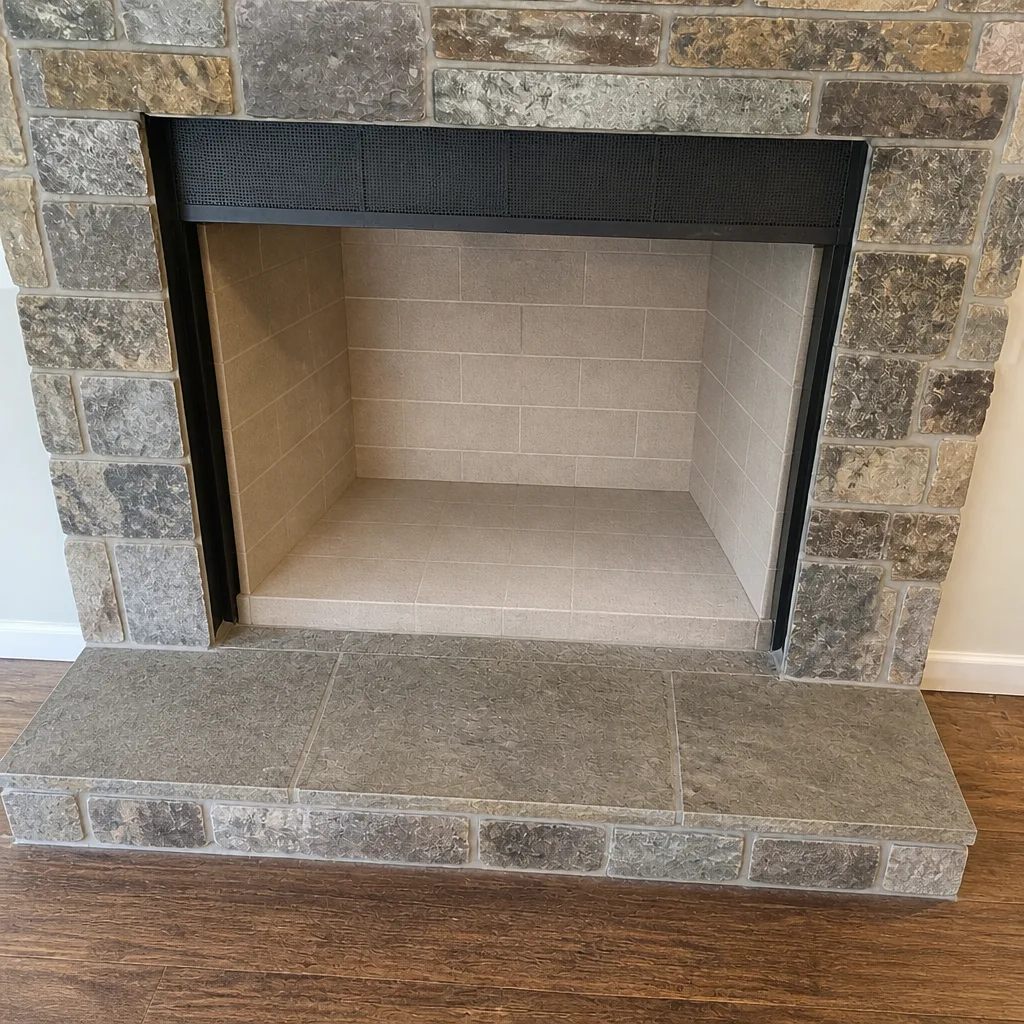
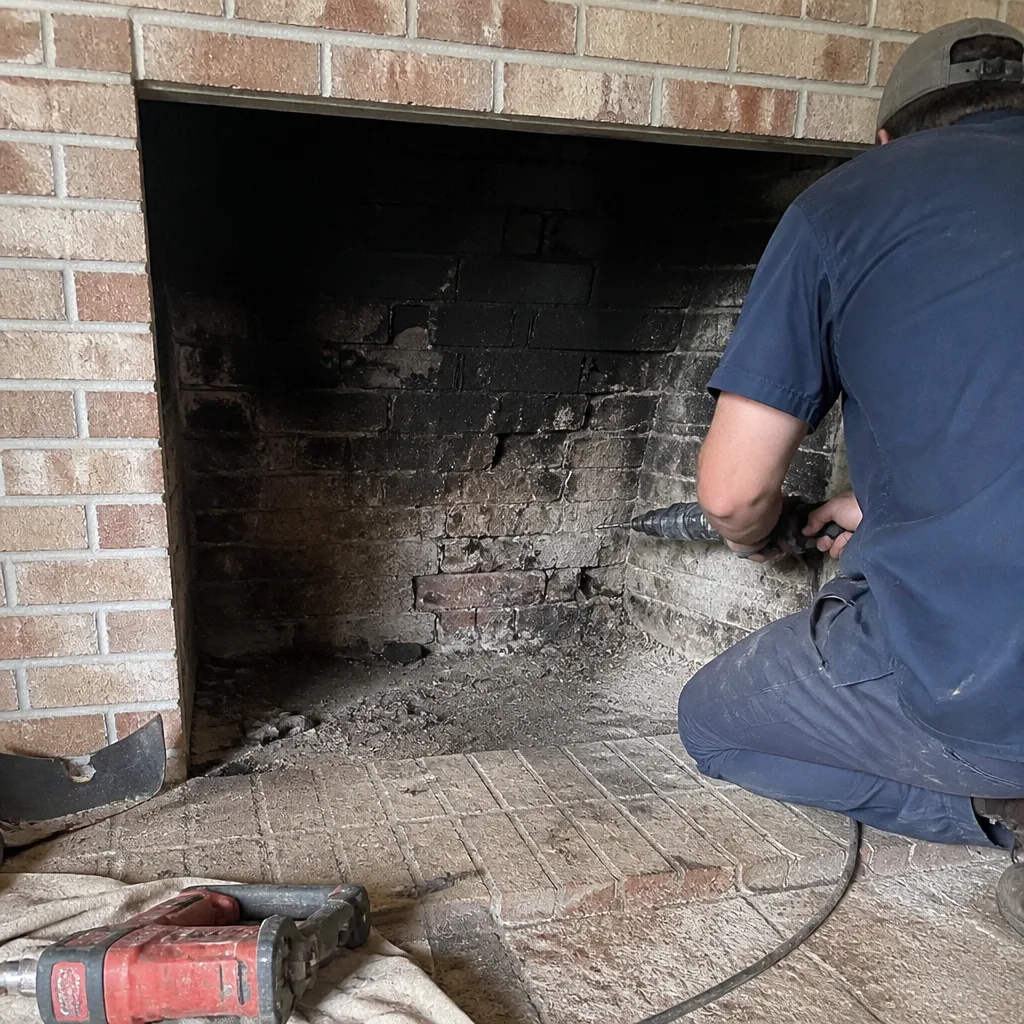 Before
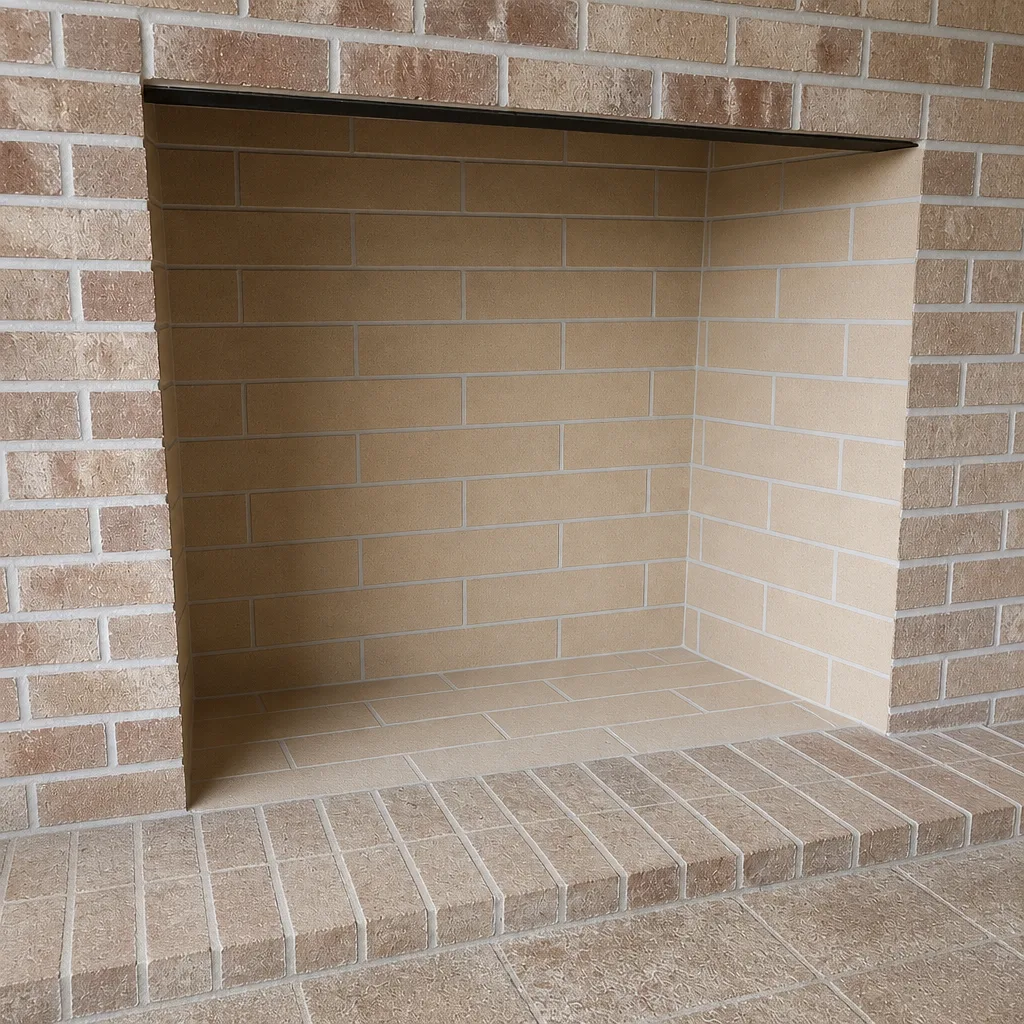 After
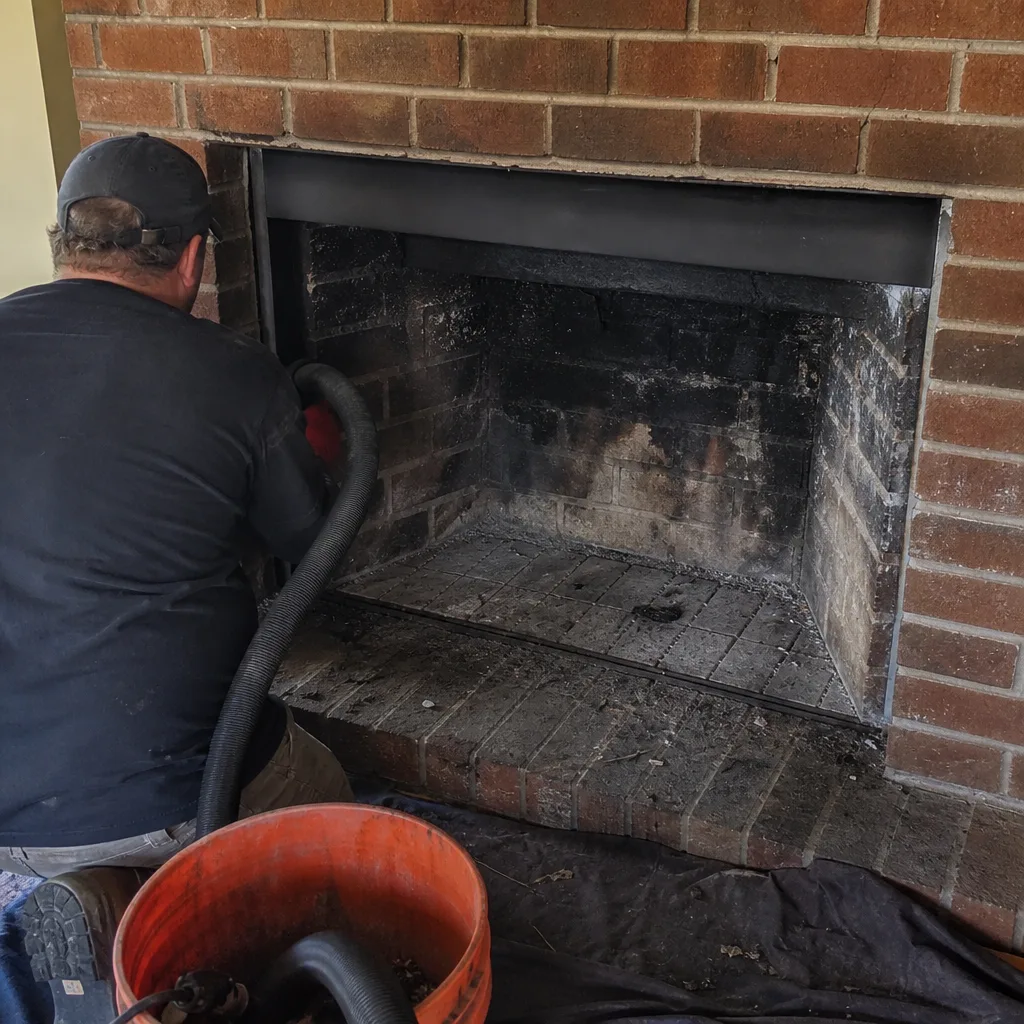
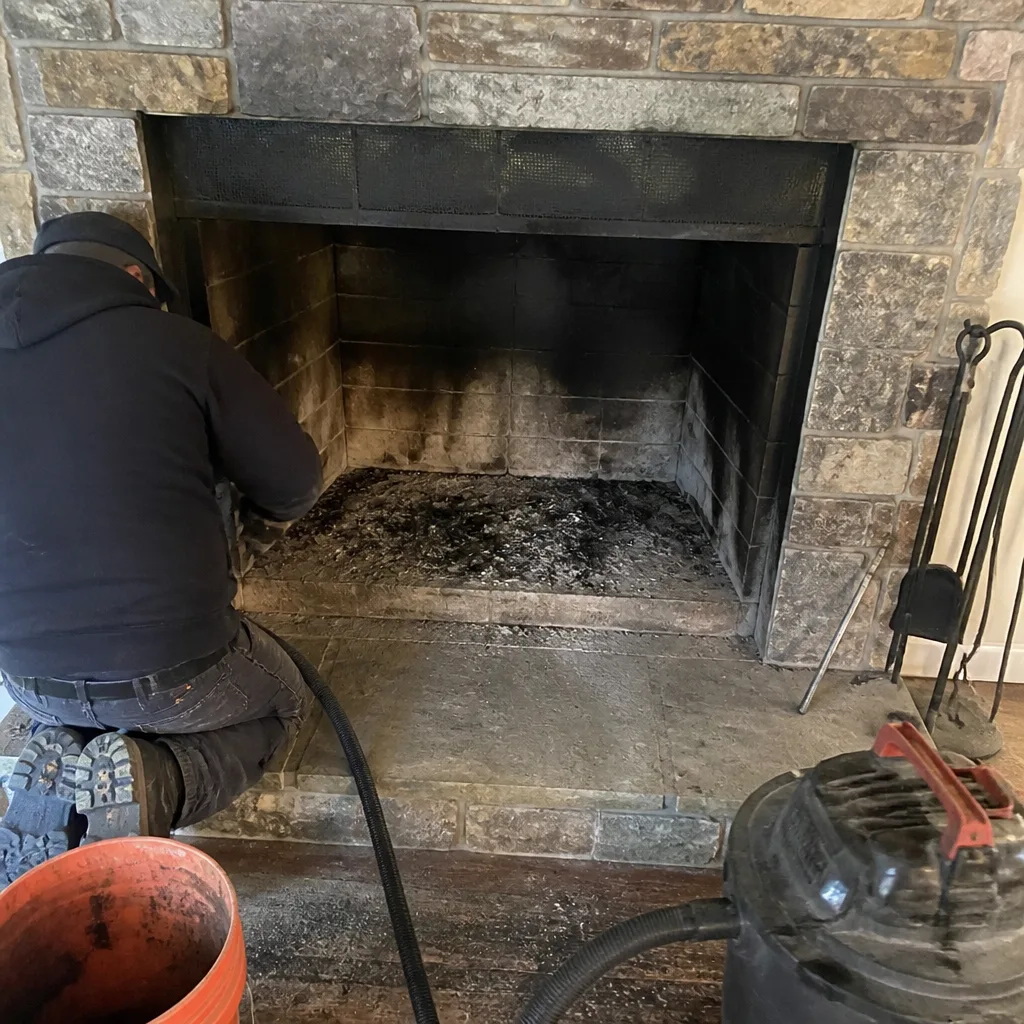 Before
 After
 Before
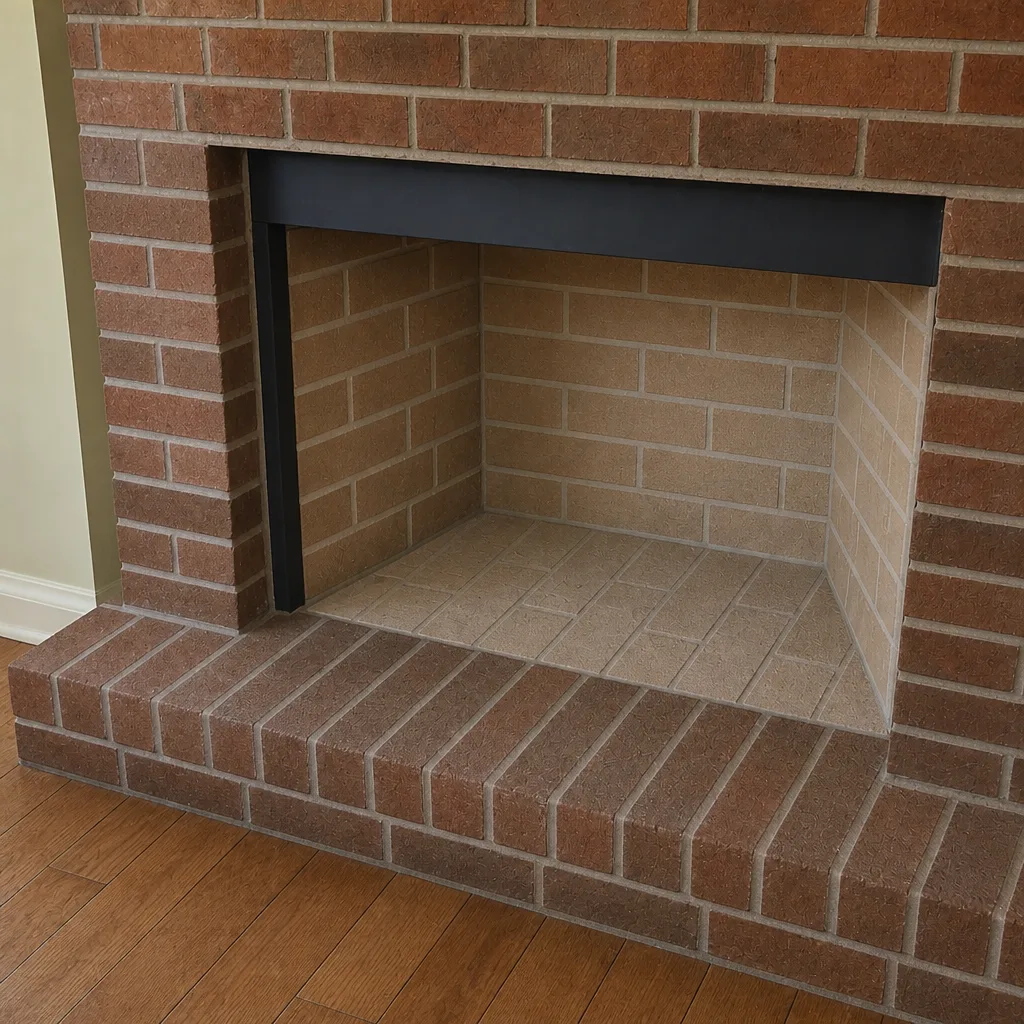 After
When to Call a Professional
Some chimney work is safe to wait on, and some is not. Call a professional when you smell a strong creosote odor in warm weather, when smoke rolls back into the room instead of going up the flue, when you see staining on the ceiling or chimney exterior, when the damper won’t open or close smoothly, or when you haven’t had the chimney inspected in a year of regular burning. Animals in the flue, a cracked crown, or a cap that’s blown off are all reasons to book an inspection. If you have a gas appliance and smell gas, leave the house and call your gas utility first, then call us. Chimney Sweep Kirkwood offers free estimates in Kirkwood. Call (844) 443-4847. We answer 24/7. Fast dispatch from 7am to 7pm, Sunday through Friday. Our technicians have up to 11 years of experience, and every job starts with a camera inspection and photo report you can review before anything gets approved.
Frequently Asked Questions
A chimney sweep in Kirkwood typically costs a few hundred dollars, depending on the number of flues, the configuration of the chimney, and whether a camera inspection is included. The price is set per job by a written estimate after the technician inspects the chimney, and the estimate is free. Call (844) 443-4847 for an exact quote. Estimates are free.
A wood-burning chimney should be swept and inspected once a year, or more often if you burn frequently or burn unseasoned wood that produces heavy creosote. A gas fireplace should be inspected annually as well, even though there’s no creosote, because the flue and venting still need to be checked for corrosion, blockage, and proper draft. In Kirkwood’s humid climate, an annual inspection also catches moisture damage before it spreads. Call (844) 443-4847 to book a sweep and inspection. Estimates are free.
Only if the camera inspection shows the existing liner is cracked, spalled, disconnected, or undersized for the appliance. A clay tile liner with hairline cracks may be a candidate for HeatShield resurfacing rather than a full reline, and a sound liner needs neither. You should see the footage before you approve any liner work, and the written estimate should name the product (DuraFlex, Olympia Chimney, HeatShield) and the warranty. Call (844) 443-4847 for a camera inspection and a written recommendation. Estimates are free.
Creosote builds up in the flue with every fire, and at sufficient thickness it can ignite. A chimney fire can crack the liner, damage the masonry, and in serious cases spread beyond the chimney. Carbon monoxide is the other risk, particularly with gas appliances and blocked flues, and it’s odorless. A yearly inspection and sweep is the maintenance that catches both problems early, before they become structural repairs. Call (844) 443-4847 to schedule. Estimates are free.
General contractor licensing in Georgia doesn’t cover chimney sweeping, liner installation, or flue resurfacing, so a licensed GC isn’t automatically qualified for chimney work. CSIA certification is a chimney-specific credential that requires a proctored exam and continuing education, and it can be verified in the CSIA directory. Ask for the certification number and check it before you book.
A professional quote should itemize the sweep, the camera inspection with a photo or video report, debris disposal, work-area protection, any repair recommendations with brand and scope, the written warranty terms, and clear exclusions. A one-line quote with a single dollar figure tells you nothing about the contractor’s process. Ask for the breakdown in writing, and ask which materials (HeatShield, Gelco, Olympia Chimney, Famco, DuraFlex) are specified for any recommended repair.
Yes. Cap and crown work is part of the same single-source scope, and it’s often the most important moisture-protection repair on the chimney. The cap keeps rain and animals out of the flue, and the crown sheds water off the masonry. If the inspection shows either is failing, we’ll show you the photos and quote the repair in writing so you can decide what to do now and what can wait.
The Bottom Line
Hiring a chimney contractor in Kirkwood comes down to verification. Check the CSIA and NFI directories, confirm the insurance certificate with the carrier, and insist on a line-item quote that names the camera inspection, the materials, and the warranty. Treat any phone quote, door-to-door pitch, or on-site upsell without camera evidence as a reason to walk. The right contractor inspects before recommending, tells you plainly what can safely wait, and puts the same company’s name on the sweep, the repair, and the warranty. Our technicians have up to 11 years of experience, and we work with professional-grade materials from HeatShield, Gelco, Olympia Chimney, Famco, DuraFlex, and Copperfield. From the first sweep to the final repair, one company, one guarantee. Call (844) 443-4847 for a free estimate. We answer 24/7. Fast dispatch from 7am to 7pm, Sunday through Friday.
Written by the team at Chimney Sweep Kirkwood.